AI and Deep Learning in Multi-Omics Analysis: Transforming Biomedical Research and Precision Oncology
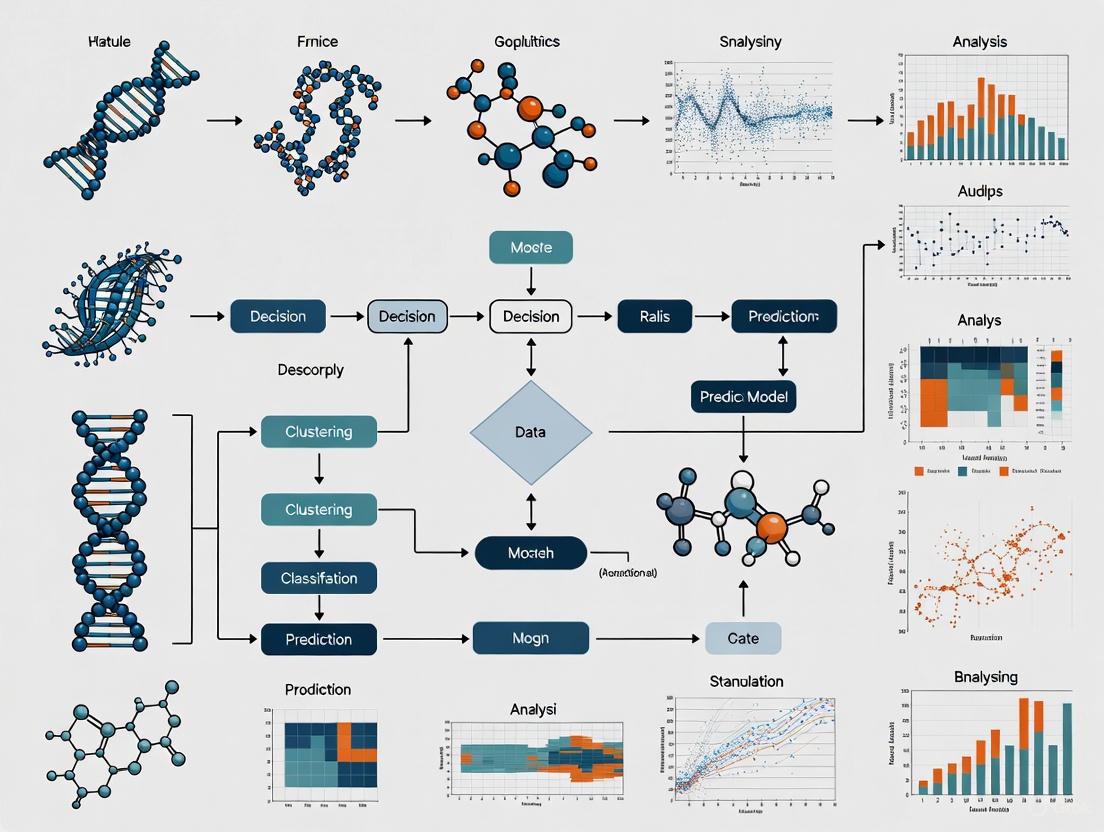
This article provides a comprehensive overview of the transformative role of Artificial Intelligence (AI) and deep learning in multi-omics data analysis.
AI and Deep Learning in Multi-Omics Analysis: Transforming Biomedical Research and Precision Oncology
Abstract
This article provides a comprehensive overview of the transformative role of Artificial Intelligence (AI) and deep learning in multi-omics data analysis. Tailored for researchers, scientists, and drug development professionals, it explores the foundational principles of integrating diverse omics layers—such as genomics, transcriptomics, proteomics, and metabolomics—to gain a holistic understanding of complex biological systems and disease mechanisms. The scope extends from core concepts and methodologies, including generative and non-generative models, to their practical applications in precision oncology, drug repurposing, and clinical trial optimization. It also addresses critical challenges such as data heterogeneity, model interpretability, and analytical validation, offering insights into troubleshooting and optimizing AI workflows. Finally, the article presents a comparative evaluation of statistical versus deep learning approaches, empowering professionals to select the most effective strategies for their research and accelerate the translation of multi-omics insights into clinical practice.
The New Frontier: How AI is Decoding Multi-Omics Complexity for Systems Biology
Traditional biological research has often relied on single-omics approaches, analyzing one molecular layer in isolation, such as genomics or transcriptomics. While valuable, these approaches create significant blind spots by failing to capture the complex interactions and regulatory networks that span multiple biological layers. The inherent complexity of biological systems means that changes at the DNA level do not necessarily correlate directly with protein abundance or metabolic activity, leading to incomplete mechanistic understanding [1]. This limitation is particularly problematic in complex diseases like cancer and cardiovascular diseases, where molecular heterogeneity across patients and even within individual tumors presents major challenges for developing effective therapeutics [2] [3].
Multi-omics integration represents a paradigm shift toward comprehensive biological analysis that simultaneously studies multiple 'omics' datasets, including the genome, proteome, transcriptome, epigenome, metabolome, and microbiome [1]. This approach enables researchers to explore the complex interactions and networks underlying biological processes and diseases. The advent of high-throughput technologies has significantly broadened our ability to analyze biological underpinnings at various levels of complexity, providing unprecedented opportunities for discovery across various biological levels [1]. In oncology, for instance, single-cell multi-omics technologies have dramatically enhanced our ability to dissect tumor heterogeneity at single-cell resolution with multi-layered depth, illuminating tumor biology, immune escape mechanisms, treatment resistance, and patient-specific immune response mechanisms [2].
Artificial intelligence (AI) and deep learning serve as the crucial engine that makes multi-omics integration actionable on a practical scale [4]. These computational approaches provide the framework for processing large volumes of complex, high-dimensional multi-omics data and identifying complex nonlinear patterns that traditional statistical methods cannot detect [1] [3]. The strong generalization capacity of deep learning models allows them to make accurate predictions for unseen data, making them particularly valuable for clinical translation where patient-specific insights are essential for precision medicine [1].
Deep Learning Architectures for Multi-Omics Integration
Categorization of Deep Learning Approaches
Deep learning-based multi-omics integration methods can be broadly categorized into non-generative and generative architectures, each with distinct strengths and applications. Non-generative methods include feedforward neural networks (FNNs), graph convolutional neural networks (GCNs), and autoencoders (AEs), while generative methods encompass variational autoencoders, generative adversarial networks (GANs), and generative pretrained transformers (GPT) [1]. The selection of architecture depends on the specific research question, data characteristics, and desired output, with each approach offering unique capabilities for handling the complexity of multi-omics data.
Table 1: Deep Learning Architectures for Multi-Omics Integration
| Architecture Category | Specific Models | Key Strengths | Representative Applications |
|---|---|---|---|
| Non-Generative Models | Feedforward Neural Networks (FNN) | Handles concatenated features effectively; Good for prediction tasks | Drug response prediction (MOLI); Classification (SNN) [1] |
| Graph Convolutional Networks (GCN) | Incorporates biological network information; Captures topological relationships | Biological network analysis (MOGONET); Classification (MoGCN) [1] | |
| Autoencoders (AE) | Learns compressed representations; Effective for dimensionality reduction | Feature learning (Chaudhary et al.); Data integration [1] | |
| Generative Models | Variational Autoencoders (VAE) | Generates latent representations; Handles uncertainty | Imputation of missing modalities; Data generation [1] |
| Generative Adversarial Networks (GAN) | Generates synthetic data; Enhances training data | Data augmentation; Handling missing data [1] | |
| Generative Pretrained Transformers (GPT) | Models long-range dependencies; Transfer learning capability | Sequence analysis; Predictive modeling [1] |
Integration Strategies and Methodologies
The strategy for integrating multiple omics modalities significantly impacts model performance and interpretability. Three primary integration approaches have emerged, each with distinct methodological considerations and applications:
Early Integration: This approach involves concatenating features from each modality before processing them as a single input to the model. While methodologically straightforward, early integration can present challenges when dealing with heterogeneous data types and missing modalities [1]. The concatenated feature space can become非常高-dimensional, requiring robust regularization techniques to prevent overfitting.
Intermediate Integration: Methods utilizing intermediate integration treat modalities as separate entities while learning inter-modality relationships and generating an integrated model or shared latent space [1]. Autoencoder-based architectures often employ this strategy, learning modality-specific encoders that project different data types into a common latent space where integration occurs. This approach preserves modality-specific characteristics while capturing cross-modal relationships.
Late Integration: This strategy involves training separate models for each modality and then combining the predictions to generate a final aggregated result [1]. Late integration is particularly valuable when dealing with unpaired datasets or when modality-specific models benefit from specialized architectures. Ensemble methods and attention mechanisms can effectively combine these disparate predictions.
Advanced Single-Cell Multi-Omics Technologies and Protocols
Single-Cell Isolation and Sequencing Methodologies
The progression from bulk to single-cell multi-omics represents one of the most significant advancements in biological research, enabling the resolution of cellular heterogeneity that was previously obscured in population-averaged measurements. Several advanced single-cell isolation strategies have been developed to meet the technical demands of high-resolution analysis [2]:
Fluorescence-Activated Cell Sorting (FACS): This high-throughput technique utilizes fluorescent dyes or fluorescent proteins conjugated to antibodies to specifically label target cells. The cell suspension is hydrodynamically focused into a single-cell stream that passes through a laser interrogation zone, with charged droplets containing target cells deflected into collection devices by an external electric field [2]. While FACS enables efficient and precise isolation of desired subpopulations from heterogeneous mixtures, it requires a large number of starting cells and relies on monoclonal antibodies targeting specific surface markers.
Microfluidic Technologies: These platforms precisely control fluid dynamics within microscale channels, leveraging principles such as laminar flow, capillary effects, and microvolume manipulation to achieve highly efficient cell separation [2]. Microfluidic technologies offer significant advantages in terms of high throughput, low technical noise, and minimal cellular stress, though they often involve higher operational costs. Commercially available platforms like 10x Genomics Chromium X and BD Rhapsody HT-Xpress enable profiling of over one million cells per run with improved sensitivity and multimodal compatibility [2].
Laser Capture Microdissection (LCM): This technique isolates target cells manually under microscopic guidance using laser beams to excise specific cells or regions directly from fixed tissue sections [2]. By precisely tuning laser parameters and integrating microscopic control, LCM allows for targeted acquisition of cells from complex tissues while preserving spatial context, making it particularly suitable for studies of tumor heterogeneity that require spatial omics data.
Table 2: Single-Cell Multi-Omics Sequencing Technologies
| Omics Layer | Primary Technology | Key Measurements | Technical Considerations |
|---|---|---|---|
| Transcriptomics | Single-cell RNA sequencing (scRNA-seq) | Gene expression programs; Cell states | Utilizes UMIs and cell barcodes to minimize technical noise [2] |
| Genomics | Single-cell DNA sequencing (scDNA-seq) | Copy number variations; Single nucleotide variants | Multiple displacement amplification preferred over PCR for better coverage [2] |
| Epigenomics | scATAC-seq | Chromatin accessibility; Regulatory elements | Tn5 transposase-mediated insertion labels accessible regions [2] |
| Epigenomics | scCUT&Tag | Histone modifications; Protein-DNA interactions | Antibody-guided capture of specific epigenetic marks [2] |
| DNA Methylation | Bisulfite sequencing | Methylation patterns at CpG islands | Harsh chemical treatment risks DNA degradation; enzyme-based alternatives emerging [2] |
Longitudinal Multi-Omics Analysis Framework
Longitudinal study designs that track molecular changes over time provide unique insights into dynamic biological processes, disease progression, and therapeutic responses. The PALMO (Platform for Analyzing Longitudinal Multi-Omics data) platform represents a comprehensive analytical framework specifically designed to address the complexities of longitudinal bulk and single-cell omics data [5]. This platform incorporates five specialized analytical modules:
Variance Decomposition Analysis (VDA): Evaluates contributions of factors of interest (e.g., donor, timepoint, cell type) to the total variance of individual features, helping to distinguish biological signals from technical variations [5].
Coefficient of Variation Profiling (CVP): Assesses intra-participant variation over time in bulk data and identifies consistently stable or variable features among participants, revealing molecular elements with dynamic or stable expression patterns [5].
Stability Pattern Evaluation Across Cell Types (SPECT): Assesses longitudinal stability patterns of features in single-cell omics data and identifies stable or variable features that are unique to individual cell types but consistent among participants [5].
Outlier Detection Analysis (ODA): Examines the possibility of abnormal events occurring during a longitudinal study, such as adverse events in clinical trials or technical artifacts [5].
Time Course Analysis (TCA): Evaluates transcriptomic changes over time based on longitudinal scRNA-seq data of the same participant and identifies genes that exhibit significant temporal changes [5].
Experimental Protocols for Multi-Omics Integration
Protocol 1: Multi-Omics Data Processing and Quality Control
Purpose: To establish a standardized workflow for processing raw multi-omics data from diverse modalities into analysis-ready formats while maintaining data quality and integrity.
Materials and Reagents:
- 10x Genomics Chromium X platform or equivalent single-cell sequencing system
- Illumina NovaSeq or comparable high-throughput sequencer
- FASTQ files from sequencing facilities
- High-performance computing infrastructure with ≥64GB RAM
- Bioinformatics pipelines (Cell Ranger, ArchR, STAR, FeatureCounts)
Procedure:
- Data Preprocessing:
- For scRNA-seq data: Process raw FASTQ files using Cell Ranger pipeline to generate gene expression matrices. Perform quality control to remove low-quality cells (high mitochondrial percentage, low unique gene counts).
- For scATAC-seq data: Utilize ArchR package for processing FASTQ files to peak matrices. Remove doublets and low-quality cells based on transcription start site enrichment and unique nuclear fragments.
- For proteomics data: Process mass spectrometry raw files using MaxQuant or equivalent, followed by normalization and imputation of missing values.
Data Normalization:
- Apply SCTransform for scRNA-seq data normalization and variance stabilization.
- Utilize term frequency-inverse document frequency (TF-IDF) normalization for scATAC-seq data.
- Perform quantile normalization for proteomics and metabolomics data.
Batch Effect Correction:
- Identify potential batch effects using principal component analysis and visualization.
- Apply harmony, Seurat's integration, or Combat algorithms to remove technical variations while preserving biological signals.
Quality Assessment:
- Generate quality control metrics including number of features per cell, counts per cell, mitochondrial percentage, and complexity measures.
- Visualize data quality using violin plots, scatter plots, and dimensionality reduction techniques.
Troubleshooting Tips:
- High mitochondrial percentage may indicate stressed or dying cells; consider more stringent filtering.
- Low unique molecular identifier (UMI) counts may suggest poor cell viability or library preparation issues.
- Batch effects dominating biological signals may require optimization of integration parameters.
Protocol 2: Deep Learning Model Training for Multi-Omics Integration
Purpose: To implement and train deep learning models for integrating multiple omics modalities and extracting biologically meaningful representations.
Materials and Reagents:
- Processed multi-omics datasets (from Protocol 1)
- Python 3.8+ with TensorFlow 2.8+ or PyTorch 1.12+
- High-performance computing with GPU acceleration (NVIDIA A100 or equivalent recommended)
- Deep learning frameworks (SCVI, MOFA+, custom architectures)
Procedure:
- Data Preparation:
- Partition data into training (70%), validation (15%), and test (15%) sets, maintaining patient-wise splits to prevent data leakage.
- Standardize features per modality using z-score normalization or min-max scaling as appropriate.
- Handle missing data using modality-specific imputation or implement models that can handle missingness.
Model Architecture Design:
- Select appropriate architecture based on integration strategy (early, intermediate, or late integration).
- For intermediate integration using autoencoders: Design modality-specific encoders with 2-3 hidden layers, decreasing dimensionality progressively.
- Implement a shared latent space with dimensionality determined by empirical testing (typically 10-50 dimensions).
- Design decoders that reconstruct original inputs from the latent representation.
Model Training:
- Initialize model weights using He or Xavier initialization.
- Implement early stopping with patience of 20-50 epochs based on validation loss.
- Utilize Adam optimizer with learning rate of 0.001-0.0001, adjusted based on validation performance.
- Apply gradient clipping to prevent explosion in unstable training conditions.
Model Validation:
- Evaluate reconstruction accuracy using mean squared error for continuous data and binary cross-entropy for binary features.
- Assess integration quality using metrics such as silhouette score, clustering accuracy, or biological concordance.
- Perform ablation studies to determine contribution of individual modalities.
Troubleshooting Tips:
- Training instability may require learning rate reduction, gradient clipping, or different weight initialization.
- Overfitting may be addressed through increased regularization, dropout, or early stopping.
- Poor integration quality may benefit from architecture modifications or hyperparameter optimization.
Table 3: Essential Research Reagents and Computational Resources for Multi-Omics Studies
| Category | Item | Specification/Function | Application Notes |
|---|---|---|---|
| Wet Lab Reagents | Single-cell isolation kit | 10x Genomics Chromium X, BD Rhapsody | Enables high-throughput single-cell partitioning and barcoding [2] |
| Library preparation kits | Single-cell multiome ATAC + Gene Expression | Allows simultaneous profiling of gene expression and chromatin accessibility from the same cell [2] | |
| Antibody panels | TotalSeq antibodies for CITE-seq | Enables protein surface marker quantification alongside transcriptome [2] | |
| Nucleic acid purification kits | SPRIselect beads, QIAGEN kits | High-quality nucleic acid extraction for downstream sequencing [2] | |
| Computational Tools | Single-cell analysis suites | Seurat, Scanpy, SingleCellExperiment | Comprehensive frameworks for single-cell data analysis and integration [5] |
| Multi-omics integration platforms | PALMO, MOFA+, Multi-Omics Factor Analysis | Specialized tools for integrating multiple data modalities [5] | |
| Deep learning frameworks | TensorFlow, PyTorch, JAX | Flexible environments for building custom multi-omics models [1] | |
| Visualization tools | ggplot2, Plotly, SCope | Create publication-quality visualizations and interactive explorers [5] | |
| Data Resources | Reference datasets | Human Cell Atlas, TCGA, GTEx | Provide essential context and benchmarking capabilities [1] |
| Pathway databases | KEGG, Reactome, MSigDB | Enable functional interpretation of multi-omics findings [1] | |
| Protein-protein interaction networks | STRING, BioGRID | Facilitate network-based analysis of multi-omics data [1] |
Applications in Drug Discovery and Therapeutic Development
The integration of AI with multi-omics approaches is particularly transformative in pharmaceutical research and development, addressing key challenges in target identification, mechanism elucidation, and patient stratification. In complex diseases such as opioid use disorder (OUD), multi-omics allows researchers to understand the multifactorial nature of the disease, involving complex interactions between genetics, brain circuitry, immune response, and environmental stressors [4]. By combining this data with AI-driven simulations, researchers can identify new molecular targets, stratify patient populations, and discover non-obvious mechanisms of action that are crucial for developing precision therapies in fields where one-size-fits-all approaches have largely failed [4].
AI-powered multi-omics platforms enable a shift from empirical to predictive science in drug development. For instance, the Multiomics Advanced Technology (MAT) platform developed by GATC Health simulates human biology based on multi-omic inputs, allowing researchers to model drug-disease interactions, predict efficacy and toxicity, and optimize compounds in silico before a molecule ever reaches a petri dish or animal model [4]. This approach has the potential to significantly compress development timelines and improve success rates by generating biologically grounded hypotheses and de-risking early-stage development programs.
In cardiovascular disease research, AI methods integrated with multi-omics have shown promising outcomes across the entire continuum of disease prevention, diagnosis, treatment, and prognosis [3]. These approaches facilitate the exploration of complex regulatory mechanisms and enhance the prediction and interpretation of disease progression, ultimately supporting the development of personalized therapeutic strategies. The application of machine learning to analyze huge and high-dimensional multi-omics datasets significantly improves the efficiency of mechanistic studies and clinical practice of cardiovascular diseases [3].
The transition from single-omic blind spots to a holistic multi-omic view represents a fundamental evolution in biological research and therapeutic development. By integrating complementary molecular perspectives through advanced AI and deep learning architectures, researchers can now construct comprehensive models of biological systems that more accurately reflect their inherent complexity. The methodologies and protocols outlined in this application note provide a roadmap for implementing robust multi-omics integration strategies that can uncover novel biological insights and accelerate therapeutic innovation.
As the field continues to evolve, we anticipate several key advancements will further enhance multi-omics integration capabilities. Methods that can handle missing data natively will become increasingly important, as missing modalities represent a common challenge in working with complex and heterogeneous clinical samples [1]. Additionally, the integration of emerging data types, particularly imaging modalities such as radiomics and pathomics, with molecular omics data promises to provide even more comprehensive views of biological systems [1]. Finally, the development of more interpretable AI models will be crucial for translating computational findings into biologically and clinically actionable insights, bridging the gap between pattern recognition and mechanistic understanding.
The convergence of sophisticated single-cell technologies, longitudinal study designs, and AI-driven analytical frameworks is poised to transform our approach to biological research and precision medicine. By embracing these integrated approaches, researchers and drug development professionals can look beyond the limitations of single-omics approaches and begin to truly decode the complex, multi-layered nature of health and disease.
The integration of multi-omics data represents a fundamental challenge and opportunity in modern biological research. Deep learning (DL) has emerged as a powerful set of techniques for addressing this challenge, enabling researchers to uncover complex, non-linear relationships across genomic, transcriptomic, epigenomic, proteomic, and metabolomic data layers [6] [7]. These approaches are particularly valuable in cancer research, where molecular heterogeneity necessitates sophisticated analytical methods for subtype classification, biomarker discovery, and therapeutic development [6] [8]. Unlike traditional machine learning methods that often rely on manually engineered features, deep learning automatically learns relevant representations from raw data, reducing human bias and capturing the intricate dynamics of biological systems [9]. This capability is critical for advancing personalized medicine, as it allows for more accurate prediction of disease progression, drug response, and patient outcomes based on comprehensive molecular profiling.
Core Deep Learning Paradigms for Biological Data Integration
Pathway-Guided Interpretable Deep Learning Architectures (PGI-DLA)
Pathway-Guided Interpretable Deep Learning Architectures (PGI-DLA) represent a revolutionary approach that integrates established biological knowledge directly into model design. Unlike conventional "black box" deep learning models, PGI-DLA structures neural networks based on known biological pathway relationships from databases such as the Kyoto Encyclopedia of Genes and Genomes (KEGG), Gene Ontology (GO), Reactome, and MSigDB [9]. This integration ensures that the model's decision-making process aligns with biological mechanisms, significantly enhancing interpretability. The architecture fundamentally differs from traditional approaches that use pathways merely for input feature preprocessing; instead, it embeds domain knowledge into the model's foundational structure to guide the learning process by mimicking the actual flow of biological information [9] [7].
Several specialized architectural implementations have emerged within the PGI-DLA paradigm. Variable Neural Networks (VNNs), exemplified by models like DCell and DrugCell, organize hidden layers according to the hierarchical structure of biological pathways, creating a direct mapping between network topology and biological relationships [9]. Sparse Deep Neural Networks incorporate sparsity constraints based on pathway knowledge, where connections between neurons reflect documented molecular interactions, substantially improving model interpretability. Graph Neural Networks (GNNs) represent biological pathways as graphs with genes or proteins as nodes and their interactions as edges, enabling sophisticated relational reasoning across the molecular landscape [9]. These architectures demonstrate how structural priors from biological knowledge can simultaneously enhance both performance and interpretability in deep learning applications for multi-omics integration.
Benchmarking Frameworks for Integration Methods
The rapid proliferation of deep learning methods for single-cell and multi-omics integration has created an urgent need for systematic benchmarking frameworks. Recent research has evaluated 16 different integration methods using a unified variational autoencoder framework that incorporates both batch and cell-type information [10]. These investigations have revealed significant limitations in existing evaluation metrics, particularly the single-cell integration benchmarking index (scIB), which often fails to adequately preserve intra-cell-type biological information during the integration process [10].
In response to these limitations, researchers have developed enhanced benchmarking strategies including correlation-based loss functions and refined metrics that better capture biological conservation [10]. The proposed scIB-E framework and associated metrics provide deeper insights into the integration process and offer practical guidance for method selection and development. These advancements are particularly important as single-cell technologies continue to generate increasingly complex datasets from diverse biological contexts, including lung and breast cancer atlases [10]. The benchmarking efforts highlight critical trade-offs between batch effect correction and biological signal preservation that must be carefully balanced in analytical workflows.
Table 1: Performance Comparison of Multi-Omics Integration Methods for Breast Cancer Subtype Classification
| Method | Type | F1 Score (Nonlinear) | Pathways Identified | Key Strengths |
|---|---|---|---|---|
| MOFA+ | Statistical-based | 0.75 | 121 | Effective feature selection, superior clustering |
| MoGCN | Deep learning-based | 0.69 | 100 | Captures non-linear relationships, automated feature learning |
| MOGONET | Graph-based DL | N/A | N/A | Integrates heterogeneous networks |
| DCell | Pathway-guided DL | N/A | N/A | Mechanistically interpretable predictions |
Table 2: Pathway Databases for Biologically-Informed Deep Learning Architectures
| Database | Knowledge Scope | Hierarchical Structure | Curation Focus | Common Applications |
|---|---|---|---|---|
| KEGG | Metabolic & signaling pathways | Moderate | Molecular interactions | Cancer mechanisms, metabolism |
| Gene Ontology (GO) | Biological processes, molecular functions, cellular components | High | Functional annotations | Functional enrichment, process analysis |
| Reactome | Detailed biochemical reactions | High | Pathway steps & relationships | Drug mechanisms, disease pathways |
| MSigDB | Curated gene sets | Variable | Expert-curated collections | Signature analysis, translational research |
Application Notes: Multi-Omics Integration for Breast Cancer Subtyping
Experimental Design and Data Processing
A comprehensive comparative analysis of statistical and deep learning-based multi-omics integration was conducted using 960 breast cancer patient samples from The Cancer Genome Atlas (TCGA-PanCanAtlas 2018) [8]. The study incorporated three distinct omics layers: host transcriptomics (20,531 features), epigenomics (22,601 features), and shotgun microbiomics (1,406 features). Samples represented five breast cancer subtypes: Basal (168), Luminal A (485), Luminal B (196), HER2-enriched (76), and Normal-like (35) [8].
Critical data preprocessing steps included batch effect correction using unsupervised ComBat for transcriptomics and microbiomics data, while the Harman method was applied to methylation data [8]. Following batch correction, features with zero expression in 50% of samples were discarded to reduce noise and dimensionality. To ensure a fair comparison between integration methods, the top 100 features from each omics layer were selected using approach-specific criteria: for the statistical method (MOFA+), features were selected based on absolute loadings from the latent factor explaining the highest shared variance, while for the deep learning approach (MoGCN), selection was based on importance scores derived by multiplying absolute encoder weights by the standard deviation of each input feature [8].
Performance Evaluation and Biological Validation
The integrated features from both statistical and deep learning approaches were rigorously evaluated using multiple complementary strategies. Unsupervised embedding evaluation employed t-SNE visualization alongside the Calinski-Harabasz index (measuring between-cluster versus within-cluster dispersion) and Davies-Bouldin index (assessing cluster similarity) [8]. For supervised evaluation, both linear (Support Vector Classifier with linear kernel) and nonlinear (Logistic Regression) models were trained using grid search with five-fold cross-validation and evaluated using the F1 score to account for class imbalance across breast cancer subtypes [8].
Biological validation constituted a critical component of the analysis, wherein transcriptomic features selected by each method were used to construct molecular networks using OmicsNet 2.0 with the IntAct database [8]. Pathway enrichment analysis identified biologically relevant pathways associated with the selected features, with a particular focus on their implications for breast cancer mechanisms. Additionally, clinical association analysis assessed the relevance of selected features to key clinical variables including tumor stage, lymph node involvement, metastasis, patient age, and race using OncoDB, with significance determined by false discovery rate (FDR < 0.05) [8].
Experimental Protocols
Protocol 1: Multi-Omics Factor Analysis (MOFA+) Integration
Purpose: Unsupervised integration of multiple omics datasets to identify latent factors representing shared variation across data modalities.
Materials and Reagents:
- Multi-omics datasets (e.g., transcriptomics, epigenomics, microbiomics)
- MOFA+ package (R version 4.3.2 or higher)
- Computational environment with minimum 16GB RAM
Procedure:
- Data Preparation: Format each omics dataset as a matrix with samples as rows and features as columns. Ensure consistent sample ordering across datasets.
- Model Configuration: Create a MOFA+ object and specify the three omics layers with appropriate data distributions (Gaussian for continuous data).
- Training Parameters: Set training options including 400,000 maximum iterations and a convergence threshold based on evidence lower bound (ELBO) stabilization.
- Factor Selection: Retain latent factors that explain a minimum of 5% variance in at least one data type.
- Feature Extraction: Calculate absolute loadings for each feature in the selected latent factors, prioritizing features with the highest loadings for downstream analysis.
- Validation: Assess model convergence by examining the ELBO trajectory and evaluate factor interpretability through variance explained plots.
Troubleshooting Tips:
- For non-converging models, increase iteration count or adjust learning rate parameters.
- If factors explain minimal variance, reassess data preprocessing and normalization steps.
- For biological interpretation issues, correlate factors with sample metadata and perform gene set enrichment analysis.
Protocol 2: Multi-Omics Graph Convolutional Network (MoGCN) Implementation
Purpose: Deep learning-based integration of multi-omics data using graph convolutional networks for enhanced feature selection and subtype classification.
Materials and Reagents:
- Preprocessed multi-omics datasets
- Python 3.11.5 with PyTorch and DGL libraries
- GPU acceleration (recommended)
Procedure:
- Autoencoder Pretraining:
- Implement separate encoder-decoder pathways for each omics type.
- Configure encoder architecture with hidden layers of 100 neurons each.
- Train autoencoders using learning rate of 0.001 and mean squared error reconstruction loss.
- Extract learned representations from the bottleneck layer for each omics type.
Graph Construction:
- Create patient similarity networks for each omics modality using k-nearest neighbors.
- Combine omics-specific graphs into a multi-omics heterogeneous network.
GCN Training:
- Implement two-layer graph convolutional architecture with ReLU activation.
- Train model with cross-entropy loss for classification tasks.
- Apply dropout regularization (rate=0.5) between layers to prevent overfitting.
Feature Importance Calculation:
- Compute importance scores by multiplying absolute encoder weights by feature standard deviations.
- Select top 100 features per omics layer based on importance scores for downstream analysis.
Validation Metrics:
- Classification performance: F1 score, accuracy, precision, recall
- Clustering quality: Calinski-Harabasz index, Davies-Bouldin index
- Biological relevance: Pathway enrichment significance, clinical association FDR
Visualization of Workflows and Signaling Pathways
Diagram 1: MOFA+ multi-omics integration workflow for breast cancer subtyping.
Diagram 2: Pathway-guided interpretable deep learning architecture (PGI-DLA) framework.
Table 3: Key Computational Tools for Deep Learning-Based Multi-Omics Integration
| Tool/Resource | Type | Primary Function | Application Context |
|---|---|---|---|
| MOFA+ (R package) | Statistical tool | Unsupervised multi-omics factor analysis | Latent pattern discovery, dimensionality reduction |
| MoGCN (Python) | Deep learning framework | Graph convolutional networks for multi-omics | Cancer subtype classification, biomarker discovery |
| DCell | Pathway-guided DL | Variable neural networks based on GO hierarchy | Predictive modeling with mechanistic interpretation |
| OmicsNet 2.0 | Network analysis | Biological network construction and visualization | Pathway enrichment, molecular interaction mapping |
| IntAct Database | Protein interaction database | Curated molecular interaction data | Network validation, pathway context |
| OncoDB | Clinical genomics database | Gene-clinical association analysis | Clinical relevance assessment, survival analysis |
Table 4: Pathway Databases for Biologically-Informed Model Development
| Database | Key Features | Best Suited For | Access Method |
|---|---|---|---|
| KEGG | Metabolic pathways, disease maps | Modeling metabolic alterations, cancer mechanisms | API, downloadable flat files |
| Gene Ontology (GO) | Three ontologies: BP, MF, CC | Functional enrichment, hierarchical modeling | OBO format, RDF, API |
| Reactome | Detailed reaction knowledgebase | Drug mechanism studies, signaling pathways | REST API, Pathway Browser |
| MSigDB | Curated gene sets, hallmark collections | Translational research, signature analysis | GMT files, web interface |
The complexity of biological systems arises from dynamic interactions across multiple molecular layers, from genetic blueprint to functional phenotype [11]. Multi-omics approaches represent a fundamental shift from traditional reductionist methods that examine single molecular classes in isolation. By integrating disparate biological datasets, researchers can now capture the interconnectedness of cellular systems and recover system-level signals that are often missed by single-modality studies [11]. This holistic perspective is particularly crucial for understanding complex diseases like cancer, where molecular heterogeneity fuels therapeutic resistance and metastasis through coordinated alterations across genomic, transcriptomic, proteomic, and metabolomic strata [11].
The four primary omics layers—genomics, transcriptomics, proteomics, and metabolomics—provide complementary insights into biological processes. Genomics identifies DNA-level alterations that drive disease processes; transcriptomics reveals gene expression dynamics and regulatory networks; proteomics catalogs the functional effectors of cellular processes; and metabolomics profiles the small-molecule endpoints of cellular processes [11] [12]. Together, these layers construct a comprehensive molecular atlas that enables researchers to move beyond correlation to causation in biological research [12]. The integration of these orthogonal yet interconnected biological insights has become essential for advancing personalized medicine, identifying novel biomarkers, and understanding complex pathophysiological processes [13].
Unique Insights from Each Omics Layer
Genomics: The Biological Blueprint
Genomics focuses on the comprehensive analysis of an organism's complete set of DNA, including genes and non-coding sequences. This foundational omics layer identifies DNA-level alterations such as single-nucleotide variants (SNVs), copy number variations (CNVs), and structural rearrangements that can drive disease processes like oncogenesis [11]. Next-generation sequencing (NGS) technologies enable comprehensive profiling of cancer-associated genes and pathways including KRAS, BRAF, and TP53 [11]. The static nature of genomic information (with some exceptions like epigenetic modifications) provides the fundamental blueprint that remains relatively constant throughout an organism's lifetime, making it particularly valuable for understanding inherited risk factors and fundamental molecular etiology of diseases [14].
Transcriptomics: Dynamic Gene Expression
Transcriptomics measures the expression levels of RNA transcripts (both mRNA and non-coding RNA) in cells or tissues, providing an indirect measure of DNA activity [12]. Through techniques like RNA sequencing (RNA-seq), researchers can quantify mRNA isoforms, non-coding RNAs, and fusion transcripts that reflect active transcriptional programs and regulatory networks within biological systems [11]. Unlike the relatively static genome, the transcriptome is highly dynamic and responsive to both internal biological signals and external environmental stimuli. This responsiveness makes transcriptomics particularly valuable for understanding how genes are regulated under different conditions, how cells respond to perturbations, and identifying actively dysregulated pathways in disease states [12]. The transcriptome serves as a crucial intermediary between the genetic code and functional proteins, capturing a snapshot of gene activity at a specific moment in time.
Proteomics: Functional Effectors
Proteomics involves the large-scale identification and quantification of proteins, the primary functional effectors of biological processes [12]. Proteins and enzymes (typically >2 kDa) are the functional products of genes and play diverse roles in cellular processes, including maintaining cellular structure, facilitating communication, and catalyzing biochemical reactions [12]. Mass spectrometry and affinity-based techniques enable cataloging of post-translational modifications, protein-protein interactions, and signaling pathway activities that directly influence therapeutic responses and cellular behavior [11]. The proteome displays remarkable complexity due to alternative splicing, post-translational modifications, and protein degradation, creating substantial divergence between transcript abundance and protein levels. This layer provides the most direct information about functional cellular states and has become indispensable for understanding disease mechanisms and identifying druggable targets.
Metabolomics: Biochemical Endpoints
Metabolomics comprehensively analyzes small molecules (≤1.5 kDa), known as metabolites, which serve as intermediate or end products of metabolic reactions and regulators of metabolism [12]. Using NMR spectroscopy and liquid chromatography-mass spectrometry (LC-MS), metabolomics exposes metabolic reprogramming in diseases such as Warburg effects in cancer or oncometabolite accumulation [11]. As the ultimate mediators of metabolic processes, metabolites represent the most downstream product of the biological information flow and provide a direct readout of cellular phenotype and physiological status. The metabolome is highly responsive to both environmental and biological regulatory mechanisms, making it particularly valuable for capturing the integrated effects of genetics, transcriptomics, proteomics, and environmental exposures [15]. Lipidomics, a specialized branch of metabolomics, focuses specifically on the lipidic composition of samples [12].
Table 1: Comparative Analysis of Key Omics Technologies
| Omics Layer | Analyzed Components | Key Technologies | Temporal Dynamics | Primary Applications |
|---|---|---|---|---|
| Genomics | DNA sequences, SNVs, CNVs, structural variations | Next-generation sequencing | Static (with epigenetic exceptions) | Inherited risk, driver mutations, molecular taxonomy |
| Transcriptomics | mRNA, non-coding RNAs, fusion transcripts | RNA-seq, microarrays | Dynamic (minutes to hours) | Gene regulation, active pathways, transcriptional networks |
| Proteomics | Proteins, post-translational modifications | Mass spectrometry, affinity assays | Moderate (hours to days) | Functional states, signaling activity, drug targets |
| Metabolomics | Metabolites, lipids, biochemical intermediates | LC-MS, NMR spectroscopy | Rapid (seconds to minutes) | Metabolic phenotypes, environmental responses, functional endpoints |
Multi-Omics Integration Strategies and Protocols
Data Integration Methodologies
Integrating multiple omics datasets presents significant computational challenges due to the inherent heterogeneity of the data types, including dimensional disparities, temporal variations, and technical variability from different analytical platforms [11]. Several strategic approaches have been developed to address these challenges:
Pathway- or Biochemical-Ontology-Based Integration leverages predefined biochemical pathways and ontological frameworks to interpret multi-omics data in the context of existing biological knowledge. Tools such as IMPALA, iPEAP, and MetaboAnalyst support integration of different omics platforms through pathway enrichment and overrepresentation analyses [15]. While these approaches benefit from incorporating established domain knowledge, they are limited by the completeness and accuracy of the predefined pathways, which may not fully capture the complexity of biological systems [15].
Biological-Network-Based Integration utilizes graph-based representations of complex connections among diverse cellular components. Methods implemented in tools like SAMNetWeb, pwOmics, and Metscape map multiple omic experimental results onto biological networks to identify altered graph neighborhoods without relying on predefined pathways [15]. For example, Metscape, a Cytoscape plug-in, facilitates calculation, analysis, and visualization of gene-to-metabolite networks in the context of metabolism [15]. These approaches can reveal novel interactions but may yield limited insights when domain knowledge of molecular interactions is insufficient.
Empirical Correlation Analysis identifies statistical relationships between molecular features across omics layers, often employed when biochemical domain knowledge is limited. The R package mixOmics implements methods such as regularized sparse principal component analysis (sPCA), canonical correlation analysis (rCCA), and sparse PLS discriminant analysis (sPLS-DA) to identify co-varying features across datasets [15]. Weighted gene correlation network analysis (WGCNA) extends correlation concepts to include graph topology measures and has been widely used to analyze gene coexpression networks and relate them to other data types [15].
AI and Deep Learning Integration Protocols
Artificial intelligence, particularly deep learning, has emerged as a powerful approach for multi-omics integration due to its ability to identify non-linear patterns across high-dimensional spaces [11]. The following protocol outlines a typical AI-driven multi-omics integration workflow:
Protocol: Deep Learning-Based Multi-Omics Integration Using Flexynesis
Objective: Integrate genomic, transcriptomic, proteomic, and metabolomic data to predict clinical outcomes such as disease subtypes, survival, or drug response.
Materials:
- Multi-omics datasets (e.g., from TCGA, CCLE, or in-house studies)
- Clinical annotation data
- Flexynesis deep learning toolkit (available via PyPi, Bioconda, or Galaxy Server)
- Python environment with PyTorch dependencies
- High-performance computing resources (GPU recommended)
Procedure:
Data Preprocessing and Harmonization
- Perform quality control on each omics dataset separately
- Apply platform-specific normalization (e.g., DESeq2 for RNA-seq, quantile normalization for proteomics)
- Address batch effects using ComBat or similar methods
- Impute missing values using appropriate methods (e.g., matrix factorization, K-nearest neighbors)
- Standardize features to have zero mean and unit variance
Feature Selection
- Apply variance-based filtering to remove low-variance features
- Implement domain-specific feature selection (e.g., differentially expressed genes, differentially abundant metabolites)
- Use multi-omics feature selection methods if available
Model Architecture Configuration
- Choose appropriate encoder networks for each data type (fully connected or graph-convolutional)
- Define the multi-task learning architecture based on prediction goals
- Configure supervisor multi-layer perceptrons (MLPs) for each outcome variable
Model Training and Validation
- Split data into training (70%), validation (15%), and test (15%) sets
- Implement cross-validation strategies appropriate for sample size
- Perform hyperparameter optimization using validation set performance
- Train model with early stopping to prevent overfitting
Model Interpretation and Biomarker Discovery
- Apply explainable AI techniques (e.g., SHAP, attention mechanisms)
- Extract feature importance scores across omics layers
- Identify key molecular drivers and biomarkers
- Validate findings in independent cohorts when possible
Troubleshooting Tips:
- For small sample sizes, consider transfer learning or pre-trained models
- If model performance is poor, try simplifying architecture or increasing regularization
- For integration challenges, consider intermediate integration approaches rather than early fusion
Diagram 1: AI-Driven Multi-Omics Integration Workflow. This illustrates the flow from raw multi-omics data through preprocessing, feature selection, deep learning encoding, and final clinical applications.
Table 2: Essential Research Reagents and Computational Tools for Multi-Omics Research
| Category | Resource | Specific Examples | Function/Purpose |
|---|---|---|---|
| Wet Lab Reagents | Sequencing Kits | Illumina RNA Prep with Enrichment | Library preparation for transcriptomics |
| Mass Spectrometry Standards | TMT/SILAC labeled peptides | Quantitative proteomics | |
| Metabolomics Kits | Biocrates AbsoluteIDQ p400 HR Kit | Targeted metabolomics quantification | |
| Computational Tools | Pathway Analysis | IMPALA, iPEAP, MetaboAnalyst | Pathway-based multi-omics integration |
| Network Analysis | SAMNetWeb, Metscape, MetaMapR | Biological network construction and analysis | |
| Correlation Analysis | WGCNA, mixOmics, DiffCorr | Identify cross-omics correlations | |
| AI/Deep Learning Platforms | Flexynesis, Graph Neural Networks | Non-linear multi-omics integration | |
| Data Resources | Public Repositories | TCGA, CCLE, Answer ALS | Source of validated multi-omics datasets |
| Knowledge Bases | STRING, KEGG, Reactome | Prior knowledge for biological interpretation |
Application Notes: Multi-Omics in Translational Research
Case Study: Molecular Subtyping in Oncology
Multi-omics approaches have demonstrated particular value in disease subtyping and classification, moving beyond traditional histopathological classifications to molecular taxonomy. For example, integrative analysis of 729 cancer cell lines across 23 tumor types from the Cancer Cell Line Encyclopedia (CCLE) identified 12 distinct clusters using the iClusterPlus tool [16]. While many cell lines grouped by tissue of origin, the analysis revealed novel subgroups characterized by shared molecular alterations regardless of tissue origin. Notably, one cluster contained both non-small cell lung cancer (NSCLC) and pancreatic cancer cell lines linked by the presence of KRAS mutations [16]. This molecular stratification provides insights for drug repurposing and personalized treatment strategies that would not be apparent from single-omics analyses.
Case Study: Biomarker Discovery in Metabolic Disease
A 2025 multi-omics study of childhood central obesity exemplifies the power of integrating lipidomics and proteomics to elucidate disease mechanisms [17]. The researchers conducted a case-control study involving 169 children (aged 7-16 years), measuring plasma lipidomics in all participants and proteomics in a subset of 112 children. Their analysis identified 46 key lipids significantly associated with central obesity (predominantly triglycerides with some diacylglycerols) and six key proteins (PLIN1, PLAT, ADH1A, ADH4, LEP, and INHB) that potentially influence the central obesity phenotype by modulating lipid levels [17]. These proteins exhibited increased expression in children with central obesity and were validated in mouse models, highlighting their potential as biomarkers and therapeutic targets.
Protocol: Knowledge Graph Construction for Multi-Omics Data
Objective: Structure multi-omics data using knowledge graphs to enable sophisticated AI analysis and interpretation.
Materials:
- Multi-omics datasets with appropriate metadata
- Biological knowledge bases (e.g., STRING, KEGG, Reactome)
- Graph database platforms (e.g., Neo4j)
- GraphRAG or similar graph-based AI frameworks
Procedure:
Entity Identification and Extraction
- Identify key entities across omics layers (genes, proteins, metabolites, pathways)
- Extract relationships from established biological databases
- Incorporate experimental measurements as node attributes
Knowledge Graph Construction
- Define node types for each biological entity
- Establish relationship types (e.g., interactswith, regulates, partof)
- Integrate quantitative data (e.g., expression levels, fold changes)
Graph-Based AI Analysis
- Implement graph neural networks for pattern detection
- Apply community detection algorithms to identify functional modules
- Utilize graph traversal methods for hypothesis generation
Interpretation and Validation
- Extract subgraphs associated with specific phenotypes
- Identify key network hubs and bottlenecks
- Validate predictions through experimental follow-up
Diagram 2: Knowledge Graph Structure for Multi-Omics Data Integration. This diagram illustrates how different omics layers connect through biological pathways and molecular networks to inform disease understanding and AI-powered insights.
The integration of genomics, transcriptomics, proteomics, and metabolomics provides a comprehensive framework for understanding biological systems at multiple levels of complexity. Each omics layer offers unique and complementary insights: genomics reveals the fundamental blueprint, transcriptomics captures dynamic gene regulation, proteomics identifies functional effectors, and metabolomics reflects the biochemical endpoints of cellular processes. The true power of multi-omics approaches emerges from the strategic integration of these layers, enabled by advanced computational methods including pathway analysis, network modeling, and increasingly, AI and deep learning algorithms.
As multi-omics technologies continue to evolve and computational methods become more sophisticated, we anticipate a paradigm shift toward increasingly dynamic, personalized disease management across therapeutic areas. The integration of spatial omics, single-cell technologies, and temporal profiling will provide unprecedented resolution into biological systems. However, realizing the full potential of multi-omics approaches will require addressing ongoing challenges in data harmonization, method standardization, and result interpretation. By leveraging the unique insights from each omics layer and their integrative power, researchers and clinicians can look forward to transformative advances in understanding disease mechanisms, identifying novel biomarkers, and developing personalized therapeutic strategies.
Precision medicine represents a transformative healthcare model that shifts from conventional, reactive disease management to a proactive approach focused on disease prevention and health preservation. This model utilizes a detailed understanding of an individual’s genome, environment, and lifestyle to deliver customized healthcare [18]. The foundation for realizing this promise was laid by the genomics revolution, but it has become increasingly clear that genotype alone is insufficient to capture the dynamic processes and complex interactions governing health and disease [19]. Multi-omics integration has emerged as the essential methodology to address this complexity, combining diverse biological data layers—including genomics, transcriptomics, epigenomics, proteomics, and metabolomics—to generate comprehensive molecular portraits of biological systems [19] [11].
In oncology, this integrated approach is particularly crucial due to the staggering molecular heterogeneity of cancer, which drives therapeutic resistance, metastasis, and relapse [11]. Traditional single-omics approaches often fail to capture the interconnectedness of molecular pathways, yielding incomplete mechanistic insights and suboptimal clinical predictions [20] [11]. The integration of orthogonal molecular and phenotypic data enables researchers to recover system-level signals, such as spatial subclonality and microenvironment interactions, that are frequently missed by single-modality studies [11]. This multi-omics framework is reshaping biomedical research by providing a synergistic approach to decode cancer's emergent properties, thereby advancing diagnostic accuracy, prognostic evaluation, and therapeutic decision-making [21] [11].
The Computational Challenge and AI-Driven Solutions
The implementation of multi-omics approaches generates unprecedented data volume and heterogeneity, creating formidable analytical challenges characterized by the "four Vs" of big data: volume, velocity, variety, and veracity [11]. The high dimensionality of molecular assays, where the number of features (e.g., >20,000 genes, >500,000 CpG sites) often dwarfs sample sizes, overwhelms conventional biostatistical methods [11]. Furthermore, the inherent technical variability between different sequencing platforms, mass spectrometry configurations, and microarray technologies introduces platform-specific artifacts and batch effects that can obscure biological signals [11].
Artificial intelligence (AI), particularly machine learning (ML) and deep learning (DL), has emerged as the essential scaffold bridging multi-omics data to clinically actionable insights [11] [3]. Unlike traditional statistical methods, AI excels at identifying non-linear patterns across high-dimensional spaces, making it uniquely suited for multi-omics integration [11]. Three primary computational strategies have been developed for this integration:
- Early Integration: Combining raw data from different omics layers at the beginning of the analysis pipeline. This approach can identify correlations between omics layers but may lead to information loss and biases [20].
- Intermediate Integration: Integrating data at the feature selection, feature extraction, or model development stages, allowing more flexibility and control over the integration process [20]. Methods include variational autoencoders and graph neural networks that capture complex, nonlinear structures among omics layers [19].
- Late Integration: Analyzing each omics dataset separately and combining the results at the final stage. This preserves unique characteristics of each dataset but may complicate identifying relationships between different omics layers [20].
Advanced AI architectures being applied in this domain include graph neural networks (GNNs) for modeling biological networks perturbed by somatic mutations [11], multi-modal transformers for fusing disparate data types like MRI radiomics with transcriptomic data [11], and explainable AI (XAI) techniques like SHapley Additive exPlanations (SHAP) for interpreting "black box" models to clarify how genomic variants contribute to clinical outcomes [11].
Performance Comparison of AI-Driven Multi-Omics Models
Table 1: Performance metrics of recent AI-driven multi-omics models in oncology and pharmacogenomics.
| Method Name | Reference, Year | AI Method | Use Case | Performance Outcome |
|---|---|---|---|---|
| DeepDRA | Mohammadzadeh-Vardin et al, 2024 [19] | Autoencoders + MLP | Cancer drug sensitivity | AUPRC: 0.99 (internal), 0.72 (external) |
| MOICVAE | Wang et al, 2023 [19] | Variational Autoencoder | Pan-cancer drug sensitivity | AUC up to 0.91 on TCGA |
| Adaptive Framework (Breast Cancer) | Scientific Reports, 2025 [20] | Genetic Programming | Breast cancer survival analysis | C-index: 78.31 (training), 67.94 (test) |
| DeepProg | Poirion et al, [20] | Deep/Machine Learning | Liver & breast cancer survival | C-index: 0.68 to 0.80 |
| MSI Classifier | Nature Communications, 2025 [22] | Deep Learning (Flexynesis) | Microsatellite instability classification | AUC = 0.981 |
Available Toolkits for Multi-Omics Analysis
Table 2: Key computational tools and frameworks for AI-driven multi-omics integration.
| Tool/Framework | Primary Methodology | Key Features | Accessibility |
|---|---|---|---|
| Flexynesis | Deep Learning [22] | Modular, multi-task training (regression, classification, survival), standardized input, hyperparameter optimization | PyPi, Bioconda, Galaxy Server, GitHub |
| MOFA+ | Bayesian Group Factor Analysis [20] | Learns shared low-dimensional representation, interpretable latent factors, handles missing data | R/Python package |
| MOGLAM | Dynamic Graph Convolutional Network [20] | Feature selection, multi-omics attention mechanism, interpretable embeddings | Not specified |
| MoAGL-SA | Graph Learning & Self-Attention [20] | Creates patient relationship graphs, adaptive weighting for integration | Not specified |
| SKI-Cox / LASSO-Cox | Classical Statistical Models [20] | Incorporates inter-omics relationships into Cox regression | Not specified |
Application Note: Addressing Intra-Tumoral Heterogeneity in Oncology
Background and Rationale
Intra-tumoral heterogeneity (ITH) represents a formidable barrier in oncology, characterized by the coexistence of genetically and phenotypically diverse subclones within a single tumor [23]. ITH challenges the core assumption of targeted therapy—that a single molecular signature can guide treatment—and directly contributes to drug resistance, disease relapse, and diagnostic uncertainty [23]. Conventional bulk tissue analysis often overlooks subtle cellular heterogeneity, resulting in incomplete or misleading interpretations of tumor biology [23]. Multi-omics technologies enable comprehensive mapping of ITH across molecular layers, facilitating the construction of holistic tumor "state maps" that link molecular variation to phenotypic behavior [23].
Experimental Protocol: Multi-Region Sequencing for ITH Analysis
Objective: To characterize ITH and reconstruct tumor evolutionary history using multi-region bulk sequencing. Materials: Fresh-frozen or FFPE tumor tissue samples from multiple geographically distinct regions of the same tumor, matched normal tissue (e.g., blood). Methods:
- Sample Collection: Obtain at least 3-5 spatially separated biopsies from different regions of the solid tumor, ensuring representative sampling of morphologically distinct areas.
- Nucleic Acid Extraction: Extract high-quality DNA and RNA from each sample using standardized kits. Assess quality and quantity via agarose gel electrophoresis, Bioanalyzer, and spectrophotometry.
- Library Preparation and Sequencing:
- For Whole-Exome Sequencing (WES), perform exome capture using SureSelect or similar kits followed by sequencing on Illumina platforms (150bp paired-end, >100x coverage).
- For RNA Sequencing, prepare poly-A enriched libraries and sequence on Illumina platforms (≥50 million reads per sample).
- Bioinformatic Processing:
- Genomics: Align sequences to reference genome (BWA), call somatic variants (GATK MuTect2), and identify copy number alterations (Control-FREEC).
- Transcriptomics: Align RNA-seq reads (STAR), quantify gene expression (featureCounts), and identify fusion transcripts and alternative splicing events.
- ITH Quantification and Clonal Reconstruction:
- Calculate Cancer Cell Fractions (CCFs) by integrating variant allele frequencies (VAF), tumor purity estimates, and copy number data.
- Use tools like PyClone or EXPANDS to infer subclonal architecture.
- Construct phylogenetic trees using tools such as PhyloWGS to visualize tumor evolution.
Expected Outcomes: Identification of truncal (clonal) and branch (subclonal) mutations, estimation of subclonal diversity, and reconstruction of tumor evolutionary history. High subclonal diversity is often associated with early relapse and resistance to targeted therapies [23].
Application in Breast Cancer Survival Analysis
A recent study demonstrated the power of adaptive multi-omics integration for breast cancer survival analysis [20]. The framework integrated genomics, transcriptomics, and epigenomics data from The Cancer Genome Atlas (TCGA) to identify complex molecular signatures driving breast cancer progression. The researchers employed genetic programming to optimize the feature selection and integration process, evolving optimal combinations of molecular features associated with survival outcomes [20]. This approach yielded a concordance index (C-index) of 78.31 during cross-validation and 67.94 on the test set, demonstrating the potential of adaptive multi-omics integration to improve prognostic accuracy in a heterogeneous disease [20].
Application Note: Multi-Omics in Pharmacogenomics and Drug Response Prediction
Background and Rationale
Pharmacogenomics is entering a transformative phase as high-throughput omics techniques integrate with AI methods [19]. While early pharmacogenetic applications focused on single genes, many drug response phenotypes are governed by intricate networks of genomic variants, epigenetic modifications, and metabolic pathways [19]. Multi-omics approaches address this complexity by capturing genomic, transcriptomic, proteomic, and metabolomic data layers, offering a comprehensive view of patient-specific biology that can predict drug efficacy, toxicity, and optimal dosage [19]. For example, adding gene expression profiles to genomic variants improved warfarin dose prediction by 8-12% in explained variance [19].
Experimental Protocol: Predictive Modeling of Drug Sensitivity in Cell Lines
Objective: To build a deep learning model that integrates multi-omics data from cancer cell lines to predict sensitivity to anti-cancer drugs. Materials: Cell line models (e.g., from CCLE or GDSC databases), multi-omics profiling data (gene expression, copy number variation, methylation), drug response data (e.g., IC50 values from GDSC). Methods:
- Data Acquisition: Download multi-omics data (e.g., RNA-seq, CNV, DNA methylation) and drug response data for a panel of cancer cell lines from public databases (CCLE, GDSC).
- Data Preprocessing:
- Perform quantile normalization for gene expression and methylation data.
- Apply ComBat or similar algorithms for batch effect correction.
- Handle missing data using k-nearest neighbors (KNN) imputation or DL-based reconstruction.
- Split data into training (70%), validation (15%), and test (15%) sets.
- Model Training with Flexynesis:
- Utilize the Flexynesis toolkit for its modularity and deployability [22].
- Configure an asymmetric encoder-decoder architecture with fully connected encoders for each omics type.
- Attach a supervisor multi-layer perceptron (MLP) for the regression task (predicting IC50 values).
- Train the model using the Adam optimizer with Cox Proportional Hazards or Mean Squared Error loss function.
- Model Validation:
- Evaluate model performance on the held-out test set using concordance index (C-index) for survival outcomes or Pearson correlation for continuous IC50 values.
- Apply explainability modules (e.g., SHAP) to identify features driving predictions.
Expected Outcomes: A trained model capable of predicting drug sensitivity based on multi-omics input. For instance, as demonstrated with Flexynesis, such models can show high correlation between known and predicted drug response values when trained on CCLE data and validated on GDSC data [22].
The Scientist's Toolkit: Essential Research Reagents and Platforms
Table 3: Key research reagents and platforms for multi-omics experiments.
| Category | Product/Platform Examples | Primary Function in Multi-Omics |
|---|---|---|
| Sequencing Instruments | Illumina NovaSeq, Element Biosciences | High-throughput DNA/RNA sequencing for genomics and transcriptomics [18] [24] |
| Single-cell Multi-omics Solutions | Mission Bio Tapestri, BD NEO/Python Junior | Comprehensive analysis of DNA and protein at single-cell level to resolve cellular heterogeneity [24] |
| Spatial Biology Platforms | Akoya Biosciences (via Thermo Fisher agreement), COSMO Center services | Visualize and map molecular data within tissue architecture, preserving cellular context [24] |
| Library Preparation Kits | QIAGEN QIAseq Multimodal DNA/RNA Library Kit | Enables preparation of DNA and RNA libraries for NGS from a single sample [24] |
| Automation & Robotics | Hamilton Company robotic kits (via BD partnership) | Standardize and automate single-cell multi-omics experiments, minimizing human error [24] |
| Mass Spectrometry | Bruker Corporation, Shimadzu Corporation | Quantify proteins and metabolites for proteomics and metabolomics studies [24] |
The integration of multi-omics data, powered by advanced artificial intelligence, represents a fundamental shift in our approach to precision medicine, particularly in oncology. This paradigm moves beyond single-layer analyses to capture the complex, non-linear interactions across genomic, transcriptomic, proteomic, and metabolomic layers that underlie disease pathogenesis and therapeutic response [19] [11]. As demonstrated in the application notes, this approach enables more accurate patient stratification, biomarker discovery, and prediction of treatment outcomes in complex conditions like cancer [20] [23].
The field is rapidly evolving with several emerging trends. Spatial multi-omics technologies are now enabling the mapping of molecular data within tissue architecture, preserving crucial cellular context and microenvironment interactions [21] [24]. Federated learning approaches are being developed to enable privacy-preserving collaboration across institutions, addressing data-sharing barriers [11]. Furthermore, the concept of "N-of-1" models and in silico "digital twins" promises to shift precision oncology from population-based approaches to truly dynamic, individualized cancer management [11].
Despite the remarkable progress, challenges remain in data harmonization, model interpretability, and regulatory alignment [11]. The translation of these sophisticated computational approaches into routine clinical practice requires continued development of standardized, accessible tools like Flexynesis [22], robust validation in prospective clinical trials, and a focus on creating explainable AI that clinicians can trust and understand. As these hurdles are addressed, AI-driven multi-omics integration will undoubtedly continue to transform precision medicine, enabling proactive, personalized healthcare that fundamentally improves patient outcomes across oncology and beyond.
The convergence of artificial intelligence (AI) with multi-omics data—spanning genomics, transcriptomics, proteomics, metabolomics, and epigenomics—is fundamentally reshaping biomarker discovery and biological research [11] [25]. Cancer's staggering molecular heterogeneity, for instance, demands innovative approaches beyond traditional single-omics methods [11]. The integration of these disparate data layers using deep learning and machine learning enables the identification of non-linear, complex patterns that are imperceptible to conventional statistical methods, thereby uncovering novel biomarkers and biological pathways with high translational potential [26] [27]. This paradigm shift moves research from a reductionist, single-analyte focus toward a holistic, systems-level understanding of disease biology, accelerating the development of precision medicine [13] [28]. This Application Note provides a structured framework and detailed protocols for implementing AI-driven multi-omics integration to uncover robust biological insights and biomarker signatures.
Performance Benchmarks of AI in Multi-Omics Analysis
Evaluating the performance of AI models is critical for assessing their utility in biomarker discovery and biological integration. The table below summarizes key quantitative benchmarks reported in recent literature for various AI applications in multi-omics studies.
Table 1: Performance Benchmarks of AI Models in Multi-Omics Applications
| AI Application | Reported Performance | Clinical or Biological Utility | Data Types Integrated |
|---|---|---|---|
| Integrated Classifiers for Early Detection [11] | AUC: 0.81–0.87 | Improved diagnostic and prognostic accuracy for early-stage cancers. | Genomics, transcriptomics, proteomics, metabolomics |
| AI-Enhanced Multi-Omics Diagnostics [26] | Superior efficacy in cancer type/stage classification vs. traditional methods. | Enhanced early detection and diagnostic precision for breast, lung, brain, and skin cancers. | Radiomics, pathomics, clinical records, genomics |
| Convolutional Neural Networks (CNNs) [11] | Pathologist-level accuracy in IHC staining quantification (e.g., PD-L1, HER2). | Reduces inter-observer variability; provides consistent, quantitative pathology reads. | Digital pathology images (Pathomics) |
| Predictive Biomarker Modeling Framework (PBMF) [26] | Significant improvement in patient survival rates in retrospective studies. | Predicts patient response to therapy; informs personalized treatment plans. | Clinical data, genomics, transcriptomics |
Protocol for AI-Driven Multi-Omics Biomarker Discovery
This protocol outlines a comprehensive workflow for integrating multi-omics datasets to discover and validate biomarker signatures using AI.
The following diagram illustrates the end-to-end logical workflow for AI-driven biomarker discovery, from data collection to clinical interpretation.
Materials and Reagents
Table 2: Essential Research Reagent Solutions for Multi-Omics Studies
| Reagent / Technology | Function in Workflow | Specific Application Example |
|---|---|---|
| Next-Generation Sequencing (NGS) | Comprehensive profiling of genomic, transcriptomic, and epigenomic alterations. | Whole-genome sequencing for variant calling; RNA-seq for gene expression and fusion transcripts [11]. |
| Mass Spectrometry | Quantification of proteins and metabolites, identifying functional effectors and metabolic reprogramming. | LC-MS for proteomic and metabolomic profiling to identify signaling pathway activities [11]. |
| Spatial Transcriptomics | Enables gene expression analysis within the intact tissue context, preserving spatial relationships. | Characterizing tumor microenvironment (TME) and cellular neighborhoods for spatial biomarker discovery [27] [29]. |
| Multiplex Immunohistochemistry (IHC) | Simultaneous detection of multiple protein biomarkers on a single tissue section. | Mapping immune contexture (e.g., T-cell populations) and cell-to-cell interactions within the TME [11] [29]. |
| Organoid and Humanized Models | Pre-clinical platforms that recapitulate human tissue architecture and tumor-immune interactions. | Functional biomarker screening, target validation, and studying immunotherapy response mechanisms [29]. |
Step-by-Step Procedure
Step 1: Multi-Omics Data Collection and Preprocessing
- Action: Collect matched patient samples for genomic, transcriptomic, proteomic, and metabolomic profiling using platforms like NGS and mass spectrometry [11] [13].
- Critical Parameters: Ensure high RNA Integrity Number (RIN > 7) for transcriptomics, and optimize protein yield and purity for proteomics.
- Quality Control: Implement rigorous quality control pipelines. For RNA-seq data, use tools like FastQC and align with STAR. For batch effect correction, apply algorithms like ComBat [11].
Step 2: Data Harmonization and Feature Reduction
- Action: Harmonize structurally disparate data types (discrete mutations, continuous intensity values) into a unified analytical framework [11] [25].
- Computational Methods: Address the "curse of dimensionality" using feature reduction techniques such as Principal Component Analysis (PCA) or autoencoders. For missing data, employ advanced imputation strategies like matrix factorization or DL-based reconstruction [11] [13].
Step 3: AI-Driven Data Integration and Model Training
- Action: Apply AI models to integrate the harmonized multi-omics data for pattern recognition.
- Model Selection:
- Graph Neural Networks (GNNs): Ideal for modeling biological networks (e.g., protein-protein interactions) perturbed by disease mutations [11].
- Multi-modal Transformers: Effective for fusing heterogeneous data types, such as MRI radiomics with transcriptomic data, to predict disease progression [11].
- Explainable AI (XAI) Frameworks: Utilize techniques like SHapley Additive exPlanations (SHAP) to interpret model outputs and clarify the contribution of specific features to the prediction [11] [26].
- Implementation: Train models on large-scale multi-omics repositories (e.g., The Cancer Genome Atlas - TCGA) using cloud-based platforms like AWS HealthOmics and SageMaker for scalable computation [30].
Step 4: Biomarker Signature Identification and Validation
- Action: Extract and validate robust biomarker signatures from the AI model.
- Identification: Use the trained model to identify co-varying features across omics layers that stratify sample groups (e.g., responders vs. non-responders) [26] [25].
- Experimental Validation:
- Clinical Correlation: Correlate biomarker signatures with clinical outcomes such as treatment response, survival rates, and disease recurrence [26].
Protocol for Network Integration and Pathway Analysis
This protocol details the procedure for mapping multi-omics data onto shared biochemical networks to gain mechanistic understanding.
Signaling Pathway Analysis Workflow
The diagram below outlines the process of deriving mechanistic insights from integrated multi-omics data through network and pathway analysis.
Step-by-Step Procedure
Step 1: Network Construction
- Action: Map analytes (genes, proteins, metabolites) from the integrated multi-omics dataset onto shared biochemical networks based on known interactions [25].
- Data Sources: Utilize prior knowledge from databases such as protein-protein interaction networks, transcription factor-target gene databases, and metabolic networks (e.g., KEGG, Reactome) [13].
Step 2: Integrative Pathway Analysis
- Action: Interweave omics profiles into a single dataset for higher-level analysis to identify dysregulated pathways.
- Computational Tools: Leverage machine learning to extract meaningful insights from the integrated network. For example, a study on glutamate and glutamine metabolism used pan-cancer bioinformatic analysis across 32 solid tumor types to reveal key metabolic dependencies [27].
- Output: The analysis should separate sample groups based on a combination of multiple analyte levels and reveal systems-level dysregulation, moving beyond single-omics correlations [25].
Step 3: Prioritization of Key Drivers
- Action: Identify and prioritize druggable hubs and key regulatory nodes within the dysregulated network.
- Example: A pan-cancer analysis of the PLAU gene identified its role in tumor progression and immune evasion, highlighting it as a potential therapeutic target [27]. GNNs are particularly suited for this task, as they can model complex network perturbations [11].
The structured application of AI and deep learning to integrated multi-omics data, as outlined in these protocols, provides a powerful and translatable framework for uncovering hidden biological connections and clinically actionable biomarkers. The key to success lies in rigorous data collection and harmonization, the strategic selection of AI models suited to the biological question, and the crucial step of experimental validation in advanced models. By adopting these detailed protocols, researchers and drug development professionals can systematically decode complex disease mechanisms, identify novel therapeutic targets, and ultimately advance the frontier of precision medicine.
From Theory to Therapy: AI Methodologies and Their Breakthrough Applications
The integration of artificial intelligence (AI) with multi-omics data is revolutionizing biomedical research, particularly in drug discovery and complex disease analysis. AI models can be broadly categorized into generative and non-generative (discriminative) approaches, each with distinct capabilities. Generative models learn the underlying probability distribution of data to create new, synthetic samples, while non-generative models focus on learning the boundary between classes or for predicting a value from existing data [31] [32]. In multi-omics research, which involves integrating diverse datasets such as genomics, transcriptomics, and proteomics, both classes of models offer unique advantages. Generative models can impute missing data, simulate experimental outcomes, and create synthetic omics profiles, whereas non-generative models excel at classification tasks like disease subtyping and prediction tasks such as forecasting patient drug responses [33] [34]. This document provides a detailed taxonomy of these models, their applications in multi-omics analysis, and standardized protocols for their implementation.
Model Taxonomy and Comparative Analysis
The following section delineates the core architectures, defines their roles in multi-omics research, and provides a structured comparison.
Generative AI Models
Generative models are designed to learn the true data distribution of the training set so they can generate new data points with similar characteristics [32]. They are particularly valuable in scenarios dealing with data scarcity or the need for data augmentation.
- Variational Autoencoders (VAEs): These are probabilistic generative models that consist of an encoder and a decoder. The encoder maps input data to a probability distribution in a latent (compressed) space, and the decoder samples from this distribution to reconstruct the data. This architecture makes VAEs highly effective for learning smooth, continuous latent representations of data, which is useful for exploring variations in omics profiles [35] [32].
- Generative Adversarial Networks (GANs): A GAN framework involves two competing neural networks: a Generator that creates synthetic data from random noise, and a Discriminator that evaluates the authenticity of the generated data compared to the real data. Through this adversarial training process, the Generator learns to produce increasingly realistic samples [35] [36]. GANs are widely used for generating high-fidelity synthetic data.
Non-Generative AI Models
Non-generative, or discriminative, models focus on learning the boundaries that separate different classes or labels within a dataset. They model the conditional probability of a target output given an input, making them ideal for prediction and classification tasks [31] [37].
- Autoencoders (AEs): As non-generative models, standard Autoencoders are neural networks used for unsupervised learning of efficient data codings. Their primary purpose is dimensionality reduction, feature learning, and denoising. An autoencoder compresses the input into a latent-space representation and then reconstructs the output from this representation [38]. The compressed knowledge is often used as features for other tasks like clustering or classification.
- Graph Convolutional Networks (GCNs): GCNs are a class of neural networks designed to work directly on graph-structured data. They operate by performing a neighborhood aggregation, where each node's representation is updated by combining features from its adjacent nodes. This is exceptionally powerful for multi-omics data, as biological systems are inherently graph-like; for example, GCNs can model molecular structures (atoms and bonds) or interaction networks (protein-protein interactions, gene regulatory networks) [34] [39].
Comparative Analysis of AI Models in Multi-Omics
The table below summarizes the core characteristics, strengths, and weaknesses of these models in the context of multi-omics research.
Table 1: Comparative analysis of generative vs. non-generative AI models for multi-omics.
| Feature | Generative AI Models | Non-Generative AI Models |
|---|---|---|
| Core Objective | Create new data samples that mimic the training distribution [31]. | Classify, predict, or analyze existing data [37]. |
| Primary Functions | Data augmentation, imputation, simulation, unsupervised learning [36]. | Dimensionality reduction, classification, regression, feature extraction [40] [38]. |
| Key Architectures | VAEs, GANs (e.g., DCGAN, CycleGAN) [35] [32]. | Standard Autoencoders, GCNs, CNNs, Random Forests [34] [32]. |
| Multi-Omics Applications | - Generating synthetic omics data (e.g., transcriptomic profiles) [36].- Unveiling hidden correlations across omics layers.- Augmenting rare disease datasets. | - Predicting drug response from cell line gene expression [34].- Classifying disease subtypes from integrated omics data [33].- Reducing dimensionality of high-throughput omics data [38]. |
| Strengths | - Addresses data scarcity and privacy.- Enables "what-if" scenario modeling.- Can uncover complex, hidden patterns. | - High performance in predictive and discriminative tasks.- Generally more stable and easier to train than generative models.- Often more interpretable (e.g., GNNExplainer for GCNs) [34]. |
| Limitations | - Can be computationally intensive and unstable to train (e.g., GAN mode collapse) [35].- Risk of generating unrealistic or biased data.- Lower predictive accuracy compared to discriminative models. | - Cannot generate new data or create novel molecular structures.- Performance is limited by the quality and size of existing labeled data.- May struggle with highly complex, unlabeled data distributions. |
Application Notes & Experimental Protocols
Protocol 1: Predicting Drug Response with an Explainable Graph Neural Network (XGDP)
This protocol outlines the methodology for using a non-generative GCN to predict anti-cancer drug response and interpret the model's decisions, as detailed in Scientific Reports [34].
- Objective: To accurately predict drug response (IC50) and identify salient molecular features and genes involved in the drug-cell line interaction mechanism.
- Background: Accurately modeling the mechanism of action between drugs and cancer cells is paramount for precision medicine. The XGDP approach represents drugs as molecular graphs, preserving structural information that is lost in simpler representations like SMILES strings or molecular fingerprints.
Experimental Workflow:
Methodology:
- Data Acquisition & Curation:
- Acquire drug response data (IC50) from the Genomics of Drug Sensitivity in Cancer (GDSC) database.
- Obtain corresponding gene expression data for human cancer cell lines from the Cancer Cell Line Encyclopedia (CCLE).
- Retrieve drug identifiers (e.g., names) from PubChem and fetch their SMILES representations.
- Data Preprocessing:
- Convert drug SMILES strings into molecular graphs using the RDKit library. Atoms represent nodes, and chemical bonds represent edges.
- Compute novel node features using a circular algorithm inspired by Extended-Connectivity Fingerprints (ECFPs), which capture the chemical environment of each atom.
- Integrate GDSC and CCLE data, filtering for cell lines with both drug response and gene expression data. Reduce the gene feature space to 956 landmark genes as defined by the LINCS L1000 project to prevent overfitting.
- Model Training (XGDP):
- GNN Module: Pass the molecular graph of each drug through graph convolutional layers to learn a latent feature representation that encapsulates its structural information.
- CNN Module: Process the gene expression vector of each cell line through 1D convolutional layers to extract a meaningful latent feature representation.
- Cross-Attention & Prediction: Fuse the drug and cell line latent features using a cross-attention mechanism. Feed the integrated representation into a fully connected layer to predict the continuous IC50 value.
- Use standard regression loss functions (e.g., Mean Squared Error) and the Adam optimizer for training.
- Model Interpretation:
- Apply explainability algorithms such as GNNExplainer to identify the sub-structures within the drug's molecular graph that were most critical for the prediction.
- Use Integrated Gradients on the CNN module to pinpoint the genes in the cell line whose expression levels most significantly influenced the drug response outcome.
Protocol 2: AI-Assisted Multi-Omics Biomarker Discovery
This protocol describes the use of non-generative AI models to integrate proteomics and transcriptomics data for the identification of novel biomarkers for Alzheimer's Disease (AD) [33].
- Objective: To identify potential hub genes and molecular pathways significantly implicated in the early prediction of Alzheimer's Disease.
- Background: Early diagnosis of AD is crucial. This study leverages machine learning to perform a multi-omics analysis, integrating data from various tissues (brain, cerebrospinal fluid, plasma) to uncover robust biomarkers.
Experimental Workflow:
Methodology:
- Data Compilation:
- Extract and collate gene and protein expression profiles from multiple AD-related databases, focusing on brain, cerebrospinal fluid (CSF), and plasma tissues.
- Utilize AI-powered literature mining tools to supplement and validate the findings from the omics databases.
- Integrated Network Analysis:
- Reconstruct a Protein-Protein Interaction (PPI) network using the proteins and genes derived from the integrated omics data.
- Perform network centrality analysis (e.g., calculating degree, betweenness centrality) on the PPI network to determine key "hub" genes that play critical roles in the network's connectivity.
- Functional Enrichment & Triangulation:
- Conduct pathway enrichment analysis (e.g., using GO, KEGG databases) on the identified hub genes to uncover biological pathways (e.g., oxidative phosphorylation, synaptic transmission) significantly associated with AD progression.
- Identify common miRNAs and molecular axes that provide mechanistic links between early and advanced AD stages.
- Cross-reference all findings (hub genes, pathways, miRNAs) across the different data sources and tissues to establish a robust, consensus set of candidate biomarkers for experimental validation.
Protocol 3: Data Augmentation with Generative Adversarial Networks (GANs)
This protocol outlines the use of generative models to create synthetic multi-omics data to address data scarcity and class imbalance in training sets [35] [36].
- Objective: To generate high-fidelity synthetic multi-omics data (e.g., gene expression vectors) that preserves the statistical properties of real data, for use in augmenting training datasets for other machine learning models.
- Background: Multi-omics datasets, especially for rare diseases or specific patient subgroups, are often limited in size. GANs can learn the complex joint distribution of multi-omics features and generate realistic synthetic samples, thereby improving the robustness and generalizability of predictive models.
Methodology:
- Data Preparation:
- Assemble a real multi-omics dataset (e.g., transcriptomics, proteomics). Normalize and scale the data appropriately.
- For conditional generation (e.g., generating data for a specific disease subtype), format the class labels or conditioning variables.
- Model Selection & Training:
- Select a suitable GAN architecture. For tabular omics data, CTAB-GAN or table-GAN are appropriate. For image-like omics data (e.g., methylation arrays), Deep Convolutional GANs (DCGANs) or Conditional GANs (cGANs) can be used.
- Training Loop:
- The Generator takes a random noise vector (and optionally, a condition label) as input and produces a synthetic data sample.
- The Discriminator takes both real samples from the training set and synthetic samples from the Generator and tries to classify them as "real" or "fake."
- The two networks are trained simultaneously in an adversarial minimax game. The Generator aims to fool the Discriminator, while the Discriminator aims to become better at distinguishing real from fake.
- Monitor training for instability or mode collapse, where the Generator produces limited varieties of samples.
- Synthetic Data Generation & Validation:
- Once trained, use the Generator to produce the desired number of synthetic multi-omics samples.
- Validation: Rigorously evaluate the quality and utility of the synthetic data:
- Statistical Similarity: Compare distributions, correlations, and summary statistics between real and synthetic data (e.g., using PCA, t-SNE).
- Privacy Check: Ensure synthetic data does not leak or closely replicate individual records from the real training data.
- Utility Test: Train a downstream predictive model (e.g., a classifier) on a dataset augmented with synthetic data and evaluate its performance on a held-out test set of real data. Improved performance indicates useful synthetic data.
The Scientist's Toolkit: Essential Research Reagents & Materials
Table 2: Key computational tools and databases for AI-driven multi-omics research.
| Item Name | Function / Application | Reference / Source |
|---|---|---|
| RDKit | An open-source cheminformatics toolkit used for converting SMILES strings into molecular graphs, calculating molecular descriptors, and performing cheminformatics analysis. Essential for drug representation. | [34] |
| GDSC Database | (Genomics of Drug Sensitivity in Cancer) A public resource providing drug sensitivity data and genomic markers for a wide range of anti-cancer compounds in cancer cell lines. | [34] |
| CCLE Database | (Cancer Cell Line Encyclopedia) A compilation of gene expression, mutation, and other omics data from a large panel of human cancer cell lines. Used for modeling cell line characteristics. | [34] |
| LINCS L1000 Project | Provides a reduced set of 978 "landmark" genes; the expression of other genes can be accurately inferred from these. Used to reduce dimensionality in transcriptomic data. | [34] |
| GNNExplainer | A model-agnostic explainability tool for GNNs. It identifies important subgraphs and node features that are the most influential for a GNN's prediction on a given instance. | [34] |
| PubChem | A public database of chemical molecules and their biological activities. A primary source for retrieving drug structures (SMILES) and identifiers. | [34] |
| CTAB-GAN | A specialized GAN architecture designed for generating high-quality synthetic tabular data, which can handle mixed data types (continuous/categorical). Suitable for omics data. | [36] |
| DeepChem | An open-source toolkit for applying deep learning to drug discovery, genomics, and quantum chemistry. Provides implementations for various molecular feature extraction and model architectures. | [34] |
In the era of precision oncology, the accurate classification of cancer subtypes and the discovery of robust biomarkers are critical for devising personalized treatment strategies. Cancer's staggering molecular heterogeneity means that traditional single-omics approaches often fail to capture the complete biological picture [11]. The integration of multi-omics data—spanning genomics, transcriptomics, proteomics, and metabolomics—provides a multi-layered view of tumor biology, enabling a more comprehensive understanding of disease mechanisms [41] [42].
Artificial intelligence (AI), particularly deep learning (DL), has emerged as a powerful scaffold for integrating these complex, high-dimensional datasets. Unlike traditional statistical methods, DL excels at identifying non-linear patterns and intricate interactions across different biological layers, making it uniquely suited for multi-omics integration tasks such as cancer subtype classification and biomarker discovery [11] [42]. This application note presents detailed case studies and protocols demonstrating the successful application of AI-driven multi-omics analysis in oncology, providing researchers with actionable methodologies for their own translational research.
Case Study 1: Breast Cancer Subtype Classification Using Multi-Omics Integration
This case study details a comprehensive analysis aimed at improving the classification of molecular subtypes in breast cancer (BC) by integrating host transcriptomics, epigenomics, and shotgun microbiome data [8]. The objective was to evaluate and compare the performance of a statistical-based integration approach (MOFA+) against a deep learning-based method (MoGCN) for feature selection and subtype prediction in a cohort of 960 invasive breast carcinoma patient samples from TCGA [8].
Key Findings and Performance Metrics
The study revealed that the statistical-based MOFA+ approach outperformed the deep learning-based MoGCN in feature selection for BC subtyping. When followed by a nonlinear classification model, MOFA+ achieved an F1 score of 0.75, compared to lower performance from MoGCN-selected features [8]. Additionally, MOFA+ identified 121 biologically relevant pathways compared to 100 pathways from MOGCN, with key pathways including Fc gamma R-mediated phagocytosis and the SNARE pathway, offering insights into immune responses and tumor progression [8].
Table 1: Performance Comparison of Multi-Omics Integration Methods for Breast Cancer Subtype Classification
| Method | Type | Key Features | Best F1 Score | Pathways Identified |
|---|---|---|---|---|
| MOFA+ | Statistical-based (Unsupervised) | Uses latent factors to capture variation across omics | 0.75 (Nonlinear model) | 121 relevant pathways |
| MoGCN | Deep Learning-based (Graph Convolutional Network) | Uses autoencoders for dimensionality reduction and feature importance scoring | Lower than MOFA+ | 100 relevant pathways |
Experimental Protocol
Data Collection and Preprocessing
- Data Source: Obtain molecular profiling data (host transcriptomics, epigenomics, and microbiomics) for invasive breast carcinoma patient samples from TCGA-PanCanAtlas 2018 via cBioPortal [8].
- Batch Effect Correction: Apply unsupervised ComBat through the Surrogate Variable Analysis (SVA) package for transcriptomic and microbiomic data. Use the Harman method for methylation data to remove batch effects [8].
- Feature Filtering: Discard features with zero expression in 50% of samples. After filtering, typical feature dimensions are 20,531 for transcriptome, 1,406 for microbiome, and 22,601 for epigenome [8].
Multi-Omics Integration with MOFA+
- Implementation: Use the MOFA+ package (R v 4.3.2) for unsupervised integration of the three omics datasets [8].
- Training Parameters: Train the MOFA+ model over 400,000 iterations with a convergence threshold. Select latent factors explaining a minimum of 5% variance in at least one data type [8].
- Feature Selection: Extract features based on absolute loadings from the latent factor explaining the highest shared variance across all omics layers. Select the top 100 features per omics layer for a unified input of 300 features per sample [8].
Model Evaluation and Validation
- Classification Models: Evaluate selected features using both linear (Support Vector Classifier with linear kernel) and nonlinear (Logistic Regression) models [8].
- Validation Framework: Perform grid search with five-fold cross-validation, using F1 score as the evaluation metric to account for imbalanced labels across BC subtypes [8].
- Biological Validation: Conduct pathway enrichment analysis using OmicsNet 2.0 and the IntAct database (P-value < 0.05) to assess the biological significance of selected features [8].
Signaling Pathway Diagram
Case Study 2: Renal Cancer Subtype Classification with DEGCN
This case study presents DEGCN, a novel deep learning framework that integrates a three-channel Variational Autoencoder (VAE) for multi-omics dimensionality reduction with a densely connected Graph Convolutional Network (GCN) for renal cancer subtype classification [43]. The model was designed to overcome limitations of previous approaches, such as gradient vanishing and excessive smoothing in deep GCNs, while effectively integrating genomic, transcriptomic, and proteomic data for precise classification of Kidney Chromophobe (KICH), Kidney Clear Cell Carcinoma (KIRC), and Kidney Papillary Cell Carcinoma (KIRP) subtypes [43].
Key Findings and Performance Metrics
DEGCN demonstrated exceptional performance in renal cancer subtype classification, achieving a cross-validated classification accuracy of 97.06% ± 2.04% on renal cancer data, significantly outperforming conventional machine learning algorithms and state-of-the-art deep learning models including Random Forest, Decision Trees, MoGCN, and ERGCN [43]. The model also exhibited strong generalizability across other cancer types, with cross-validated accuracies of 89.82% ± 2.29% on breast cancer and 88.64% ± 5.24% on gastric cancer datasets from TCGA [43].
Table 2: Performance Metrics of DEGCN Across Different Cancer Types
| Cancer Type | Samples | Omics Data Types | Accuracy | F1-Score |
|---|---|---|---|---|
| Renal Cancer | 745 | CNV, RNA-seq, RPPA | 97.06% ± 2.04% | N/A |
| Breast Cancer | N/A | Multi-omics | 89.82% ± 2.29% | 89.51% ± 2.38% |
| Gastric Cancer | N/A | Multi-omics | 88.64% ± 5.24% | 88.65% ± 5.18% |
Experimental Protocol
Data Preparation and Preprocessing
- Data Source: Obtain kidney cancer data from TCGA database, including copy number variation (CNV), RNA sequencing (RNA-seq), and Reverse Phase Protein Array (RPPA) data [43].
- Sample Collection: For KICH subtype: CNV (66 samples), RNA-seq (89 samples), RPPA (63 samples). For KIRC subtype: CNV (536 samples), RNA-seq (607 samples), RPPA (478 samples). For KIRP subtype: CNV (289 samples), RNA-seq (321 samples), RPPA (216 samples) [43].
- Data Filtering: Filter for samples with complete multi-omics data, resulting in 745 usable samples for each omics type [43].
DEGCN Architecture and Training
- Dimensionality Reduction: Process each omics type through a dedicated three-channel Variational Autoencoder (VAE) to extract compact, low-dimensional feature representations while preserving essential biological information [43].
- Patient Similarity Network: Construct unimodal similarity networks for each omics type and apply Similarity Network Fusion (SNF) to integrate these into a unified Patient Similarity Network (PSN) that captures complementary biological information [43].
- Graph Convolutional Network: Implement a four-layer densely connected GCN where each layer receives inputs from all previous layers, enhancing feature propagation and mitigating gradient vanishing [43].
- Classification: Use a fully connected layer for final patient classification into the three renal cancer subtypes [43].
- Validation: Implement stratified ten-fold cross-validation, preserving original subtype distribution in each fold [43].
DEGCN Architecture Diagram
Case Study 3: Pan-Cancer Biomarker Discovery with Flexynesis
This case study examines the application of Flexynesis, a deep learning toolkit designed for bulk multi-omics data integration in precision oncology [22]. The framework addresses key limitations in existing deep learning methods, including lack of transparency, modularity, deployability, and narrow task specificity. Flexynesis streamlines data processing, feature selection, hyperparameter tuning, and marker discovery across diverse precision oncology use cases [22].
Key Findings and Performance Metrics
Flexynesis has demonstrated robust performance across multiple cancer types and predictive tasks. In predicting microsatellite instability (MSI) status—a biomarker for response to immune checkpoint blockade—using gene expression and promoter methylation profiles from seven TCGA datasets, Flexynesis achieved an AUC of 0.981 [22]. For drug response prediction, models trained on CCLE multi-omics data (gene expression and copy-number-variation) accurately predicted cell line sensitivity to Lapatinib and Selumetinib in external validation on GDSC2 database samples [22]. In survival modeling for combined lower grade glioma and glioblastoma multiforme patient samples, Flexynesis successfully stratified patients by risk score with significant separation in Kaplan-Meier survival plots [22].
Experimental Protocol
Flexynesis Framework Configuration
- Tool Availability: Access Flexynesis via PyPi, Guix, Bioconda, or the Galaxy Server (https://usegalaxy.eu/). Source code is available at https://github.com/BIMSBbioinfo/flexynesis [22].
- Architecture Selection: Choose from deep learning architectures or classical supervised machine learning methods with a standardized input interface for single/multi-task training and evaluation for regression, classification, and survival modeling [22].
- Data Processing: Utilize built-in pipelines for multi-omics data normalization, batch effect correction, and feature selection [22].
Single-Task and Multi-Task Modeling
- Single-Task Configuration: For predicting one outcome variable, attach a single multi-layer perceptron (MLP) supervisor to the encoder networks for regression, classification, or survival tasks [22].
- Multi-Task Configuration: For joint prediction of multiple outcome variables, attach multiple MLPs on top of sample encoding networks, enabling the embedding space to be shaped by multiple clinically relevant variables simultaneously [22].
- Handling Missing Data: Leverage Flexynesis's capability to handle missing labels for one or more variables in multi-task settings [22].
Model Interpretation and Biomarker Discovery
- Feature Importance: Utilize built-in interpretability features to identify features driving predictions across different omics layers [22].
- Cross-Validation: Implement rigorous cross-validation strategies to ensure model robustness and generalizability [22].
- External Validation: Validate discovered biomarkers on independent datasets to confirm clinical relevance [22].
Table 3: Essential Research Reagent Solutions for Multi-Omics Cancer Research
| Resource Category | Specific Tools/Databases | Function and Application |
|---|---|---|
| Multi-Omics Databases | The Cancer Genome Atlas (TCGA), Cancer Cell Line Encyclopedia (CCLE), Clinical Proteomic Tumor Analysis Consortium (CPTAC) | Provide comprehensive molecular profiling data across multiple cancer types for training and validation [41] [22]. |
| Computational Frameworks | Flexynesis, MOFA+, MOGCN, DEGCN | Offer specialized algorithms for multi-omics integration, biomarker discovery, and subtype classification [22] [8] [43]. |
| Data Processing Tools | ComBat (SVA package), Harman, DESeq2, Quantile Normalization | Enable batch effect correction, normalization, and quality control of multi-omics data [8] [11]. |
| Pathway Analysis Resources | OmicsNet 2.0, IntAct Database, KEGG, Reactome | Facilitate biological interpretation of discovered biomarkers through pathway enrichment analysis [8]. |
| Validation Platforms | OncoDB, cBioPortal, GDSC2 | Allow clinical association analysis and external validation of biomarker findings [22] [8]. |
The case studies presented in this application note demonstrate the powerful synergy between multi-omics data and AI-driven analytical approaches in advancing precision oncology. From breast cancer subtyping to renal cancer classification and pan-cancer biomarker discovery, these methodologies provide robust frameworks for extracting clinically actionable insights from complex biological data.
Key success factors across all studies include rigorous data preprocessing to address batch effects and technical variability, appropriate selection of integration methodologies based on specific research questions, implementation of robust validation frameworks using cross-validation and external datasets, and biological interpretation of computational findings through pathway analysis and clinical correlation.
As the field evolves, emerging trends—including single-cell multi-omics, spatial transcriptomics, explainable AI, and federated learning for privacy-preserving collaboration—promise to further enhance our ability to decode cancer complexity and deliver on the promise of personalized cancer medicine [41] [11]. The protocols and methodologies detailed here provide a foundation for researchers to implement these powerful approaches in their own translational oncology research.
Application Note: Advancing Target Identification through AI-Powered Multi-Omics Integration
The integration of artificial intelligence (AI) with multi-omics data is fundamentally transforming target identification in drug discovery. This application note details how machine learning and deep learning algorithms analyze complex, high-dimensional biological datasets to uncover novel therapeutic targets with higher predictive accuracy and efficiency than traditional methods. By leveraging genomic, transcriptomic, proteomic, and metabolomic data, AI systems can map intricate disease mechanisms and identify druggable targets with unprecedented precision, compressing development timelines and improving success rates [4].
Key Performance Data
The following table summarizes quantitative performance data from recent AI implementations in target discovery and validation:
Table 1: Performance Metrics of AI in Drug Discovery Applications
| Application Area | Metric | Performance Data | Source/Context |
|---|---|---|---|
| Drug Repurposing (Anti-IL-17A) | Accuracy in Top 50 Indications | 60% were conditions with positive trial results; none were from failed conditions [44] | Analysis of 17M+ patient records |
| Drug Repurposing (Anti-IL-17A) | Accuracy in Top 200 Indications | 100% of positive-validation conditions ranked vs. 20% of failed trials [44] | Analysis of 17M+ patient records |
| AI-Discovered Drugs | Phase 1 Clinical Trial Success Rate | 80-90% for AI-developed drugs vs. 40-65% for traditional methods [45] | Industry-wide analysis |
| Target Identification | Process Acceleration | Target-to-indication matching in 2 weeks instead of 6 months [46] | Owkin's Discovery AI platform |
| Novel Drug Design | Timeline Reduction | Novel drug candidate for idiopathic pulmonary fibrosis designed in 18 months [47] | Insilico Medicine's AI platform |
Experimental Protocol: Multi-Omics Target Identification Workflow
Protocol Title: Integrated Multi-Omics Analysis for AI-Driven Target Discovery
Objective: To identify and prioritize novel therapeutic targets for Alzheimer's Disease (AD) by integrating multi-omics data using a structured AI workflow.
Materials & Reagents:
- Omics Data: RNA-seq transcriptomics, LC-MS/MS proteomics, and Whole-Genome Sequencing data from AD and control samples.
- Public Databases: Protein-protein interaction networks, gene ontology databases, and clinical outcomes data.
- Computational Tools: AI/ML platform (e.g., Python with scikit-learn, TensorFlow), access to high-performance computing (HPC) cluster.
Procedure:
- Data Acquisition and Curation: Collect and harmonize multi-omics datasets from patient-derived samples (e.g., brain tissue, CSF, plasma). Ensure consistent annotation and quality control.
- Feature Engineering: Extract ~700 molecular features, including gene expression levels, protein abundances, genetic variants, and spatial transcriptomics data. Use AI to generate non-human-recognizable features from patterns within the data [46].
- Model Training and Validation: Train a classifier machine learning model (e.g., Random Forest, Gradient Boosting) on the extracted features. The objective is to predict clinical target success, with model validation performed using historical clinical trial outcomes [46].
- Target Prioritization and Scoring: Apply the trained model to novel data to generate a success probability score for each potential target. This score should integrate predictions for efficacy, safety (e.g., toxicity in critical organs), and specificity [46].
- Experimental Validation: Prioritize the top-scoring targets for in vitro and in vivo validation. Select experimental models (e.g., specific cell lines, organoids) that closely resemble the patient population from which the target was identified [46].
Expected Outcome: A ranked list of high-confidence therapeutic targets for Alzheimer's Disease, such as APP, YWHAE, and SOD1, with associated predictive scores for efficacy and toxicity [33].
Visualization of Multi-Omics Target Identification Workflow
Diagram 1: AI-powered multi-omics target identification workflow.
Application Note: AI-Driven Drug Repurposing via Representation Learning
AI-driven drug repurposing offers a transformative strategy to identify new therapeutic uses for existing drugs, dramatically accelerating the delivery of treatments to patients and yielding substantial cost savings compared to developing novel compounds. Representation learning, a specific AI technique, analyzes real-world patient data to generate "embeddings"—conceptual maps where diseases and treatments are positioned based on their similarities and connections. This allows researchers to efficiently identify diseases that could be treated with drugs already approved for related conditions [44].
Key Performance Data
The table below catalogs critical research reagents and computational tools essential for implementing AI-driven drug discovery protocols:
Table 2: Essential Research Reagent Solutions for AI-Driven Discovery
| Reagent / Tool | Type | Primary Function in AI Workflow |
|---|---|---|
| Spatial OMICs Database (e.g., MOSAIC) | Data Resource | Provides spatially resolved gene expression data for training AI on tissue microenvironment context [46]. |
| Knowledge Graph | Computational Tool | Maps relationships between genes, diseases, drugs, and patient traits to uncover novel repurposing hypotheses [46]. |
| Generative Adversarial Networks (GANs) | AI Model | Generates novel molecular structures with optimized properties for de novo drug design [48]. |
| Digital Twin Generator | AI Model | Creates simulated patient controls for clinical trials, reducing required trial size and cost [49]. |
| Protein-Protein Interaction (PPI) Networks | Data Resource | Identifies key hub genes and proteins central to disease pathways for target validation [33]. |
Experimental Protocol: Representation Learning for Drug Repurposing
Protocol Title: Identifying Novel Drug Indications using Representation Learning on Real-World Data
Objective: To systematically identify new therapeutic indications for an existing drug (e.g., an anti-IL-17A inhibitor) by analyzing real-world patient data with representation learning.
Materials & Reagents:
- Real-World Data: Large-scale, de-identified electronic health records (EHRs) or claims data from millions of patients.
- Drug and Disease Ontologies: Standardized vocabularies for drugs, indications, and clinical outcomes.
- Computational Infrastructure: AI platform capable of representation learning (e.g., using graph neural networks).
Procedure:
- Dataset Construction: Compile a massive, curated dataset of real-world patient data, including diagnosis histories, treatment patterns, and outcomes. The dataset used in foundational studies included over 17 million patients [44].
- Model Training (Embedding Generation): Train a representation learning model on the constructed dataset. The model learns to create a high-dimensional "map" (embedding) where patients, diseases, and drugs with similar characteristics and outcomes are positioned close to one another [44].
- Hypothesis Generation: For a drug of interest, locate its position on the embedding map. Identify disease areas that are in close proximity but for which the drug is not currently indicated. These represent strong candidate indications for repurposing [44].
- Hypothesis Validation & Ranking: Rank the candidate indications. Validate the model's performance by confirming it ranks known successful indications highly and known failed indications lowly. The model successfully ranked conditions like rheumatoid arthritis highly while deprioritizing failed indications like Crohn's disease [44].
- Literature Integration: Use Large Language Models (LLMs) to cross-reference AI-generated predictions with unstructured data from scientific literature, connecting insights from published papers with the structured data findings [46].
Expected Outcome: A ranked list of novel, high-probability therapeutic indications for the input drug, with evidence supported by both data-driven embeddings and existing scientific literature.
Visualization of Drug Repurposing Logic
Diagram 2: Representation learning logic for drug repurposing.
Tumor heterogeneity remains a major obstacle in clinical trials, driving drug resistance by altering treatment targets and shaping the tumor microenvironment. These variations occur between tumors, within individual tumors, and change over time, rendering traditional single-gene biomarkers or tissue histology inadequate for capturing this complexity [50]. The emergence of multi-omics approaches—integrating genomics, transcriptomics, proteomics, and other molecular data—provides an unprecedented opportunity to decode this heterogeneity. When combined with artificial intelligence (AI) and deep learning, multi-omics data enables precise patient stratification, accurate outcome prediction, and ultimately, more efficient and successful clinical trials [51] [50].
Multi-Omics Data Types and Their Clinical Relevance
Multi-omics approaches deliver a comprehensive view of tumor biology, with each layer offering distinct clinical insights essential for patient stratification.
Table 1: Multi-Omics Data Types and Their Clinical Applications in Oncology
| Omics Layer | Measured Elements | Clinical Insights for Stratification | Common Technologies |
|---|---|---|---|
| Genomics | DNA sequences, mutations, structural variations, copy number variations (CNVs) | Identifies driver mutations, targetable alterations, and inherited risk factors [50]. | Whole Genome/Exome Sequencing |
| Transcriptomics | RNA expression levels, gene splicing variants | Reveals pathway activity, regulatory networks, and immune cell infiltration [50]. | RNA-seq, single-cell RNA-seq |
| Proteomics | Protein abundance, post-translational modifications | Reflects the functional state of cells and signaling pathway activation [50]. | Mass spectrometry, RPPA |
| Metabolomics | Small-molecule metabolites | Uncovers metabolic rewiring, e.g., lactate-driven immunosuppression in AML [51]. | Mass spectrometry, NMR |
| Epigenomics | DNA methylation, histone modifications | Detects regulatory changes influencing gene expression without altering DNA sequence. | DNA methylation arrays, ChIP-seq |
Spatial biology technologies, including spatial transcriptomics and multiplex immunohistochemistry, are increasingly vital. They preserve tissue architecture, allowing researchers to visualize how cells interact and how immune cells infiltrate tumors, providing context that bulk omics assays cannot [50].
AI and Deep Learning for Multi-Omics Data Integration
The high dimensionality and heterogeneity of multi-omics data present significant computational challenges. AI and deep learning (DL) are uniquely suited to integrate these disparate data layers and uncover non-linear relationships that drive complex diseases [52] [22].
Machine Learning Paradigms in Biology
- Supervised Learning: Trained on labeled data to map inputs to known outputs. Application: Predicting disease status based on a multi-omics profile [52].
- Unsupervised Learning: Discovers hidden structures in unlabeled data. Application: Clustering tumor samples into novel molecular subtypes based on integrated omics data [52].
- Self-Supervised Learning: Generates labels from the data itself to learn useful representations. Application: Predicting missing parts of a genomic sequence to learn fundamental biological patterns [52].
- Reinforcement Learning: An agent learns optimal decisions through trial-and-error interactions with an environment. Application: Exploring protein folding configurations to achieve stable structures [52].
Key Deep Learning Architectures
- Convolutional Neural Networks (CNNs): Excel at processing spatial data, such as histopathological images, and can be applied to genomic sequences [47] [52].
- Graph Neural Networks (GNNs): Model complex biological networks, such as protein-protein interactions or gene regulatory networks [52].
- Multi-Layer Perceptrons (MLPs) and Autoencoders: Foundation of many multi-omics integration tools, capable of creating low-dimensional representations (embeddings) from high-dimensional input data [22].
Experimental Protocols and Application Notes
This section provides detailed methodologies for implementing multi-omics stratification in a research setting.
Protocol: A Multi-Omics Workflow for Patient Stratification
Objective: To classify cancer patients into molecularly defined subgroups for clinical trial enrollment using integrated multi-omics data.
Step-by-Step Procedure:
Sample Collection and Data Generation
- Input: Tumor tissue (fresh frozen or FFPE) and matched normal sample (e.g., blood).
- Methods: Isolate DNA and RNA from tumor samples. Perform Whole Exome/Genome Sequencing (WES/WGS) and RNA Sequencing (RNA-seq) using standard Illumina platforms. For proteomics, process samples for mass spectrometry-based profiling [53] [50].
Data Preprocessing and Quality Control
- Genomics: Align WES/WGS data to a reference genome (e.g., GRCh38). Call somatic variants (SNVs, indels) and copy number alterations using tools like GATK and ASCAT. Annotate variants with databases like COSMIC and gnomAD.
- Transcriptomics: Align RNA-seq reads and quantify gene-level counts (e.g., using STAR/RSEM). Apply normalization (e.g., TPM) and correct for batch effects.
- Proteomics: Process raw mass spectrometry files to quantify protein abundance. Normalize data and impute missing values using established methods.
- Quality Control Checkpoint: Remove samples with low sequencing depth, high rRNA contamination (RNA-seq), or poor protein yield.
Feature Selection
- Select features most relevant to the clinical outcome (e.g., drug response). For genomics, retain genes mutated above a population frequency threshold (e.g., >2%). For transcriptomics, select the top 5,000 most variable genes. Use domain knowledge (e.g., cancer-associated pathways) to guide selection.
Model Training and Integration with Flexynesis
- Tool: Flexynesis, a deep learning toolkit for bulk multi-omics integration [22].
- Procedure:
- Format the processed genomics (mutation status), transcriptomics (gene expression), and proteomics data into a standardized input matrix.
- Choose an encoder architecture (e.g., fully connected neural network).
- Define the supervision task (e.g., "classification" for cancer subtype or "regression" for drug response IC50 values).
- Execute the training process with built-in hyperparameter tuning (learning rate, layer size, dropout) using k-fold cross-validation (e.g., k=5) on the training set.
- The model will learn a unified, low-dimensional representation that integrates all input omics layers to predict the specified outcome.
Stratification and Validation
- Use the trained Flexynesis model to predict outcomes (e.g., "Responder" vs. "Non-Responder") for all prospective trial patients.
- Validate model performance on a held-out test set or an independent public dataset (e.g., from TCGA or CPTAC) by evaluating metrics like Area Under the Curve (AUC) for classification or Concordance Index (C-index) for survival analysis.
- Stratify patients into cohorts based on the model's predictions for enriched clinical trial arms.
Protocol: Predicting Microsatellite Instability (MSI) Status
Objective: To classify tumors as MSI-High (MSI-H) or microsatellite stable (MSS) using gene expression and DNA methylation data, which can predict response to immunotherapy [22].
Procedure:
- Data Acquisition: Obtain gene expression (RNA-seq TPM values) and DNA methylation (beta-values from array or sequencing) data for a cohort of tumor samples with known MSI status (e.g., from TCGA).
- Preprocessing: Normalize the gene expression matrix and impute missing methylation values. Perform feature selection to reduce dimensionality.
- Model Training with Flexynesis:
- Input the two omics layers (expression and methylation).
- Set the supervision task to "binary classification" (MSI-H vs. MSS).
- Train the model, using a portion of the data (e.g., 70%) for training and 30% for testing.
- The published benchmark achieved an AUC of 0.981 using this approach, demonstrating that MSI status can be accurately determined without direct DNA sequencing [22].
- Application: The trained model can now be used to predict MSI status for new samples, identifying patients likely to benefit from immune checkpoint inhibitors.
The Scientist's Toolkit: Key Research Reagent Solutions
Table 2: Essential Resources for Multi-Omics Clinical Trial Research
| Resource Name | Type | Function and Application | Key Features |
|---|---|---|---|
| The Cancer Genome Atlas (TCGA) [53] | Data Repository | Provides a large, publicly available collection of multi-omics data from >33 cancer types for model training and validation. | Includes WES, RNA-seq, methylation, and clinical data. |
| Cancer Cell Line Encyclopedia (CCLE) [53] | Data Repository | A compilation of multi-omics and drug response data from ~1,000 cancer cell lines. Used for pre-clinical drug response modeling. | Links molecular profiles to pharmacological vulnerabilities. |
| Flexynesis [22] | Software Tool | A deep learning framework for bulk multi-omics integration. Accessible via Bioconda, PyPi, and Galaxy. | Handles classification, regression, and survival tasks; user-friendly. |
| IntegrAO [50] | Software Tool | A tool that integrates incomplete multi-omics datasets and classifies new patient samples using graph neural networks. | Robust stratification even with partial/missing data. |
| Patient-Derived Xenografts (PDX) [50] | Preclinical Model | In vivo models created by implanting human tumor tissue into mice. Used to validate biomarkers and therapeutic strategies. | Preserves tumor heterogeneity and drug response patterns. |
| Patient-Derived Organoids (PDOs) [50] | Preclinical Model | 3D in vitro cultures that recapitulate human tumor biology. Used for high-throughput drug screening and biomarker discovery. | Preserves complex tissue architecture and cellular heterogeneity. |
Workflow and Signaling Pathways
The following diagram illustrates the logical workflow for implementing a multi-omics stratification strategy in clinical trials, from data generation to patient enrollment.
Case Studies and Validation
MILTON: Machine Learning for Biomarker-Based Disease Prediction
The MILTON framework demonstrates the power of integrating standard clinical biomarkers for disease prediction. In the UK Biobank, MILTON used 67 features—including blood biochemistry, blood counts, urine assays, and body size measures—to predict 3,213 diseases.
- Performance: MILTON achieved an AUC ≥ 0.7 for 1,091 diseases and an AUC ≥ 0.9 for 121 diseases, largely outperforming disease-specific polygenic risk scores (PRS) [54].
- Prognostic Power: In a time-capped analysis, the model successfully identified individuals who would later be diagnosed with a disease, validating its ability to predict genuine incident cases from a pool of undiagnosed participants [54].
Digital Twins for Clinical Trial Optimization
AI is being used to create "digital twins" of patients—virtual models that simulate individual disease progression without treatment.
- Application: In clinical trials, these digital twins can serve as synthetic control arms, reducing the number of patients needed in the control group by predicting their expected outcomes.
- Impact: This approach significantly cuts costs and speeds up patient recruitment, particularly in costly therapeutic areas like Alzheimer's disease, while maintaining trial integrity and controlling for Type I error rates [49].
The integration of multi-omics data with AI and deep learning is fundamentally reshaping the clinical trial landscape. By moving beyond single biomarkers to a holistic, systems-level view of tumor biology, researchers can achieve unprecedented precision in patient stratification. This paradigm shift, powered by tools like Flexynesis and validated by real-world case studies, enables the identification of patients most likely to respond to investigational therapies. This not only accelerates drug development and reduces costs but also ensures that the right patients receive the right treatments, heralding a new era of precision and efficiency in oncology trials.
Application Notes
The integration of artificial intelligence (AI) into biological research is catalyzing a shift from explanatory to predictive modeling, enabling unprecedented discoveries in multi-omics analysis, precision oncology, and disease trajectory forecasting. Central to this transformation are two neural architectures: Graph Neural Networks (GNNs) and Transformers. These architectures excel at decoding the complex, relational, and sequential nature of biological data. GNNs naturally model interconnected biological systems—from protein-protein interactions to cellular regulatory networks—by performing message passing that aggregates information from neighboring nodes in a graph. Transformers, with their self-attention mechanisms, are uniquely suited for modeling long-range dependencies and sequences, such as genomic sequences or temporal patient health records. Their combined application facilitates a multi-scale understanding of biology, from molecular to organismal levels, and is pivotal for advancing personalized therapeutic interventions [55] [11] [56].
Key Quantitative Findings from Recent Studies
The table below summarizes performance data and key findings from recent studies applying these architectures in biological domains.
Table 1: Performance of GNN and Transformer Models in Biological Applications
| Application Area | Model / Architecture | Key Performance Metric | Result | Reference / Study |
|---|---|---|---|---|
| Multi-disease Incidence Prediction | Delphi-2M (Transformer) | Average Age-stratified AUC | ~0.76 | [56] |
| Cancer Subtype Classification | Flexynesis (Deep Learning on multi-omics) | AUC for MSI status prediction | 0.981 | [22] |
| Drug Response Prediction | Flexynesis (Deep Learning on multi-omics) | Correlation on external test set (GDSC2) | High correlation reported | [22] |
| Structure Prediction | SAEs on ESMFold (3B params) | Number of active latents for structure reconstruction | 8–32 | [57] |
| Biological Feature Discovery | SAEs on ESM-2 (8M params) | Number of interpretable features extracted | 10,420 | [57] |
GNNs for Modeling Biological Networks and Variation
Graph Neural Networks have emerged as a unifying predictive architecture for evolutionary and biological applications due to their innate ability to handle non-Euclidean, graph-structured data. In biology, graphs naturally represent phylogenies, ancestral recombination graphs (ARGs), protein-protein interaction networks, and gene regulatory networks. GNNs leverage a "message-passing" mechanism, where nodes aggregate feature information from their local neighbors, effectively accounting for evolutionary non-independence and biological connectivity [55].
A compelling application is the "bioreaction–variation network," a GNN model designed to infer hidden molecular and physiological relationships underlying interindividual variation in responses to stimuli like exercise. This model, trained on a corpus of ~65,000 published studies, uses a multi-head graph attention mechanism to capture directional dominance between nodes representing experimental models and target biological parameters. When applied to real RNA-seq data from exercised mouse skeletal muscle, the model successfully inferred individualized networks, identifying both common and unique pathways across different individuals [58]. This demonstrates GNNs' power for personalized biological inference.
Transformers for Temporal Health Trajectories and Sequence Analysis
Transformer models, which have revolutionized natural language processing, are now being adapted to model the "language of biology" and human health. Their attention mechanism is ideal for capturing long-range dependencies in sequences, whether of amino acids in a protein, nucleotides in a genome, or disease codes in a patient's lifetime record [59] [56].
The Delphi model is a prime example. It is a generative transformer trained on data from 402,799 UK Biobank participants to model the progression of over 1,000 human diseases. Delphi modifies the GPT-2 architecture by replacing discrete positional encodings with a continuous encoding of age and adding an output head to predict the time until the next health event. This allows Delphi to not only predict the next likely diagnosis but also to sample entire synthetic future health trajectories for an individual for up to 20 years, providing a powerful tool for personalized health risk assessment and healthcare planning [56].
Unified and Multi-Modal Architectures
The most powerful applications often come from combining the strengths of GNNs and Transformers. For instance, the EHDGT model proposes a novel graph representation learning method that enhances both GNNs and Transformers and uses a gate-based fusion mechanism to dynamically integrate their outputs. This approach leverages GNNs for processing local node information within subgraphs and uses a Transformer with integrated edge features to capture global dependencies, significantly improving performance on graph learning tasks [60].
In precision oncology, such multi-modal AI architectures are critical for integrating disparate data types. AI models can fuse genomics, transcriptomics, proteomics, and radiomics to improve diagnostic and prognostic accuracy. For example, multi-modal transformers have been used to fuse MRI radiomics with transcriptomic data to predict glioma progression, revealing imaging correlates of hypoxia-related gene expression [11].
Experimental Protocols
Protocol 1: Constructing a Bioreaction-Variation GNN for Individualized Mechanism Inference
This protocol outlines the procedure for building and applying a GNN to infer individualized biological mechanisms from experimental data, based on the work of [58].
Objective: To train a GNN model that can infer context-aware, individualized biological networks from differential gene expression data or other experimental readouts.
Materials:
- Hardware: A computing workstation with a modern GPU (e.g., NVIDIA A100 or RTX 4090) and at least 32 GB RAM.
- Software: Python 3.8+, PyTorch, PyTorch Geometric library, BioBERT model (from the
transformerslibrary). - Data: A curated corpus of published scientific literature (e.g., from PubMed Central) and input experimental data (e.g., RNA-seq fold changes).
Procedure:
- Training Data Curation:
- Collect a domain-specific corpus of published studies (e.g., using the keyword "skeletal muscle" from PubMed Central).
- Use a language model (e.g., GPT-4) to parse the full text of each article and extract experimental findings into a structured JSON schema. Each entry should detail the experimental model, the measured target parameters, and the direction of change.
- Graph Construction and Embedding:
- Define two node types: "model nodes" (representing experimental conditions) and "target nodes" (representing measured biological parameters).
- Use BioBERT to generate 768-dimensional embeddings for the descriptive text of each node.
- Construct a heterogeneous graph where edges connect model nodes to their resulting target nodes.
- GNN Model Architecture:
- Implement a five-layer GNN with the following components:
- Model-to-Target Interaction Layer: Use a multi-head Graph Attention Convolution (GATConv) layer to compute attention weights for each target node based on connected model nodes.
- Target-to-Target Interaction Layer: Employ another GATConv layer to model the interrelationships among the target parameters themselves.
- Multi-Layer Perceptron (MLP): Attach an MLP to the final GNN layer to generate the final predictions.
- Implement a five-layer GNN with the following components:
- Model Training:
- Train the model to learn the relationships between experimental contexts and outcome changes extracted from the literature corpus.
- Use standard regression or classification loss functions, depending on the nature of the target output.
- Individualized Inference:
- For new experimental input (e.g., fold-change data from an RNA-seq experiment on individual subjects), feed the data into the trained model.
- The model will output an individualized network, highlighting the most plausible mechanistic pathways specific to the input data context.
Protocol 2: Training a Generative Transformer for Disease Trajectory Prediction
This protocol describes the steps for adapting a generative transformer architecture to model the natural history of human disease, as demonstrated by the Delphi model [56].
Objective: To train a generative transformer model that can predict future disease incidences and simulate entire health trajectories for individuals based on their past medical history.
Materials:
- Hardware: High-performance computing cluster with multiple GPUs and substantial memory resources.
- Software: Python, PyTorch or JAX, libraries for handling large-scale health data (e.g., Pandas, NumPy).
- Data: Longitudinal health records from a large cohort (e.g., UK Biobank), coded with ICD-10 codes, age at event, and vital status. Data should also include basic demographics (sex, BMI, smoking status).
Procedure:
- Data Preprocessing and Tokenization:
- Represent each individual's health trajectory as a sequence of tokens.
- Define the model's vocabulary to include ICD-10 codes, a "death" token, and "no event" padding tokens.
- Integrate continuous variables like age by replacing standard positional encodings with a continuous encoding using sine and cosine basis functions.
- Add lifestyle and sex factors as additional input tokens.
- Model Architecture Modification:
- Start with a standard GPT-2 architecture.
- Replace Positional Encoding: Implement continuous age encoding.
- Add a Time Prediction Head: Alongside the standard head that predicts the next disease token, add a second output head to predict the time to the next event using an exponential waiting time model.
- Adjust Attention Mask: Amend the causal attention mask to also mask tokens recorded at the exact same time.
- Model Training:
- Train the model on a large cohort (e.g., 80% of the UK Biobank) to autoregressively predict the next token and the time to its occurrence.
- The training objective combines the cross-entropy loss for the next token classification and the likelihood loss for the waiting time.
- Validation and Trajectory Sampling:
- Validate the model on a hold-out set (e.g., the remaining 20% of the cohort) and external datasets (e.g., Danish registries). Evaluate using metrics like AUC for diagnosis prediction and calibration for time-to-event prediction.
- To generate a synthetic future trajectory, provide the model with a patient's history (the "prompt") and iteratively sample the next disease token and its time of occurrence from the model's output distributions.
Visualization Diagrams
GNN Message Passing for Biological Networks
This diagram illustrates the core "message-passing" mechanism of a GNN applied to a biological network, such as a protein-protein interaction graph.
Title: GNN Message Passing in a Biological Graph
Transformer for Health Trajectory Modeling
This diagram visualizes the adapted Transformer architecture (Delphi) for processing a patient's health sequence and predicting future events.
Title: Transformer Architecture for Health Trajectories
Multi-Omics Data Integration Workflow
This diagram outlines a generalized workflow for integrating multi-omics data using deep learning models like GNNs and Transformers for a precision oncology application.
Title: AI-Driven Multi-Omics Integration Workflow
The Scientist's Toolkit
Table 2: Essential Research Reagents and Computational Tools
| Tool / Reagent | Type | Primary Function in Protocol | Example / Source |
|---|---|---|---|
| PyTorch Geometric | Software Library | Provides implemented graph neural network layers and utilities for building GNNs. | https://pytorch-geometric.readthedocs.io/ |
| BioBERT | Pre-trained Model | Generates contextualized embeddings for biological text (e.g., from scientific literature). | https://github.com/dmis-lab/biobert |
| Sparse Autoencoder (SAE) | Interpretability Tool | Decomposes model activations into interpretable, sparse features for biological concepts. | Anthropic Circuits Updates (citation:1) |
| Flexynesis | Software Toolkit | Provides a flexible deep learning framework for bulk multi-omics data integration tasks. | https://github.com/BIMSBbioinfo/flexynesis |
| UK Biobank / TCGA | Data Resource | Provides large-scale, structured health and multi-omics data for model training and validation. | https://www.ukbiobank.ac.uk/ / https://www.cancer.gov/ccg |
| Graph Transformer (GT) | Model Architecture | A specialized transformer that incorporates graph structural information for node/edge/graph-level tasks. | EHDGT Model (citation:10) |
Navigating the Challenges: Practical Solutions for Multi-Omic AI Workflows
The integration of multi-omics data represents a transformative force in health diagnostics and therapeutic strategies, poised to revolutionize personalized medicine [61]. This approach synergistically analyzes various 'omics' technologies—including genomics, transcriptomics, proteomics, and metabolomics—to concurrently evaluate multiple strata of biological data [61]. However, the path to meaningful biological insight is fraught with the fundamental challenge of data heterogeneity, which arises from disparities in data collection environments and the inherent diversity of various biological domains [62].
Data heterogeneity in multi-omics manifests through several distinct conflicts. Format conflicts occur when data originates from various technologies, each with unique noise profiles, detection limits, and missing value patterns [62] [63]. Schema conflicts emerge from differing data structures across platforms, while data conflicts stem from variations in measurement scales, resolutions, and statistical distributions [62]. This heterogeneity is particularly pronounced in multi-omics because each omics layer possesses a unique data scale and requires tailored preprocessing steps [64]. For instance, the transcriptome can shift dynamically in response to environmental factors, often necessitating more frequent assessments compared to the more stable genome or proteome [61]. This complex landscape demands sophisticated computational strategies to harmonize data effectively, enabling robust integration and biologically meaningful interpretation.
Quantifying Multi-Omics Heterogeneity: Characteristics and Scaling Requirements
The heterogeneous nature of multi-omics data necessitates a clear understanding of the specific characteristics of each molecular layer. The table below summarizes the key quantitative attributes, dynamic properties, and corresponding preprocessing priorities for major omics data types.
Table 1: Characteristics and Scaling Requirements of Major Omics Layers
| Omics Layer | Typical Data Scale & Dimensions | Temporal Dynamics & Half-Lives | Key Preprocessing Challenges | Recommended Scaling Methods |
|---|---|---|---|---|
| Genomics | Static, High-dimensional (e.g., ~20,000 genes) | Very stable (lifelong) | Variant calling, batch effects, reference alignment | Label encoding, one-hot encoding for categorical genotypes |
| Epigenomics | Semi-dynamic, Modifications to DNA | Relatively stable (months to years) | Bias correction from sequencing, probe sensitivity | Min-Max scaling for methylation beta values |
| Transcriptomics | Highly dynamic (hours to days), RNA molecules can number in the hundreds of thousands per cell | Rapid turnover (hours) | Low-expression filtering, batch effect correction, normalization for sequencing depth | StandardScaler (if assuming normal distribution), RobustScaler for outliers |
| Proteomics | Semi-dynamic, Can measure thousands of proteins | Longer half-lives (days) | Missing data imputation, signal-to-noise enhancement, post-translational modifications | StandardScaler, MaxAbsScaler for sparse data |
| Metabolomics | Highly dynamic (minutes to hours), Hundreds to thousands of small molecules | Very rapid turnover | Peak alignment, massive missing values, high technical variance | RobustScaler (to handle outliers), Pareto scaling |
The selection of an appropriate scaling method is paramount and should be guided by the data distribution and the presence of outliers. StandardScaler centers data by removing the mean and scaling to unit variance, making it suitable for data that approximately follows a Gaussian distribution [65]. MinMaxScaler rescales features to a given range, typically [0, 1], and is beneficial when preserving zero entries in sparse data is important [65]. MaxAbsScaler scales each feature by its maximum absolute value, making it ideal for data that is already centered at zero or sparse data, as it does not shift the data [65]. Finally, RobustScaler uses robust statistics (median and interquartile range) to remove outliers and is the recommended strategy when datasets contain significant outliers, a common occurrence in biological measurements [65].
Standardization and Preprocessing Protocols
Foundational Data Preprocessing Workflow
The journey from raw, heterogeneous multi-omics data to an integrated, analysis-ready dataset follows a structured workflow. The diagram below outlines the critical stages and decision points in this standardization pipeline.
Protocol 1: Data Cleaning and Quality Control
Objective: To identify and rectify data quality issues, including noise, outliers, and technical artifacts, ensuring data reliability prior to integration.
Step 1: Data Profiling and Exploration
Step 2: Noise Reduction and Outlier Handling
- Apply techniques such as Interquartile Range (IQR) filtering to identify and manage outliers. For robust handling, prefer
RobustScalerwhich uses medians and quantiles, over methods sensitive to extreme values [65]. - For high-dimensional data, leverage dimensionality reduction techniques like PCA or autoencoders to visualize and filter out outlier samples [52].
- Apply techniques such as Interquartile Range (IQR) filtering to identify and manage outliers. For robust handling, prefer
Step 3: Quality Control Filtering
- For transcriptomics data: Filter out genes with low counts or low variance across the majority of samples, as they provide little information and can introduce noise [52].
- For proteomics/metabolomics data: Remove features with an excessive amount of missing values (e.g., >20%) that are not biologically meaningful [63].
Protocol 2: Missing Value Imputation and Normalization
Objective: To address data incompleteness and render features from different omics layers comparable by centering and scaling.
Step 1: Strategic Missing Value Imputation
- Assess the mechanism of missingness: Are values Missing Completely at Random (MCAR), or not?
- Apply imputation techniques suited to the data type:
Step 2: Data Transformation and Scaling
- Variance-Stabilizing Transformation: For sequencing-based data (e.g., RNA-seq), apply a log2(X+1) transformation to mitigate the mean-variance relationship [52].
- Feature Scaling: Choose a scaler based on the data characteristics identified in Table 1.
- Execute
StandardScalerto transform data to have a mean of 0 and a standard deviation of 1, suitable for Gaussian-like data [65]. - Execute
RobustScalerto remove the median and scale data based on the IQR, ideal for data with outliers [65]. - Execute
MinMaxScalerto rescale data to a fixed range (e.g., [0, 1]) [65]. - Execute
MaxAbsScalerto scale by the maximum absolute value, ideal for sparse data [65].
- Execute
Advanced Integration Strategies for Heterogeneous Data
Once individual omics layers are preprocessed, the next challenge is their integration. The choice of strategy depends on whether the data is matched (from the same sample) or unmatched (from different samples).
Multi-Omics Integration Methodologies
Table 2: Classification of Multi-Omics Data Integration Methods
| Integration Type | Data Structure | Key Methods & Algorithms | Typical Use Case |
|---|---|---|---|
| Vertical Integration (Matched) | Different omics measured on the same set of samples [64]. | MOFA+ [63] [64], DIABLO [63], Seurat v4 [64] | Identify coordinated patterns across omics layers (e.g., gene-protein clusters) within a cohort. |
| Horizontal Integration | The same omic type measured across multiple datasets or studies [64]. | Batch effect correction tools (ComBat), Harmony | Merging datasets to increase statistical power. |
| Diagonal Integration (Unmatched) | Different omics measured on different sets of samples [64]. | GLUE [64], Pamona [64], UnionCom [64] | Predicting one omics layer from another or integrating datasets with only partial overlap. |
Protocol 3: Vertical Integration using Factor Analysis
Objective: To decompose multiple matched omics datasets into a set of latent factors that capture the key sources of biological and technical variation.
Step 1: Data Preparation
- Ensure all datasets are preprocessed and scaled according to Protocol 1 and 2. The data matrices (e.g., transcriptomics, proteomics) must be aligned by sample IDs.
- Format data into a structured input where columns are features and rows are matched samples.
Step 2: Model Training with Multi-Omics Factor Analysis (MOFA+)
- Initialize the MOFA+ model, specifying the number of factors (can be inferred automatically) [63].
- Train the model to decompose the variation in the multi-omics data. The model will learn a set of factors, each with weights for every feature in every omics view [63] [64].
- The formula for the model is: ( \mathbf{X}^{(m)} = \mathbf{Z} \mathbf{W}^{(m)T} + \mathbf{\epsilon}^{(m)} ), where ( \mathbf{X}^{(m)} ) is the data matrix for view m, ( \mathbf{Z} ) is the latent factor matrix, ( \mathbf{W}^{(m)} ) is the weight matrix for view m, and ( \mathbf{\epsilon}^{(m)} ) is the residual noise matrix [63].
Step 3: Interpretation and Downstream Analysis
- Analyze the variance explained by each factor in each omics view to determine which factors are driving variation in which datasets.
- Correlate factors with known sample metadata (e.g., clinical outcome, treatment group) to attach biological meaning to the uncovered latent spaces.
The Scientist's Toolkit: Essential Research Reagents and Computational Solutions
Successful navigation of data heterogeneity requires a suite of reliable computational tools and packages. The following table details essential "research reagents" for building a robust multi-omics integration pipeline.
Table 3: Key Research Reagent Solutions for Multi-Omics Data Preprocessing and Integration
| Tool/Solution | Function/Brief Explanation | Applicable Omics Layers |
|---|---|---|
| Scikit-learn Preprocessing | Provides the core scaling utilities (StandardScaler, MinMaxScaler, RobustScaler, MaxAbsScaler) for standardizing numerical feature matrices [65]. |
All (Numerical data) |
| MOFA+ | An unsupervised Bayesian framework for vertical integration that identifies latent factors representing shared and specific variations across multiple omics datasets [63] [64]. | All (Matched data) |
| DIABLO | A supervised integration method that identifies a set of correlated features from multiple omics datasets that are predictive of a phenotypic outcome [63]. | All (Matched data) |
| Similarity Network Fusion (SNF) | A method that constructs and fuses sample-similarity networks from each omics layer into a single combined network, useful for clustering and subtyping [63]. | All |
| Seurat (v4/v5) | A comprehensive toolkit, particularly powerful for single-cell multi-omics data, using weighted nearest neighbor methods for integrated analysis [64]. | Transcriptomics, Proteomics, Epigenomics |
| GLUE (Graph-Linked Unified Embedding) | A variational autoencoder-based tool for unmatched diagonal integration, using prior biological knowledge to guide the alignment of different omics layers [64]. | Genomics, Transcriptomics, Epigenomics |
Conquering data heterogeneity is not merely a preliminary step but a continuous and critical process in multi-omics research. The successful application of AI and deep learning hinges on the rigorous implementation of standardized preprocessing protocols—from data cleaning and scalable transformation to the strategic selection of integration methods like MOFA+ and DIABLO. As the field progresses, the synergy of sophisticated AI models, robust data governance, and scalable computational infrastructure will be paramount. This disciplined approach to data preparation will ultimately unlock the full potential of multi-omics, paving the way for transformative discoveries in precision medicine and therapeutic development.
The integration of multi-omics data—encompassing genomics, transcriptomics, proteomics, and metabolomics—is essential for a holistic understanding of biological systems and for advancing personalized medicine, disease diagnostics, and drug development [67]. However, a significant hurdle consistently complicates these analyses: the pervasive and non-random occurrence of missing data. This "dark matter" of omics represents critical information gaps that can severely bias results, reduce statistical power, and hinder the discovery of robust biomarkers [68].
In multi-omics studies, missing data often manifests as block-wise missingness, where entire omics data blocks are absent for a subset of samples [69]. This occurs due to a variety of factors, including cost constraints, limited sample volume, technical variability between analytical platforms, and biological factors causing values to fall below detection limits [68]. For instance, in proteomics, it is not uncommon for 20–50% of potential peptide observations to be missing [68]. The biological implications of these gaps are substantial, as they can obscure crucial disease biomarkers and therapeutic targets.
Artificial intelligence (AI) and machine learning (ML) present powerful solutions for addressing these challenges. This article details specific AI methodologies and experimental protocols designed to handle missing and unknown data elements in multi-omics research, providing a practical framework for researchers and drug development professionals.
Categorizing Missing Data and AI-Driven Handling Strategies
The first step in addressing missing data is understanding its underlying mechanism, which informs the choice of imputation or analysis strategy.
Table 1: Classification of Missing Data Mechanisms in Omics Studies
| Mechanism | Definition | Example in Omics | AI Handling Strategy |
|---|---|---|---|
| Missing Completely at Random (MCAR) | The missingness does not depend on observed or unobserved data [68]. | A sample is lost due to a technical pipetting error. | Ignorable; simple imputation or deletion can be used without introducing major bias [68]. |
| Missing at Random (MAR) | The missingness depends on observed data but not on the unobserved missing value itself [68]. | Protein abundance is missing because the sample's RNA-seq quality was low, and that quality is recorded. | Ignorable; model-based imputation methods (e.g., MICE, matrix factorization) are appropriate [68]. |
| Missing Not at Random (MNAR) | The missingness depends on the unobserved missing value itself [68]. | A metabolite is not detected because its true concentration is below the instrument's limit of detection. | Non-ignorable; requires specialized models that account for the missingness mechanism, such as selection models or pattern-based learning [68] [69]. |
Table 2: AI and ML Techniques for Multi-Omics Data with Missingness
| AI Technique | Category | Primary Use Case | Handling of Missing Data |
|---|---|---|---|
| Multi-Kernel Learning [69] | Integration & Modeling | Combining heterogeneous omics data for prediction. | Learns separate kernels for different omics, allowing integration of samples with varying data availability. |
| Generative Adversarial Networks (GANs) [48] | Imputation | Generating plausible values for missing data. | The generator creates synthetic data to fill gaps, while the discriminator evaluates its authenticity against real data. |
| Autoencoders [70] [71] | Imputation & Dimensionality Reduction | Denoising and reconstructing incomplete datasets. | The network learns a compressed representation (latent space) from which the original data can be reconstructed, effectively imputing missing values. |
| Block-wise Missing Framework (bwm) [69] | Integration & Modeling | Modeling multi-omics data with block-wise missing patterns. | Partitions data into "profiles" based on data availability and learns integrated models across these profiles without direct imputation. |
| Random Forests / XGBoost [70] [67] | Predictive Modeling | Classification and regression tasks with missing values. | Can handle missingness internally through surrogate splits or can be paired with prior imputation methods. |
| Constrained Optimization [69] | Integration & Modeling | Multi-omics integration with block-wise missingness. | Uses a two-stage optimization to learn models for each data source and then integrate them, accommodating different missing patterns. |
Diagram 1: AI workflow for block-wise missing data.
Experimental Protocols for AI-Powered Analysis
Protocol 1: Handling Block-Wise Missing Data Using a Regularization Framework
This protocol is adapted from the framework implemented in the R package bwm [69].
1. Research Question and Objective: To build a predictive model for a clinical outcome (e.g., cancer subtype) from multi-omics data (e.g., transcriptomics, proteomics, metabolomics) where a significant portion of samples is missing one or more omics data blocks.
2. Experimental Design and Data Preparation:
- Cohort Selection: Assemble a cohort of patient samples with associated clinical outcomes.
- Multi-Omics Profiling: Perform transcriptomic, proteomic, and metabolomic profiling on the samples. Note that not all assays will be successful for all samples, naturally creating a block-wise missing pattern.
- Data Preprocessing: Independently preprocess each omics dataset. This includes:
- Normalization: Apply technique appropriate to the data type (e.g., TPM for RNA-seq, quantile normalization for proteomics).
- Feature Filtering: Remove low-abundance features and those with excessive missingness (e.g., >50% missing within a single omic).
- Initial Imputation (Optional): For low levels of random missingness within an omics block, use simple imputation (e.g., mean/median) to create complete input matrices for each omic.
3. AI Methodology Implementation:
- Profile Identification: Represent the availability of the
Somics sources for each sample using a binary indicator vector. Convert this vector to a decimal number, termed the "profile" [69]. - Data Partitioning: Group samples based on their profile. For example, all samples with only transcriptomics data form one profile, while samples with both transcriptomics and proteomics form another.
- Two-Stage Optimization: Implement the core algorithm [69]:
- Stage 1 (Feature-Level Models): Learn distinct, regularized models (e.g., using Lasso or Elastic-Net) for each omics type using all samples where that omic is available.
- Stage 2 (Source-Level Integration): Integrate the learned models from Stage 1 using a constraint-based approach. The integration parameters (vector
α) are optimized to combine predictions from available omics sources for each profile, effectively weighting the contribution of each omic based on the available data for a given sample.
4. Validation and Interpretation:
- Performance Validation: Use cross-validation within the training set to tune hyperparameters. Evaluate the final model's performance (e.g., accuracy, F1-score, correlation) on a held-out test set with similar missingness patterns.
- Feature Interpretation: Analyze the regularized models (β vectors) from Stage 1 to identify key predictive features (biomarkers) within each omics type.
Protocol 2: AI-Driven Biomarker Discovery from Incomplete Metabolomics Data
This protocol leverages AI to identify metabolic biomarkers in conditions like cancer or neurodegenerative diseases from LC-MS/MS data, which is often plagued by missing values [71].
1. Research Question and Objective: To identify a panel of metabolite biomarkers that can distinguish diseased from healthy samples using LC-MS/MS-based metabolomics data with significant missing values.
2. Experimental Design and Data Preparation:
- Sample Collection: Collect biofluids (e.g., plasma, CSF) from well-characterized diseased and healthy control cohorts.
- Metabolite Profiling: Analyze samples using LC-MS/MS in both positive and negative ionization modes.
- Data Preprocessing:
- Peak Picking and Alignment: Use tools like
ProteoWizardorMaxQuantto extract and align metabolic features [70]. - Missing Value Tagging: Label missing values as either MCAR/MAR (random missing) or MNAR (below detection limit) based on their distribution and presence in quality controls.
- Peak Picking and Alignment: Use tools like
3. AI Methodology Implementation:
- Imputation: Apply an AI-based imputation method. For example, train a Denoising Autoencoder to reconstruct the full metabolomic profile from a corrupted version where some values are artificially masked. The trained model can then be used to impute true missing values.
- Dimensionality Reduction and Clustering: Use unsupervised AI methods like t-Distributed Stochastic Neighbor Embedding (t-SNE) or Uniform Manifold Approximation and Projection (UMAP) to visualize the imputed data and check for natural clustering between disease and control groups.
- Predictive Modeling and Feature Selection: Train a supervised ML classifier, such as XGBoost or Random Forest, to distinguish disease states. Use the complete (imputed) dataset.
- Key Step: Leverage the built-in feature importance scores (e.g., Gini importance or SHAP values) from the trained model to rank metabolites by their contribution to the classification. This identifies the most promising biomarker candidates.
4. Validation and Interpretation:
- Biological Validation: Identify the top-ranked metabolites and map them to known metabolic pathways (e.g., using KEGG, HMDB) to interpret the biological relevance of the findings.
- Analytical Validation: Confirm the identity of the shortlisted biomarkers by comparing their MS/MS spectra and retention times to authentic standards.
Table 3: The Scientist's Toolkit: Essential Reagents and Computational Tools
| Item Name | Category | Function/Brief Explanation | Example/Supplier |
|---|---|---|---|
R package bwm |
Software | Implements a regularization-based framework for integrating multi-omics data with block-wise missingness [69]. | PLOS ONE / GitHub |
| Scikit-learn | Software | A comprehensive Python library providing implementations of various ML algorithms (Random Forests, SVMs) for modeling and imputation [70]. | Open Source |
| XGBoost | Software | An optimized gradient boosting library highly effective for classification and feature ranking in omics studies [70] [67]. | Open Source |
| TensorFlow/PyTorch | Software | Deep learning frameworks used to build complex models like Autoencoders and GANs for advanced imputation [70]. | Open Source |
| ProteoWizard | Software | Converts and preprocesses raw mass spectrometry data into standardized formats, a critical first step before AI analysis [70]. | Open Source |
| MaxQuant | Software | Enables high-sensitivity identification and quantification of proteins from MS data, generating input for proteomics-based AI models [70]. | Open Source |
| Bioconductor | Software | A repository of R packages specifically for the analysis and comprehension of high-throughput genomic data, including omics integration. | Open Source |
| Authenticated Metabolite Standards | Wet Lab Reagent | Essential for validating the identity of putative metabolite biomarkers discovered via AI-driven analysis of metabolomics data [71]. | Commercial (e.g., Sigma-Aldrich, Cayman Chemical) |
Diagram 2: AI workflow for metabolomics biomarker discovery.
The "dark matter" of omics—represented by pervasive and complex missing data patterns—is no longer an insurmountable obstacle. AI and ML techniques provide a sophisticated toolkit to illuminate these shadows. As demonstrated, methods range from frameworks that natively model block-wise missingness without imputation to advanced deep learning models that intelligently reconstruct missing values. The successful application of these protocols allows researchers to extract more robust biological insights from incomplete datasets, ultimately accelerating the pace of discovery in biomarker identification, drug development, and precision oncology. The continued development of interpretable and robust AI will be crucial for fully realizing the potential of multi-omics integration.
The integration of artificial intelligence (AI) and deep learning into multi-omics analysis presents a paradigm shift in biological research and therapeutic development. However, the "black-box" nature of complex models often obscures the decision-making logic, raising concerns about reliability and limiting their adoption in safety-critical areas like drug development [72] [9]. Explainable Artificial Intelligence (XAI) has emerged as a critical discipline to bridge this gap, enhancing transparency, fostering trust, and ensuring that AI-driven insights are both predictive and biologically meaningful [73].
In multi-omics research, where datasets are high-dimensional and heterogeneous, XAI moves beyond mere performance metrics. It provides crucial insights into the molecular mechanisms driving model predictions, facilitating the discovery of robust biomarkers and viable drug targets [74] [75]. This document outlines standardized protocols and application notes for implementing XAI in multi-omics analysis, providing researchers with clear methodologies to enhance model trustworthiness.
Application Note 1: Pathway-Guided Interpretable Deep Learning
Background and Principles
Pathway-Guided Interpretable Deep Learning Architectures (PGI-DLA) represent a foundational shift from purely data-driven models to knowledge-informed systems. By integrating established biological pathway knowledge—from databases such as KEGG, Reactome, Gene Ontology (GO), and MSigDB—directly into the model's architecture, PGI-DLA ensures that the model's internal structure and decision-making process reflect prior biological understanding [9]. This approach inherently enhances interpretability, as the model's predictions can be traced back to specific biological pathways and their interactions.
Key Research Reagent Solutions
The successful implementation of a PGI-DLA model relies on several key "reagent" components, detailed in the table below.
Table 1: Essential Research Reagents for PGI-DLA
| Reagent Category | Specific Examples | Function in the Experiment |
|---|---|---|
| Pathway Databases | KEGG, Reactome, GO, MSigDB [9] | Serves as the architectural blueprint for constructing the neural network, ensuring biological relevance. |
| Omics Data Types | Genomics, Transcriptomics, Proteomics, Metabolomics [9] | Provide the input features (e.g., gene expression, protein abundance) for the model. |
| Model Architectures | DCell, GenNet, PASNet, P-NET [9] | Pre-defined or custom PGI-DLA frameworks that map pathway hierarchies to network layers. |
| Interpretability Methods | Integrated Gradients, DeepLIFT, SHAP, LRP [9] | Post-hoc techniques used to quantify and visualize the contribution of specific features or pathways to the model's output. |
Experimental Protocol
Objective: To build a deep learning model for cancer subtype classification that is intrinsically interpretable through the use of biological pathway knowledge.
Procedure:
- Data Preprocessing:
- Obtain your multi-omics dataset (e.g., RNA-Seq, proteomics) and a corresponding phenotype (e.g., disease vs. control, cancer subtype).
- Perform standard normalization, batch effect correction, and quality control for each omics data type.
- Feature Selection: Filter molecular features (e.g., genes, proteins) to include only those present in your chosen pathway database (e.g., Reactome).
Network Construction (Architecture Design):
- Select a pathway database (e.g., Reactome for its detailed causal interactions).
- Map the hierarchical structure of the pathway knowledge to a neural network architecture. Each pathway becomes a node in a hidden layer, and its constituent genes/proteins are its inputs.
- Implementation: Utilize existing PGI-DLA frameworks like
P-NET[9] orGenNet[9] which are designed for sparse, biologically-informed connections. The network is built so that a gene only influences the pathways it belongs to.
Model Training:
- Partition the data into training, validation, and test sets (e.g., 70/15/15 split).
- Train the PGI-DLA model in a supervised manner using the phenotype labels.
- Employ techniques such as dropout and L2 regularization on the pathway-level nodes to prevent overfitting and encourage the model to identify the most salient pathways.
Interpretation and Analysis:
- Intrinsic Interpretability: Directly extract the learned weights of the pathway-level nodes. Pathways with high absolute weight values are the most influential for the prediction task.
- Post-hoc Analysis: Apply feature attribution methods like Integrated Gradients [9] [74] to quantify the contribution of each individual input feature (e.g., a specific gene's expression level) to the final prediction.
- Biological Validation: Perform enrichment analysis on the top-weighted pathways and top-contributing genes to validate their known biological roles in the disease context.
Workflow Visualization
The following diagram illustrates the core architectural principle of PGI-DLA, where prior knowledge directly shapes the model.
Application Note 2: Explainable GNNs for Supervised Multi-Omics Integration
Background and Principles
Graph Neural Networks (GNNs) offer a powerful framework for analyzing structured data. In supervised multi-omics integration, explainable GNNs model the correlations and interactions between molecular features (e.g., genes, proteins) rather than just between samples [74]. By constructing a biological knowledge graph from databases like Pathway Commons or specific biodomains, where nodes represent biomolecules and edges represent known interactions, the GNN learns to propagate information across this network. This structure not only improves predictive performance by leveraging biological priors but also provides a native framework for explaining predictions through feature attribution methods.
Key Research Reagent Solutions
Table 2: Essential Research Reagents for Explainable GNNs
| Reagent Category | Specific Examples | Function in the Experiment |
|---|---|---|
| Knowledge Graph Databases | Pathway Commons [74], Protein-Protein Interaction Networks, AD Biodomains [74] | Provides the topology (nodes and edges) for constructing the biological graph used by the GNN. |
| Software Frameworks | GNNRAI [74], PyTor Geometric, Deep Graph Library (DGL) | Libraries that provide implemented GNN layers and message-passing mechanisms for model development. |
| Attribution Methods | Integrated Gradients [74], GNNExplainer | Techniques designed to work with graph structures to identify important nodes and edges for a prediction. |
| Alignment Techniques | Set Transformers [74] | Used to align latent representations from different omics modalities into a shared space for integration. |
Experimental Protocol
Objective: To integrate transcriptomics and proteomics data using a GNN for patient status prediction (e.g., Alzheimer's disease) and identify the most influential biomarkers.
Procedure:
- Graph Construction:
- Node Definition: Define nodes using features from a functional unit (e.g., an Alzheimer's disease biodomain [74]). Each gene and protein is a node.
- Node Features: For each sample, the gene expression value or protein abundance is assigned as the initial feature of the corresponding node.
- Edge Definition: Establish edges between nodes based on a prior knowledge graph sourced from a database like Pathway Commons [74], which includes protein-protein interactions, metabolic pathways, and signaling pathways.
Model Implementation (GNNRAI Framework):
- For each available omics modality (e.g., transcriptomics, proteomics), create a separate graph for each sample using the same topology but with modality-specific node features.
- Process each modality-specific graph through a dedicated GNN to generate a low-dimensional graph embedding.
- Multi-Omics Integration: Use a set transformer [74] to align and integrate the embeddings from all available modalities into a unified representation.
- Feed the integrated representation into a final classifier for phenotype prediction.
Model Training with Incomplete Data:
- A key advantage of this architecture is its ability to handle missing modalities. The model is updated using all samples, but only the GNN modules corresponding to the available data for a given sample are activated.
Explainability and Biomarker Identification:
- Apply the Integrated Gradients method [74] to the trained model. This method computes the integral of gradients of the model's prediction with respect to the input node features from the input to a baseline.
- The result is an attribution score for each node (i.e., each gene or protein) in the graph for a given prediction. Nodes with high attribution scores are the key drivers of the model's decision.
- Aggregate these scores across the test set to generate a robust ranked list of candidate biomarkers for further validation.
Workflow Visualization
The following diagram outlines the end-to-end process of the GNNRAI framework for supervised, explainable multi-omics integration.
Application Note 3: Explainable Unsupervised Multi-Omics Subtyping
Background and Principles
Unsupervised subtyping aims to discover novel disease classifications directly from data without pre-defined labels. While powerful, many methods produce "black-box" clusters that are difficult to link back to biology or clinical outcomes. Explainable unsupervised methods, such as EMitool [75], address this by transparently quantifying the contribution of each omics data type to the final integrated result and the resulting patient subtypes. This allows researchers to not only identify patient subgroups but also understand which molecular data layers were most decisive in defining them.
Key Research Reagent Solutions
Table 3: Essential Research Reagents for Explainable Unsupervised Subtyping
| Reagent Category | Specific Examples | Function in the Experiment |
|---|---|---|
| Integration Algorithms | EMitool [75], SNF, NEMO | The core engine that fuses multiple omics data matrices into a single patient similarity network. |
| Similarity Metrics | Euclidean Distance, Cosine Similarity | Calculates the pairwise similarity between patients for each omics data type. |
| Clustering Methods | Spectral Clustering, Hierarchical Clustering, Affinity Propagation | Partitions the integrated patient similarity network into distinct clusters (subtypes). |
| Validation Metrics | Log-rank test (Survival), DBI, CHI [75] | Quantifies the clinical and statistical significance of the identified subtypes. |
Experimental Protocol
Objective: To identify clinically relevant cancer subtypes from multiple omics data types and explain the contribution of each data type to the subtyping.
Procedure:
- Data Preparation and Similarity Matrix Construction:
- Collect and preprocess multiple omics datasets (e.g., mRNA, DNA methylation, miRNA) for the same patient cohort.
- For each omics data type, construct a patient-specific similarity matrix. EMitool uses a k-nearest neighbor (KNN) graph for this purpose [75].
Explainable Network Fusion:
- Within- and Cross-Omics Prediction: Use the KNN graphs to predict a patient's neighborhood in one omics type based on its neighborhood in another (cross-omics) and within the same omics type (within-omics).
- Weight Calculation: Calculate the similarity between the actual and predicted neighborhoods. This similarity is transformed into a weight matrix, which serves as an explicit, data-driven indicator of the reliability and contribution of each omics type for each patient [75].
- Weighted Integration: Consolidate the individual patient-similarity matrices from all omics types using the calculated weight matrix. This produces a single, robust, integrated similarity matrix.
Consensus Clustering:
- Apply a consensus clustering algorithm (e.g., spectral clustering) to the final integrated similarity matrix to assign patients to distinct molecular subtypes.
Subtype Validation and Interpretation:
- Clinical Significance: Perform survival analysis (e.g., log-rank test) to determine if the subtypes have significantly different clinical outcomes [75].
- Explainability Analysis: Examine the calculated weight matrix to determine which omics data type (e.g., miRNA, mRNA) contributed most significantly to the formation of each subtype. For example, EMitool can reveal that "miRNA expression plays a dominant role in the C1 subtype" [75].
- Downstream Analysis: Characterize the subtypes by performing differential expression, pathway enrichment, and association with tumor microenvironment features to uncover their biological drivers.
Workflow Visualization
The following diagram illustrates the iterative, explainable fusion process used by EMitool.
Quantitative Comparison of XAI Impact
The adoption of XAI is not merely a theoretical exercise but is quantitatively linked to improved research outcomes. The table below summarizes key metrics from recent literature, demonstrating the tangible benefits of explainable models in multi-omics and drug discovery.
Table 4: Quantitative Impact of XAI in Biomedical Research
| Metric | Reported Value / Finding | Context and Interpretation |
|---|---|---|
| Publication Growth | Average annual publications exceeded 100 from 2022-2024, from below 5 before 2017 [72]. | Demonstrates rapidly accelerating academic and research interest in XAI for drug research. |
| Research Influence | TC/TP (citations per paper) peaked at 15-16, indicating high-impact publications [72]. | Shows that work in this field is not only increasing in volume but is also highly regarded and influential. |
| Country Leadership (TP) | China (212), USA (145), Germany (48) are top publishers [72]. | Indicates global investment and leadership in XAI for pharmaceutical sciences. |
| Country Leadership (Influence) | Switzerland (TC/TP=33.95), Germany (TC/TP=31.06) lead in citation impact [72]. | Highlights regions producing particularly high-quality or foundational XAI research. |
| Clinical Prediction Accuracy | GNNRAI increased validation accuracy by 2.2% over a non-XAI benchmark (MOGONET) [74]. | Evidence that incorporating biological structure for explainability can also enhance predictive performance. |
| Subtyping Performance | EMitool achieved significant survival stratification in 22/31 cancer types, outperforming 8 other methods [75]. | An explainable method can simultaneously provide biological insights and superior technical results. |
Overcoming Computational and Infrastructure Hurdles for Large-Scale Data Analysis
The integration of artificial intelligence (AI) and deep learning (DL) with multi-omics data represents a transformative frontier in biomedical research, particularly for precision oncology and complex disease modeling. Multi-omics analyses, which synthesize data from genomics, transcriptomics, epigenomics, proteomics, and metabolomics, generate extraordinarily high-dimensional datasets that capture the complex, non-linear relationships underlying biological systems [76] [3]. While this approach offers unprecedented opportunities for biomarker discovery, disease subtyping, and therapeutic response prediction, it simultaneously introduces profound computational and infrastructure challenges that can obstruct research progress.
The core challenge stems from the "4 V's" of big data: volume (sheer data quantity), velocity (data generation speed), variety (data type diversity), and veracity (data quality and reliability) [77]. These characteristics are exceptionally pronounced in multi-omics studies, where datasets routinely reach terabyte to petabyte scales and combine fundamentally different data structures from various molecular assays. DL models, with their capacity for automatic feature extraction and pattern recognition in complex data, are particularly well-suited for analyzing these multimodal datasets [76]. However, their application demands specialized computational resources, sophisticated data management strategies, and tailored implementation protocols to overcome the significant infrastructure hurdles.
Quantitative Landscape of Data Management Hurdles
The scale and impact of computational challenges in large-scale data analysis are substantiated by industry-wide metrics. The following table summarizes key quantitative indicators that define the current data management landscape:
Table 1: Key Statistics on Data Management and Infrastructure Challenges
| Challenge Area | Statistic | Impact/Detail |
|---|---|---|
| Data Quality | 64% of organizations cite data quality as their top data integrity challenge [78]. | Primary technical barrier to transformation success. |
| Data Quality Perception | 77% of organizations rate their data quality as average or worse [78]. | 11-point decline from 2023, indicating growing complexity. |
| Economic Impact | Poor data quality costs US businesses an estimated $3.1 trillion annually [78]. | Hidden costs include customer churn, compliance failures, and missed opportunities. |
| System Integration | Organizations average 897 applications, with only 29% integrated [78]. | Creates significant data silos that prevent unified analytics. |
| Project Failure Rates | 85% of big data projects fail to meet their objectives [78]. | Caused by technical challenges, unclear objectives, and inadequate change management. |
| Skills Gap | 87% of organizations are affected by skills gaps across industries [78]. | 43% report existing gaps, 44% anticipate them within five years. |
These statistics underscore the systemic nature of computational challenges, revealing that infrastructure limitations are frequently compounded by data quality issues and workforce constraints. For researchers, this translates to protracted project timelines, constrained analytical scope, and potential compromises in scientific validity.
Protocols for Managing Multi-Omics Data Workflows
Data Preprocessing and Quality Control Protocol
Effective multi-omics analysis requires rigorous data preprocessing to manage noise, heterogeneity, and missing values. The following protocol outlines a standardized workflow for preparing multi-omics data for DL integration:
- Step 1: Data Cleaning: Identify and address missing values using imputation methods appropriate for each data type (e.g., k-nearest neighbors for transcriptomics, mean/mode imputation for genomics). Detect and remove outliers through statistical methods (Z-scores, Tukey's fences) or isolation forests [76] [79].
- Step 2: Data Standardization: Apply normalization techniques to make features comparable across assays. Use z-score normalization (centering to zero mean and unit variance) for normally distributed data or Min-Max scaling for bounded ranges [76].
- Step 3: Batch Effect Correction: Employ statistical methods (e.g., Combat, Surrogate Variable Analysis) to remove technical variance introduced by different processing batches, sequencing runs, or experimental conditions [22].
- Step 4: Quality Assessment: Generate quality control metrics for each omics layer, including distributions of expression values, missingness rates, and correlation structures. Visualize using principal component analysis (PCA) to identify potential sample outliers or data quality issues [3].
This preprocessing protocol establishes the foundational data integrity required for subsequent computational analysis and model training.
Dimensionality Reduction and Feature Selection Protocol
High-dimensional omics data (often containing tens of thousands of features) necessitates dimensionality reduction to enhance computational efficiency and model performance:
- Step 1: Feature Filtering: Remove low-variance features (e.g., genes with minimal expression across samples) and irrelevant variables that contribute primarily noise to the analysis [76].
- Step 2: Feature Selection: Apply filter methods (e.g., correlation-based feature selection), wrapper methods (e.g., recursive feature elimination), or embedded methods (e.g., L1 regularization) to identify the most informative features for the prediction task [22].
- Step 3: Dimensionality Reduction: Implement linear techniques (e.g., Principal Component Analysis) or non-linear techniques (e.g., autoencoders, UMAP) to project data into lower-dimensional spaces while preserving biologically relevant structures [76] [3].
- Step 4: Validation: Assess the impact of dimensionality reduction through reconstruction error (for autoencoders) or preservation of sample distances and cluster structures [22].
This protocol balances computational tractability with biological information preservation, enabling more efficient model training without sacrificing predictive power.
Implementation Framework for Deep Learning Integration
Multi-Omics Data Integration Strategies
Deep learning supports three primary strategies for integrating heterogeneous omics data, each with distinct computational considerations:
Table 2: Deep Learning Strategies for Multi-Omics Data Integration
| Integration Strategy | Technical Approach | Computational Requirements | Best-Suited Applications |
|---|---|---|---|
| Early Integration | Concatenate all omics data into a single multidimensional dataset before feature selection and model training [76] [3]. | High memory usage; prone to overfitting without robust regularization. | Datasets with low feature-to-sample ratios; homogeneous data types. |
| Intermediate Integration | Process each omics layer separately then identify common latent structures through joint matrix decomposition or cross-modal algorithms [76] [3]. | Moderate memory usage; requires specialized architectures (e.g., cross-modal autoencoders). | Heterogeneous data types; modest sample sizes with high-dimensional features. |
| Late Integration | Train separate models on each omics data type and integrate predictions at the decision level through ensemble methods or meta-learners [76] [3]. | Lower memory needs per model; enables parallel processing; may lose cross-modal interactions. | Very high-dimensional data; distributed computing environments; validation studies. |
The selection of integration strategy directly impacts infrastructure requirements, with early integration demanding substantial memory resources, while late integration approaches benefit from distributed computing architectures.
Tool Selection and Implementation Protocol
Specialized computational tools have been developed to address the unique challenges of multi-omics DL. The following protocol outlines their implementation:
- Step 1: Tool Evaluation: Assess available frameworks against research requirements. Flexynesis provides a comprehensive DL toolkit specifically designed for bulk multi-omics integration, offering modular architectures for classification, regression, and survival analysis [22].
- Step 2: Environment Configuration: Deploy tools in environments with adequate computational resources. Cloud platforms (AWS, Google Cloud, Azure) provide scalable GPU acceleration essential for training complex neural networks [79] [80].
- Step 3: Pipeline Implementation: Establish reproducible workflows using containerization (Docker, Singularity) or workflow managers (Nextflow, Snakemake) to ensure consistent execution across computing environments [22].
- Step 4: Benchmarking: Compare DL model performance against classical machine learning approaches (Random Forest, Support Vector Machines, XGBoost) to validate the added value of complex neural architectures for specific research questions [22] [3].
This implementation protocol emphasizes practical considerations for deploying multi-omics analysis tools in real-world research settings.
Computing Architecture Selection Protocol
Appropriate computing architecture is essential for managing the computational intensity of multi-omics DL:
- Step 1: Resource Assessment: Evaluate model complexity and data scale to determine computational requirements. DL models with millions of parameters typically require GPU acceleration for feasible training times [76] [77].
- Step 2: Architecture Selection: Choose between local high-performance computing (HPC) clusters, cloud platforms, or hybrid approaches based on data sensitivity, budget, and scalability needs. Cloud platforms offer flexible access to GPU resources without substantial capital investment [79] [80].
- Step 3: Scalability Planning: Implement distributed computing frameworks (Apache Spark, Dask) for horizontal scaling across multiple nodes when processing exceptionally large datasets or training ensemble models [79] [77].
- Step 4: Workload Optimization: Utilize container orchestration (Kubernetes) and workload managers (SLURM) to efficiently schedule and execute analytical jobs across available computational resources [77].
This protocol provides a structured approach to matching computational infrastructure with analytical requirements.
Data Management and Storage Protocol
Effective data management is crucial for maintaining analytical efficiency throughout the research lifecycle:
- Step 1: Storage Tiering: Implement hierarchical storage strategies with high-performance storage (SSD, NVMe) for active analysis and cost-effective object storage for archival data [80] [77].
- Step 2: Data Governance: Establish clear data provenance tracking, version control (e.g., Data Version Control, Git LFS), and metadata standards to ensure reproducibility and facilitate collaboration [77] [78].
- Step 3: Data Security: Apply encryption for data at rest and in transit, implement access controls following principle of least privilege, and conduct regular security audits to protect sensitive omics data [79] [80].
- Step 4: Backup Strategy: Maintain geographically distributed backups with regular testing of recovery procedures to safeguard against data loss [77].
This protocol addresses the complete data lifecycle from acquisition through archival, ensuring both operational efficiency and long-term preservation.
Visualization of Multi-Omics Deep Learning Workflow
The following diagram illustrates the complete computational workflow for multi-omics data analysis using deep learning, integrating the protocols described in previous sections:
This workflow visualization highlights both the analytical steps and the supporting infrastructure components required for successful multi-omics deep learning implementation. The diagram emphasizes the critical decision point at integration strategy selection, where computational requirements diverge based on the chosen approach.
Essential Research Reagent Solutions
The computational analysis of multi-omics data relies on both software tools and infrastructure components that collectively form the "research reagents" for digital experimentation. The following table catalogues these essential resources:
Table 3: Essential Computational Research Reagents for Multi-Omics Analysis
| Resource Category | Specific Tools/Solutions | Primary Function | Implementation Considerations |
|---|---|---|---|
| Multi-Omics Integration Frameworks | Flexynesis [22], DeepMOI [76], MOMA [3] | Provide specialized neural architectures for integrating heterogeneous omics data with support for classification, regression, and survival analysis. | Flexynesis offers modular design and benchmarking against classical ML; requires Python/PyTorch environment. |
| Data Processing Tools | PCA, Autoencoders, Combat, SVA [76] [22] | Perform normalization, batch effect correction, dimensionality reduction, and feature selection to prepare data for modeling. | Autoencoders provide non-linear dimensionality reduction but require significant computational resources for training. |
| Computational Infrastructure | Cloud Platforms (AWS, Azure, GCP), HPC Clusters, GPU Acceleration [79] [80] [77] | Provide scalable computing power for training complex DL models and processing large-scale omics datasets. | Cloud platforms offer flexibility and scalability; HPC provides control for sensitive data; GPU essential for DL training. |
| Workflow Management Systems | Nextflow, Snakemake, Apache Airflow, Kubernetes [22] [77] | Orchestrate complex multi-step analytical pipelines, ensuring reproducibility and efficient resource utilization. | Containerization (Docker/Singularity) enables portable and reproducible execution across environments. |
| Data Storage Solutions | Hierarchical Storage, Object Storage, Data Lakes [80] [77] | Manage the storage, retrieval, and archiving of large-scale omics datasets throughout the research lifecycle. | Implementation requires balancing performance needs with cost constraints through storage tiering strategies. |
These computational reagents form the essential toolkit for researchers embarking on multi-omics studies, providing the capabilities needed to transform raw data into biological insights.
The computational and infrastructure hurdles in large-scale multi-omics analysis are substantial but surmountable through systematic implementation of the protocols and frameworks presented herein. Success in this domain requires careful attention to data quality, appropriate selection of integration strategies, deployment of scalable computational infrastructure, and utilization of specialized analytical tools. As DL methodologies continue to evolve and multi-omics datasets expand, the principles outlined in these application notes will provide researchers with a robust foundation for navigating the computational complexities of integrative analysis, ultimately accelerating discoveries in precision medicine and therapeutic development.
Ethical Considerations and Data Privacy in Handling Sensitive Patient Information
The integration of artificial intelligence (AI), particularly deep learning (DL), with multi-omics analysis is revolutionizing biomedical research, enabling unprecedented discoveries in disease mechanisms, biomarker identification, and therapeutic development [76] [27]. This convergence, especially prominent in fields like precision oncology and neurodegenerative disease research, leverages high-dimensional data from genomics, transcriptomics, proteomics, and other omics layers to build predictive models [33] [22]. However, this powerful synergy relies on vast amounts of sensitive patient information, raising profound ethical questions and data privacy challenges that the research community must address to maintain public trust and scientific integrity [81] [82]. The handling of sensitive genetic, molecular, and clinical data necessitates a robust framework that balances the pace of innovation with the imperative to protect individual rights. This document outlines the core ethical considerations, provides actionable protocols for secure data handling, and details essential reagents for conducting responsible AI-based multi-omics research.
A data-driven assessment of the risk landscape is crucial for understanding the scale and urgency of privacy challenges in healthcare data mining. The following table synthesizes key quantitative findings from recent analyses.
Table 1: Quantitative Data on Privacy and Security Risks in Healthcare Data (2023-2024)
| Metric | Reported Figure | Context and Trend |
|---|---|---|
| Reported Data Breaches | 725 incidents (2023) [81] | Highlights the frequency of security failures in healthcare. |
| Patient Records Exposed | >133 million (2023) [81] | Indicates the massive scale of individual impact per incident. |
| Hacking Incident Increase | 239% surge since 2018 [81] | Shows a rapidly accelerating threat from cyberattacks. |
| Re-identification Risk | 99.98% uniqueness from 15 data points [81] | Demonstrates the vulnerability of "anonymized" datasets. |
| Weekly Cyber-Attacks (Europe) | ~1,367 per organization (Q2 2024) [81] | Illustrates the persistent, high-volume threat environment. |
| Weekly Cyber-Attacks (APAC) | 2,510 per organization (Q2 2024) [81] | Suggests even higher attack rates in some regions. |
Core Ethical Challenges in AI and Multi-Omics
The application of AI to sensitive multi-omics data surfaces several interconnected ethical challenges that extend beyond technical privacy concerns.
Privacy, Consent, and Data Governance
The very foundation of multi-omics research is threatened by inadequacies in traditional privacy models. Patient consent is often obtained through broad, blanket permissions that do not adequately inform individuals about the specific uses of their data in complex AI and data mining projects [81]. This model is increasingly seen as insufficient for sustaining patient autonomy. Furthermore, standard anonymization techniques are no longer foolproof; a 2019 European re-identification study demonstrated that 99.98% of individuals could be uniquely identified from just 15 demographic attributes (quasi-identifiers) in a dataset [81]. This finding fundamentally undermines the promise of anonymity and demands stronger privacy-preserving technologies. Compounding this, the rise of corporate data-sharing deals and cloud-based AI platforms complicates data ownership, often leaving patients with little control or knowledge about how their most sensitive health information is used and shared [81] [82].
Algorithmic Bias and Equity
AI systems are not inherently objective; they learn patterns from historical data, which can embed societal and healthcare disparities. If a training dataset over-represents certain demographic groups (e.g., those of European ancestry), the resulting AI model will perform poorly on underrepresented populations, leading to misdiagnosis or suboptimal treatment recommendations [81] [82]. This algorithmic bias poses a direct threat to health equity, as it can perpetuate and even amplify existing inequalities. The impact is tangible: biased AI tools can lead to unequal treatment outcomes for marginalized populations, which in turn erodes trust in healthcare systems and discourages participation in future research, creating a vicious cycle of underrepresentation and model deterioration [82].
Transparency, Accountability, and Trust
Many advanced AI and DL models function as "black boxes," meaning their internal decision-making processes are complex and not easily interpretable by humans [76]. This lack of transparency is a significant barrier in a clinical or research setting, where understanding the rationale behind a prediction—such as the identification of a potential biomarker for Alzheimer's disease—is crucial for validation and scientific acceptance [81]. This opacity complicates accountability, making it difficult to assign responsibility when an AI-driven insight leads to an adverse outcome [81] [83]. Consequently, a primary barrier to the widespread adoption of AI in healthcare is a deficit of trust, stemming from concerns over device reliability, data privacy, and incomprehensible AI decisions [82].
Protocols for Ethical AI and Multi-Omics Research
To address these challenges, researchers must implement comprehensive technical and governance protocols. The following workflow diagram outlines a structured approach for an ethical AI research project in multi-omics.
Diagram 1: Ethical AI Workflow for Multi-Omics Research
Protocol 1: Governance, Consent, and Equity-Promoting Data Curation
Objective: To establish a foundational governance framework that ensures ethical oversight, meaningful patient consent, and equitable data collection.
- Step 1: Establish a Multi-Stakeholder Governance Body: Form an oversight committee including researchers, clinicians, ethicists, data privacy experts, and patient advocates. This body is responsible for approving research protocols and ensuring alignment with ethical guidelines like the NAM's AI Code of Conduct (AICC), which emphasizes equity, accountability, and safety [83].
- Step 2: Implement Dynamic Consent Processes: Move beyond broad, one-time consent. Utilize digital platforms that allow participants to provide granular, ongoing consent for specific data uses. They should be able to withdraw consent easily and be re-contacted for new research purposes not covered in the original agreement [81].
- Step 3: Curate Representative Datasets: Before model training, rigorously audit the multi-omics dataset for representativeness across protected attributes such as genetic ancestry, sex, and socioeconomic status. Actively seek to include diverse cohorts or use statistical techniques to correct for identified imbalances, thereby mitigating foundational sources of algorithmic bias [81] [82].
Protocol 2: Technically Robust and Privacy-Preserving Analysis
Objective: To integrate state-of-the-art privacy-enhancing technologies (PETs) and transparent model development into the research pipeline.
- Step 1: Integrate Privacy-Enhancing Technologies (PETs):
- Differential Privacy: Introduce calibrated statistical noise to the data or model outputs during analysis. This provides a mathematical guarantee that the presence or absence of any single individual in the dataset cannot be determined, effectively preventing re-identification [81].
- Federated Learning: Train AI models in a decentralized manner. Instead of pooling sensitive omics data into a central server, send the model to the data locations (e.g., different hospitals). Only model parameter updates are shared and aggregated, keeping the raw patient data localized and secure [81].
- Step 2: Develop Auditable and Explainable Models:
- Documentation: Create "datasheets" for the datasets used and "model cards" that detail performance characteristics and fairness metrics across different subgroups [81].
- Explainability: Employ post-hoc interpretation tools like SHAP (SHapley Additive exPlanations) or LIME (Local Interpretable Model-agnostic Explanations). For instance, when a model like Flexynesis identifies a new hub gene like
APPorSOD1for Alzheimer's prediction, these tools can help explain which omics features most contributed to that identification [33] [81] [22].
- Step 3: Conduct Pre-Deployment Fairness Audits: Before finalizing a model, perform rigorous validation using a hold-out test set. The evaluation must include disaggregated analysis of performance metrics (e.g., accuracy, AUC) and fairness metrics (e.g., demographic parity, equality of opportunity) across all relevant demographic groups to identify and address any disparate impact [81] [82].
The Scientist's Toolkit: Essential Research Reagent Solutions
The following table lists key computational tools and frameworks essential for implementing the ethical protocols described above.
Table 2: Key Reagents and Tools for Ethical AI in Multi-Omics Research
| Tool/Reagent Name | Function/Application | Relevance to Ethical Protocols |
|---|---|---|
| Flexynesis [22] | A deep learning toolkit for bulk multi-omics data integration (e.g., for cancer subtype classification or biomarker discovery). | Core analysis tool; its modularity supports the implementation of explainable AI and multi-task learning. |
| SHAP/LIME Libraries [81] | Python libraries for post-hoc model interpretation, generating feature importance scores for individual predictions. | Critical for fulfilling the Explainability step in Protocol 2, making black-box model outputs interpretable. |
| Differential Privacy Libraries (e.g., TensorFlow Privacy) | Open-source libraries that provide implementations of differential privacy for machine learning. | Enables the implementation of formal privacy guarantees as mandated in Protocol 2's "Privacy-Enhancing Technologies" step. |
| Federated Learning Frameworks (e.g., Flower, NVIDIA FLARE) | Frameworks for training machine learning models in a decentralized manner across multiple data holders. | Allows model training without centralizing raw data, addressing key data privacy and security concerns in Protocol 2. |
| AI Fairness 360 (AIF360) | A comprehensive open-source toolkit containing metrics and algorithms to detect and mitigate bias in machine learning models. | Essential for conducting the pre-deployment fairness audits required in Protocol 2, Step 3. |
| NAM AICC Framework [83] | A governance framework outlining commitments (Equity, Safety, Transparency) for responsible AI in health. | Provides the overarching ethical structure and guiding principles for Protocol 1 on governance and oversight. |
The power of AI to unlock the secrets within multi-omics data brings a commensurate responsibility to act as stewards of patient trust and well-being. Adherence to the protocols outlined here—rooted in robust governance, advanced privacy-preserving technologies, and a relentless commitment to equity and transparency—is not a peripheral concern but a core component of rigorous and reproducible science. By embedding these ethical principles into every stage of the research lifecycle, from data curation to model deployment, the scientific community can harness the full potential of AI-driven multi-omics to advance human health while safeguarding the fundamental rights of the individuals who make this research possible.
Benchmarking AI Performance: Validation Frameworks and Model Comparisons
The integration of artificial intelligence (AI), particularly deep learning (DL), with multi-omics data represents a transformative frontier in biomedical research and therapeutic development. This integration offers unprecedented potential for unraveling complex biological systems and advancing precision medicine. However, the inherent complexity of both the data and the models demands rigorously established validation frameworks to ensure that findings are not only computationally sound but also clinically actionable and biologically meaningful. This Application Note provides a detailed protocol for establishing robust validation practices, framed within the context of AI-driven multi-omics analysis. It is designed to equip researchers, scientists, and drug development professionals with structured methodologies to enhance the reliability, interpretability, and regulatory acceptance of their findings, thereby bridging the gap between computational discovery and real-world application.
Foundational Principles and Regulatory Context
The validation of AI-based multi-omics research is guided by core principles that ensure data integrity, model robustness, and patient safety. Adherence to these principles is critical for regulatory acceptance and successful translation into clinical practice.
Core Principles for Robust Validation
- Data Reliability and Provenance: Demonstrate data accuracy, completeness, provenance, and traceability throughout the data lifecycle, from acquisition to processing [84].
- Internal Validity: Implement rigorous methodologies to identify and mitigate biases, ensuring that study conclusions are supported by the data [84].
- Biological Plausibility: Ground computational findings in established or hypothesized biological mechanisms to ensure clinical relevance and interpretability.
- Analytical Robustness: Employ stringent statistical and computational practices, including prespecified analysis plans and appropriate validation techniques, to ensure reproducible results [84].
Key Regulatory Frameworks and Guidelines
Staying aligned with evolving regulatory guidance is essential for research intended to support regulatory submissions. Key updates and frameworks are summarized in the table below.
Table 1: Key Regulatory Guidelines Impacting AI and Multi-Omics Research
| Guideline/Initiative | Issuing Body | Key Focus Areas | Relevance to AI/Multi-Omics |
|---|---|---|---|
| ICH E6(R3) Good Clinical Practice [85] [86] | International Council for Harmonisation (ICH) | Risk-based quality management, digital health technologies (DHTs), decentralized trial elements, data governance. | Encourages use of innovative designs & data sources (e.g., EHRs, wearables); provides guidance on electronic system validation. |
| FDA RWE Framework [84] | U.S. Food and Drug Administration (FDA) | Use of real-world data (RWD) and real-world evidence (RWE) in regulatory decisions. | Outlines best practices for using non-interventional data (e.g., from EHRs, registries) to generate evidence for regulatory submissions. |
| SPIRIT 2025 [87] | International Consortium | Minimum content items for clinical trial protocols. | Promotes protocol completeness and transparency, including plans for data sharing and analytical methods, which is critical for complex AI-driven analyses. |
| Project Optimus [85] | FDA Oncology Center of Excellence | Optimization of oncology dosing strategies. | Requires robust, data-driven trials; AI models for drug response prediction can inform dose selection. |
Establishing Clinical Relevance: Protocols and Pathways
Demonstrating clinical relevance requires a structured approach from study conception through to regulatory engagement, ensuring that the evidence generated is fit-for-purpose and reliable.
Protocol Development and Early Engagement
A well-defined protocol is the cornerstone of any rigorous study. The updated SPIRIT 2025 statement provides a checklist of 34 minimum items to be addressed in a clinical trial protocol, emphasizing open science practices like trial registration, protocol sharing, and data sharing plans [87]. Furthermore, early and ongoing engagement with regulatory bodies like the FDA is paramount. This process allows for alignment on study design, data sources, and analytical methodologies before a study begins, significantly enhancing the likelihood of regulatory acceptance [84].
Table 2: Best Practices for Early Regulatory Engagement and Protocol Development
| Practice | Key Actions | Outcome |
|---|---|---|
| Early Engagement [84] | - Initiate pre-submission meetings.- Discuss rationale for data sources and study design.- Share feasibility assessments of data. | Regulatory buy-in and alignment, mitigating risks of major design changes later. |
| Prespecified Analysis [84] | - Finalize study protocols and statistical analysis plans prior to initiating analysis. | Prevents preferential selection of results and ensures analytical integrity. |
| Fit-for-Purpose Data [84] | - Conduct thorough feasibility assessments.- Justify data source selection based on the research question. | Ensures the data used are appropriate and adequate to answer the specific clinical question. |
Experimental Protocol: Building an Externally Controlled Trial (ECT) Using RWD
Background: Externally Controlled Trials (ECTs) use real-world data (RWD) to construct a control arm when a concurrent randomized control is infeasible or unethical, such as in oncology for diseases with high unmet need [84].
Workflow Diagram: Externally Controlled Trial (ECT) Validation Pathway
Procedure:
- Define Clinical Context and Rationale: Establish that an ECT is appropriate (e.g., in contexts with a well-defined natural history of the disease and high, predictable mortality) [84].
- Regulatory Alignment: Engage with regulators early to gain agreement on the proposed use of RWD and the ECT design before initiating the single-arm trial [84].
- Data Source Selection and Feasibility:
- Identify potential RWD sources (e.g., clinical registries, electronic health records, historical clinical trials).
- Conduct and share a feasibility assessment with regulators, justifying the final data source based on completeness, relevance, and quality.
- Bias Mitigation and Design Robustness:
- Address Confounding: Pre-define strategies to handle selection bias and confounding, such as propensity score matching or stratification.
- Ensure Comparability: Demonstrate that the external control population is closely matched to the treatment group on key prognostic factors [84].
- Endpoint Validation: Use objective, clinically relevant endpoints. Validate surrogate variables prior to study initiation [84].
- Data Quality and Traceability:
- Ensure compliance with the study protocol and statistical analysis plan.
- Implement data transformation according to standards (e.g., CDISC) and maintain traceability of all study records for potential regulatory audit [84].
Case Studies in Regulatory Success and Failure
- Success - Lumakras (Sotorasib): Amgen successfully used RWE from three retrospective cohort studies (utilizing the Flatiron Health database) to characterize the patient population and support the accelerated approval of Lumakras for NSCLC. The FDA found the studies well-aligned with their understanding, highlighting the importance of using multiple fit-for-purpose data sources [84].
- Failure - Omblastys (Omburtamab): Y-mAbs encountered a negative FDA recommendation for their neuroblastoma treatment. Key issues included concerns about the comparability of the external control arm and the use of inappropriate time-to-event outcomes. This case underscores the critical need for early FDA alignment and robust demonstration of control arm comparability [84].
Establishing Biological Relevance: Computational Validation
For AI models in multi-omics, biological relevance ensures that predictions correspond to meaningful biological mechanisms rather than computational artifacts.
Multi-Omics Data Preprocessing and Model Selection
Data Preprocessing: High-quality input data is non-negotiable. Key steps include:
- Quality Control: Assessing sample integrity, read quality (for sequencing data), and detection rates to filter low-quality samples or features [52].
- Batch Effect Correction: Using empirical or statistical methods (e.g., ComBat) to remove technical variation introduced by different experimental batches [52].
- Normalization and Scaling: Applying techniques tailored to each omics layer (e.g., TPM for RNA-seq, beta-value normalization for methylation arrays) to make features comparable [52].
- Feature Harmonization: Aligning heterogeneous data types (e.g., transcriptomics, proteomics) into a cohesive dataset for integration [3].
Model Selection Strategy: The choice of model should be driven by the biological question and data structure. The following table outlines common tasks and suitable approaches.
Table 3: AI/ML Model Selection for Key Multi-Omics Tasks in Biology
| Biological Task | Recommended Model Types | Key Considerations |
|---|---|---|
| Cancer Type/Subtype Classification | CNNs, Transformers, Random Forest [52] [22] | Model interpretability (e.g., feature importance) is crucial for identifying biomarkers. |
| Survival Analysis & Prognosis | Cox-based Neural Networks, Random Survival Forest [52] [22] | Ensure handling of censored data; evaluate with C-index and time-dependent AUC. |
| Drug Response Prediction | GNNs, Multi-task MLPs, XGBoost [52] [22] | Use of pre-clinical models (e.g., CCLE) requires validation in patient-derived data. |
| Driver Gene Discovery | GNNs, Unsupervised/Self-supervised Models [52] | Focus on biological validation through known pathways or functional assays. |
Experimental Protocol: A Multi-Omics Classification and Biomarker Discovery Workflow
Background: This protocol details the use of a deep learning framework to classify cancer subtypes based on multi-omics data and subsequently identify potential biomarker features from the model, using tools like Flexynesis as an example [22].
Workflow Diagram: Multi-Omics Classification and Biomarker Discovery
Procedure:
- Data Input and Partitioning:
- Collect and load multi-omics data (e.g., gene expression and DNA methylation matrices) where samples have known labels (e.g., cancer subtype, MSI status [22]).
- Split data into training (70%), validation (15%), and hold-out test (15%) sets. Use k-fold cross-validation on the training set for robust model development [52].
- Preprocessing and Feature Selection:
- Perform steps as outlined in Section 4.1. Optionally, apply dimensionality reduction (e.g., PCA, autoencoders) or filter-based feature selection to reduce noise and computational load [52].
- Model Training and Tuning:
- Choose a flexible deep learning framework (e.g., Flexynesis) that allows you to test various architectures (e.g., fully connected encoders) for a classification task [22].
- Use the validation set to perform hyperparameter tuning (e.g., learning rate, number of layers, dropout rate) to optimize performance and prevent overfitting.
- Model Evaluation:
- Biological Relevance and Biominder Discovery:
- Analyze the Latent Space: Examine the low-dimensional embeddings learned by the model. Cluster samples in this space and check for separation by biological class or clinical outcome [22].
- Extract Feature Importance: Use model interpretability techniques (e.g., SHAP, integrated gradients) or analyze model weights to identify which omics features (genes, methylation probes) were most influential in the prediction.
- Pathway Enrichment Analysis: Input the list of top features into functional enrichment tools (e.g., g:Profiler, Enrichr) to determine if they aggregate in biologically known pathways relevant to the disease under study. This step connects model outputs to established biology.
The Scientist's Toolkit: Essential Research Reagents and Solutions
Table 4: Key Resources for AI-Driven Multi-Omics Research
| Tool/Resource | Type | Function | Example/Reference |
|---|---|---|---|
| Flexynesis | Deep Learning Toolkit | Streamlines multi-omics data processing, model building (classification, regression, survival), and biomarker discovery in a deployable package. | [22] |
| TCGA, CCLE | Multi-omics Database | Provides large-scale, publicly available omics and clinical data from cancer patients and cell lines for model training and benchmarking. | [22] |
| SPIRIT 2025 Checklist | Reporting Guideline | Ensures clinical trial protocols are complete and transparent, facilitating review and reproducibility. | [87] |
| eConsent & eCOA Platforms | Digital Health Technology (DHT) | Supports decentralized and hybrid trials by enabling remote informed consent and electronic collection of clinical outcome assessments. | [85] [86] |
| Random Forest / XGBoost | Classical ML Algorithm | Provides a strong, interpretable benchmark for comparing the performance of more complex deep learning models. | [22] |
| Graph Neural Networks (GNNs) | Deep Learning Architecture | Models complex, non-linear relationships in biological data, ideal for tasks like drug response prediction where molecular interactions are key. | [52] |
Breast cancer (BC) remains a critical global health challenge, standing as one of the leading causes of cancer-related death worldwide [88] [89]. The pronounced heterogeneity of BC subtypes poses significant challenges in understanding molecular mechanisms, enabling early diagnosis, and optimizing disease management [88]. Modern systems biology, powered by multi-omics technologies including transcriptomics, epigenomics, proteomics, and microbiomics, has accelerated the deep understanding of pathophysiological alterations in breast cancer subtypes [88]. However, relying on a single omics dataset provides only a partial view of the disease's progression and fails to capture the latent relationships across different biological levels [88].
The integration of multi-omics data has emerged as a crucial strategy for a more comprehensive understanding of BC and its subtypes [88] [90]. Among the various integration approaches, statistical-based and deep learning-based methods represent two fundamentally different paradigms. This application note provides a detailed comparative analysis of two prominent multi-omics integration tools: MOFA+ (Multi-Omics Factor Analysis+), a statistical-based approach, and MoGCN (Multi-omics Graph Convolutional Network), a deep learning-based framework [88] [91]. We evaluate their performance in BC subtype classification, provide detailed experimental protocols, and discuss their implications for precision oncology.
MOFA+: Statistical Framework for Multi-Omics Integration
MOFA+ is an unsupervised multi-omics integration tool that uses latent factors to capture sources of variation across different omics modalities, offering a low-dimensional interpretation of multi-omics data [88] [89]. It is a statistical framework designed for comprehensive integration of multi-modal data sets, effectively disentangling heterogeneity in complex diseases including cancer [88] [89]. The model operates by identifying latent factors that explain variability across multiple omics layers, allowing researchers to uncover coordinated patterns of variation and their drivers across different molecular layers.
MoGCN: Deep Learning Approach for Heterogeneous Data Integration
MoGCN represents a deep learning-based approach that integrates multi-omics data using Graph Convolutional Networks (GCNs) for cancer subtype classification [88] [91]. This method employs a multi-modal autoencoder for dimensionality reduction and noise suppression, preserving essential features for subsequent analysis [91]. The core innovation lies in developing a network diagnosis model based on the pipeline of "integrating multi-omics data first and then performing classification" [91]. MoGCN combines patient similarity networks derived from multiple omics layers with feature vectors to achieve robust subtype classification.
Table 1: Core Architectural Differences Between MOFA+ and MoGCN
| Feature | MOFA+ | MoGCN |
|---|---|---|
| Approach Type | Statistical, unsupervised | Deep learning, semi-supervised |
| Core Methodology | Factor analysis using latent factors | Graph Convolutional Networks with autoencoders |
| Learning Paradigm | Unsupervised | Semi-supervised |
| Data Structure | Euclidean data matrices | Graph-structured data (non-Euclidean) |
| Key Output | Latent factors and feature loadings | Classification probabilities and feature importance scores |
| Interpretability | High (direct factor interpretation) | Moderate (post-hoc interpretation required) |
Experimental Design and Workflow
Data Collection and Preprocessing
The comparative analysis utilized molecular profiling data for 960 invasive breast carcinoma patient samples from The Cancer Genome Atlas (TCGA-PanCanAtlas 2018) [88]. The dataset included three omics layers: host transcriptomics (20,531 features), epigenomics (22,601 features), and shotgun microbiome (1,406 features) [88]. Patient samples represented the full spectrum of BC heterogeneity with the following distribution: 168 Basal, 485 Luminal A, 196 Luminal B, 76 Her2-enriched, and 35 Normal-like [88].
Preprocessing Protocol:
- Batch Effect Correction: Applied unsupervised ComBat via the Surrogate Variable Analysis (SVA) package for transcriptomics and microbiomics data [88]
- Methylation Data Processing: Implemented Harman method for methylation data to remove batch effects [88]
- Feature Filtering: Discarded features with zero expression in 50% of samples [88]
- Data Normalization: Standardized remaining features for comparative analysis [88]
Multi-Omics Integration Workflow
The following workflow diagram illustrates the comprehensive experimental pipeline for comparing MOFA+ and MoGCN:
Diagram 1: Experimental workflow for comparative analysis of MOFA+ and MoGCN (Max Width: 760px)
Feature Selection Protocol
To ensure a fair comparison, both methods were standardized to select the same number of features [88]:
MOFA+ Feature Selection:
- Extract absolute loadings from the latent factor explaining the highest shared variance across all omics layers (Factor One)
- Rank features by their absolute loading scores within each omics layer
- Select top 100 features per omics layer based on loading scores
- Combine selected features into a unified set of 300 features per sample
MoGCN Feature Selection:
- Compute feature importance scores using the built-in autoencoder-based feature extractor
- Calculate importance score by multiplying absolute encoder weights by the standard deviation of each input feature
- Select top 100 features per omics layer based on importance scores
- Combine selected features into a unified set of 300 features per sample
Performance Evaluation Metrics
Classification Performance
The selected features from both approaches were evaluated using complementary assessment criteria [88]. The first criterion utilized the F1 score matrix to evaluate the performance of both linear and non-linear models in predicting BC subtypes:
Table 2: Classification Performance Comparison (F1 Scores)
| Classification Model | MOFA+ Features | MoGCN Features | Performance Advantage |
|---|---|---|---|
| Support Vector Classifier (Linear) | 0.72 | 0.68 | MOFA+ (+0.04) |
| Logistic Regression (Nonlinear) | 0.75 | 0.71 | MOFA+ (+0.04) |
| Clustering Quality (Calinski-Harabasz Index) | Higher | Lower | MOFA+ |
| Clustering Compactness (Davies-Bouldin Index) | Lower | Higher | MOFA+ |
Biological Relevance Assessment
The second evaluation criterion focused on the biological relevance of selected features through pathway enrichment analysis [88]:
Table 3: Biological Pathway Enrichment Results
| Evaluation Metric | MOFA+ | MoGCN | Biological Significance |
|---|---|---|---|
| Total Relevant Pathways Identified | 121 | 100 | MOFA+ identified 21% more pathways |
| Key Immune Pathways | Fc gamma R-mediated phagocytosis | Fc gamma R-mediated phagocytosis | Insights into tumor immune responses |
| Key Signaling Pathways | SNARE pathway | SNARE pathway | Implications for tumor progression |
| Pathway Diversity | Higher | Lower | MOFA+ captured broader biological processes |
Detailed Experimental Protocols
MOFA+ Implementation Protocol
Software Environment:
- R version 4.3.2 with MOFA+ package
- 400,000 iterations with convergence threshold
- Minimum variance explanation: 5% in at least one data type
Step-by-Step Procedure:
- Data Input: Prepare three omics matrices (transcriptomics, epigenomics, microbiomics) as input
- Model Training: Train MOFA+ model with default parameters across 400,000 iterations
- Factor Selection: Select latent factors explaining minimum 5% variance in at least one data type
- Feature Extraction: Extract feature loading scores from the latent factor with highest shared variance (Factor One)
- Feature Ranking: Rank features by absolute loading scores within each omics layer
- Feature Selection: Select top 100 features per omics layer based on loading scores
Critical Parameters:
- Iterations: 400,000
- Convergence threshold: Default settings
- Minimum variance: 5% in at least one data type
- Number of factors: Automatically determined
MoGCN Implementation Protocol
Software Environment:
- Python 3.11.5 with PyTorch geometric
- MoGCN implementation from https://github.com/Lifoof/MoGCN
- Learning rate: 0.001
Step-by-Step Procedure:
- Autoencoder Setup: Configure separate encoder-decoder pathways for each omics type
- Network Architecture: Implement hidden layers with 100 neurons each
- Similarity Network Construction: Apply Similarity Network Fusion (SNF) to construct patient similarity network
- Model Training: Train GCN using both expression features and patient similarity network
- Feature Importance Calculation: Compute importance scores (encoder weights × feature standard deviation)
- Feature Selection: Select top 100 features per omics layer based on importance scores
Critical Parameters:
- Hidden layers: 100 neurons
- Learning rate: 0.001
- Encoder structure: Three separate encoder-decoder pathways
- Similarity metric: Euclidean distance with exponential similarity kernel
Model Evaluation Protocol
Classification Evaluation:
- Data Splitting: Implement fivefold cross-validation
- Model Training:
- Support Vector Classifier (SVC) with linear kernel
- Logistic Regression (LR) with balanced class weights
- Hyperparameter Tuning: Grid search for optimal regularization parameters
- Performance Metrics: F1 score (accounts for class imbalance)
Clustering Evaluation:
- Dimensionality Reduction: Apply t-SNE for visualization
- Cluster Quality Assessment:
- Calinski-Harabasz index (higher values indicate better clustering)
- Davies-Bouldin index (lower values indicate better clustering)
Biological Validation:
- Pathway Enrichment Analysis: Use transcriptomic features to construct networks and identify pathway enrichment
- Clinical Association: Correlate features with clinical variables using OncoDB
- Statistical Significance: Apply false discovery rate (FDR) correction with threshold < 0.05
Pathway Analysis and Biological Insights
The biological relevance of features selected by both methods was assessed through pathway enrichment analysis. MOFA+ demonstrated superior performance in identifying biologically meaningful pathways, with particular relevance to breast cancer mechanisms [88]. The following diagram illustrates the key pathways identified:
Diagram 2: Key biological pathways identified through multi-omics integration (Max Width: 760px)
The Fc gamma R-mediated phagocytosis pathway offers crucial insights into immune responses in the tumor microenvironment, potentially revealing mechanisms of immune evasion and opportunities for immunotherapy development [88]. The SNARE pathway, involved in vesicle trafficking and membrane fusion, provides understanding of tumor progression mechanisms and cellular communication in breast cancer [88].
The Scientist's Toolkit: Research Reagent Solutions
Table 4: Essential Research Materials and Computational Tools
| Resource Category | Specific Tools/Platforms | Function/Purpose |
|---|---|---|
| Data Sources | TCGA-PanCanAtlas (cBioPortal) | Provides multi-omics data for 960 BC samples |
| Statistical Software | R 4.3.2 with MOFA+ package | Statistical multi-omics integration and factor analysis |
| Deep Learning Frameworks | Python 3.11.5 with PyTorch and MoGCN implementation | Graph convolutional network implementation |
| Classification Libraries | Scikit-learn (SVC, Logistic Regression) | Model performance evaluation and comparison |
| Pathway Analysis Tools | OncoDB, Enrichment databases | Biological validation of selected features |
| Visualization Tools | t-SNE, ggplot2, Graphviz | Data visualization and result interpretation |
| Computational Infrastructure | High-performance computing clusters | Handling large-scale multi-omics data processing |
This comprehensive comparative analysis demonstrates that MOFA+ outperformed MoGCN in both feature selection for BC subtype classification and identification of biologically relevant pathways [88]. The statistical framework achieved a higher F1 score (0.75) in nonlinear classification and identified 121 relevant pathways compared to 100 from MoGCN [88]. These findings highlight MOFA+ as a more effective unsupervised tool for feature selection in BC subtyping, particularly when biological interpretability is a key research objective.
However, the choice between statistical and deep learning approaches should be guided by specific research goals. MOFA+ offers superior interpretability and demonstrated performance in biological pathway discovery, while MoGCN represents a promising approach for capturing complex nonlinear relationships in multi-omics data. As multimodal artificial intelligence continues to evolve, integration of both paradigms may offer the most powerful approach for advancing personalized medicine in breast cancer [92].
The findings from this study underscore the significant potential of multi-omics integration to improve BC subtype prediction and provide critical insights for advancing personalized treatment strategies. By converting multimodal complexity into clinically actionable insights, these computational approaches are poised to improve patient outcomes while reshaping the landscape of global cancer care [92].
In the field of artificial intelligence (AI) and deep learning (DL) for multi-omics analysis, model performance extends beyond simple accuracy metrics. Robust evaluation must encompass a model's predictive power, its ability to generalize to unseen data, and its capacity to transfer knowledge across domains—a capability particularly valuable for rare cancers or conditions with limited sample sizes [11]. As multi-omics data continues to grow in volume and complexity, characterized by high dimensionality and heterogeneity, traditional statistical methods often fail to capture non-linear relationships, making advanced AI and DL approaches indispensable [76] [11]. This document provides detailed application notes and experimental protocols for comprehensively evaluating these critical aspects, enabling researchers and drug development professionals to build more reliable, translatable models for precision oncology and beyond.
Core Performance Metrics for Multi-Omics AI
Evaluating AI models for multi-omics integration requires a multifaceted approach, assessing different aspects of model performance across various task types. The following table summarizes the key metrics for classification, regression, and survival analysis tasks common in oncology research.
Table 1: Key Performance Metrics for Multi-Omics AI Models
| Task Type | Key Metrics | Interpretation & Clinical Relevance |
|---|---|---|
| Classification (e.g., cancer type/subtype, MSI status) | Accuracy, AUC-ROC, F1-Score, Precision, Recall [22] [93] | AUC-ROC measures the model's ability to distinguish between classes; crucial for diagnostic and screening applications (e.g., MSI-status prediction for immunotherapy response [22]). |
| Regression (e.g., drug response, IC50 values) | Pearson Correlation, Mean Squared Error (MSE), R² [22] | High correlation between predicted and actual values on external validation sets indicates strong predictive power for therapy selection [22]. |
| Survival Analysis (e.g., patient prognosis, risk stratification) | Concordance Index (C-index), Kaplan-Meier Log-Rank Test [22] [3] | The C-index evaluates the model's ability to correctly rank survival times; used to validate risk scores that separate patients into distinct prognostic groups [22]. |
Quantitative Performance Benchmarks
Recent studies demonstrate the potential of well-designed models. For instance, a stacking deep learning ensemble integrating RNA sequencing, somatic mutation, and DNA methylation data achieved an overall accuracy of 98% for classifying five common cancer types, outperforming models using single-omics data [93]. In a more specific task, a model predicting microsatellite instability (MSI) status—a key biomarker for immunotherapy—using gene expression and promoter methylation data achieved an AUC of 0.981 [22]. For drug response prediction, models trained on cell line multi-omics data (e.g., from CCLE) have shown high correlation (e.g., r > 0.8) with observed sensitivity in external validation datasets (e.g., GDSC) [22]. These benchmarks highlight the power of multi-omics integration when paired with appropriate AI models and rigorous evaluation.
Evaluating Model Generalizability
A model that performs well on its training data is of little clinical value if it fails on new, unseen data. Generalizability is the cornerstone of translational research.
Protocol for Assessing Generalizability
Objective: To evaluate model performance on independent datasets, accounting for technical and biological variability. Materials: Internal training/validation set, one or more completely held-out external test sets. Procedure:
- Data Partitioning: Split the primary dataset using a 70/30 or 80/20 ratio for training and initial testing [22].
- External Validation: Source one or more independent datasets from different institutions, sequencing platforms, or patient populations [11]. These datasets should not be used during model training or hyperparameter tuning.
- Performance Comparison: Calculate all relevant metrics from Table 1 on both the internal test set and the external validation set(s).
- Bias-Variance Analysis: Perform bias-variance analysis on the results. A large performance drop from internal to external testing indicates high variance and poor generalizability, often resulting from overfitting to the training set's specific noise and biases [94].
Mitigation Strategies:
- Combat Batch Effects: Use algorithms like ComBat to correct for technical non-biological variation between datasets [11].
- Robust Data Preprocessing: Implement rigorous data cleaning, normalization (e.g., TPM for RNA-seq [93]), and feature selection to reduce dimensionality and noise [76] [93].
- Address Class Imbalance: Use techniques like Synthetic Minority Oversampling Technique (SMOTE) or downsampling to prevent model bias toward majority classes [93].
Evaluating Transfer Learning Capabilities
Transfer learning (TL) leverages knowledge from a large, heterogeneous "learning" dataset to improve performance and efficiency on a smaller "target" task or dataset, a common scenario in oncology for rare cancers or novel biomarkers [95] [11].
Protocol for a Multi-Omics Transfer Learning Experiment
Objective: To assess whether transfer learning from a large multi-omics compendium improves model performance on a limited-sample target task compared to training from scratch.
Materials:
- Learning Dataset: A large, heterogeneous multi-omics dataset (e.g., TCGA pan-cancer atlas, Recount2 compendium [95]).
- Target Dataset: A smaller, specific multi-omics dataset for the task of interest (e.g., a rare cancer cohort).
Procedure:
- Baseline Model Training: Train a model (e.g., a multi-omics classifier) from scratch only on the target dataset. Evaluate its performance via cross-validation or on a held-out test portion of the target data. Record metrics (AUC, accuracy, etc.).
- Transfer Learning Model Training:
- Step 1 - Pre-training: Pre-train a model on the large, diverse learning dataset. The goal is for the model to learn general, transferable representations of multi-omics data [95].
- Step 2 - Fine-tuning: Use the pre-trained model's weights (e.g., from its encoder layers) as a starting point. Replace the final task-specific layer and fine-tune the entire model on the smaller target dataset [3].
- Performance Comparison: Evaluate the TL model on the same test set used for the baseline model. Compare performance metrics against the baseline.
Expected Outcome: A successful TL experiment will show that the fine-tuned model achieves superior performance and/or faster convergence than the model trained from scratch, demonstrating effective knowledge transfer [95]. Frameworks like MOTL, which enhances multi-omics matrix factorization with TL, have been shown to improve the delineation of cancer status and subtype in limited glioblastoma sample sets [95].
The Scientist's Toolkit: Key Research Reagents & Computational Tools
Successful implementation of the above protocols relies on a suite of computational tools and data resources.
Table 2: Essential Research Reagents & Tools for Multi-Omics AI
| Item Name | Type | Function & Application Notes |
|---|---|---|
| Flexynesis [22] | Software Toolkit | A deep learning toolkit for bulk multi-omics integration. It streamlines data processing, feature selection, and hyperparameter tuning for classification, regression, and survival tasks. |
| MOTL [95] | Software Algorithm | A Bayesian transfer learning framework that enhances multi-omics matrix factorization (MOFA) for limited-sample datasets by leveraging factors from a larger, pre-trained model. |
| Autoencoder [76] [93] | Neural Network Architecture | Used for non-linear dimensionality reduction and feature extraction from high-dimensional omics data, preserving essential biological information. |
| TCGA/CCLE [22] [93] | Data Repository | Publicly accessible databases providing large-scale, multi-omics data from cancer patients (TCGA) and cell lines (CCLE), essential for training and benchmarking. |
| SHAP (SHapley Additive exPlanations) [11] | Software Library | An Explainable AI (XAI) technique used to interpret complex model predictions, identifying which omics features (e.g., genes, mutations) drove a specific outcome. |
| ComBat [11] | Statistical Method | Used for batch effect correction to harmonize data from different experimental batches or platforms, a critical step before integration to improve generalizability. |
The path to clinically viable AI models in multi-omics research is paved with rigorous evaluation. Moving beyond simple accuracy checks to comprehensive assessments of generalizability and actively leveraging transfer learning are not just best practices—they are necessities for developing robust tools that can truly impact patient care and drug development. By adhering to the detailed application notes and protocols outlined herein, researchers can build more trustworthy, effective, and translatable models for precision oncology.
Performance Benchmarks for AI in Multi-Omics Analysis
The transition of AI models from research prototypes to clinical tools requires rigorous performance validation against established benchmarks. The following table summarizes quantitative performance data from key real-world application areas, demonstrating the current readiness level of AI-driven multi-omics analysis.
Table 1: Performance Benchmarks of AI Models in Multi-Omics Applications
| Application Area | AI Model / Tool | Dataset | Key Performance Metric | Result | Clinical Readiness |
|---|---|---|---|---|---|
| Cancer Subtype Classification | Flexynesis (Deep Learning) | TCGA (7 cancer types) | AUC for MSI Status Prediction | 0.981 [22] | Pre-clinical validation |
| Drug Response Prediction | Flexynesis (Regression) | CCLE & GDSC2 (Cell Lines) | Correlation (Predicted vs. Actual) | High Correlation [22] | Pre-clinical discovery |
| Patient Survival Modeling | Flexynesis (Cox Model) | TCGA (LGG & GBM) | Risk Stratification (p-value) | Significant Separation [22] | Prognostic biomarker discovery |
| Clinical Trial Recruitment | AI-Powered Analytics | Industry-wide Analysis | Reduction in Recruitment Delays | Addresses 37% of delays [96] | Early clinical implementation |
| Market Adoption | Various AI Technologies | Clinical Trials Market | Compound Annual Growth Rate (CAGR) | ~19% (2025-2030) [96] | Accelerating integration |
Experimental Protocols for Key Clinical Applications
Protocol: Predicting Microsatellite Instability (MSI) Status from Multi-Omics Data
Application Note: MSI status is a critical biomarker for predicting response to immune checkpoint blockade therapy. This protocol enables accurate MSI classification using gene expression and methylation data, potentially replacing more costly and less available genomic sequencing in some clinical settings [22].
Materials & Reagents:
- Input Data: RNA-seq gene expression data and Illumina Infinium MethylationEPIC array data from formalin-fixed, paraffin-embedded (FFPE) tumor tissue.
- Reference Data: The Cancer Genome Atlas (TCGA) pan-gastrointestinal and gynecological cancer datasets with known MSI status.
- Computational Tool: Flexynesis deep learning framework (available via Bioconda, PyPi, or Galaxy Server) [22].
- Hardware: GPU-accelerated computing environment (minimum 8GB VRAM).
Procedure:
- Data Preprocessing: Normalize RNA-seq data using TPM (Transcripts Per Million) transformation and quantile-normalize methylation beta values.
- Feature Selection: Apply variance-based filtering to retain top 5,000 most variable genes and 10,000 most variable CpG sites.
- Model Architecture Configuration: Implement a fully connected encoder network with two hidden layers (512 and 256 nodes, ReLU activation) and a classification head with sigmoid activation.
- Training Regimen: Train for 200 epochs with batch size of 32, using Adam optimizer (learning rate=0.001) and binary cross-entropy loss.
- Validation: Perform 5-fold cross-validation and evaluate on held-out test set using AUC, precision-recall curves, and F1-score.
Troubleshooting: If model performance plateaus, incorporate attention mechanisms to identify predictive features or apply transfer learning from related cancer types.
Protocol: Bayesian Causal AI for Adaptive Clinical Trial Design
Application Note: This protocol enables dynamic trial optimization by integrating multi-omics biomarkers with clinical outcomes in real-time, potentially increasing trial success rates while reducing required patient numbers and study durations [97].
Materials & Reagents:
- Patient Data: Longitudinal molecular data (genomics, proteomics, metabolomics), electronic health records, and treatment response metrics.
- Software: Bayesian causal inference platform with capacity for real-time data assimilation.
- Reference Knowledge: Curated biological pathway databases (e.g., KEGG, Reactome) to inform prior distributions.
Procedure:
- Prior Probability Elicitation: Define biologically-informed prior distributions based on known pathway interactions and established pharmacokinetic/pharmacodynamic relationships.
- Trial Simulation: Pre-simulate 10,000 trial iterations under various dosing, recruitment, and biomarker stratification scenarios.
- Real-Time Data Integration: Implement continuous data pipeline incorporating incoming patient safety, biomarker, and efficacy endpoints.
- Adaptive Decision Triggers: Pre-specify Bayesian posterior probability thresholds (e.g., >90% probability of superiority for efficacy) for protocol modifications.
- Interim Analysis Cadence: Schedule frequent (e.g., bi-weekly) model updates with pre-defined adaptations for dose adjustment, patient enrichment, or early stopping.
Troubleshooting: If model instability occurs during trial, implement Bayesian model averaging or revert to pre-specified adaptive rules while maintaining trial integrity.
Protocol: Multi-Task Learning for Composite Endpoint Prediction
Application Note: This protocol addresses the clinical reality of partially missing labels by simultaneously modeling multiple endpoint types (regression, classification, survival) through a shared representation learning framework [22].
Materials & Reagents:
- Data Requirements: Multi-omics data (genomics, transcriptomics, proteomics) with partially observed clinical endpoints.
- Software Environment: Flexynesis multi-task learning module or custom PyTorch/TensorFlow implementation.
- Validation Framework: Bootstrapping or jackknife resampling for uncertainty quantification.
Procedure:
- Encoder Network Setup: Configure a multi-input encoder architecture with modality-specific preprocessing branches.
- Supervision Head Attachment: Implement separate fully-connected heads for each task type (e.g., linear for regression, softmax for classification, Cox proportional hazards for survival).
- Loss Function Weighting: Apply dynamic weight averaging to balance contribution from each task during training.
- Missing Data Handling: Implement gradient masking to prevent updates from missing labels while maintaining shared representation learning.
- Embedding Space Validation: Apply UMAP/t-SNE visualization to confirm that latent representations separate clinically relevant subgroups.
Troubleshooting: For tasks with significantly different scales, implement GradNorm or uncertainty weighting to stabilize multi-task training.
Workflow Visualization for Clinical Deployment
Multi-Omics Clinical Integration Pathway
AI-Assisted Clinical Trial Workflow
Essential Research Reagent Solutions
The successful implementation of AI-driven multi-omics analysis requires specialized computational tools and data resources. The following table details key components of the technology stack needed for translational research in this domain.
Table 2: Essential Research Reagents & Computational Tools for AI-Driven Multi-Omics
| Tool Category | Specific Tool/Platform | Function | Clinical Deployment Relevance |
|---|---|---|---|
| Multi-Omics Integration | Flexynesis [22] | Deep learning-based bulk multi-omics integration for classification, regression, and survival analysis | Standardized input interface supports reproducible model development for clinical validation |
| Clinical Trial Optimization | Bayesian Causal AI Platforms [97] | Biology-first causal inference for patient stratification and adaptive trial design | Enables real-time protocol adjustments and mechanistic interpretability for regulatory review |
| Data Repositories | TCGA, CCLE [22] | Curated multi-omics datasets for model training and benchmarking | Provides standardized reference data for cross-study validation and model transfer learning |
| Biomarker Discovery | ML/DL Feature Selection [98] | Identification of diagnostic, prognostic, and predictive biomarkers from high-dimensional data | Critical for developing companion diagnostics and patient selection biomarkers |
| Regulatory Documentation | AI-Powered Document Tools [96] | Automated generation and management of regulatory submission documents | Reduces document review time from days to minutes, accelerating submission timelines |
Discussion
The benchmarks and protocols presented demonstrate a clear pathway for translating AI-powered multi-omics analysis from proof-of-concept to clinical impact. Current performance metrics, particularly in classification tasks like MSI status prediction where AUCs of 0.98 are achievable [22], indicate technical readiness for clinical validation studies. The growing adoption of AI in clinical trials, evidenced by a market projected to reach $21.79 billion by 2030 [96], reflects increasing confidence in these approaches across the drug development ecosystem.
The most significant barriers to clinical deployment remain regulatory alignment, model interpretability, and robust validation across diverse patient populations. The emergence of "biology-first" Bayesian approaches [97] and regulatory initiatives like the FDA's planned guidance on Bayesian methods in clinical trials (expected September 2025) [97] are addressing these challenges by emphasizing causal understanding over black-box prediction. Furthermore, frameworks like Flexynesis [22] are responding to the reproducibility crisis in computational research by providing modular, deployable tools with standardized validation protocols.
Successful clinical deployment will require close collaboration between computational scientists, clinical researchers, and regulatory specialists throughout the development process. The protocols outlined herein provide a foundation for building clinically credible AI models that can earn the trust of practitioners and regulators alike, ultimately accelerating the delivery of precision medicines to patients.
Artificial intelligence (AI), particularly deep learning (DL), has demonstrated remarkable performance in analyzing large-scale biological multi-omics data, yet its "black box" nature significantly limits biological interpretation and clinical translation [9]. While current machine learning methods can establish statistical correlations between genotypes and phenotypes, they often struggle to identify physiologically significant causal factors, ultimately limiting their predictive power for understanding true biological mechanisms [99] [100]. This gap between prediction and interpretation represents a critical bottleneck in drug development and precision medicine. The emerging paradigm of knowledge-guided deep learning addresses this challenge by integrating established biological pathway knowledge directly into AI model architectures, creating an essential bridge between computational predictions and actionable biological insights [9]. This framework ensures that model decision-making aligns with established biological mechanisms, enabling researchers to move beyond correlation to causation in their multi-omics analyses.
Pathway-Guided Architectures: A Framework for Biological Interpretation
Core Principles and Architectural Approaches
Pathway-Guided Interpretable Deep Learning Architectures (PGI-DLA) represent a fundamental shift from conventional DL approaches by structurally embedding biological knowledge into the model's architecture. Unlike traditional methods that use pathways merely for input feature preprocessing, PGI-DLA designs network architectures based on known biological interaction relationships, ensuring intrinsic consistency between the model's decision-making logic and biological mechanisms [9]. This approach enables biological priors to guide predictions while providing interpretable knowledge units for feature interpretation and experimental validation.
Several architectural paradigms have emerged for implementing PGI-DLA, each with distinct advantages for biological interpretability:
- Sparse Deep Neural Networks: Utilize known pathway-gene relationships to create sparse connections between layers, dramatically reducing parameters while enhancing biological relevance [9].
- Variable Neural Networks (VNN): Implement dedicated neural subunits for specific biological entities (e.g., genes, proteins) with connections reflecting pathway relationships, as exemplified by DCell, the pioneering model in this field [9] [99].
- Graph Neural Networks (GNN): Represent biological pathways as graphs with molecular entities as nodes and their interactions as edges, naturally capturing the topological properties of biological systems [9].
Table 1: Key PGI-DLA Model Architectures and Their Applications
| Model Architecture | Pathway Database | Omics Data Type | Interpretability Method | Primary Application |
|---|---|---|---|---|
| DCell [99] | Gene Ontology (GO) | Genomics | RLIPP | Cellular growth prediction |
| GenNet [101] | KEGG | Genomics | Intrinsic Interpretability | Disease variant prioritization |
| P-NET [102] | Reactome | Transcriptomics | DeepLIFT | Cancer subtype classification |
| DrugCell | GO(BP) | Genomics & Chemoinformatics | RLIPP | Drug response prediction |
| IBPGNET [103] | Reactome | Transcriptomics | DeepLIFT | Pathway activity inference |
Comparative Analysis of Pathway Databases
The selection of appropriate pathway databases fundamentally shapes PGI-DLA model design, performance, and interpretability. Each major database offers distinct knowledge representation, curation focus, and hierarchical structure that must align with research objectives.
Table 2: Comparative Analysis of Pathway Databases for PGI-DLA Implementation
| Database | Knowledge Scope | Hierarchical Structure | Curation Focus | Best Suited Applications |
|---|---|---|---|---|
| KEGG | Well-characterized metabolic & signaling pathways | Moderate, pathway-centered | Manual curation with strong experimental support | Metabolic modeling, signal transduction studies |
| Gene Ontology (GO) | Biological Processes, Cellular Components, Molecular Functions | Deep, hierarchical directed acyclic graph | Computational & manual annotations | Functional enrichment, cellular localization |
| Reactome | Detailed reaction-based pathway knowledge | Deep, reaction hierarchy | Expert manual curation | Detailed mechanistic studies, reaction networks |
| MSigDB | Diverse gene sets including pathways & expression signatures | Variable, collection-based | Aggregated from multiple sources | Exploratory analysis, signature-based discovery |
Each database presents distinct advantages: KEGG offers manually curated pathways with strong experimental support; GO provides comprehensive functional annotations across biological scales; Reactome delivers detailed reaction-level resolution; while MSigDB aggregates diverse gene sets from multiple sources for flexible analysis [9]. The choice of database should align with the specific biological questions, with KEGG and Reactome being particularly valuable for well-characterized metabolic and signaling pathways, while GO offers broader functional context.
Experimental Protocols for Implementating PGI-DLA
Protocol 1: Knowledge-Guided Model Design for Transcriptomic Data
This protocol outlines the procedure for developing a pathway-guided neural network to predict drug response from transcriptomic profiles using Reactome pathways.
Materials and Reagents
- RNA-seq dataset with drug response annotations (e.g., GDSC or CTRP)
- Reactome pathway database (download pathway-gene associations)
- Python 3.8+ with PyTorch or TensorFlow
- Pathway processing tools: gseapy, reactome2py
Procedure
- Data Preprocessing
- Normalize RNA-seq counts using TPM transformation
- Annotate samples with binary drug response labels (responsive vs. non-responsive)
- Split data into training (70%), validation (15%), and test (15%) sets
Pathway-Gene Matrix Construction
- Download Reactome pathway-gene associations using the Reactome API
- Filter pathways with 15-500 genes to avoid overly general or specific pathways
- Create binary pathway-gene matrix P where P[i,j] = 1 if gene j belongs to pathway i
Model Architecture Implementation
- Implement a sparse connected neural network with pathway-guided architecture:
- Input layer: Gene expression values (dimensionality: number of genes)
- Pathway layer: Sparse connections based on pathway-gene matrix P, followed by ReLU activation and max-pooling for each pathway
- Decision layer: Fully connected layer integrating pathway-level features
- Output layer: Sigmoid activation for binary classification
Model Training and Interpretation
- Train model using Adam optimizer with learning rate 0.001
- Apply L2 regularization (λ=0.01) to prevent overfitting
- Extract pathway importance scores from weights of the decision layer
- Validate biological relevance through literature mining and experimental data
Protocol 2: Multi-Omics Integration for Target Discovery
This protocol describes a framework for integrating genomics and transcriptomics using pathway-guided architectures to identify novel therapeutic targets in cardiovascular disease.
Materials and Reagents
- Genomic variant data (GWAS summary statistics or individual genotypes)
- Transcriptomic data from relevant tissues or cell types
- KEGG and GO databases for pathway knowledge
- Multi-omics integration tools: MOFA2, Multi-omics Factor Analysis
Procedure
- Data Harmonization
- Map genomic variants to genes using positional mapping (±50kb from TSS)
- Quantify gene-level impact by aggregating variant effects
- Normalize transcriptomic data to account for technical variability
Pathway-Based Feature Construction
- Calculate pathway activity scores for transcriptomic data using single-sample GSEA
- Annotate genomic variants with pathway membership through gene mappings
- Create cross-omics pathway features integrating genomic burden and transcriptional activity
Multi-Scale Model Architecture
- Implement a multi-view neural network with separate encoders for each omics type
- Incorporate pathway constraints in hidden layers using sparse connections
- Include attention mechanisms to weight the contribution of different pathways
- Add phenotype prediction head for clinical outcome forecasting
Biological Validation Pipeline
- Prioritize candidate pathways based on model attention weights
- Perform enrichment analysis using independent datasets
- Design CRISPR-based functional validation experiments for top candidates
- Explore drug-gene interactions using DGIdb or ChEMBL databases
Visualization and Interpretation Framework
Pathway Activation Workflow
The following diagram illustrates the complete workflow for processing multi-omics data through a pathway-guided interpretable AI model, from raw data inputs to mechanistic insights:
Biological Mechanism Extraction Protocol
Translating model outputs to biological mechanisms requires systematic interpretation of pathway importance scores and their biological context:
Pathway Importance Quantification
- Extract attention weights or connection strengths from the trained model
- Calculate normalized pathway importance scores (0-1 scale)
- Determine statistical significance through permutation testing
Cross-Validation of Mechanisms
- Compare identified pathways across multiple validation cohorts
- Integrate with external knowledge from literature and databases
- Assess consistency across related biological contexts
Experimental Design Guidance
- Prioritize pathways with high importance scores and clinical relevance
- Design targeted experiments (e.g., knockdown, inhibition) for top pathways
- Develop biomarkers based on pathway activation signatures
Successful implementation of interpretable AI for biological discovery requires carefully selected resources and computational tools.
Table 3: Essential Research Reagents and Computational Tools
| Category | Specific Tools/Databases | Primary Function | Key Features |
|---|---|---|---|
| Pathway Databases | KEGG, Reactome, GO, MSigDB | Biological knowledge base | Pathway-gene associations, hierarchical organization, manual curation |
| Model Development | PyTorch, TensorFlow, DeepGraph | DL framework with graph capabilities | Flexible architecture design, sparse operations, GPU acceleration |
| Omics Processing | DESeq2, EdgeR, Scanpy, MOFA | Data normalization and quality control | Batch effect correction, normalization methods, missing data handling |
| Interpretability | Captum, SHAP, LRP, GNNExplainer | Model interpretation and feature attribution | Multiple attribution methods, visualization tools, statistical validation |
| Experimental Validation | CRISPR libraries, compound libraries, antibodies | Functional validation of predictions | Targeted perturbations, phenotypic readouts, mechanism confirmation |
Pathway-guided interpretable AI represents a transformative approach for bridging the gap between statistical predictions and biological causality in multi-omics analysis. By structurally embedding established biological knowledge into model architectures, PGI-DLA enables researchers to move beyond correlation to identify causal biological mechanisms with direct relevance to therapeutic development. The protocols and frameworks presented here provide a roadmap for implementing these approaches across diverse research contexts, from target discovery to biomarker development. As these methodologies continue to evolve, they promise to accelerate the translation of AI predictions into actionable biological insights and ultimately, improved human health outcomes.
Conclusion
The integration of AI and deep learning with multi-omics data represents a paradigm shift in biomedical research, moving us from a fragmented view of biology to a unified, systems-level understanding. This synthesis of the four intents demonstrates that while powerful methodologies like generative models and GCNs are unlocking new applications in precision oncology and drug development, significant challenges in data standardization, model interpretability, and validation remain. The comparative analysis underscores that no single approach is universally superior; the choice between statistical models like MOFA+ and deep learning architectures depends on the specific research question and data context. Looking forward, the future of AI in multi-omics lies in developing more biology-inspired, causal models that move beyond correlation to establish mechanism, fostering greater collaboration between computational and clinical domains, and creating more accessible tools for non-experts. The successful translation of these technologies into routine clinical practice will ultimately depend on rigorous validation, ethical diligence, and a continued focus on generating actionable insights that improve patient diagnosis, treatment, and outcomes.
References
- 1. Deep learning-based approaches for multi-omics data ... [https://pmc.ncbi.nlm.nih.gov/articles/PMC11446004/]
- 2. Single-cell multi-omics in cancer immunotherapy: from tumor ... [https://pmc.ncbi.nlm.nih.gov/articles/PMC12376342/]
- 3. Machine learning and multi-omics integration [https://translational-medicine.biomedcentral.com/articles/10.1186/s12967-025-06425-2]
- 4. How AI and multiomics are accelerating drug discovery [https://www.ddw-online.com/how-ai-and-multiomics-are-accelerating-drug-discovery-38345-202510/]
- 5. A comprehensive platform for analyzing longitudinal multi- ... [https://www.nature.com/articles/s41467-023-37432-w]
- 6. A Comprehensive Review of Deep Learning Applications ... [https://pubmed.ncbi.nlm.nih.gov/40565540/]
- 7. Strategies to include prior knowledge in omics analysis ... [https://www.sciencedirect.com/science/article/pii/S2666389925000510]
- 8. Comparative analysis of statistical and deep learning-based ... [https://translational-medicine.biomedcentral.com/articles/10.1186/s12967-025-06662-5]
- 9. Pathway-guided architectures for interpretable AI in biological ... [https://pmc.ncbi.nlm.nih.gov/articles/PMC12636387/]
- 10. Benchmarking deep for learning conserved... methods biologically [https://pubmed.ncbi.nlm.nih.gov/41267095/]
- 11. AI-driven multi-omics integration in precision oncology [https://pmc.ncbi.nlm.nih.gov/articles/PMC12634751/]
- 12. Strategies for Comprehensive Multi-Omics Integrative Data ... [https://www.mdpi.com/2079-7737/13/11/848]
- 13. A guide to multi-omics data collection and integration for ... [https://pmc.ncbi.nlm.nih.gov/articles/PMC9747357/]
- 14. Molecular signatures from omics data: From chaos to ... [https://pmc.ncbi.nlm.nih.gov/articles/PMC3418428/]
- 15. Genomic, Proteomic, and Metabolomic Data Integration ... - PMC [https://pmc.ncbi.nlm.nih.gov/articles/PMC4562606/]
- 16. How to Structure Your Multi-Omics Data: Knowledge Graph + ... [https://blackthorn.ai/blog/how-to-structure-your-multi-omics-data/]
- 17. Integrative multi-omics analysis reveals molecular ... [https://www.nature.com/articles/s41390-025-03958-6]
- 18. Genomics and multiomics in the age of precision medicine [https://www.nature.com/articles/s41390-025-04021-0]
- 19. Artificial Intelligence and Multi-Omics in Pharmacogenomics [https://pmc.ncbi.nlm.nih.gov/articles/PMC12381589/]
- 20. Adaptive multi-omics integration framework for breast ... [https://www.nature.com/articles/s41598-025-22202-z]
- 21. Tracing cancer progression through interpretable spatial ... [https://pubmed.ncbi.nlm.nih.gov/41260975/]
- 22. Flexynesis: A deep learning toolkit for bulk multi-omics data ... [https://www.nature.com/articles/s41467-025-63688-5]
- 23. Integration of multi-omics approaches in exploring intra ... [https://cancerci.biomedcentral.com/articles/10.1186/s12935-025-03944-2]
- 24. Multi omics Market Growth Rate, Industry Insights and ... [https://www.datamintelligence.com/research-report/multiomics-market]
- 25. 2025 Trends: Multiomics [https://www.genengnews.com/topics/omics/2025-trends-multiomics/]
- 26. AI-driven biomarker discovery: enhancing precision in cancer ... [https://pmc.ncbi.nlm.nih.gov/articles/PMC11906928/]
- 27. Convergence: Multi-omics and AI are reshaping the ... [https://www.sciencedirect.com/science/article/abs/pii/S0925443925003758]
- 28. Advancing precision medicine with AI for integrated multi ... [https://www.futuremedicine.com/articles/advancing-precision-medicine-with-ai-for-integrated-multi-omics-and-clinical-data-analysis]
- 29. Emerging Technologies in Biomarker Discovery You ... [https://blog.crownbio.com/emerging-technologies-in-biomarker-discovery-you-should-know-about]
- 30. Guidance for Multi-Omics and Multi-Modal Data Integration ... [https://aws.amazon.com/solutions/guidance/multi-omics-and-multi-modal-data-integration-and-analysis/]
- 31. Generative AI vs. Non-Generative AI [https://dataforest.ai/blog/generative-and-non-generative-ai-the-strengths-of-both-approaches]
- 32. Generative AI vs. predictive AI: What's the difference? [https://www.ibm.com/think/topics/generative-ai-vs-predictive-ai-whats-the-difference]
- 33. AI-assisted multi-OMICS analysis reveals new markers for ... [https://pubmed.ncbi.nlm.nih.gov/40441366/]
- 34. Drug discovery and mechanism prediction with explainable ... [https://www.nature.com/articles/s41598-024-83090-3]
- 35. 10 GAN Use Cases [https://research.aimultiple.com/gan-use-cases/]
- 36. Generative Adversarial Networks for Synthetic Data ... [https://www.artificialintelligencepub.com/journals/jairi/jairi-aid1004.php]
- 37. Generative AI vs. Traditional AI: What's the Difference? [https://futurense.com/blog/generative-ai-vs-traditional-ai]
- 38. An autoencoder driven deep learning geospatial approach ... [https://www.nature.com/articles/s41598-025-96781-2]
- 39. Graph neural networks driven acceleration in drug discovery [https://www.sciencedirect.com/science/article/pii/S2211383525006884]
- 40. When to use generative AI or traditional AI [https://docs.cloud.google.com/docs/ai-ml/generative-ai/generative-ai-or-traditional-ai]
- 41. Multi-omics strategies for biomarker discovery and application ... [https://pmc.ncbi.nlm.nih.gov/articles/PMC12638490/]
- 42. A Comprehensive Review of Deep Learning Applications ... [https://www.mdpi.com/2073-4425/16/6/648]
- 43. A densely connected framework for cancer subtype classification [https://bmcbioinformatics.biomedcentral.com/articles/10.1186/s12859-025-06230-0]
- 44. How scientific AI is unlocking hidden value in drug ... [https://www.mckinsey.com/industries/life-sciences/our-insights/the-synthesis/how-scientific-ai-is-unlocking-hidden-value-in-drug-repurposing]
- 45. Harnessing Artificial Intelligence in Drug Discovery and ... [https://www.accc-cancer.org/acccbuzz/blog-post-template/accc-buzz/2024/12/20/harnessing-artificial-intelligence-in-drug-discovery-and-development]
- 46. AI-driven target discovery: it's a journey [https://www.owkin.com/blogs-case-studies/ai-driven-target-discovery-its-a-journey]
- 47. Transformative Role of Artificial Intelligence in Drug ... [https://pmc.ncbi.nlm.nih.gov/articles/PMC12406033/]
- 48. Artificial Intelligence (AI) Applications in Drug Discovery and ... [https://pmc.ncbi.nlm.nih.gov/articles/PMC11510778/]
- 49. How AI will reshape pharma in 2025 [https://www.drugtargetreview.com/article/154981/how-ai-will-reshape-pharma-by-2025/]
- 50. The Future of Clinical Trials: Incorporating 'Omics for ... [https://blog.crownbio.com/the-future-of-clinical-trials-incorporating-omics-for-enhanced-stratification]
- 51. Beyond single biomarkers: multi-omics strategies to predict ... [https://pubmed.ncbi.nlm.nih.gov/41193778/]
- 52. A Comprehensive Review of Deep Learning Applications ... [https://pmc.ncbi.nlm.nih.gov/articles/PMC12191839/]
- 53. Multi-omics Data Integration, Interpretation, and Its Application [https://pmc.ncbi.nlm.nih.gov/articles/PMC7003173/]
- 54. Disease prediction with multi-omics and biomarkers ... [https://www.nature.com/articles/s41588-024-01898-1]
- 55. Graph neural networks: A unifying predictive model ... [https://research.arcadiascience.com/pub/perspective-graph-neural-networks-for-evolution/release/1/]
- 56. Learning the natural history of human disease with ... [https://www.nature.com/articles/s41586-025-09529-3]
- 57. Circuits Updates - July 2025 [https://transformer-circuits.pub/2025/july-update/index.html]
- 58. A graph neural network model for inferring interindividual ... [https://www.nature.com/articles/s41598-025-23320-4]
- 59. On the Biology of a Large Language Model [https://transformer-circuits.pub/2025/attribution-graphs/biology.html]
- 60. Graph representation learning via enhanced GNNs and ... [https://www.nature.com/articles/s41598-025-08688-7]
- 61. Navigating Challenges and Opportunities in Multi-Omics ... [https://pmc.ncbi.nlm.nih.gov/articles/PMC11274472/]
- 62. Data Transformation Strategies to Remove Heterogeneity [https://arxiv.org/html/2507.12677v1]
- 63. Multi-Omics: Challenges and Solutions [https://bigomics.ch/blog/key-challenges-in-multi-omics-data-integration/]
- 64. A Guide to Multi-omics Integration Strategies [https://frontlinegenomics.com/a-guide-to-multi-omics-integration-strategies/]
- 65. 7.3. Preprocessing data [https://scikit-learn.org/stable/modules/preprocessing.html]
- 66. Data Heterogeneity in AI: A Deep Dive into the Challenges ... [https://www.alphanome.ai/post/data-heterogeneity-in-ai-a-deep-dive-into-the-challenges-and-solutions]
- 67. Artificial intelligence for omics data analysis | BMC Methods | Full Text [https://bmcmethods.biomedcentral.com/articles/10.1186/s44330-024-00004-5]
- 68. Missing data in multi-omics integration: Recent advances ... [https://pmc.ncbi.nlm.nih.gov/articles/PMC9949722/]
- 69. A framework for block-wise missing data in multi-omics [https://journals.plos.org/plosone/article?id=10.1371/journal.pone.0307482]
- 70. AI in Proteomics Data Analysis: Revolutionizing Protein ... [https://communities.springernature.com/posts/ai-in-proteomics-data-analysis-revolutionizing-protein-research]
- 71. Artificial intelligence in metabolomics: a current review [https://www.sciencedirect.com/science/article/abs/pii/S0165993624003352]
- 72. Explainable Artificial Intelligence in the Field of Drug Research [https://pmc.ncbi.nlm.nih.gov/articles/PMC12129466/]
- 73. Explainable Artificial Intelligence: A Perspective on Drug ... [https://www.mdpi.com/1999-4923/17/9/1119]
- 74. Effective integration of multi-omics with prior knowledge to ... [https://www.nature.com/articles/s41540-025-00519-9]
- 75. EMitool: Explainable Multi-Omics Integration for Disease ... [https://pmc.ncbi.nlm.nih.gov/articles/PMC12072579/]
- 76. Deep learning–driven multi-omics analysis: enhancing cancer ... [https://pmc.ncbi.nlm.nih.gov/articles/PMC12392270/]
- 77. Major Big Data challenges and issues [https://www.future-processing.com/blog/major-big-data-challenges/]
- 78. 50 Statistics Every Technology Leader Should Know in 2025 [https://www.integrate.io/blog/data-transformation-challenge-statistics/]
- 79. Overcoming Data Science Challenges in 2025 [https://dataforest.ai/blog/overcoming-data-science-challenges]
- 80. Big Data Trends to Watch in 2025: What to Expect in the ... [https://www.congruity360.com/blog/big-data-trends-to-watch-in-2025-what-to-expect-in-the-world-of-data-analytics/]
- 81. The ethics of data mining in healthcare: challenges, ... [https://pmc.ncbi.nlm.nih.gov/articles/PMC12255135/]
- 82. Ethics of AI in Healthcare: Addressing Privacy, Bias & Trust ... [https://www.alation.com/blog/ethics-of-ai-in-healthcare-privacy-bias-trust-2025/]
- 83. Health Care Artificial Intelligence Code of Conduct [https://nam.edu/our-work/programs/leadership-consortium/health-care-artificial-intelligence-code-of-conduct/]
- 84. Real-World Evidence: Best Practices for Successful ... [https://acrpnet.org/2025/02/14/real-world-evidence-best-practices-for-successful-regulatory-engagements]
- 85. Regulatory Updates in Clinical Trials: What's New [https://realtime-eclinical.com/2025/01/14/regulatory-updates-in-clinical-trials-whats-new/]
- 86. The Future of Good Clinical Practice [https://tfscro.com/resources/the-future-of-good-clinical-practice-key-insights-from-the-ich-e6r3-update/]
- 87. SPIRIT 2025 statement: Updated guideline for protocols of ... [https://pmc.ncbi.nlm.nih.gov/articles/PMC12037212/]
- 88. Comparative analysis of statistical and deep learning-based ... [https://pmc.ncbi.nlm.nih.gov/articles/PMC12210783/]
- 89. Comprehensive multi-omics analysis of breast cancer ... [https://www.nature.com/articles/s41389-024-00521-6]
- 90. Multimodal data integration in early-stage breast cancer [https://www.sciencedirect.com/science/article/pii/S0960977625000219]
- 91. MoGCN: A Multi-Omics Integration Method Based on ... [https://pmc.ncbi.nlm.nih.gov/articles/PMC8847688/]
- 92. The AI revolution: how multimodal intelligence will reshape ... [https://www.nature.com/articles/s44387-025-00044-4]
- 93. Stacked Deep Learning Ensemble for Multiomics Cancer Type ... [https://bioinform.jmir.org/2025/1/e70709]
- 94. Advancing patient care with AI: a unified framework for ... [https://www.frontiersin.org/journals/medicine/articles/10.3389/fmed.2025.1589587/full]
- 95. MOTL: enhancing multi-omics matrix factorization with transfer ... [https://genomebiology.biomedcentral.com/articles/10.1186/s13059-025-03675-7]
- 96. AI In clinical trials in 2025: the edge of tech [https://clinicaltrialrisk.org/clinical-trial-design/ai-in-clinical-trials-the-edge-of-tech/]
- 97. The next generation of clinical trials with AI [https://www.ddw-online.com/the-next-generation-of-clinical-trials-with-ai-36171-202508/]
- 98. Machine learning enhances biomarker discovery: From multi [https://esmed.org/MRA/mra/article/view/6888?utm_%252525252525253C%252525252525252Fbody%252525252525253E%252525252525253C%252525252525252Fhtml%252525252525253E=&utm_visited=GW]
- 99. AI-driven multi-omics integration for multi-scale predictive ... [https://www.sciencedirect.com/science/article/pii/S2001037024004513]
- 100. AI-driven multi-omics integration for multi-scale predictive ... [https://pubmed.ncbi.nlm.nih.gov/39886532/]
- 101. Mechanism-aware and multimodal AI: beyond model- ... [https://www.sciencedirect.com/science/article/pii/S0962892423002350]
- 102. Artificial intelligence in drug discovery and development - PMC [https://pmc.ncbi.nlm.nih.gov/articles/PMC7577280/]
- 103. Principles of Effective Data Visualization - PMC [https://pmc.ncbi.nlm.nih.gov/articles/PMC7733875/]