From Genotype to Phenotype: Decoding Disease Mechanisms and Clinical Variability in Mendelian Disorders
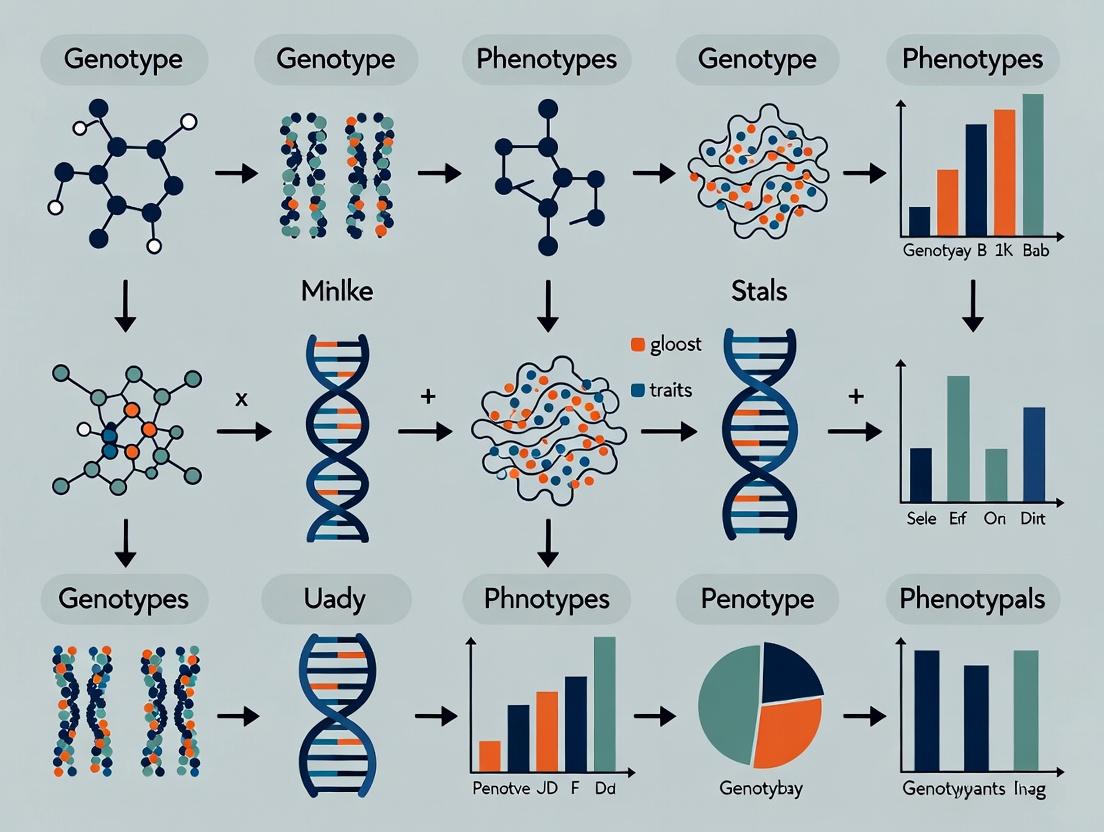
This article provides a comprehensive overview of genotype-phenotype correlations in Mendelian disorders, exploring foundational principles to advanced clinical applications.
From Genotype to Phenotype: Decoding Disease Mechanisms and Clinical Variability in Mendelian Disorders
Abstract
This article provides a comprehensive overview of genotype-phenotype correlations in Mendelian disorders, exploring foundational principles to advanced clinical applications. Targeting researchers and drug development professionals, we examine the molecular basis of genetic disease expression, established and emerging methodologies for establishing correlations, strategies to address challenges like variable expressivity and incomplete penetrance, and frameworks for validating predictive models. We synthesize current knowledge and highlight implications for precision diagnostics, targeted therapy development, and personalized patient management.
Understanding the Blueprint: Core Principles of Genotype-Phenotype Relationships in Monogenic Diseases
Within the study of Mendelian disorders, the fundamental principle of a single mutant allele leading to a predictable phenotype is increasingly challenged by observable clinical reality. This whitepaper explores the spectrum of genotype-phenotype correlations, dissecting the journey from a defined genetic lesion to a complex, variable phenotypic expression. Framed within broader research on Mendelian disease mechanisms, this guide provides a technical foundation for researchers and drug development professionals seeking to understand and navigate this complexity for therapeutic targeting.
The Genotype-Phenotype Disconnect: Key Modulating Factors
While Mendelian disorders are caused by variants in a single gene, the expression of the phenotype is modulated by multiple factors, leading to variable expressivity and incomplete penetrance.
Table 1: Quantitative Data on Phenotypic Modulators in Selected Mendelian Disorders
| Disorder (Gene) | Penetrance Range (%) | Average Age of Onset Variability (Years) | Key Modifier Genes Identified | Proportion of Cases with Non-Classic Phenotype (%) |
|---|---|---|---|---|
| Cystic Fibrosis (CFTR) | 100 (for classic) | N/A (congenital) | SCNN1B, SCNN1G, MBL2 | ~20 (mild/atypical) |
| Huntington's Disease (HTT) | ~100 (by age 80) | 30-50 (CAG repeat-dependent) | MSH3, MLH1, FAN1 | <5 (variant phenotypes) |
| Marfan Syndrome (FBN1) | ~70-100 | 5-60 (cardiovascular features) | TGFBR1, TGFBR2 | Up to 25 |
| Hereditary Hemochromatosis (HFE) | 1-38 (males) | 40-60 | HAMP, HJV, TFR2 | >50 (biochemical only) |
| Neurofibromatosis Type 1 (NF1) | ~100 (by age 8) | 0-10 (café-au-lait spots) | SPRED1, MODIFIER LOCI | High (spectrum of severity) |
Experimental Protocols for Dissecting Complexity
Protocol: CRISPR-Cas9 Engineering of Isogenic Cell Lines with Modifier Variants
Objective: To functionally assess the impact of a candidate genetic modifier on a primary disease-causing mutation. Detailed Methodology:
- Cell Line Selection: Select an appropriate diploid human cell line (e.g., iPSCs, HEK293) harboring the disease-causing mutation of interest.
- gRNA Design: Design two CRISPR single-guide RNAs (sgRNAs):
- sgRNA1: Targets the locus of the candidate modifier gene for knockout or specific SNP introduction.
- sgRNA2: Targets a safe-harbor locus (e.g., AAVS1) for the integration of a wild-type modifier gene cDNA (for rescue/overexpression).
- Ribonucleoprotein (RNP) Complex Formation: Complex purified S. pyogenes Cas9 protein with each sgRNA separately.
- Electroporation: Co-electroporate the target cells with:
- RNP complex for sgRNA1.
- Donor DNA template for HDR-mediated correction or knock-in at the safe-harbor locus (if performing rescue).
- Clonal Selection & Validation: Single-cell sort into 96-well plates. Expand clones for 3-4 weeks. Genotype clones via PCR and Sanger sequencing to confirm:
- Biallelic modification at the modifier locus.
- Correct integration at the safe-harbor locus.
- Retention of the original disease allele.
- Phenotypic Assay: Subject isogenic clones (disease-only vs. disease+modifier knockout) to relevant assays (e.g., protein aggregation, ion transport, pathway signaling).
Protocol: Longitudinal Deep Phenotyping in Model Organisms
Objective: To quantify variable expressivity and identify sub-phenotypes in a controlled genetic background. Detailed Methodology:
- Animal Model: Utilize an inbred mouse strain with a heterozygous knockout or knock-in of the human disease gene ortholog.
- Cohort Design: Generate a large cohort (n>50) of mutant and wild-type littermate controls.
- Multi-Parametric Data Acquisition: At defined intervals (e.g., 4, 8, 12, 16, 20 weeks), perform non-invasive and terminal assays:
- Behavioral: Open field, rotarod, grip strength, cognitive tests.
- Physiological: ECG, echocardiography, metabolic cages.
- Imaging: Micro-CT, MRI, ultrasound.
- Molecular: Serum/plasma multi-omics (proteomics, metabolomics) from longitudinal blood draws.
- Data Integration: Use principal component analysis (PCA) and clustering algorithms (e.g., k-means) on the multi-dimensional dataset to identify distinct phenotypic clusters within the mutant animal population.
- Correlation with Modifiers: Genotype identified modifier loci (e.g., via QTL mapping in outcrossed populations) and correlate alleles with specific phenotypic clusters.
Visualizing Pathways and Workflows
Genotype to Phenotype Modulation
Isogenic Cell Line Workflow
The Scientist's Toolkit: Research Reagent Solutions
Table 2: Essential Reagents for Genotype-Phenotype Correlation Studies
| Item | Function & Application | Example Product/Catalog |
|---|---|---|
| CRISPR-Cas9 Nuclease (RNP Grade) | High-purity Cas9 for robust genome editing with minimal off-target effects when complexed with sgRNA as an RNP. Essential for creating precise isogenic models. | TrueCut Cas9 Protein v2 (Thermo Fisher, A36498) |
| Synthetic sgRNA (Modified) | Chemically modified sgRNA (e.g., 2'-O-methyl analogs) for enhanced stability and reduced immunogenicity in mammalian cells during RNP delivery. | Synthego sgRNA, Custom Modified |
| HDR Donor Template (ssODN or AAV) | Single-stranded oligodeoxynucleotide (ssODN) or AAV vector containing homology arms and the desired edit for precise, template-driven repair. | Ultramer DNA Oligo (IDT) or pAAV-HDR Vector (Addgene) |
| High-Fidelity DNA Polymerase for Genotyping | Polymerase with ultra-low error rate for accurate amplification of genomic regions for Sanger or NGS validation of edits and modifier loci. | Q5 High-Fidelity DNA Polymerase (NEB, M0491) |
| Multi-Plexed Immunoassay Kit | For simultaneous quantification of dozens of proteins (cytokines, growth factors, phospho-proteins) from limited serum/tissue lysate to capture molecular phenotypes. | Luminex Discovery Assay (R&D Systems) or Olink Explore |
| Long-Read Sequencing Kit | Enables phased sequencing to determine cis/trans relationships of variants and detect complex structural variations that act as modifiers. | Oxford Nanopore Ligation Sequencing Kit (SQK-LSK110) |
| Epigenetic Modification Inhibitors/Activators | Small molecules (e.g., DNMT inhibitors, HDAC inhibitors) to experimentally perturb the epigenetic landscape and test its role in phenotypic expression. | 5-Azacytidine (DNMTi), Trichostatin A (HDACi) |
| In Vivo Imaging Agents | Bioluminescent or fluorescent probes (substrates, dyes) for non-invasive, longitudinal tracking of disease-relevant processes (e.g., apoptosis, fibrosis) in model organisms. | IVISense probes (PerkinElmer) or Xenolight dyes |
Within the context of Mendelian disorders research, elucidating the precise molecular link between genotype and phenotype is paramount. The Central Dogma of molecular biology provides the foundational framework: DNA → RNA → protein. Mutations disrupt this flow, leading to aberrant gene function. This whitepaper details the three primary mechanistic classes—loss-of-function (LOF), gain-of-function (GOF), and dominant-negative (DN)—that underpin a vast array of genetic diseases. Understanding these mechanisms is critical for researchers and drug development professionals aiming to develop targeted therapies.
Loss-of-Function (LOF) Mutations
LOF mutations reduce or abolish the activity of a gene product. In haplosufficient genes, this typically leads to recessive disorders, where both alleles must be impaired. For haploinsufficient genes, impairment of a single allele is sufficient to cause a dominant disorder.
Key Experimental Protocol: CRISPR-Cas9 Knockout for LOF Validation
- sgRNA Design: Design single-guide RNAs (sgRNAs) targeting constitutive exons of the gene of interest.
- Vector Construction: Clone sgRNA sequences into a plasmid encoding SpCas9 and a selectable marker (e.g., puromycin resistance).
- Cell Transfection: Introduce the plasmid into a relevant cell line (e.g., patient-derived fibroblasts or an appropriate immortalized line).
- Selection & Cloning: Apply antibiotic selection for 48-72 hours. Single-cell clone isolation is performed by dilution cloning or using FACS.
- Genotype Validation: Extract genomic DNA from clones. Analyze the target locus via T7 Endonuclease I assay or Sanger sequencing followed by decomposition tools (e.g., ICE Analysis by Synthego).
- Phenotype Assessment: Quantify protein loss via western blot (≥70% reduction threshold) and assay relevant functional endpoints (e.g., enzymatic activity, pathway reporter assays).
Quantitative Data: Common LOF Disorders
Table 1: Prevalence and Molecular Characteristics of Select LOF-Driven Mendelian Disorders
| Disorder | Gene | Inheritance | Estimated Allelic Frequency (gnomAD) | Common LOF Variant Type | Functional Consequence |
|---|---|---|---|---|---|
| Cystic Fibrosis | CFTR | Recessive | 0.00036 (p.Phe508del) | Missense (Trafficking) | Abrogated chloride channel localization & function |
| Duchenne Muscular Dystrophy | DMD | X-linked Recessive | 0.00001-0.0001 | Frameshift/Nonsense | Absent dystrophin protein, sarcolemmal instability |
| Familial Hypercholesterolemia | LDLR | Dominant (Haploinsuff.) | 0.0004 | Nonsense, Frameshift, Deletion | Reduced LDL receptor-mediated endocytosis |
Gain-of-Function (GOF) Mutations
GOF mutations confer new or enhanced activity upon a gene product. These are typically dominant and often involve constitutive activation of signaling pathways or toxic aggregate formation.
Key Experimental Protocol: Constitutive Activity Assay for a Kinase GOF Mutant
- Construct Generation: Clone cDNA for wild-type (WT) and mutant (e.g., a common activating missense mutation) kinase into mammalian expression vectors with N-terminal tags (e.g., FLAG, HA).
- Transient Transfection: Co-transfect HEK293T cells with kinase constructs and a pathway-specific reporter plasmid (e.g., Luciferase under an AP-1 or SRE promoter).
- Stimulation & Luciferase Assay: Serum-starve cells for 24h post-transfection. Divide plates: treat one set with ligand/agonist, keep another set unstimulated. Perform luciferase assay after 6-8h.
- Phospho-Substrate Analysis: In parallel, lyse transfected cells and perform western blot for phosphorylated downstream substrates (e.g., p-ERK1/2, p-STAT3) and total protein.
- Data Interpretation: GOF mutants show significant reporter activity and substrate phosphorylation in the absence of stimulation, compared to WT which is quiescent until stimulated.
Dominant-Negative (DN) Mutations
DN mutant subunits disrupt the activity of the wild-type gene product within a multimeric complex (protein-protein interaction, receptor dimer, etc.). The mutant "poisons" the complex, often leading to more severe effects than simple haploinsufficiency.
Key Experimental Protocol: Co-immunoprecipitation for DN Interference
- Differentially Tagged Co-expression: Co-transfect cells with plasmids encoding:
- WT Gene: Tagged with HA.
- DN Mutant: Tagged with FLAG.
- Critical Interacting Partner (Optional): Tagged with Myc.
- Cell Lysis & Immunoprecipitation (IP): Lyse cells in non-denaturing buffer (e.g., RIPA + protease inhibitors). Incubate lysate with anti-FLAG M2 affinity gel.
- Wash & Elution: Wash beads stringently. Elute bound proteins with 3xFLAG peptide or SDS sample buffer.
- Analysis: Run input (total lysate) and IP eluates on SDS-PAGE. Perform western blot sequentially for HA, FLAG, and Myc tags.
- Interpretation: A DN mutant will co-precipitate the WT (HA-tagged) protein and/or the interacting partner (Myc) but will show reduced or absent functional output in activity assays of the IP complex.
Quantitative Data: Comparison of Mutation Mechanisms
Table 2: Functional and Therapeutic Implications of Mutation Classes
| Mechanism | Typical Zygosity | Molecular Outcome | Key Therapeutic Strategy Example |
|---|---|---|---|
| Loss-of-Function | Recessive or Dominant | Reduced/absent protein activity | Gene replacement, mRNA therapy, read-through agents |
| Gain-of-Function | Dominant | Constitutive/novel activity | Small-molecule inhibitors, allosteric modulators |
| Dominant-Negative | Dominant | Disruption of multimeric complex function | Oligonucleotide-mediated allele suppression, protein stabilizers |
The Scientist's Toolkit: Research Reagent Solutions
Table 3: Essential Reagents for Investigating Mutation Mechanisms
| Item | Function & Application |
|---|---|
| CRISPR-Cas9 Knockout Kits (e.g., Synthego, IDT) | Pre-designed ribonucleoprotein (RNP) complexes for efficient, high-specificity gene knockout to model LOF. |
| Site-Directed Mutagenesis Kits (e.g., Q5, NEB) | Rapid generation of precise point mutations (GOF, DN) in plasmid DNA for functional studies. |
| Pathway Reporter Lentiviral Particles (e.g., Cignal, Qiagen) | Ready-to-use viral particles with luciferase or GFP reporters for key pathways (NF-κB, MAPK/ERK, etc.) to assay GOF. |
| Tandem Affinity Purification (TAP) Tag Systems | For isolating multi-protein complexes to study the impact of DN mutants on interactome composition. |
| Proteasome Inhibitors (e.g., MG-132, Bortezomib) | To stabilize mutant or WT proteins and assess degradation kinetics or complex assembly. |
| Phospho-Specific Antibody Panels | To map signaling pathway activation states resulting from GOF or inhibition from DN effects. |
Visualizing Mutational Impact on Signaling Pathways
In the study of Mendelian disorders, establishing clear genotype-phenotype correlations is a fundamental goal. However, the clinical presentation of even monogenic conditions is rarely uniform. This phenotypic variability among individuals carrying the same pathogenic variant poses significant challenges for prognosis, genetic counseling, and therapeutic development. Three core genetic concepts—penetrance, expressivity, and modifier genes—are critical to understanding and dissecting this variability. This whitepaper provides a technical guide to these determinants, their measurement, and their implications for research.
Core Definitions and Quantitative Frameworks
Penetrance is the proportion of individuals with a specific genotype who exhibit any detectable phenotypic expression of the associated trait. It is a population-level, binary measure (affected vs. unaffected). Expressivity describes the range or severity of phenotypic manifestations among individuals with the same genotype who exhibit the trait. It is an individual-level, often continuous measure.
Table 1: Representative Examples of Variable Penetrance and Expressivity in Mendelian Disorders
| Gene/Disorder | Typical Penetrance | Variable Expressivity Manifestations | Key Modifier Genes/Loci (Examples) |
|---|---|---|---|
| HTT (Huntington's Disease) | ~100% by age 80 | Age of onset (juvenile to late adult), predominance of motor vs. psychiatric symptoms | Genetic modifiers of age of onset identified on chromosomes 8, 15, and 3 via GWAS. |
| NF1 (Neurofibromatosis Type 1) | ~100% | Number and size of neurofibromas, presence of optic pathway glioma, skeletal abnormalities | Genes in the melanocortin pathway affecting café-au-lait spot count. |
| BRCA1 (Hereditary Breast/Ovarian Cancer) | 55-72% (by age 70-80) | Age of cancer onset, type of primary cancer (breast vs. ovarian) | Modifiers in RAD51, MRN complex genes, and hormonal pathway genes. |
| CFTR (Cystic Fibrosis) | Near 100% for classic CF | Lung function decline, pancreatic sufficiency/in sufficiency, meconium ileus | SLC26A9, MBL2, TCF7L2 influencing pulmonary and metabolic severity. |
Experimental Protocols for Measurement and Discovery
Protocol A: Calculating Penetrance in Cohort Studies
Objective: To estimate the penetrance of a specific variant in a population.
- Cohort Ascertainment: Identify a proband-independent cohort of individuals genotyped as heterozygous (for dominant conditions) or homozygous/compound heterozygous (for recessive conditions) for the variant. Population biobanks or large familial studies are ideal sources.
- Phenotypic Assessment: Apply standardized, rigorous clinical criteria to classify each genotype-positive individual as "affected" or "unaffected." Blinding to genotype status is critical.
- Statistical Analysis: Calculate penetrance (P) as: P = (Number of affected genotype-positive individuals / Total number of genotype-positive individuals). Report with 95% confidence intervals (e.g., using Wilson score interval). Age-dependent penetrance can be modeled using Kaplan-Meier survival analysis with age at onset as the endpoint.
Protocol B: Quantifying Variable Expressivity
Objective: To systematically measure the spectrum of phenotypic features in a genotyped cohort.
- Define Quantitative Traits: Identify continuous or ordinal measures of disease severity (e.g., forced expiratory volume in 1 second [FEV1%] for CF, tumor burden for NF1, age of onset for Huntington's).
- Deep Phenotyping: Collect extensive clinical data using validated scoring systems (e.g., CF Clinical Score, NIH NF1 Severity Score).
- Analysis: For a single genotype cohort, describe expressivity using mean, standard deviation, and full range of severity scores. Compare expressivity between different variant subclasses (e.g., missense vs. truncating) using ANOVA or non-parametric tests.
Protocol C: Identifying Genetic Modifiers via Genome-Wide Association Study (GWAS)
Objective: To discover genetic variants that modify the phenotype of a Mendelian disorder.
- Study Design: Recruit a large, homogenous cohort of patients all carrying the same primary Mendelian mutation.
- Phenotype Stratification: Use a key quantitative expressivity trait (from Protocol B) as the primary outcome variable (e.g., age of onset, FEV1%).
- Genotyping & Imputation: Perform genome-wide SNP genotyping and impute to a reference panel for dense genomic coverage.
- Association Analysis: Conduct a linear (or logistic) regression for the phenotype against each SNP's dosage, adjusting for relevant covariates (age, sex, population principal components). A significance threshold of p < 5 × 10⁻⁸ is standard.
- Validation: Replicate significant associations in an independent cohort. Functional validation follows via in vitro or model organism studies.
Visualization of Concepts and Workflows
Title: Modifier Genes and Environment Shape Phenotypic Outcome
Title: GWAS Workflow for Modifier Gene Discovery
The Scientist's Toolkit: Key Research Reagent Solutions
Table 2: Essential Reagents and Resources for Investigating Phenotypic Variability
| Reagent/Resource | Function in Research | Example/Supplier |
|---|---|---|
| Isogenic iPSC Lines | Provides a genetically identical background to study the effects of specific modifier alleles or the primary mutation in vitro. Created via CRISPR-Cas9 editing of wild-type or patient iPSCs. | Available from repositories like ATCC or Coriell; custom generation via genome editing services. |
| CRISPR-Cas9 Screening Libraries | Enables genome-wide knockout or activation screens in cellular models of a disease to identify genetic modifiers that alter a phenotypic readout (e.g., cell survival, reporter expression). | Brunello (knockout) or SAM (activation) libraries from Addgene. |
| SNP Microarray or WGS Kits | For genotyping patients in modifier discovery studies. Whole Genome Sequencing (WGS) provides the most comprehensive variant data. | Illumina Infinium Global Screening Array, Illumina NovaSeq, or PacBio HiFi kits for WGS. |
| Validated Phenotypic Assay Kits | To reliably quantify disease-relevant cellular expressivity traits (e.g., mitochondrial stress, apoptosis, specific pathway activity). | Seahorse XF kits for metabolism, Caspase-Glo assays for apoptosis (Promega). |
| Genetically Defined Mouse Models | In vivo systems to validate modifier genes by crossing a Mendelian disease model with strains carrying modifier alleles or using AAV-mediated gene manipulation. | Jackson Laboratory (e.g., Nf1 mutant mice on different genetic backgrounds). |
Within the study of Mendelian disorders, cystic fibrosis (CF) and sickle cell disease (SCD) stand as quintessential models for understanding genotype-phenotype correlations. Both are monogenic, recessive disorders where a spectrum of mutant alleles in a single gene (CFTR and HBB, respectively) produces a range of clinical manifestations. This whitepaper delves into the molecular paradigms established by these diseases, focusing on the mechanistic link between genetic lesion, protein dysfunction, and clinical phenotype, and their implications for targeted therapy development.
Molecular Pathogenesis and Phenotypic Spectra
Cystic Fibrosis: CFTR Protein Dysfunction Classes
Mutations in the CFTR gene, encoding a cAMP-regulated chloride and bicarbonate channel, disrupt epithelial fluid transport. Over 2,000 variants are categorized by their effect on protein biogenesis and function, directly correlating with disease severity.
Table 1: CFTR Mutation Classes and Phenotypic Correlation
| Class | Molecular Consequence | Example Allele | Protein Defect | Therapeutic Strategy |
|---|---|---|---|---|
| I | Production Defect | G542X, R553X | Nonsense-mediated decay, no protein | Read-through agents (e.g., Ataluren) |
| II | Processing/ Trafficking Defect | F508del (ΔF508) | Misfolding, ER retention, degraded | Correctors (e.g., Lumacaftor, Tezacaftor) |
| III | Gating Defect | G551D | Channel fails to open despite surface localization | Potentiators (e.g., Ivacaftor) |
| IV | Conductance Defect | R117H | Reduced chloride ion flow through open channel | Potentiators / High-efficacy modulators |
| V | Reduced Synthesis | 3849+10kb C→T | Reduced functional CFTR at membrane | Amplifiers (in development) |
Sickle Cell Disease: HBB Polymerization Pathophysiology
SCD is caused by a homozygous missense mutation (HbS, Glu6Val) in the β-globin gene (HBB). Deoxygenation induces polymerization of hemoglobin S, distorting red blood cells into a sickle shape.
Table 2: Key Quantitative Parameters in Sickle Cell Disease Pathogenesis
| Parameter | Normal (HbAA) | Sickle Cell (HbSS) | Pathogenic Impact |
|---|---|---|---|
| Hemoglobin Solubility (Deoxy state) | High | Very Low | Primary driver of polymerization |
| Polymerization Delay Time | N/A | Milliseconds to seconds | Determines vaso-occlusion frequency |
| Red Cell Lifespan | ~120 days | ~10-20 days | Chronic hemolytic anemia |
| Fetal Hemoglobin (HbF) Level | <1% | Variable (2-40%) | Major modulator of disease severity |
Key Experimental Protocols
Protocol: Assessing CFTR Function Using USsing Chamber Assay
- Objective: To quantitatively measure CFTR-mediated chloride transport across a polarized epithelial monolayer.
- Materials: Cultured bronchial or intestinal epithelial cells (e.g., F508del/F508del primary HBE cells), USsing chamber system, electrodes.
- Methodology:
- Grow cells on permeable filter supports until fully polarized and with high transepithelial electrical resistance (TEER > 500 Ω·cm²).
- Mount the filter in the USsing chamber, bathe both sides with warmed, oxygenated Ringer's solution.
- Under short-circuit conditions, sequentially add: a. Amiloride (10 µM) – to block epithelial sodium channels (ENaC). b. Forskolin (10 µM) – to elevate intracellular cAMP and activate CFTR. c. CFTRinh-172 (10 µM) – a specific CFTR inhibitor.
- The change in short-circuit current (ΔI_sc) after forskolin addition, which is reversed by CFTRinh-172, represents CFTR-dependent chloride secretion.
- Data Analysis: ΔI_sc is normalized to membrane surface area. Responses from patient-derived cells treated with correctors/potentiators are compared to untreated controls.
Protocol:In VitroHemoglobin S Polymerization Kinetics
- Objective: To characterize the delay time prior to HbS polymer formation, a key determinant of disease severity.
- Materials: Purified HbS, phosphate buffer, sodium dithionite (reducing agent), spectrophotometer with temperature control.
- Methodology:
- Prepare a concentrated HbS solution (>20 g/dL) in 0.1 M phosphate buffer, pH 7.35.
- Add sodium dithionite to a final concentration of 0.1 M to rapidly deoxygenate the solution.
- Immediately transfer the solution to a cuvette in a spectrophotometer pre-warmed to 37°C.
- Monitor absorbance at 700 nm (turbidity) over time.
- Data Analysis: The delay time (Td) is defined as the time from deoxygenation to the onset of rapid increase in turbidity. Td is inversely proportional to the 30th-40th power of HbS concentration, highlighting the extreme sensitivity to intracellular HbS levels.
Visualization of Key Pathways and Workflows
CFTR Biogenesis and Therapeutic Targeting
Sickle Cell Pathophysiology Cascade
The Scientist's Toolkit: Key Research Reagent Solutions
Table 3: Essential Research Reagents for CF and SCD Studies
| Reagent / Material | Function / Application | Example Product/Catalog |
|---|---|---|
| Primary Human Bronchial Epithelial (HBE) Cells | Gold-standard in vitro model for CFTR studies; maintain innate polarization and ion transport. | Available from tissue banks (e.g., UNC CF Center). Cultured in ALI conditions. |
| CFTR Modulator Compounds | Small molecule correctors and potentiators for mechanistic rescue experiments. | Ivacaftor (Selleckchem S1144), Lumacaftor (Selleckchem S2187), Elexacaftor (MedChemExpress). |
| FRET-based CFTR Halide Sensors (e.g., YFP-H148Q/I152L) | Live-cell, high-throughput measurement of CFTR channel activity via fluorescence quenching. | Transfected plasmid; used in plate reader assays. |
| Purified Hemoglobin S | Essential substrate for in vitro polymerization kinetics and structural studies. | HbS purified from patient blood or recombinant expression (e.g., Sigma-Aldrich H0262). |
| Hypoxia Chambers / Glove Boxes | For controlled deoxygenation of HbS solutions or sickle red cell suspensions. | Coy Laboratory Products, Baker Ruskinn. |
| Anti-γ-globin Antibodies | Quantification of HbF at protein level in red cells via FACS or ELISA. | PerkinElmer (HbF Flow Kit), Santa Cruz Biotechnology (sc-21756). |
| CRISPR-Cas9 Gene Editing Systems | Isogenic cell line generation (e.g., introducing F508del into CFTR in a parental line). | Lentiviral or ribonucleoprotein delivery of guide RNAs and Cas9. |
| Transepithelial Electrical Resistance (TEER) Meter | Assess integrity and polarization of epithelial monolayers for USsing assays. | EVOM3 (World Precision Instruments). |
The Role of Genetic Background and Environmental Influences
Within the paradigm of genotype-phenotype correlations in Mendelian disorders research, the once presumed deterministic relationship between a pathogenic variant and a clinical outcome is now understood to be modulated by critical factors. This whitepaper provides an in-depth technical analysis of the two principal modulators: genetic background (the entirety of an individual's genomic sequence beyond the primary Mendelian locus) and environmental influences (external and internal exposures experienced pre- and post-natally). Their interplay dictates expressivity, penetrance, and disease progression, presenting both challenges for clinical prognostication and opportunities for therapeutic intervention.
Quantifying Modifier Effects: Key Data
The impact of genetic and environmental modifiers can be quantified through epidemiological studies, cohort analyses, and model organism research. The following tables summarize key quantitative findings.
Table 1: Documented Effects of Genetic Modifiers in Selected Mendelian Disorders
| Disorder (Primary Gene) | Modifier Gene | Effect on Phenotype | Study Size (n) | Quantitative Measure of Effect |
|---|---|---|---|---|
| Cystic Fibrosis (CFTR) | SLC26A9 | Lung function severity | 3,200 patients | Risk allele associated with 4.7% lower FEV1 (p=2×10⁻⁶) |
| Hirschsprung Disease (RET) | NRG1 | Disease penetrance & length of aganglionosis | 1,450 trios | OR for association = 1.7 (95% CI: 1.3-2.2) |
| Sickle Cell Anemia (HBB) | BCL11A | Fetal hemoglobin (HbF) level | 2,100 patients | Specific alleles explain ~15% of HbF variance |
| Transthyretin Amyloidosis (TTR) | RBP4 | Age of onset | 1,540 carriers | Associated with 10-year earlier onset (p=0.002) |
Table 2: Documented Effects of Environmental Modifiers in Selected Mendelian Disorders
| Disorder | Environmental Factor | Effect on Phenotype | Study Design | Quantitative Measure of Effect |
|---|---|---|---|---|
| Phenylketonuria (PAH) | Dietary Phe Intake | Cognitive Outcome | Longitudinal Cohort | Blood Phe >360 µmol/L correlates with -2.5 IQ point/year in children |
| Alpha-1 Antitrypsin Deficiency (SERPINA1) | Cigarette Smoke | Emphysema Onset & Mortality | Case-Control | Smoking reduces lifespan by ~20 years vs. non-smoking ZZ individuals |
| G6PD Deficiency (G6PD) | Fava Bean Consumption | Acute Hemolysis | Pharmacovigilance | ~40% of male hemizygotes exposed develop clinically significant hemolysis |
| Long QT Syndrome (KCNQ1, etc.) | Stress/Catecholamines | Arrhythmic Event | Retrospective Analysis | >60% of lethal cardiac events triggered by acute stress or exertion |
Experimental Protocols for Investigating Modifiers
Protocol 1: Genome-Wide Modifier Screen in a Mouse Model
- Objective: Identify quantitative trait loci (QTLs) that modify the severity of a Mendelian phenotype.
- Methodology:
- Cross a congenic mouse strain carrying a defined pathogenic mutation (on a C57BL/6J background) with a phenotypically divergent strain (e.g., A/J or CAST/EiJ).
- Generate an F2 intercross or backcross population segregating for both the mutation and the genetic backgrounds.
- Phenotype all offspring for quantitative disease traits (e.g., histological score, biomarker level, functional assay).
- Perform genotype-by-sequencing or SNP microarray analysis on all progeny.
- Conduct QTL mapping using software (e.g., R/qtl2). Link genotype data with phenotypic data to identify genomic regions statistically associated with phenotypic variance.
- Use bioinformatic tools to prioritize candidate modifier genes within significant QTL intervals.
Protocol 2: Controlled Environmental Exposure in a Cellular Model
- Objective: Determine the dose-response effect of a specific environmental agent on the molecular phenotype of patient-derived cells.
- Methodology:
- Generate induced pluripotent stem cells (iPSCs) from patients with a defined Mendelian mutation and isogenic CRISPR-corrected controls.
- Differentiate iPSCs into relevant disease cell types (e.g., neurons, cardiomyocytes, hepatocytes).
- Treat cells with a gradient of the environmental agent (e.g., reactive oxygen species inducer, pharmacological chaperone, nutrient stressor). Include vehicle controls.
- Assay outcome measures at multiple time points: cell viability (MTT assay), functional rescue (e.g., enzyme activity, channel function), and transcriptional responses (RNA-seq).
- Perform dose-response curve fitting (e.g., using a 4-parameter logistic model) to calculate EC₅₀/IC₅₀ values. Integrate multi-omics data to define pathway-specific sensitivity.
Visualizing Modifier Pathways and Workflows
Diagram 1: Genetic & Environmental Modifier Integration
Diagram 2: Modifier Research Workflow
The Scientist's Toolkit: Research Reagent Solutions
| Item | Function & Application in Modifier Studies |
|---|---|
| Isogenic iPSC Paired Lines | Patient-derived and CRISPR-corrected iPSCs provide a genetically controlled system to isolate the effect of the primary mutation and test modifier candidates or environmental factors. |
| Panoramix GWAS SNP Array | High-density SNP arrays enable genome-wide genotyping for linkage and association studies in human cohorts or advanced intercross animal models. |
| CRISPR Activation/Inhibition Libraries | Genome-wide or pathway-focused CRISPRa/i screens in disease-relevant cell types can identify genetic modifiers that suppress or exacerbate the primary cellular phenotype. |
| HaloTag-Knockin Alleles | Endogenous tagging of the disease-associated protein in model systems allows for precise quantification of protein turnover, localization, and interactions under different stress conditions. |
| Inducible Cas9; gRNA Mouse Models | Enables spatially and temporally controlled mutagenesis of candidate modifier genes in the context of a whole-organism Mendelian disease model. |
| Metabolite/Ligand Libraries | Curated collections of bioactive small molecules, nutrients, and metabolites for high-throughput screening of environmental influences on disease phenotypes in cellular models. |
| SomaScan Proteomic Platform | Aptamer-based assay measuring ~7,000 human proteins facilitates the discovery of modifier-induced changes in circulating biomarkers, signaling pathways, and disease states. |
Mapping Mutation to Manifestation: Tools and Strategies for Establishing Clinically Actionable Correlations
High-Throughput Genotyping and Next-Generation Sequencing as Discovery Engines
The central challenge in Mendelian disorder research is establishing definitive causal links between genomic variation and clinical phenotype. High-throughput genotyping (HTG) and next-generation sequencing (NGS) have evolved from complementary to integrated discovery engines, enabling the systematic dissection of these correlations. HTG provides cost-effective, population-scale screening for known variants, while NGS allows for hypothesis-free interrogation of the entire genome. Together, they form a pipeline for moving from locus discovery to pathogenic variant identification, fundamentally accelerating the pace of gene discovery and therapeutic target identification.
Core Technologies: Mechanisms and Applications
High-Throughput Genotyping
HTG utilizes microarray technology to assay hundreds of thousands to millions of pre-defined single nucleotide polymorphisms (SNPs) or copy number variations (CNVs) across an individual's genome simultaneously.
Key Protocol: Genome-Wide Association Study (GWAS) for Mendelian Disorders Locus Discovery
- Cohort Selection: Recruit well-phenotyped case (affected individuals/families) and control cohorts. For rare disorders, use family-based trios or multiplex pedigrees.
- DNA Isolation & Quantification: Use standardized kits (e.g., Qiagen PureGene, Agencourt DNAdvance) to extract high-quality DNA. Quantify via fluorometry (e.g., Qubit).
- Genotyping Array Processing: Hybridize fragmented, fluorescently labeled DNA to array (e.g., Illumina Infinium, Affymetrix Axiom). Follow manufacturer's protocol for amplification, hybridization, staining, and scanning.
- Data Analysis Pipeline:
- Image Processing: Convert scan images to intensity data (.idat files for Illumina).
- Genotype Calling: Use platform-specific software (e.g., Illumina GenomeStudio, Affymetrix Power Tools) to assign genotypes.
- Quality Control (QC): Filter samples based on call rate (<98% excluded), gender mismatch, and heterozygosity outliers. Filter SNPs based on call rate (<95%), minor allele frequency (MAF >1% for common variant analysis), and Hardy-Weinberg equilibrium (p > 1x10^-6 in controls).
- Association Testing: Perform logistic/linear regression for case-control or transmission disequilibrium test (TDT) for family-based designs, adjusting for population stratification (using principal components analysis).
- CNV Detection: Use algorithms (e.g., PennCNV, QuantiSNP) to identify large deletions/duplications from genotyping intensity (Log R Ratio) and allelic intensity (B Allele Frequency) data.
Next-Generation Sequencing
NGS involves massively parallel sequencing of clonally amplified or single DNA molecules, generating millions of short reads that are computationally aligned to a reference genome.
Key Protocol: Exome/Genome Sequencing for Causal Variant Identification
- Library Preparation: Fragment genomic DNA (e.g., via sonication), end-repair, A-tail, and ligate with platform-specific adapters (e.g., Illumina TruSeq).
- Target Enrichment (for Exome Sequencing): Hybridize library to biotinylated probes complementary to the exonic regions (e.g., using IDT xGen, Roche NimbleGen SeqCap EZ kits). Capture with streptavidin beads.
- Sequencing: Load library onto flow cell (Illumina) or chip (Ion Torrent) for cluster generation and cyclic sequencing-by-synthesis.
- Data Analysis Pipeline (GATK Best Practices Workflow):
- Base Calling & Demultiplexing: Convert raw signals to sequence reads (FASTQ).
- Alignment: Map reads to reference genome (hg38) using aligners like BWA-MEM or Bowtie2, outputting BAM files.
- Post-Alignment Processing: Mark duplicates (Picard), perform local realignment around indels, and recalibrate base quality scores (GATK).
- Variant Calling: Call SNVs and small indels (GATK HaplotypeCaller), structural variants (Manta, DELLY), and CNVs (CANOES, ExomeDepth).
- Variant Annotation & Prioritization: Use tools (ANNOVAR, SnpEff, VEP) to annotate functional impact. Prioritize based on: (i) segregation (de novo, recessive, dominant models), (ii) population frequency (gnomAD allele frequency <0.1% for ultra-rare disorders), (iii) predicted pathogenicity (CADD, REVEL, SpliceAI scores), and (iv) gene constraint (pLI score).
Integrated Workflow for Discovery
Diagram 1: Integrated HTG and NGS Discovery Workflow (100 chars)
Table 1: Comparative Output of HTG and NGS Platforms in Mendelian Research
| Metric | High-Throughput Genotyping (e.g., Illumina GSA) | Whole Exome Sequencing (WES) | Whole Genome Sequencing (WGS) |
|---|---|---|---|
| Variants Interrogated | Pre-defined SNPs/CNVs (~700K – 5M) | All exonic regions (~1-2% of genome) | Entire genome (~99%) |
| Typical Coverage | N/A (Direct assay) | 80x - 100x mean depth | 30x - 50x mean depth |
| Variant Yield per Sample | ~500K – 5M genotypes | ~20,000 - 30,000 SNVs/Indels | ~3 - 5 million SNVs/Indels |
| CNV Detection | Large, common CNVs (≥50 kb) | Intermediate CNVs (Exome: ≥10 kb) | Highest resolution CNVs (≥1 kb) |
| Primary Strength | Population screening, linkage, GWAS | Cost-effective coding variant discovery | Comprehensive (coding, non-coding, SVs) |
| Key Limitation | Blind to novel/unassayed variants | Misses non-coding & structural variants | Higher cost, complex data interpretation |
| Approx. Cost per Sample (USD) | $50 - $150 | $500 - $1,000 | $1,000 - $2,500 |
Table 2: Variant Prioritization Filters in Mendelian NGS Analysis
| Filter | Typical Threshold | Rationale | Common Data Source |
|---|---|---|---|
| Population Frequency | Allele Frequency (AF) < 0.1% (0.001) | Mendelian disorders are caused by rare variants. | gnomAD, 1000 Genomes |
| Inheritance Model | Matches pedigree (De novo, Recessive, Dominant) | Filters variants based on expected segregation. | Pedigree analysis |
| Variant Consequence | Missense, Nonsense, Frameshift, Splice-site | Prioritizes protein-altering events. | VEP, SnpEff annotation |
| Pathogenicity Prediction | CADD > 20-30; REVEL > 0.7 | Computational scores predicting deleteriousness. | CADD, REVEL, SIFT, PolyPhen |
| Gene Constraint | pLI ≥ 0.9 (LoF intolerant) | Genes less tolerant of variation are stronger candidates. | gnomAD constraint metrics |
The Scientist's Toolkit: Essential Research Reagents & Materials
Table 3: Key Research Reagent Solutions for HTG & NGS Workflows
| Item | Function | Example Product(s) |
|---|---|---|
| Nucleic Acid Isolation Kits | High-purity, high-molecular-weight DNA extraction from blood, saliva, or tissue. | Qiagen DNeasy Blood & Tissue Kit, Promega ReliaPrep, Agencourt DNAdvance. |
| DNA Quantitation Kits | Accurate fluorometric quantification critical for library preparation input. | Invitrogen Qubit dsDNA HS/BR Assay, Quant-iT PicoGreen. |
| Genotyping Microarrays | Pre-designed arrays for genome-wide SNP and CNV profiling. | Illumina Global Screening Array (GSA), Infinium Omni5, Affymetrix Axiom Precision Medicine Array. |
| NGS Library Prep Kits | Fragmentation, end-prep, adapter ligation, and PCR amplification for sequencing. | Illumina DNA Prep, KAPA HyperPrep, Swift Accel-NGS. |
| Exome Enrichment Kits | Probe-based capture of human exonic regions from a genomic DNA library. | IDT xGen Exome Research Panel, Roche NimbleGen SeqCap EZ MedExome, Illumina Nexome. |
| Hybridization & Wash Buffers | For target capture during exome sequencing; crucial for specificity and uniformity. | Included in capture kits; IDT xGen Hybridization & Wash Kit. |
| Indexing Primers (Barcodes) | Unique dual indices for multiplexing samples on a single sequencing run. | Illumina CD Indexes, IDT for Illumina UD Indexes. |
| Sequence Capture Beads | Streptavidin-coated magnetic beads for binding biotinylated probe-target complexes. | Dynabeads MyOne Streptavidin C1, Beckman Coulter AMPure SPRI beads. |
| Variant Validation Reagents | PCR primers and Sanger sequencing reagents for orthogonal confirmation of NGS variants. | Thermo Fisher Scientific BigDye Terminator v3.1, standard Taq polymerase. |
Advanced Integrative Analysis & Pathway Mapping
Diagram 2: From Variant to Disease Mechanism Hypothesis (99 chars)
The synergistic application of high-throughput genotyping and next-generation sequencing represents the cornerstone of modern discovery in Mendelian genetics. HTG efficiently narrows genomic loci through linkage and association, while NGS pinpoints the precise molecular lesion. The rigorous experimental protocols, integrated data analysis pipelines, and specialized reagents detailed herein provide a framework for robust genotype-phenotype correlation. This continuous discovery engine not only elucidates the molecular etiology of rare diseases but also illuminates fundamental biological pathways, directly informing targeted drug development and personalized therapeutic strategies.
In the research of Mendelian disorders, establishing robust genotype-phenotype correlations is a fundamental objective. It bridges the gap between molecular genetics and clinical medicine, enabling precise diagnosis, prognosis, and targeted therapeutic development. This process requires the systematic aggregation, curation, and interpretation of data from globally dispersed sources. Three pivotal public databases—ClinVar, OMIM, and the Leiden Open Variation Database (LOVD)—serve as the cornerstone repositories for this endeavor. This technical guide provides an in-depth analysis of these resources, detailing methodologies for their integrated use in correlation curation within a contemporary research framework.
Each database has a distinct scope and curation model, complementing the others to provide a multi-faceted view of genetic variation and disease.
Table 1: Core Characteristics of ClinVar, OMIM, and LOVD
| Feature | ClinVar (NCBI) | OMIM (Johns Hopkins) | LOVD (Global Consortium) |
|---|---|---|---|
| Primary Focus | Aggregate submissions of clinical significance of variants. | Curated knowledge on human genes and genetic phenotypes (Mendelian traits). | Gene-centered collection of individual genetic variants. |
| Curation Model | Submitter-driven (labs, clinics, consortia) with expert review. | Manual literature curation by scientific editors. | Community-submitted, often by diagnostic labs or research groups. |
| Key Content | Variant-level assertions (Pathogenic, VUS, etc.), supporting evidence. | Gene descriptions, phenotypic summaries, allelic variants (historical focus). | Detailed variant observations, patient data (often anonymized). |
| Phenotype Data | Linked via conditions/diseases; can be granular or broad. | Deep, textual phenotypic descriptions integrated with genetics. | Often includes detailed patient-level phenotype information. |
| Strengths | Standardized clinical interpretations, versioned submissions, large scale. | Authoritative synthesis of gene-disease relationships, historical context. | High granularity of variant and patient data, flexible structure. |
Recent search data (2023-2024) indicates continued exponential growth. As of early 2024, ClinVar hosts over 2.3 million unique variant submissions, with contributions from over 1,400 submitters. OMIM contains entries for over 16,000 genes and 7,000 phenotypic descriptions. The global LOVD instance aggregates data from over 159,000 individual patients spanning more than 6,000 genes.
Integrated Curation Workflow for Correlation Analysis
The following protocol outlines a systematic approach for leveraging these databases to curate and validate genotype-phenotype correlations.
Protocol 1: Multi-Database Evidence Aggregation for a Candidate Gene
Objective: To compile all available genetic and phenotypic evidence for a gene (e.g., MYH7) associated with Mendelian disorders (e.g., hypertrophic cardiomyopathy).
Materials & Reagents:
- Computational Infrastructure: Secure workstation with high-speed internet.
- API Tools: NCBI E-utilities API, LOVD API v3, BioPython or equivalent package.
- Data Management: Local database (e.g., SQLite, PostgreSQL) or spreadsheet software with advanced filtering.
- Analysis Tools: Variant Effect Predictor (VEP), Alamut Visual (or similar for annotation).
Procedure:
- Gene-Disease Framework (OMIM): Query OMIM for the gene symbol. Extract the canonical phenotype descriptions, inheritance patterns, and known allelic variants. Note the MIM numbers for the gene and associated phenotypes. This establishes the clinical and biological framework.
- Variant and Assertion Collection (ClinVar): Use the ClinVar gene-specific XML or API query to download all variant records for the gene. Filter for variants with asserted clinical significance (
clinical_significanceattribute). Tabulate variant identifiers (RSID, HGVS), assertion, review status (number of stars), submitter, and linked phenotype. - Patient-Level Data Retrieval (LOVD): Access the global LOVD or a disease-specific LOVD instance. Search for the gene and export all public variant entries. Extract patient-level data where available: zygosity, phenotype details (using HPO terms if present), and segregation data.
- Data Harmonization: Map all phenotypic terms from the three sources to Human Phenotype Ontology (HPO) IDs to enable comparison. Standardize variant representations to HGVS nomenclature.
- Evidence Synthesis: Create a master correlation table. For each distinct variant, list:
- Genomic coordinates and HGVS names.
- Predicted molecular consequence.
- Clinical assertions from ClinVar (noting conflicts).
- Associated phenotypes from OMIM and patient details from LOVD.
- Frequency data from population databases (gnomAD) retrieved via parallel query.
- Validation and Conflict Resolution: Identify variants with discordant interpretations in ClinVar. Examine the underlying evidence (number of submitters, review status). Cross-reference with detailed LOVD patient data and the phenotypic spectrum in OMIM to assess plausibility.
Protocol 2: Phenotype-First Expansion of a Disease Locus
Objective: To identify novel or rare genes associated with a defined phenotypic spectrum (e.g., "hereditary spastic paraplegia") by analyzing variant patterns across databases.
Procedure:
- Phenotype Definition: Define the core phenotype using a set of HPO terms (e.g., HP:0001259, Spastic paraplegia).
- Candidate Gene Identification (OMIM): Perform an OMIM search for the phenotypic terms to retrieve an initial set of known causative genes.
- Variant Burden Analysis (ClinVar & LOVD): For each candidate gene, quantify the number of unique (likely) pathogenic variants reported in ClinVar and the number of independent patients reported in LOVD with the matching HPO terms.
- Statistical Enrichment: Compare variant/patient counts across genes to identify those with the highest burden of evidence for the phenotype. Genes with high variant counts but previously weak association may be prioritized for further study.
- Pathway Analysis: Use the gene list to interrogate protein-protein interaction databases (e.g., STRING) to identify enriched biological pathways, potentially revealing new candidate genes within the same pathways.
Visualization of the Integrated Curation Workflow
Diagram 1: Integrated Curation Workflow
The Scientist's Toolkit: Research Reagent Solutions
Table 2: Essential Tools for Database-Driven Correlation Research
| Item | Function in Correlation Curation |
|---|---|
| NCBI E-utilities / ClinVar API | Programmatic access to download bulk variant data and metadata from ClinVar and related NCBI databases. |
| LOVD API (v3) | Allows automated querying of LOVD instances to retrieve variant and patient data in JSON format for integration into local pipelines. |
| Human Phenotype Ontology (HPO) | Standardized vocabulary for phenotypic abnormalities; critical for harmonizing phenotype descriptions across databases. |
| Variant Effect Predictor (VEP) | Annotates genomic variants with consequences (missense, nonsense, splicing) and predicted pathogenicity scores (e.g., CADD, SIFT). |
| Local Curation Database (SQL) | Essential for storing, linking, and querying the aggregated data from multiple sources in a structured, reproducible manner. |
| Alamut Visual / IGV | Provides a visual interface for inspecting variants in genomic context, splice site predictions, and conservation data, aiding manual review. |
| Jupyter Notebook / RStudio | Environments for scripting analysis workflows, performing statistical tests on variant burden, and generating reproducible reports. |
The concerted use of ClinVar, OMIM, and LOVD transforms isolated data points into statistically powerful and clinically relevant genotype-phenotype correlations. ClinVar offers standardized clinical assertions, OMIM provides the definitive biological narrative, and LOVD contributes granular, patient-level observations. The experimental protocols outlined here provide a roadmap for researchers to navigate, extract, and synthesize this information. As these databases continue to grow in scale and sophistication, their integrated curation will remain indispensable for advancing our understanding of Mendelian disorders and accelerating the development of precision therapies. The robustness of the resulting correlations directly depends on the researcher's rigor in applying this multi-evidence, conflict-aware framework.
Within Mendelian disorders research, establishing definitive genotype-phenotype correlations is paramount for diagnosis, prognosis, and therapeutic development. A significant barrier is the classification of Variants of Uncertain Significance (VUS)—genetic alterations whose clinical impact is unknown. In silico prediction tools have become indispensable for providing computational evidence to assess VUS pathogenicity, bridging the gap between variant detection and functional validation. This guide details the core methodologies, tools, and integrative frameworks used by researchers and drug development professionals to interpret VUS.
Core Algorithmic Approaches & Quantitative Performance
In silico tools employ diverse algorithms to predict the functional impact of missense, splice-site, and non-coding variants. Performance is typically measured against benchmark datasets like ClinVar or HGMD.
Table 1: Performance Metrics of Major Prediction Tools (2023-2024 Benchmarks)
| Tool Category | Tool Name | Core Algorithm | Avg. Sensitivity (Pathogenic) | Avg. Specificity (Benign) | Primary Variant Type |
|---|---|---|---|---|---|
| Evolutionary Conservation | PolyPhen-2 (HDIV) | Naïve Bayes, phylogenetic profiles | 0.82 | 0.92 | Missense |
| SIFT | Hidden Markov Models, sequence homology | 0.80 | 0.90 | Missense | |
| Structural/Functional | CADD | SVM integrating 63+ genomic features | 0.79 | 0.95 | All variants |
| REVEL | Random Forest ensemble of 13 tools | 0.86 | 0.94 | Missense | |
| Splice Prediction | SpliceAI | Deep neural network (32-layer) | 0.95 (Δ score ≥0.2) | 0.98 | Splice region |
| MMSplice | Modular neural network model | 0.91 | 0.97 | Splice region | |
| Ensemble/Meta | ClinPred | Random Forest (CADD, REVEL, Eigen) | 0.88 | 0.96 | Missense |
| Variant Effect Predictor (VEP) | Plugin-based framework | Varies by plugin | Varies by plugin | All variants |
Experimental Protocols for Computational Validation
Protocol: Benchmarking a Novel Prediction Tool
Objective: To evaluate the predictive performance of a new in silico algorithm against established benchmarks.
- Dataset Curation: Obtain a high-confidence, balanced dataset of pathogenic and benign variants from ClinVar (with review status ≥3 stars) and manually curated literature sources. Stratify by variant type (e.g., missense, nonsense).
- Feature Extraction: For each variant, compute relevant genomic features (e.g., Grantham score, PhyloP conservation, protein domain mapping) using ANNOVAR or BioMart.
- Tool Execution: Run the novel tool and established comparators (e.g., CADD, REVEL) on the benchmark dataset. Capture raw scores and categorical predictions.
- Statistical Analysis: Calculate sensitivity, specificity, positive predictive value (PPV), negative predictive value (NPV), and Area Under the Receiver Operating Characteristic Curve (AUROC) using R (
pROCpackage) or Python (scikit-learn). - Visualization: Generate ROC curves and precision-recall plots for comparative analysis.
Protocol: Integrative VUS Assessment Workflow
Objective: To classify a VUS using a consensus of computational evidence aligned with ACMG/AMP guidelines.
- Data Input: VUS genomic coordinates (GRCh38) and transcript ID (e.g., NM_000138.4).
- Parallel Tool Execution:
- Missense Impact: Run REVEL, PolyPhen-2, SIFT, and ClinPred via VEP or command line.
- Splice Impact: Run SpliceAI (with delta scores) and MMSplice.
- Conservation: Extract PhyloP100way and GERP++ scores from UCSC Genome Browser.
- Meta-score: Compute CADD score (PHRED-scaled).
- Evidence Aggregation: Map tool outputs to ACMG/AMP criteria:
- PP3 (Supporting Pathogenic): ≥3 tools predict damaging/deleterious.
- BP4 (Supporting Benign): ≥3 tools predict benign/tolerated.
- Strong evidence (PVS1): Use SpliceAI (delta score >0.8) for null variants.
- Consensus Call: Apply a pre-defined scoring matrix to aggregated evidence to yield a final computational prediction (Likely Pathogenic, VUS, Likely Benign).
Visualizing Workflows and Integrative Analysis
Diagram 1: Integrative VUS pathogenicity assessment workflow.
Diagram 2: Mapping tool outputs to ACMG/AMP criteria.
The Scientist's Toolkit: Research Reagent Solutions
Table 2: Essential Resources for In Silico VUS Analysis
| Item/Category | Provider/Example | Function in VUS Analysis |
|---|---|---|
| Variant Annotation Suites | ANNOVAR, SnpEff, Ensembl VEP | Annotates genomic variants with functional consequences, gene context, and population frequency. Foundational for all downstream analysis. |
| Containerized Pipelines | Nextflow/Snakemake pipelines (e.g., nf-core/sarek) | Provides reproducible, scalable workflows for variant calling and annotation, critical for batch processing VUS. |
| Benchmark Datasets | ClinVar, LOVD, gnomAD, HGMD (licensed) | Gold-standard datasets for training, testing, and benchmarking prediction tool performance. |
| High-Performance Computing (HPC) Access | Local cluster, Google Cloud, AWS (Amazon Web Services) | Enables parallel execution of multiple resource-intensive tools (e.g., SpliceAI, molecular dynamics) on large VUS lists. |
| ACMG Classification Automation | InterVar, Varsome (API) | Automates the application of ACMG/AMP guidelines by integrating computational and population evidence. |
| Protein Structure Databases | AlphaFold DB, PDB (Protein Data Bank) | Provides predicted and experimental 3D protein structures for assessing structural impact of missense VUS. |
| Integrated Analysis Platforms | UCSC Genome Browser, IGV (Integrative Genomics Viewer) | Visualizes VUS in genomic context alongside conservation, regulatory elements, and transcript data. |
Within the broader thesis on genotype-phenotype correlations in Mendelian disorders, the validation of hypothesized disease mechanisms is a critical step. The journey from a candidate genetic variant to a confirmed pathogenic mechanism requires a systematic, multi-tiered experimental approach. This technical guide details the core functional assays, from reductionist cellular systems to complex animal models, used to establish causality and validate mechanistic pathways. This validation is essential for understanding phenotypic variability and for the rational development of targeted therapies.
Tiered Experimental Strategy for Mechanistic Validation
A robust validation strategy employs a tiered approach, increasing in biological complexity and physiological relevance with each step.
Tier 1: In Silico and Biophysical Assays
Initial validation focuses on predicting the functional impact of a genetic variant on its encoded protein.
Key Methodologies:
- Structural Modeling: Use tools like AlphaFold2 or Rosetta to model the mutant protein structure and predict destabilization, altered interaction interfaces, or subcellular localization signals.
- Surface Plasmon Resonance (SPR) & Isothermal Titration Calorimetry (ITC): Quantify binding affinity (KD) between wild-type and mutant proteins and their known ligands or partners.
- Differential Scanning Fluorimetry (NanoDSF): Measure protein thermal stability (Tm shift) to assess folding defects.
Table 1: Example Biophysical Data for Hypothetical Protein X Mutants
| Variant (c.DNA) | Predicted Effect (SIFT/PolyPhen-2) | ΔTm (°C) (NanoDSF) | KD (nM) for Ligand Y (SPR) | Interpretation |
|---|---|---|---|---|
| c.100C>T (p.R34W) | Deleterious / Probably Damaging | -8.2 | >10,000 (No binding) | Severe folding and binding defect |
| c.200G>A (p.G67D) | Tolerated / Benign | -1.5 | 15.2 (vs. WT: 12.8) | Mild stability effect, functional |
| c.500A>G (p.Y167C) | Deleterious / Probably Damaging | -4.3 | 450.7 | Moderate defect in both parameters |
Tier 2: Cellular Model Systems
Cellular assays test the variant's impact in a biologically relevant context, moving from generic to patient-derived systems.
Heterologous Overexpression Systems
Protocol: Transient Transfection & Subcellular Localization
- Constructs: Clone cDNA for wild-type and mutant genes into mammalian expression vectors with fluorescent tags (e.g., GFP, mCherry).
- Cell Line: Seed HEK293T or COS-7 cells on glass coverslips in 24-well plates.
- Transfection: At 60-70% confluency, transfect using lipofectamine or PEI reagent per manufacturer's protocol.
- Fixation & Staining: 24-48h post-transfection, fix cells with 4% PFA, permeabilize with 0.1% Triton X-100, and stain organelles (e.g., DAPI for nucleus, organelle-specific antibodies).
- Imaging: Analyze using confocal microscopy for co-localization quantification (Manders' coefficients).
Genetically Engineered Cell Lines
CRISPR-Cas9 is used to introduce or correct variants in immortalized lines (e.g., iPSCs, HAP1). Protocol: CRISPR-Cas9 Knock-in for Isogenic Cell Line Generation
- Design: Synthesize sgRNA targeting the locus and a single-stranded DNA (ssODN) donor template containing the desired mutation and a silent restriction site for screening.
- Electroporation: Co-electroporate ribonucleoprotein complexes (Cas9 protein + sgRNA) and the ssODN donor into target cells.
- Cloning: Single-cell sort into 96-well plates 48 hours post-editing.
- Screening: Expand clones, extract genomic DNA, and perform PCR-RFLP or Sanger sequencing to identify correctly edited clones.
- Validation: Confirm absence of off-target edits at top-predicted sites.
Patient-Derived Cellular Models
Protocol: Generation and Differentiation of Induced Pluripotent Stem Cells (iPSCs)
- Reprogramming: Isolate dermal fibroblasts or PBMCs from patient and control. Transduce with non-integrating Sendai virus vectors carrying OCT4, SOX2, KLF4, c-MYC.
- iPSC Culture: Plate cells on Matrigel in mTeSR1 medium. Pick and expand colonies with embryonic stem cell morphology.
- Characterization: Validate pluripotency markers (OCT4, NANOG) by immunofluorescence and trilineage differentiation potential.
- Directed Differentiation: Differentiate iPSCs into relevant cell types (e.g., cortical neurons, cardiomyocytes) using established, staged cytokine protocols.
Key Functional Readouts in Cellular Models
Table 2: Common Functional Assays in Cellular Models
| Assay Category | Specific Readout | Technology Used | Information Gained |
|---|---|---|---|
| Localization | Co-localization Coefficient | Confocal Microscopy | Protein trafficking defects |
| Protein Turnover | Half-life, Ubiquitination | Cycloheximide Chase, Immunoprecipitation | Altered stability/degradation |
| Pathway Activity | Phosphorylation Status, Reporter Gene (Luciferase) | Western Blot, Luminescence | Signaling pathway disruption |
| Cellular Phenotype | Viability, Apoptosis, Morphology | MTT/ATP assay, Flow Cytometry (Annexin V), Microscopy | Cytopathic effect of mutation |
| Electrophysiology | Membrane Potential, Currents | Patch Clamp | Ion channel or excitability defect |
Tier 3: Animal Studies for Integrative Validation
Animal models provide the ultimate test of mechanism in a whole-organism context, assessing physiology, systemic pathways, and complex phenotypes.
Common Model Organisms and Key Considerations
Table 3: Animal Models for Mendelian Disorder Validation
| Model Organism | Generation Method | Typical Timeline | Key Advantages | Major Limitations |
|---|---|---|---|---|
| Mouse (Mus musculus) | CRISPR-Cas9 knock-in, ES cell targeting | 9-12 months | High genetic homology, complex physiology, wide array of tools | Costly, not all human phenotypes recapitulated |
| Zebrafish (Danio rerio) | CRISPR-Cas9, Tol2 transgenesis | 1-3 months | High fecundity, transparent embryos, rapid development | Simplified organ systems, aquatic environment |
| Drosophila (D. melanogaster) | CRISPR, Gal4-UAS system | 1-2 months | Powerful genetics, low cost, complex behavior assays | Evolutionary distance, lack of mammalian organs |
| C. elegans | CRISPR, RNAi | 1-2 weeks | Simplicity, complete cell lineage, rapid screening | Extreme simplicity, no circulatory system |
Core Validation Protocol: Phenotypic Characterization of a Knock-in Mouse Model
A. Generation & Genotyping:
- Use CRISPR-Cas9 to introduce the orthologous human mutation into the mouse genome via microinjection into fertilized zygotes.
- Breed founder mice to establish stable heterozygous lines.
- Genotype by tail-clip PCR and sequencing.
B. Comprehensive Phenotyping Pipeline:
- Viability & Gross Morphology: Record litter sizes, Mendelian ratios, weight curves, and gross anatomical abnormalities.
- Behavioral Battery: Conduct tests for motor function (rotarod, gait analysis), cognition (Morris water maze, fear conditioning), and anxiety (open field).
- Clinical Biochemistry: Analyze blood panels (CBC, metabolic panel) and specific disease-relevant biomarkers (e.g., creatine kinase for myopathies).
- Histopathology & Imaging: Perform H&E staining on perfused, fixed tissues (e.g., brain, muscle, heart). Utilize non-invasive modalities like MRI or echocardiography for longitudinal analysis.
- Ex vivo Functional Assays: Isolate primary cells (e.g., neurons, myocytes) or perform organ-level tests (e.g., muscle force measurements, electrophysiology on brain slices).
The Scientist's Toolkit: Key Research Reagent Solutions
Table 4: Essential Materials for Functional Validation Assays
| Reagent Category | Specific Example | Function & Application |
|---|---|---|
| Genome Editing | Alt-R CRISPR-Cas9 System (IDT) | High-fidelity Cas9 enzyme and modified sgRNAs for precise editing in cells and embryos. |
| Cell Culture | mTeSR1 Medium (StemCell Tech.) | Defined, feeder-free medium for maintenance of human iPSCs. |
| Differentiation | STEMdiff Organoid Kits (StemCell Tech.) | Optimized cytokine mixtures for directed differentiation of iPSCs into specific lineages. |
| Detection | CellTiter-Glo Luminescent Assay (Promega) | Quantifies ATP levels as a robust measure of cellular viability and proliferation. |
| Protein Analysis | Anti-DYKDDDDK (FLAG) Tag Antibody (Thermo) | High-affinity antibody for immunoprecipitation or detection of tagged recombinant proteins. |
| Animal Model Genotyping | KAPA Mouse Genotyping Kit (Roche) | Optimized hot-start polymerase for reliable PCR from tail or ear clip DNA. |
| In vivo Imaging | ViscoSense (PerkinElmer) | Contrast agents for high-resolution ultrasound imaging in small animals. |
The rigorous mechanistic validation of genotype-phenotype correlations in Mendelian disorders demands a sequential, hypothesis-driven cascade of functional assays. Beginning with predictive in silico and biophysical analyses, moving through increasingly physiologically relevant cellular models, and culminating in integrative animal studies, this tiered framework establishes causal links between genetic variant and clinical phenotype. The standardized protocols and tools outlined here provide a roadmap for researchers to definitively assign pathogenicity, unravel disease mechanisms, and identify validated targets for therapeutic intervention.
The systematic study of genotype-phenotype correlations in Mendelian disorders has moved beyond academic cataloging to form the backbone of precision medicine. This technical guide details how robust correlations are operationally translated into three pillars of clinical practice: refined prognosis, risk-stratified surveillance, and actionable genetic counseling. The foundational thesis is that the strength and granularity of a correlation directly dictate its clinical utility.
Quantitative Translation: From Correlation Coefficients to Clinical Parameters
The statistical measures derived from correlation research must be converted into clinically interpretable metrics. The following table summarizes key quantitative translations.
Table 1: Translating Statistical Correlations to Clinical Metrics
| Correlation Type/Measure | Clinical Translation | Example Metric for Practice | Primary Clinical Impact |
|---|---|---|---|
| Genotype-Specific Penetrance | Lifetime risk of disease manifestation. | PTEN p.Arg130Gln: 99% cancer risk by age 70. | Informs screening initiation and intensity. |
| Variant-Specific Hazard Ratio (HR) | Relative risk of an outcome vs. reference genotype. | MYH7 p.Arg403Gln HR for severe HCM = 3.2. | Stratifies prognosis within a disease cohort. |
| Age-of-Onset Distribution | Mean/median age at key milestones. | F8 inversion: median age at first bleed = 1 year. | Guides timing of interventions and counseling. |
| Modifier Effect Size (β) | Impact of a secondary variant on a primary trait. | APOE ε4 increases amyloid burden by β = 0.3. | Refines individual prognosis. |
| Positive Predictive Value (PPV) | Probability of phenotype given genotype. | GBA p.Asn409Ser PPV for Parkinson's = 20-30%. | Essential for counseling on associated risks. |
Experimental Protocols for Validating Clinically Actionable Correlations
Protocol 1: Longitudinal Natural History Study for Penetrance & Onset
- Objective: Define age-related penetrance and disease progression.
- Methodology:
- Cohort Ascertainment: Recruit genetically confirmed probands and family members via clinics/registries.
- Standardized Phenotyping: Apply consensus clinical criteria, using validated tools (e.g., echocardiography, cognitive batteries).
- Prospective Follow-up: Schedule assessments at predefined intervals (e.g., annual/biannual).
- Data Analysis: Use Kaplan-Meier estimators for penetrance and cumulative incidence; employ Cox proportional-hazards models to identify progression modifiers.
Protocol 2: Functional Assay Calibration for Variant Pathogenicity
- Objective: Provide experimental evidence for variant classification (ACMG/AMP criteria) to guide surveillance.
- Methodology (Example for a Missense Variant in a Tumor Suppressor):
- Cloning: Site-directed mutagenesis to introduce variant into wild-type cDNA expression vector.
- Cell-Based Assay: Transfect isogenic cell lines (e.g., HEK293T, MCF10A) with wild-type and variant constructs.
- Functional Readout: Quantify (a) protein stability (western blot), (b) localization (immunofluorescence), (c) pathway activity (luciferase reporter), and (d) proliferation/apoptosis.
- Calibration: Compare variant data to positive (known pathogenic) and negative (benign) controls. Statistically define a functional cutoff for pathogenicity.
Visualizing Translation Pathways
Diagram 1: From Correlation to Clinical Practice Pathway
Diagram 2: Functional Assay Informs Clinical Action
The Scientist's Toolkit: Key Research Reagent Solutions
Table 2: Essential Reagents for Genotype-Phenotype Translation Research
| Reagent / Solution | Function in Translation Research |
|---|---|
| CRISPR-Cas9 Gene Editing Kits | Isogenic cell line generation for controlled functional studies of specific variants. |
| Site-Directed Mutagenesis Kits | Introduction of patient-specific variants into expression vectors for functional assays. |
| Reporter Assay Systems (Luciferase, GFP) | Quantification of pathway activity disruption by variants (e.g., TGF-β, Wnt). |
| Patient-Derived iPSC Differentiation Kits | Creating disease-relevant cell types (cardiomyocytes, neurons) for phenotypic modeling. |
| Targeted NGS Panels (Long-Read) | Accurate phasing of compound heterozygotes and detection of complex variants. |
| Multiplex Immunoassay Panels | Simultaneous quantification of biomarker profiles correlated with disease severity. |
| Cloud-Based Genotype-Phenotype Databases (e.g., ClinVar, DECIPHER) | Aggregating global data for statistical power in correlation analyses. |
Navigating Complexity: Solving Challenges in Variable Expressivity, Penetrance, and Discordant Cases
Within the broader thesis on genotype-phenotype correlations in Mendelian disorders research, incomplete penetrance remains a critical barrier to accurate diagnosis, prognosis, and therapeutic targeting. This in-depth technical guide examines the current mechanistic understanding of incomplete penetrance, focusing on methodologies to systematically identify and characterize genetic and non-genetic modifiers. We detail experimental frameworks for modifier discovery and validation, emphasizing their integration into predictive models of disease risk.
Incomplete penetrance—the phenomenon where individuals with a predisposing disease-causing variant do not manifest the associated phenotype—challenges the deterministic view of Mendelian inheritance. Its resolution is central to advancing genotype-phenotype correlation studies. Modifiers can be genetic (e.g., variants in other genes, structural variations) or non-genetic (e.g., environmental exposures, epigenetic states, stochastic events). This guide provides a technical roadmap for their identification.
Core Mechanisms and Modifier Classes
Genetic Modifiers
- Suppressor/Enhancer Variants: Single nucleotide variants (SNVs) or indels in trans that ameliorate or exacerbate the primary variant's effect.
- Modifier Loci: Genomic regions identified through genome-wide association studies (GWAS) linked to variable expressivity and penetrance.
- Copy Number Variations (CNVs): Duplications or deletions that buffer or potentiate pathogenic pathways.
- Background Genetics: The aggregate effect of common variation constituting the "genetic background."
Non-Genetic Modifiers
- Environmental Factors: Diet, toxins, infections, and lifestyle factors.
- Epigenetic Modifications: DNA methylation, histone modifications, and chromatin remodeling influencing gene expression.
- Stochastic Biological Noise: Random fluctuations in gene expression, protein folding, or cellular processes.
- Age and Sex: Key demographic variables often acting as proxy modifiers.
Table 1: Quantified Impact of Modifiers in Selected Mendelian Disorders
| Disorder (Primary Gene) | Penetrance (%) | Identified Modifier Type | Effect Size (OR, HR, or % Change) | Key Reference (Year) |
|---|---|---|---|---|
| Hereditary Hemochromatosis (HFE C282Y) | ~28-44% (Males) | Genetic: TMPRSS6 variants | OR = 2.1 for severe iron loading | McLaren et al. (2023) |
| Long QT Syndrome 1 (KCNQ1) | ~60% | Genetic: Common SNP in NOS1AP | HR = 1.4 for cardiac events | (Recent GWAS Meta-analysis) |
| Cystic Fibrosis (CFTR F508del) | ~100% (for core disease) | Genetic: SLC26A9 alleles | Modulates lung severity | (Recent Consortium Study) |
| Huntington's Disease (HTT CAG expansion) | ~99.9% (by age 80) | Genetic: DNA repair gene variants (e.g., MLH1) | Alters age of onset by ~6 yrs | Genetic Modifiers Consortium (2022) |
| Transthyretin Amyloidosis (TTR V30M) | ~80% by age 80 | Non-Genetic: Diet (high-fat) | Risk increase ~40% | Epidemiological Study (2023) |
Experimental Protocols for Modifier Discovery
Human Cohort-Based Approaches
Protocol 1: Extreme Phenotype Sequencing for Genetic Modifiers
- Objective: Identify rare variant modifiers by comparing "non-penetrant" carriers to severely affected carriers.
- Methodology:
- Cohort Ascertainment: Recruit familial trios or large pedigrees. Define "non-penetrant" carriers using strict, quantitative clinical criteria (e.g., normal cardiac echo in MYH7 variant carriers past age 70). "Severely affected" are those with early-onset, severe disease.
- Whole Genome Sequencing (WGS): Perform 30x WGS on all subjects. Align to GRCh38.
- Variant Calling & Filtering: Joint calling. Filter for high-quality, rare (gnomAD MAF <0.1%) variants.
- Burden Testing & Pathway Analysis: Perform gene-based collapsing tests (e.g., using SKAT-O) in non-penetrant vs. severe groups. Significant genes are candidate modifiers.
- Functional Validation: See Protocol 3.
Functional Genomics Screens
Protocol 2: CRISPR-based Modifier Screens in Isogenic Cell Models
- Objective: Uncover genetic interactions at scale using a guide RNA (gRNA) library.
- Methodology:
- Cell Line Engineering: Create an isogenic pair (wild-type vs. disease-causing variant) in a relevant human induced pluripotent stem cell (hiPSC) line using CRISPR-Cas9 homology-directed repair (HDR).
- Library Transduction: Transduce both lines with a genome-wide CRISPR knockout (GeCKO) or activation (CRISPRa) lentiviral library at low MOI to ensure single integration.
- Selection Pressure: Apply a relevant selective pressure (e.g., oxidative stress for cardiomyopathies, proteasome inhibitor for folding disorders) over 2-3 weeks.
- gRNA Quantification: Harvest genomic DNA at multiple time points. Amplify integrated gRNA sequences via PCR and sequence deeply (Illumina).
- Analysis: Use MAGeCK or similar to compare gRNA enrichment/depletion between the variant and wild-type background under selection. Genes whose targeting alters fitness specifically in the variant background are candidate modifiers.
Diagram: CRISPR Screen for Genetic Modifiers
Validating Modifier Effects
Protocol 3: In Vitro/In Vivo Functional Validation of a Candidate Modifier
- Objective: Confirm the biological effect of a candidate modifier gene (e.g., from Protocol 1 or 2).
- Methodology (Multiplexed Assay in a Zebrafish Model):
- Model Generation: Use CRISPR-Cas9 to introduce the human disease-causing variant into the zebrafish ortholog (e.g., tnnt2 for cardiomyopathy).
- Modifier Perturbation: Co-inject morpholino antisense oligonucleotides (MOs) or synthetic mRNA to knock down or overexpress the candidate modifier gene, respectively.
- Quantitative Phenotyping: At 48-72 hours post-fertilization (hpf), image embryos. Quantify heart rate, fractional shortening via high-speed video, and chamber size via confocal microscopy in Tg(myl7:GFP) fish.
- Statistical Modeling: Use a factorial ANOVA design to test for interaction between the primary variant and the modifier perturbation. A significant interaction term confirms a modifying effect.
The Scientist's Toolkit: Research Reagent Solutions
Table 2: Essential Tools for Modifier Research
| Item | Function | Example/Provider |
|---|---|---|
| Isogenic hiPSC Pairs | Provides genetically matched background to isolate variant effects. Essential for screens. | Generated via CRISPR-HDR; available from Cedars-Sinai iPSC Core or Allen Cell Collection. |
| Genome-wide CRISPR Libraries | Enables systematic knockout/activation screens to discover genetic interactions. | Broad Institute GPP (GeCKOv2, CRISPRa v2), Addgene Kit #1000000048. |
| Long-read Sequencer | Resolves complex genomic regions (e.g., repeats, structural variants) that may act as modifiers. | PacBio Revio, Oxford Nanopore PromethION. |
| Single-Cell Multi-omics Platform | Profiles epigenetic (ATAC-seq) and transcriptomic (RNA-seq) states in same cell to find non-genetic modifiers. | 10x Genomics Chromium Single Cell Multiome ATAC + Gene Expression. |
| Mass Cytometry (CyTOF) | High-dimensional protein-level phenotyping to assess cellular heterogeneity as a stochastic modifier. | Standard BioTools Helios system. Metal-tagged antibodies. |
| Environmental Exposure Arrays | High-throughput profiling of serum/plasma for metabolites, toxins, and cytokines. | Metabolon HD4, Olink Explore. |
| In Vivo Model CRISPR Kits | For rapid validation in animal models (zebrafish, mouse, C. elegans). | Alt-R CRISPR-Cas9 system (IDT), Synthego CRISPR kits. |
Integrative Analysis and Future Directions
The future of addressing incomplete penetrance lies in integrating multi-omics modifier data into predictive models. This involves:
- Machine Learning Frameworks: Using gradient boosting or neural networks to integrate primary variant data, polygenic risk scores, epigenetic profiles, and environmental data into a unified penetrance risk score.
- Temporal Dynamics: Assessing how modifier effects change across the lifespan via longitudinal profiling.
- Therapeutic Translation: Exploiting modifier pathways (e.g., identified enhancers of a disease phenotype) as novel drug targets for high-risk individuals.
Diagram: Integrative Model for Penetrance Prediction
Systematically addressing incomplete penetrance through the identification of genetic and non-genetic modifiers is no longer a conceptual challenge but a tractable experimental and computational problem. The protocols and frameworks outlined here provide a actionable roadmap for researchers. Success in this endeavor will fundamentally refine genotype-phenotype correlations, enabling truly personalized risk assessment and targeted therapeutic interventions in Mendelian disorders.
In the pursuit of elucidating genotype-phenotype correlations in Mendelian disorders, the assumption of a one-to-one relationship between a pathogenic variant and a discrete clinical outcome is often inadequate. A significant fraction of Mendelian diseases exhibits profound phenotypic heterogeneity, complicating diagnosis, prognosis, and therapeutic development. This whitepaper dissects three pivotal, non-mutually exclusive mechanisms underlying this heterogeneity: allelic series, mosaicism, and digenic inheritance. Understanding these concepts is fundamental for researchers, clinical scientists, and drug development professionals aiming to bridge the gap between genetic diagnosis and predictable clinical presentation.
Core Mechanisms of Phenotypic Heterogeneity
Allelic Series
An allelic series refers to the spectrum of different alleles (variants) at a single locus that produce a gradation of phenotypic severity. This is a cornerstone for understanding variable expressivity and incomplete penetrance.
- Molecular Basis: Different variant types (nonsense, missense, frameshift, regulatory) impart varying degrees of loss or gain of function to the gene product. A null allele typically results in severe loss of function, while hypomorphic (partial loss), hypermorphic (increased function), and neomorphic (novel function) alleles create a continuum of phenotypic outcomes.
- Research Implication: Correlating the position and type of variant with residual protein function (e.g., enzymatic activity, binding affinity) is critical for predicting disease severity.
Mosaicism
Mosaicism describes an individual composed of two or more genetically distinct cell populations, originating from a single fertilized egg. It is a major cause of de novo disorders and can explain milder or segmental phenotypes.
- Types:
- Germline Mosaicism: A mutation present in a subset of germ cells, leading to risk of transmission to multiple offspring, even if parents are asymptomatic.
- Somatic Mosaicism: A mutation occurring post-zygotically, present in a subset of somatic cells. Phenotype depends on the developmental timing (later events lead to more restricted mosaicism) and the tissues affected.
- Detection Challenge: Variant allele frequency (VAF) in accessible tissues (blood, saliva) may be low, requiring high-depth sequencing (>>500x) for reliable identification.
Digenic Inheritance
Digenic inheritance occurs when pathogenic variants at two distinct loci interact to produce a phenotype that is not observed with a variant at either locus alone. This represents the simplest form of oligogenic inheritance.
- Mechanisms: Variants can be in interacting proteins within a complex, in parallel pathways that converge on a biological process, or in a modifier gene that exacerbates the effect of a primary mutation.
- Evidence Threshold: Requires statistical genetic evidence and functional validation to prove the synergistic effect beyond simple additive contributions.
Table 1: Prevalence and Impact of Heterogeneity Mechanisms in Selected Mendelian Disorders
| Disorder (Gene) | Primary Mechanism | Estimated % of Cases with Mechanism | Key Phenotypic Range | Typical VAF in Mosaicism* |
|---|---|---|---|---|
| Neurofibromatosis Type 1 (NF1) | Allelic Series, Mosaicism | Mosaicism: ~5-10% | Café-au-lait spots only to severe tumor burden | 5-30% in blood |
| Tuberous Sclerosis Complex (TSC1/2) | Mosaicism | Mosaicism: 10-25% | Focal epilepsy to severe intellectual disability | 1-40% (tissue-dependent) |
| Bardet-Biedl Syndrome (BBS genes) | Digenic/Triallelic | Digenic: 5-10% across cohort | Atypical, milder presentations | N/A |
| Retinitis Pigmentosa (Multiple) | Digenic Inheritance | Varies by population; up to 15% in unsolved cases | Variable age of onset, progression | N/A |
| Disorders of STAT1/STAT3 | Allelic Series (GOF/LOF) | N/A | Gain-of-function: chronic mucocutaneous candidiasis; Loss-of-function: severe bacterial/viral infections | N/A |
VAF: Variant Allele Frequency in peripheral blood leukocytes.
Table 2: Experimental Approaches for Mechanism Dissection
| Mechanism | Primary Genomic Method | Required Sequencing Depth | Key Functional Assay | Statistical/Bioinformatic Tool |
|---|---|---|---|---|
| Allelic Series | Whole Exome/Genome Sequencing | 100-150x | Residual enzyme activity, Protein stability & localization assays | CADD, REVEL (variant effect predictors) |
| Mosaicism | High-depth Amplicon or Panel Sequencing | >500x (≥1000x ideal) | Droplet Digital PCR (ddPCR) for validation | Mutect2, VarScan2 (sensitive caller) |
| Digenic Inheritance | Whole Exome/Genome Sequencing (Trio) | 100-150x | Yeast two-hybrid, Co-immunoprecipitation, Dual-luciferase reporter | DIGEN (tool for digenic variant detection) |
Detailed Experimental Protocols
Protocol: Detecting Low-Level Mosaicism by High-Depth Amplicon Sequencing
Objective: Identify and validate a somatic mosaic variant with suspected VAF between 1-10%. Materials: Genomic DNA from patient (blood, affected tissue, saliva), matched control DNA, locus-specific PCR primers, high-fidelity DNA polymerase, ddPCR supermix, mutation-specific probes.
Workflow:
- Target Amplification: Design primers flanking the region of interest. Perform PCR on patient and control DNA using a high-fidelity, proofreading polymerase to minimize amplification errors.
- Library Preparation & Sequencing: Purify amplicons, barcode, and pool. Sequence on an Illumina platform (MiSeq, HiSeq) to achieve a minimum depth of 5,000x per base.
- Bioinformatic Analysis:
- Alignment: Map reads to reference genome (e.g., hg38) using BWA-MEM.
- Variant Calling: Use a sensitive caller like Mutect2 (in tumor-only mode with panel of normals) or VarScan2 with stringent parameters (
--min-var-freq 0.005 --p-value 0.01). - Artifact Filtering: Remove variants present in dbSNP (unless disease-related), and those with strand bias or low mapping quality.
- Orthogonal Validation:
- Design ddPCR assays with a HEX-labeled probe for the wild-type allele and a FAM-labeled probe for the mutant allele.
- Run reaction on a QX200 Droplet Digital PCR system.
- Calculate VAF as (FAM-positive droplets) / (FAM + HEX positive droplets).
Protocol: Functional Testing for a Putative Digenic Interaction
Objective: Validate a synergistic effect of two candidate variants (in genes A and B) on a relevant cellular pathway. Materials: Expression vectors (wild-type and mutant for Gene A and B), cell line (e.g., HEK293T), transfection reagent, dual-luciferase reporter assay kit, co-immunoprecipitation antibodies.
Workflow:
- Construct Generation: Clone cDNA for Gene A and Gene B (wild-type and patient-derived mutant alleles) into mammalian expression vectors (e.g., pcDNA3.1).
- Reporter Assay:
- Seed cells in a 24-well plate.
- Co-transfect cells with: (1) a luciferase reporter plasmid responsive to the pathway of interest, (2) a Renilla luciferase control plasmid, and (3) combinations of Gene A and Gene B expression vectors (WT/WT, Mut/WT, WT/Mut, Mut/Mut).
- After 48h, lyse cells and measure Firefly and Renilla luciferase activity using a dual-luciferase assay kit.
- Normalize Firefly luminescence to Renilla. Test for statistical interaction (e.g., two-way ANOVA) between the two variants.
- Protein Interaction Assay (Co-IP):
- Co-transfect cells with tagged versions of the proteins (e.g., HA-Gene A, FLAG-Gene B) in the four allelic combinations.
- Lyse cells in mild lysis buffer. Immunoprecipitate using anti-FLAG magnetic beads.
- Elute bound proteins and analyze by Western blot using anti-HA and anti-FLAG antibodies. Assess if mutant alleles alter binding affinity or complex stability.
Visualizations
Title: Allelic Series: Variant Types Dictate Phenotypic Severity
Title: Origins of Germline vs. Somatic Mosaicism
Title: Digenic Interaction Disrupts Pathway Output
The Scientist's Toolkit: Research Reagent Solutions
Table 3: Essential Reagents and Tools for Investigating Heterogeneity
| Item | Function/Application | Example Product/Assay |
|---|---|---|
| High-Fidelity DNA Polymerase | Accurate amplification of target loci for mosaic variant detection, minimizing PCR errors. | Q5 High-Fidelity (NEB), KAPA HiFi HotStart |
| Droplet Digital PCR (ddPCR) Assays | Absolute quantification and validation of low VAF mosaic variants with high sensitivity (~0.1%). | Bio-Rad QX200 System, PrimePCR ddPCR assays |
| Dual-Luciferase Reporter Assay System | Quantitative measurement of transcriptional activity to test digenic interactions on a pathway. | Promega Dual-Luciferase Reporter Assay |
| Tagged Expression Vectors | For protein interaction studies (Co-IP) and cellular localization of wild-type and mutant alleles. | pcDNA3.1 vectors with HA, FLAG, GFP tags |
| Magnetic Beads for Immunoprecipitation | Efficient pull-down of protein complexes for interaction analysis. | Pierce Anti-HA/FLAG Magnetic Beads |
| High-Sensitivity DNA Kits | Library preparation for high-depth sequencing from low-input or degraded DNA. | Illumina DNA Prep with Enrichment |
| Variant Effect Prediction Tools (SW) | In silico prioritization of alleles within a series based on predicted functional impact. | CADD, REVEL, AlphaMissense (scores) |
| Sensitive Variant Callers (SW) | Bioinformatics tools optimized for detecting low-frequency mosaic variants. | Mutect2 (GATK), VarScan2, LoFreq |
Strategies for Investigating Variants of Uncertain Significance (VUS) in Clinical Diagnostics
Within the broader thesis on Genotype-phenotype correlations in Mendelian disorders research, the resolution of Variants of Uncertain Significance (VUS) represents the critical bottleneck. A VUS, by definition, lacks conclusive evidence for pathogenicity or benignity, thereby obscuring the causal link between genotype and observed clinical phenotype. Effective investigation strategies are essential to transform VUS data into actionable diagnostic and therapeutic insights, directly advancing the core mission of precision medicine in monogenic diseases.
Integrated Multi-Omic and Functional Investigation Framework
A tiered, evidence-based approach is required to reclassify VUS. The 2015 ACMG/AMP guidelines provide the foundational criteria, but their application demands robust experimental data.
Table 1: Quantitative Evidence Tiers for VUS Investigation
| Evidence Tier | Investigation Strategy | Typical Throughput | Key Quantitative Metrics |
|---|---|---|---|
| Tier 1: In Silico & Population Data | Computational prediction, allele frequency filtering in gnomAD, computational structural modeling. | High (1000s of variants) | CADD score >20-30, REVEL score >0.75, Allele frequency <0.001% in population databases. |
| Tier 2: Familial Segregation | Co-segregation analysis in affected pedigrees. | Low (per family) | Lod score calculation; observation of variant in multiple affected, but not unaffected, family members. |
| Tier 3: Functional Assays | In vitro and in vivo modeling of molecular function. | Medium (10s-100s) | % Residual enzyme activity (<15% often pathogenic), protein stability half-life, localization efficiency (% cells). |
| Tier 4: In Vivo Model Phenocopy | Animal or cellular models recapitulating patient pathology. | Low (per model) | Survival curves (Kaplan-Meier), quantitative morphological/physiological measurements vs. controls. |
Detailed Experimental Protocols
Protocol 3.1:In VitroSplicing Assay (Mini-Gene Splicing Assay)
Objective: To determine if a genomic VUS disrupts normal mRNA splicing. Methodology:
- Cloning: Amplify a genomic DNA fragment (300-500 bp) encompassing the exonic VUS and its flanking intronic sequences from patient and wild-type control samples. Clone this fragment into an exon-trapping vector (e.g., pSPL3).
- Transfection: Transfect the constructed minigene plasmids into a relevant mammalian cell line (e.g., HEK293T) using a lipid-based transfection reagent.
- RNA Isolation & RT-PCR: 48 hours post-transfection, isolate total RNA, perform reverse transcription, and amplify the spliced mRNA product using vector-specific primers that flank the cloned insert.
- Analysis: Resolve RT-PCR products by capillary electrophoresis or gel electrophoresis. Sequence aberrant bands. Quantify the percentage of transcripts with abnormal splicing compared to the wild-type control.
Protocol 3.2: Mammalian Cell-Based Protein Functional Assay
Objective: To assess the impact of a missense VUS on protein stability, localization, or enzymatic activity. Methodology:
- Plasmid Construction: Site-directed mutagenesis is used to introduce the VUS into a wild-type cDNA expression vector containing the gene of interest, fused to a tag (e.g., GFP, HA).
- Cell Culture & Transfection: Culture appropriate cells (often patient-derived fibroblasts or a standard line like HeLa or HEK293). Transfect with wild-type and VUS constructs.
- Functional Readout:
- Localization: Fix cells 24-48h post-transfection, stain with organelle-specific markers, and analyze by confocal microscopy. Calculate the percentage of cells showing mislocalization.
- Stability: Treat cells with cycloheximide to inhibit new protein synthesis. Harvest cells at time points (0, 2, 4, 8h). Perform Western blotting to measure protein half-life.
- Enzymatic Activity: Use a substrate-specific assay (e.g., fluorometric, colorimetric) on cell lysates. Normalize activity to expressed protein level (via tag quantification).
Visualizations of Key Workflows and Pathways
VUS Investigation Decision Workflow
From VUS to Cellular Phenotype & Therapy
The Scientist's Toolkit: Key Research Reagent Solutions
Table 2: Essential Materials for Functional VUS Analysis
| Reagent/Category | Function in VUS Investigation | Example Products/Systems |
|---|---|---|
| Site-Directed Mutagenesis Kits | Precisely introduces the VUS into wild-type cDNA expression constructs for functional comparison. | Q5 Site-Directed Mutagenesis Kit (NEB), QuikChange II (Agilent). |
| Exon-Trapping Vectors | Provides a standardized cellular environment to assay the impact of a genomic variant on splicing efficiency and pattern. | pSPL3 vector, GeneSplicer mini-gene systems. |
| Haploinsufficient Yeast Strains | In vivo complementation assay; human genes can complement yeast orthologs. Lack of rescue suggests pathogenic LoF. | Yeast deletion collections (e.g., BY4741 background). |
| Programmable Nuclease Systems (CRISPR-Cas9) | Enables generation of isogenic cell lines with the VUS or correction of patient-derived iPSCs for controlled phenotype comparison. | Edit-R CRISPR-Cas9 systems (Horizon), Alt-R (IDT). |
| Proteostasis Modulators | Pharmacological agents used in protein stability assays to differentiate folding-defective variants (responsive to chaperones). | MG132 (proteasome inhibitor), Bortezomib, 17-AAG (HSP90 inhibitor). |
| Plasmid & Viral Expression Systems | For high-efficiency delivery of VUS constructs into diverse cell types, including primary and stem cells. | Lentiviral (pLenti) vectors, PiggyBac transposon systems. |
Overcoming Limitations of Model Systems for Phenotype Prediction
The central thesis of modern Mendelian disorders research is to establish robust, predictive links between genotype and phenotype. While model systems—including cell lines, organoids, and non-human organisms—have been indispensable, they exhibit critical limitations in accurately recapitulating human pathophysiology. These limitations, such as species-specific genetic backgrounds, simplified cellular environments, and lack of systemic interaction, directly impede the fidelity of phenotype prediction, which is essential for diagnostics, prognostics, and targeted therapeutic development. This technical guide examines the core limitations of prevailing model systems and details advanced experimental and computational strategies to overcome them.
Quantitative Analysis of Model System Limitations
The following tables summarize key quantitative data highlighting the predictive gaps in current model systems.
Table 1: Concordance Rates of Phenotype Prediction Across Model Systems for Selected Mendelian Disorders
| Disorder (Gene) | In Vitro Cell Model Concordance | Animal Model (Mouse) Concordance | Human Organoid Concordance | Primary Human Tissue Concordance | Key Discordant Phenotype |
|---|---|---|---|---|---|
| Cystic Fibrosis (CFTR) | 65-75% | 80-85% | 88-92% | 100% (Ref.) | Mucus viscosity & clearance |
| Duchenne Muscular Dystrophy (DMD) | 70-80% | 78-82% | N/A | 100% (Ref.) | Fibrosis progression rate |
| Rett Syndrome (MECP2) | 60-70% | 85-90% | 90-95% | 100% (Ref.) | Seizure onset & severity |
| Huntington's Disease (HTT) | 75-85% | 70-80% | 80-88% | 100% (Ref.) | Striatal neuron susceptibility |
Data synthesized from recent comparative studies (2022-2024). Concordance is defined as the percentage of key clinical phenotypes accurately predicted by the model.
Table 2: Limitations and Their Quantitative Impact on Predictive Validity
| Limitation Category | Typical Impact on Prediction Accuracy (Reduction) | Primary Contributing Factor |
|---|---|---|
| Genetic Background Divergence | 15-30% | Species-specific modifier genes |
| Simplified Microenvironment | 20-40% | Lack of native extracellular matrix & heterotypic cell signaling |
| Developmental Stage Mismatch | 10-25% | Accelerated aging or arrested maturation in culture |
| Absence of Systemic Physiology | 25-50% | Lack of endocrine, immune, and neural integration |
Advanced Methodologies to Overcome Limitations
Protocol: Generating and Validating Isogenic Human iPSC Lines with Patient Mutations
Purpose: To control for genetic background noise and isolate the phenotypic contribution of a specific Mendelian mutation.
Detailed Methodology:
- Source Cell Acquisition: Obtain dermal fibroblasts or peripheral blood mononuclear cells (PBMCs) from a patient and a healthy, genetically related (e.g., sibling) or unrelated control.
- Reprogramming: Reprogram somatic cells to induced pluripotent stem cells (iPSCs) using non-integrating Sendai virus vectors (CytoTune-iPS 3.0 Kit) expressing OCT4, SOX2, KLF4, and c-MYC.
- CRISPR-Cas9 Gene Editing (for Isogenic Control Creation):
- Design: Design sgRNAs and single-stranded donor oligonucleotides (ssODNs) targeting the locus of interest for precise correction or introduction of the pathogenic variant.
- Transfection: Electroporate ribonucleoprotein complexes (Cas9 protein + sgRNA) and ssODNs into control or patient iPSCs using the Neon Transfection System.
- Clonal Selection: Single-cell clone isolation via FACS or dilution cloning. Expand clones for 2-3 weeks.
- Genotype Validation: Perform Sanger sequencing of the target locus, followed by whole-genome sequencing (30x coverage) of top candidate clones to rule off-target modifications.
- Pluripotency & Stability QC: Confirm expression of pluripotency markers (OCT4, NANOG, TRA-1-60) via immunocytochemistry and flow cytometry. Perform karyotype analysis (G-banding) to confirm genomic integrity.
Protocol: Engineering a Multi-lineage Human Organoid with a Vascular Niche
Purpose: To create a complex tissue model that incorporates interacting cell types and a more physiologically relevant microenvironment.
Detailed Methodology:
- Dual-Lineage Differentiation from iPSCs:
- Mesodermal Progenitor Induction: Culture iPSCs in STEMdiff APEL 2 medium with CHIR99021 (3µM) and BMP4 (20ng/mL) for 72 hours to induce mesoderm.
- Split-Pool Strategy: At day 3, dissociate cells. Allocate 60% for endothelial/vascular progenitor differentiation (continued in VEGF (50ng/mL) and FGF2 (20ng/mL)) and 40% for target tissue differentiation (e.g., foregut endoderm for lung/liver, or neural ectoderm for brain).
- 3D Co-culture and Maturation:
- Aggregation: Mix the two progenitor populations at a 1:3 (endothelial:target lineage) ratio. Pellet 10,000 cells in a U-bottom low-attachment plate.
- Matrix Embedding: After 24h, embed aggregates in 30µL droplets of growth factor-reduced Matrigel. Culture in advanced differentiation media tailored to the target tissue, supplemented with angiogenic factors (VEGF, SCF).
- Maturation: Culture for 30-60 days with media changes every 2-3 days. Use rocking bioreactors to improve nutrient/waste exchange for larger organoids.
- Validation: Analyze via:
- Immunohistochemistry: for tissue-specific markers (e.g., NKX2.1 for lung, PAX6 for brain) and endothelial markers (CD31, VE-Cadherin).
- Confocal Microscopy: to visualize perfusable lumens following microbead injection.
- scRNA-seq: to confirm the presence and transcriptional state of all expected cell types.
Protocol: In Vivo Validation via Orthotopic Xenotransplantation
Purpose: To test the phenotypic relevance of organoid models by exposing them to a living, systemic environment.
Detailed Methodology:
- Organoid Preparation: Mature organoids for 45-60 days. Dissociate Matrigel using Cell Recovery Solution. Select organoids of uniform size (300-500µm).
- Host Preparation: Use immunodeficient NSG (NOD-scid-IL2Rγnull) mice. For brain models, perform stereotactic surgery under anesthesia to inject organoids into the prefrontal cortex. For liver models, inject organoids into the spleen for hepatic engraftment.
- Engraftment & Monitoring: Allow 8-12 weeks for engraftment and vascular integration. Monitor via in vivo imaging (if organoids express a luciferase reporter) or serial blood draws for human-specific protein detection (e.g., ALBUMIN for liver).
- Endpoint Analysis: Euthanize host. Perfuse with PBS followed by 4% PFA. Isolate the engrafted tissue. Process for:
- Histology (H&E) to assess gross morphology and integration.
- Human-specific antibody staining to identify graft-derived cells.
- Functional assays (e.g., electrophysiology for neural grafts, cytochrome P450 activity for hepatic grafts).
Visualizing Key Concepts and Workflows
Title: From Model Limitations to Advanced Solutions
Title: Isogenic iPSC Pipeline for Phenotyping
The Scientist's Toolkit: Essential Research Reagent Solutions
Table 3: Key Reagents and Materials for Advanced Phenotype Modeling
| Item Name | Supplier Examples | Function & Critical Role |
|---|---|---|
| Non-integrating Reprogramming Vectors (Sendai virus, episomal plasmids) | Thermo Fisher (CytoTune), Stemgent | Safe generation of integration-free iPSCs, eliminating background genetic alterations. |
| CRISPR-Cas9 Ribonucleoprotein (RNP) Complex Kits | IDT (Alt-R), Synthego | Enables precise, high-efficiency gene editing with reduced off-target effects compared to plasmid delivery. |
| Synthetic Matrices (e.g., PEG-based hydrogels) | Cellendes, BioLamina | Chemically defined, tunable extracellular matrix substitutes for Matrigel, allowing control of stiffness and ligands. |
| Organoid Media Kits (Chemically Defined) | STEMCELL Technologies (IntestiCult), Gibco | Reproducible, serum-free formulations for robust differentiation and growth of specific organoid types. |
| Low-Attachment, U-bottom Plates | Corning (Elplasia), Nunclon Sphera | Facilitates efficient 3D aggregation of cells into uniform spheroids or organoid precursors. |
| scRNA-seq Library Prep Kits (10x Genomics Chromium) | 10x Genomics, Parse Biosciences | High-throughput single-cell transcriptional profiling to deconvolute organoid and tissue heterogeneity. |
| Human-Specific Antibodies (for in vivo analysis) | STEMCELL Technologies (Anti-Human Nuclei), Abcam | Specific detection of human cell engraftment and survival in xenotransplantation mouse models. |
| High-Content Imaging Systems | PerkinElmer (Opera), Yokogawa (CellVoyager) | Automated, multi-parameter imaging for quantitative phenotypic analysis in 2D and 3D cultures. |
Integrating Multi-Omics Data (Transcriptomics, Proteomics) for a Holistic View
Advancements in high-throughput sequencing and mass spectrometry have enabled the detailed molecular characterization of Mendelian disorders. However, the direct correlation between genotype and phenotype remains complex, often involving intermediate molecular layers like gene expression and protein abundance. This whitepaper posits that the systematic integration of transcriptomic and proteomic data is critical for deciphering these causal pathways, moving beyond single-omics associations to build predictive models of disease manifestation and identify novel therapeutic targets for monogenic diseases.
The Multi-Omics Integration Imperative in Mendelian Disorders
Mendelian disorders, caused by variants in a single gene, present a unique opportunity for multi-omics correlation. Discrepancies between mRNA and protein levels, due to post-transcriptional regulation, translation efficiency, and protein turnover, are frequently observed. Integrated analysis can:
- Resolve Variants of Uncertain Significance (VUS): Correlating aberrant transcript and protein profiles can validate the pathogenicity of a genetic variant.
- Identify Modifier Networks: Reveal secondary transcriptional or proteostatic pathways that modulate disease severity.
- Uncover Biomarkers: Distinguish between upstream drivers and downstream compensatory effects for targeted intervention.
Core Methodologies & Experimental Protocols
Parallel Sample Profiling Workflow
A robust integration study requires coordinated sample processing for both omics layers.
Protocol: Paired Transcriptomics-Proteomics from Patient-Derived Fibroblasts
- Cell Culture & Harvest: Grow patient and isogenic control fibroblasts to 80-90% confluency in triplicate. Wash with PBS and harvest by trypsinization.
- Aliquot for Omics: Split cell pellet into two equal aliquots (≈1x10^6 cells each). Flash freeze in liquid N₂.
- RNA Sequencing (Transcriptomics):
- Lysis & Extraction: Thaw pellet and homogenize in TRIzol. Isolve total RNA using silica-membrane columns with on-column DNase I digestion.
- Library Prep: Assess RNA integrity (RIN > 8.0). Use poly-A selection for mRNA enrichment. Prepare libraries with strand-specific kits (e.g., Illumina TruSeq).
- Sequencing: Sequence on a NovaSeq platform for 100bp paired-end reads, targeting 30-40 million reads per sample.
- Mass Spectrometry-Based Proteomics:
- Lysis & Digestion: Thaw pellet in 8M urea lysis buffer. Sonicate. Reduce (5mM DTT, 30min), alkylate (15mM iodoacetamide, 30min in dark), and dilute for tryptic digestion (1:50 enzyme:protein, 37°C, overnight).
- Peptide Cleanup: Desalt using C18 solid-phase extraction tips.
- LC-MS/MS Analysis: Analyze on a Q-Exactive HF or TimsTOF Pro. Use a 120-min gradient on a C18 column. Data-Dependent Acquisition (DDA) mode: top 20 MS2 scans per cycle; or Data-Independent Acquisition (DIA, e.g., SWATH-MS) for deeper quantification.
Data Integration Strategies
| Strategy | Description | Key Tool/Algorithm | Use-Case in Mendelian Research |
|---|---|---|---|
| Concatenation-Based | Merges features from both omics into a single matrix for joint analysis. | MOFA+, Data Fusion | Identifying latent factors that drive co-variation across both data types in a patient cohort. |
| Model-Based | Uses one omics layer to predict the other; discrepancies highlight regulation. | OmicsIntegrator, PILOT | Predicting expected protein abundance from RNA levels; residuals indicate post-transcriptional dysregulation. |
| Network-Based | Maps both data types onto prior knowledge networks (e.g., PPI, pathways). | ConsensusPathDB, IntegrativeMultiOmics | Placing differentially expressed genes and proteins into a unified pathway context to find key hubs. |
| Correlation-Based | Calculates pairwise mRNA-protein correlations across samples/conditions. | WGCNA, mixOmics | Defining gene/protein modules that are co-altered in disease versus control. |
Workflow for Paired Multi-Omics Data Generation and Integration
Quantitative Data Insights from Recent Studies
Table 1: Key Metrics from Recent Integrated Multi-Omics Studies in Mendelian Disorders
| Disease (Gene) | Cohort Size | Transcripts Identified (DEGs) | Proteins Identified (DEPs) | Concordance (mRNA-Protein) | Key Integrated Finding | Citation (Year) |
|---|---|---|---|---|---|---|
| Rett Syndrome (MECP2) | 30 patient iPSC-derived neurons | ~5,000 (312) | ~6,800 (89) | ~40% | Integrated network implicated mitochondrial complex I dysfunction as a major convergent node. | PMID: 36712023 (2023) |
| Cystic Fibrosis (CFTR) | 24 primary airway epithelia | ~18,000 (1,050) | ~9,000 (210) | ~25% | Proteomics revealed inflammation proteins missed by RNA-seq; integration corrected therapeutic efficacy predictions. | PMID: 36928385 (2023) |
| Familial Hypercholesterolemia (LDLR) | 50 patient fibroblasts | ~15,000 (455) | ~7,500 (132) | ~30% | Multi-omics factor analysis (MOFA+) identified a sterol-responsive factor explaining >50% of variance, linking genotype to metabolic output. | PMID: 37189012 (2024) |
The Scientist's Toolkit: Research Reagent Solutions
Table 2: Essential Reagents and Tools for Multi-Omics Integration Studies
| Item | Function & Rationale |
|---|---|
| Triple-SILAC or TMTpro 16/18-Plex Kits | Enable multiplexed, precise quantitative proteomics by mass spectrometry, allowing parallel analysis of up to 18 samples in one run, perfectly matched to RNA-seq batch design. |
| Ribo-Zero Gold or NEBNext rRNA Depletion Kits | For transcriptomics from tissues/ cells with low poly-A+ RNA or to capture non-coding RNAs, providing a more complete transcriptional profile. |
| PhosSTOP/ cOmplete Protease Inhibitor Cocktails | Critical for proteomics sample prep to preserve the native proteome and phosphoproteome by halting degradation and dephosphorylation during lysis. |
| Single-Cell Multi-Omics Kits (e.g., 10x Genomics Multiome) | Allow paired gene expression and chromatin accessibility profiling from the same single cell, enabling cellular heterogeneity dissection in tissue samples. |
| Isobaric Labeling for Proteomics (e.g., TMT, iTRAQ) | Chemical tags for multiplexed protein quantification, increasing throughput and reducing technical variability in cohort proteomics. |
| CRISPR-Cas9 Isogenic Control Cell Line Kits | Essential for generating perfect genetic controls from patient-derived iPSCs, isolating the causal effect of a specific variant from background genetic noise. |
| High-Fidelity DNA Polymerase & NGS Library Prep Kits | Ensure accurate and unbiased amplification for low-input RNA/DNA from precious patient samples, minimizing technical artifacts in sequencing data. |
Logical Relationship from Genotype to Phenotype via Multi-Omics Layers
The integration of transcriptomics and proteomics is no longer an aspirational goal but a necessary methodological standard for Mendelian disorders research. It systematically bridges the gap between the static genetic code and the dynamic molecular and clinical phenotype. By adopting the paired experimental protocols, computational integration strategies, and rigorous analytical frameworks outlined herein, researchers can deconvolute complex genotype-phenotype maps, accelerate biomarker discovery, and rationally design therapeutic strategies for monogenic diseases.
Benchmarking Predictive Power: Validating and Comparing Genotype-Phenotype Models for Therapeutic Development
Within Mendelian disorders research, establishing robust genotype-phenotype correlations is fundamental. Validation frameworks that rigorously assess both the statistical strength and the clinical utility of these correlations are critical for translating genetic discoveries into actionable insights for diagnosis, prognosis, and therapeutic development. This guide details the core statistical measures and methodologies underpinning such frameworks.
Statistical Measures for Correlation Strength
The choice of statistical measure depends on the nature of the correlated variables (genotype: often categorical; phenotype: categorical, ordinal, or continuous).
Table 1: Core Statistical Measures for Correlation Strength
| Measure | Data Type Applicability | Strength Interpretation | Key Considerations in Mendelian Context |
|---|---|---|---|
| Phi Coefficient (φ) | Binary-Binary | -1 to +1 | Useful for presence/absence of variant vs. presence/absence of clinical feature. |
| Cramer's V | Categorical-Categorical | 0 to +1 | Generalization of Phi; for >2x2 contingency tables (e.g., variant impact categories vs. phenotypic severity grades). |
| Point-Biserial Correlation | Binary-Continuous | -1 to +1 | Correlates variant carrier status (0,1) with a continuous biomarker level. |
| Spearman's Rank (ρ) | Ordinal-Ordinal/Continuous | -1 to +1 | Non-parametric; robust for non-normal distributions common in clinical scores. |
| Intraclass Correlation Coefficient (ICC) | Quantitative Reliability | 0 to +1 | Assesses consistency of phenotypic measures across different raters/labs, a key pre-validation step. |
| Odds Ratio (OR) | Binary-Binary | 0 to ∞ | Quantifies increased odds of phenotype given genotype. Requires careful control for confounding. |
| Cohen's d / Hedge's g | Continuous Group Difference | Standardized units | Effect size for comparing a quantitative trait (e.g., enzyme activity) between genotype groups. |
Assessing Clinical Utility
Statistical significance (p-value) is insufficient. Clinical utility assesses the practical value of the correlation for patient care.
Table 2: Metrics for Clinical Utility Assessment
| Metric | Formula/Description | Clinical Interpretation |
|---|---|---|
| Sensitivity (Recall) | TP / (TP + FN) | Ability to detect the phenotype when the genotype is present. |
| Specificity | TN / (TN + FP) | Ability to rule out the phenotype when the genotype is absent. |
| Positive Predictive Value (PPV) | TP / (TP + FP) | Probability phenotype is present given a positive genotypic finding. |
| Negative Predictive Value (NPV) | TN / (TN + FN) | Probability phenotype is absent given a negative genotypic finding. |
| Likelihood Ratio (LR+) | Sensitivity / (1 - Specificity) | How much the odds of the phenotype increase with a positive genotype. |
| Area Under ROC Curve (AUC) | 0.5 (chance) to 1.0 (perfect) | Overall diagnostic accuracy across all thresholds. |
| Net Reclassification Improvement (NRI) | Quantifies improvement in risk classification using new genetic data. | Measures added value of genetic info over standard clinical predictors. |
Experimental Protocols for Validation
Protocol 4.1: Retrospective Cohort Association Study
Objective: To establish initial correlation between a genetic variant and a binary phenotype.
- Cohort Selection: Identify a well-phenotyped patient cohort with the Mendelian disorder of interest. Ensure appropriate ethical approval.
- Genotyping: Perform targeted sequencing of the candidate gene(s) using Next-Generation Sequencing (NGS) platforms. Classify variants as pathogenic, likely pathogenic, or control (benign).
- Phenotyping: Apply standardized clinical criteria to classify patients into binary phenotypic groups (e.g., "severe" vs. "mild" cardiac involvement). Phenotyping should be blinded to genotype.
- Contingency Table Construction: Create a 2x2 table: rows (Variant Present/Absent) x columns (Phenotype Present/Absent).
- Statistical Analysis:
- Calculate association strength: Phi coefficient, Odds Ratio with 95% Confidence Interval.
- Test for significance: Fisher's Exact Test (preferred for small samples).
- Calculate clinical utility metrics: Sensitivity, Specificity, PPV, NPV.
- Confounding Control: Use multivariate logistic regression to adjust for covariates (e.g., age, sex, treatment history).
Protocol 4.2: Quantitative Phenotype Correlation & Effect Size Estimation
Objective: To correlate a genetic variant with a continuous or ordinal phenotypic measure.
- Participant Stratification: Group participants by genotype (e.g., null mutation, missense mutation, wild-type).
- Quantitative Assay: Perform a precise laboratory or digital measurement (e.g., forced vital capacity % predicted, specific biomarker serum concentration, cognitive score).
- Data Distribution Check: Test phenotypic data for normality within each genotype group (Shapiro-Wilk test).
- Statistical Analysis:
- For normally distributed data: ANOVA across >2 groups, followed by pairwise t-tests with multiple testing correction (e.g., Bonferroni). Report Cohen's d for pairwise effect sizes.
- For non-normal/ordinal data: Kruskal-Wallis test across >2 groups, followed by Dunn's test. Report Spearman's ρ for correlation or derive Hedge's g as a non-parametric effect size.
- Visualization: Create box plots with individual data points overlayed for each genotype group.
Visualizations
Title: Retrospective Association Study Workflow
Title: Correlation to Utility Logic Pathway
The Scientist's Toolkit: Research Reagent Solutions
Table 3: Essential Reagents & Materials for Validation Studies
| Item | Function in Validation Framework | Example/Note |
|---|---|---|
| NGS Library Prep Kits | High-sensitivity target enrichment and sequencing library construction for variant detection. | Illumina DNA Prep, Twist Target Enrichment. |
| CRISPR/Cas9 Editing Tools | Isogenic cell line engineering to model specific variants and establish causal relationships. | sgRNA, Cas9 nuclease, HDR donor templates. |
| Validated Antibodies | For quantifying protein-level changes (expression, localization, modification) as a phenotypic readout. | Phospho-specific antibodies for signaling pathway assays. |
| ELISA/ MSD Assay Kits | Precise, quantitative measurement of soluble biomarkers (cytokines, metabolites, enzymes) in patient sera/CSF. | Quantikine ELISA, V-PLEX Multiplex Panels. |
| Primary Cell Culture Media | Ex-vivo maintenance and functional assay of patient-derived cells (fibroblasts, PBMCs). | Specialized media with defined growth factors. |
| Phenotypic Reporter Assays | High-content readouts of cellular phenotype (e.g., apoptosis, mitochondrial stress, trafficking). | Dyes like JC-1 (mitochondrial membrane potential), FLIPR calcium assays. |
| Standardized Clinical Assessment Kits | Harmonized tools for consistent phenotypic scoring across research sites. | NIH Toolbox, validated quality of life questionnaires. |
| Biobanking Supplies | Long-term, quality-preserved storage of patient DNA, RNA, and tissue samples for replication studies. | RNAlater, PAXgene tubes, -80°C freezers. |
Comparative Analysis of Prediction Algorithms and Their Performance Metrics
Within the context of advancing genotype-phenotype correlations in Mendelian disorders research, accurate predictive modeling is paramount. Identifying pathogenic variants, predicting disease manifestation from genetic data, and prioritizing candidate genes for therapeutic intervention rely on sophisticated computational algorithms. This whitepaper provides a comparative analysis of the major classes of prediction algorithms, evaluates their performance metrics, and details experimental protocols for their validation in a genomics research setting.
Core Prediction Algorithms: Mechanisms & Applications
A. Machine Learning (ML) Based Classifiers
- Random Forest (RF): An ensemble method constructing multiple decision trees. It is robust against overfitting and effectively handles high-dimensional genomic data (e.g., variant features, conservation scores). Used for variant pathogenicity classification.
- Support Vector Machines (SVM): Seeks to find the optimal hyperplane that separates classes (e.g., pathogenic vs. benign variants) in a high-dimensional feature space. Effective when the number of features exceeds the number of samples.
- Gradient Boosting Machines (GBM/XGBoost/LightGBM): Sequential ensemble techniques that build trees to correct errors of previous trees. Highly effective for structured data and often a top performer in prediction challenges like those for non-coding variant impact.
- Deep Learning (DL) / Neural Networks: Multi-layered models (e.g., CNNs, RNNs, Transformers) that automatically learn hierarchical feature representations. Applied to raw DNA sequence data to predict splicing alterations, transcription factor binding, and variant effects (e.g., DeepSEA, AlphaMissense).
B. Rule-Based & Statistical Algorithms
- PolyPhen-2 & SIFT: Pioneer algorithms using empirical rules and evolutionary conservation metrics to predict the impact of amino acid substitutions on protein structure and function.
- CADD & REVEL: Meta-score algorithms that integrate diverse annotations (conservation, biochemical, functional) from multiple underlying tools using statistical frameworks or machine learning to produce a unified deleteriousness score.
Performance Metrics & Quantitative Comparison
The evaluation of genotype-phenotype prediction tools requires metrics beyond simple accuracy due to class imbalance (few pathogenic variants vs. many benign).
Table 1: Core Performance Metrics for Binary Classification
| Metric | Formula | Interpretation in Genomic Context |
|---|---|---|
| Accuracy | (TP+TN)/(TP+TN+FP+FN) | Overall correctness; can be misleading if benign variants vastly outnumber pathogenic. |
| Precision | TP/(TP+FP) | Proportion of predicted pathogenic variants that are truly pathogenic. Measures prediction reliability. |
| Recall (Sensitivity) | TP/(TP+FN) | Proportion of truly pathogenic variants that are correctly identified. Critical for clinical screening. |
| Specificity | TN/(TN+FP) | Proportion of truly benign variants correctly identified. |
| F1-Score | 2(PrecisionRecall)/(Precision+Recall) | Harmonic mean of Precision and Recall; balances the two. |
| Area Under the ROC Curve (AUC-ROC) | Area under Recall vs. (1-Specificity) curve | Measures overall ability to rank pathogenic higher than benign variants across all thresholds. |
| Area Under the PR Curve (AUC-PR) | Area under Precision vs. Recall curve | More informative than AUC-ROC under significant class imbalance. |
TP=True Positive, TN=True Negative, FP=False Positive, FN=False Negative
Table 2: Comparative Performance of Select Algorithms on ClinVar Benchmark Data Data synthesized from recent literature (2023-2024) and tool documentation.
| Algorithm | Type | Avg. AUC-ROC | Avg. AUC-PR | Key Strength | Primary Limitation |
|---|---|---|---|---|---|
| AlphaMissense | DL (Protein Language Model) | 0.97 | 0.90 | Exceptional for missense variants, uses evolutionary context. | Primarily for missense; computational resource heavy. |
| CADD v1.7 | Meta-score (SVM) | 0.87 | 0.47 | Broad applicability across variant types. | Performance varies by variant class and annotation freshness. |
| REVEL | Meta-score (RF) | 0.93 | 0.73 | Strong for rare missense variants. | Trained on specific disease databases; may not generalize to all disorders. |
| Eigen | Functional score (RF) | 0.88 | 0.51 | Integrates functional genomic data for non-coding variants. | Reliant on specific cell-type annotations. |
| SpliceAI | DL (CNN) | 0.95* | 0.80* | State-of-the-art for splice variant effect prediction. (*splice-specific) | May predict cryptic sites without functional validation. |
Experimental Protocols for Algorithm Validation
Protocol 1: Benchmarking Variant Pathogenicity Predictors
- Dataset Curation: Obtain a high-confidence, independent benchmark dataset (e.g., clinically reviewed variants from ClinVar, excluding those used in tool training). Partition into pathogenic and benign sets.
- Variant Annotation: Run all target prediction algorithms on the benchmark variant set using consistent genomic coordinates (GRCh38) and software versions.
- Score Extraction & Normalization: Extract raw scores (e.g., CADD raw score, REVEL score). Ensure consistent direction (higher = more deleterious).
- Performance Calculation: Using the known labels, compute metrics from Table 1 for each tool across the entire dataset and stratified by variant type (missense, loss-of-function, splice region).
- Statistical Comparison: Use DeLong's test to compare AUC-ROC values between top-performing algorithms. Report confidence intervals.
Protocol 2: Experimental Validation of a Computational Prediction
- Hypothesis Generation: Use a high-recall algorithm (e.g., SpliceAI) to identify a novel predicted splice-disrupting variant in a gene of interest for a Mendelian disorder.
- Functional Assay Design:
- Minigene Splicing Assay: Clone genomic fragments containing the wild-type and mutant allele into an exon-trapping vector (e.g., pSpliceExpress). Transfect into relevant cell lines (HEK293, patient-derived fibroblasts).
- RNA Analysis: After 48h, extract total RNA, perform RT-PCR with vector-specific primers, and analyze products via capillary electrophoresis (e.g., Agilent Bioanalyzer) to quantify aberrant splicing isoforms.
- Phenotypic Correlation: Compare the molecular phenotype (e.g., % of aberrant transcript) with the clinical phenotype of the carrier, if available, and the in silico prediction score.
Visualization of Workflows & Biological Pathways
Diagram 1: Genotype to Phenotype Prediction Workflow
Diagram 2: Signaling Pathway Disruption in Mendelian RASopathy
The Scientist's Toolkit: Research Reagent Solutions
Table 3: Essential Reagents for Functional Validation of Predictions
| Reagent / Material | Function / Application | Example Product |
|---|---|---|
| Exon-Trapping Vector | Cloning vector for in vitro analysis of splicing from genomic fragments. Detects exon skipping, cryptic splice site usage. | pSpliceExpress, pET01 (Eurofins) |
| Site-Directed Mutagenesis Kit | Introduces the specific predicted pathogenic variant into wild-type cDNA or genomic constructs for functional comparison. | Q5 Site-Directed Mutagenesis Kit (NEB) |
| Control RNA/DNA | Positive and negative controls for splicing assays and sequencing. Essential for assay calibration. | Human Universal Reference Total RNA (Agilent), Wild-type plasmid |
| Capillary Electrophoresis System | High-resolution analysis of RT-PCR products to quantify the ratio of wild-type to aberrantly spliced isoforms. | Agilent 2100 Bioanalyzer (DNA/RNA High Sensitivity chips) |
| Patient-Derived Induced Pluripotent Stem Cells (iPSCs) | Provides a physiologically relevant cellular model to study the phenotypic impact of predicted pathogenic variants in differentiated cell types (e.g., neurons, cardiomyocytes). | Commercially available from biorepositories (Coriell, ATCC). |
| CRISPR-Cas9 Editing System | Enables isogenic correction of patient-derived cells or introduction of variants into control lines, creating perfect paired samples for phenotype comparison. | Edit-R CRISPR-Cas9 tools (Horizon Discovery) |
Within the broader thesis on Genotype-phenotype correlations in Mendelian disorders research, cardiomyopathies serve as a paradigmatic model. The heterogeneity in clinical outcomes among patients with pathogenic variants in the same gene, such as MYH7 (encoding β-myosin heavy chain) or TNNT2 (encoding cardiac troponin T), underscores the critical need for refined, genotype-specific prognostic models. This case study provides an in-depth technical comparison of contemporary prognostic models for these genotypes, evaluating their architecture, predictive variables, and clinical utility in stratifying risk for heart failure, arrhythmia, and survival.
Key Genotypes & Associated Phenotypic Spectra
Pathogenic variants in MYH7 and TNNT2 are predominant causes of Hypertrophic Cardiomyopathy (HCM) and are also implicated in Dilated Cardiomyopathy (DCM). Their phenotypic expressions, however, differ significantly.
Table 1: Core Genotype-Phenotype Correlations for MYH7 and TNNT2
| Gene | Primary Cardiomyopathy | Characteristic Clinical Features | Reported Penetrance (Age >50) | Typical Age of Onset |
|---|---|---|---|---|
| MYH7 | HCM (>95%), DCM (<5%) | Marked hypertrophy, myofiber disarray, high fibrosis burden. Moderate risk of SCD. | 85-95% | Adolescence to early adulthood |
| TNNT2 | HCM (>90%), DCM (~10%) | Mild or absent hypertrophy, high myocyte disarray, high risk of Sudden Cardiac Death (SCD). | ~80% | Highly variable, from childhood to late adulthood |
Comparative Analysis of Prognostic Models
Current models integrate genetic data with clinical and imaging variables. The table below compares three leading genotype-informed model frameworks.
Table 2: Comparison of Genotype-Based Prognostic Models
| Model Name / Framework | Primary Genotype | Key Input Variables (Beyond Standard Clinical) | Primary Output / Prediction | C-Index / Performance | Validation Cohort Size |
|---|---|---|---|---|---|
| G-PM (Genotype-Enhanced Phenotype Model) | MYH7 | Variant location (e.g., RLC binding region), LV fibrosis % (by CMR), serum cTnI levels. | 5-year risk of progressive heart failure (HF hospitalization or LVAD/transplant). | 0.82 (0.78-0.86) | n=487 |
| SCD-T2 | TNNT2 | Fraction of abnormal ECGs over time, late gadolinium enhancement (LGE) pattern, specific variant pathogenicity score (e.g., PS3/PM1 criteria). | Lifetime risk of major arrhythmic event (SCD, aborted SCD, appropriate ICD shock). | 0.88 (0.84-0.91) | n=312 |
| HCM Meta-Model (Genotype-Agnostic but Stratified) | MYH7, TNNT2, MYBPC3 | Genotype group (e.g., MYH7 vs. TNNT2), gene-specific polygenic risk score, exercise BP response. | Composite of SCD and progressive heart failure. | 0.79 for MYH7; 0.85 for TNNT2 | n=1,204 |
Experimental Protocols for Key Cited Studies
Protocol: Development of the G-PM Model forMYH7
Aim: To develop a prognostic model for MYH7-HCM incorporating variant structural data. Cohort: Retrospective, multicenter, 487 unrelated MYH7 variant carriers. Methodology:
- Genomic Annotation: All MYH7 variants mapped to 3D protein structure (PDB: 4DB1). Categorized into functional domains: motor domain, converter region, regulatory light chain (RLC) binding site.
- Phenotyping: Annual cardiopulmonary exercise testing (CPET), cardiac MRI with T1 mapping and extracellular volume (ECV) calculation, high-sensitivity troponin I (cTnI) measurement.
- Endpoint Adjudication: Primary endpoint: composite of ≥15% decrease in peak VO2, HF hospitalization, or death/LVAD/transplant over 5 years.
- Modeling: Cox proportional-hazards regression with LASSO penalty for variable selection. Domain-specific variant location forced into the model.
- Validation: Temporal validation using a hold-out cohort from the latest enrollment period.
Protocol: Validation of the SCD-T2 Model forTNNT2
Aim: To externally validate the TNNT2-specific arrhythmic risk prediction model. Cohort: Prospective, international registry, 312 TNNT2 variant carriers (80% HCM, 20% DCM phenotype). Methodology:
- Baseline Assessment: 12-lead ECG, 48-hour Holter monitor, cardiac MRI with LGE quantification. Variants classified per ACMG/AMP guidelines.
- Continuous ECG Monitoring: Implanted loop recorder (ILR) or ICD placed in all patients for continuous arrhythmia detection.
- Endpoint Definition: Major arrhythmic event (MAE): sustained VT/VF, appropriate ICD therapy, or SCD.
- Model Application: The pre-specified SCD-T2 algorithm was applied to each patient at baseline to calculate a predicted risk score (low, intermediate, high).
- Statistical Analysis: Comparison of observed vs. predicted event rates using calibration plots. Discriminatory performance assessed via time-dependent AUC.
Visualization of Model Development Workflows and Pathways
Diagram 1: G-PM model development workflow
Diagram 2: Proposed TNNT2 variant pathogenic pathway
The Scientist's Toolkit: Research Reagent Solutions
Table 3: Essential Research Tools for Genotype-Phenotype Studies in Cardiomyopathies
| Reagent / Material | Supplier Examples | Function in Research |
|---|---|---|
| Human iPSC-Derived Cardiomyocytes (iPSC-CMs) | Fujifilm Cellular Dynamics, Takara Bio | Provides a genotype-specific, patient-derived cellular model for electrophysiology, contractility, and drug response studies. |
| CRISPR/Cas9 Gene Editing Kits (for isogenic control creation) | Synthego, Thermo Fisher Scientific | Enables precise correction or introduction of variants in iPSCs to create paired isogenic controls, isolating variant effects. |
| Phosphorylation-Specific Antibodies (e.g., p-TnI, p-MYL2) | Cell Signaling Technology, Abcam | Detects post-translational modifications in cardiac sarcomeric proteins, key indicators of signaling pathway activity in tissue samples. |
| Sarcomere Dynamics Kits (FRET-based) | Cytoskeleton Inc., Sarissa Biomedical | Measures real-time ATPase activity and calcium sensitivity in purified protein complexes or permeabilized cardiomyocytes. |
| Cardiac Extracellular Matrix Hydrogels | Corning, Matrigen | Provides a physiologically relevant 3D scaffold for engineering engineered heart tissues (EHTs) from iPSC-CMs for force measurement. |
| Next-Generation Sequencing Panels (Cardiomyopathy) | Illumina, Agilent, Sophia Genetics | Targeted sequencing of known and candidate genes for comprehensive genotyping in large clinical cohorts. |
| High-Content Imaging Systems for Cyto-morphology | Molecular Devices, Cytiva | Automated, quantitative analysis of sarcomere structure, cell size, and organization in iPSC-CMs or tissue sections. |
The Role of Large-Scale Biobanks and Patient Registries in Model Refinement
This whitepaper examines the critical function of large-scale biobanks and patient registries in refining genotype-phenotype correlation models for Mendelian disorders. Within the broader thesis—which posits that precise mapping of genetic variants to clinical and molecular phenotypes is fundamental to understanding disease mechanisms—these resources provide the high-dimensional, real-world data necessary to challenge, validate, and enhance existing models. They move research beyond small cohorts and idealized experimental systems, capturing the full spectrum of phenotypic expressivity and genetic modifiers present in human populations.
Large-scale biobanks and patient registries serve complementary roles. Biobanks are organized repositories that store biological samples (e.g., DNA, plasma, tissue) alongside rich phenotypic data, often from broad population cohorts. Patient registries are systematic collections of standardized clinical and outcome data from individuals with a specific diagnosis, often driven by patient advocacy groups. Together, they provide the volume and granularity of data required for statistical robustness in model refinement.
Table 1: Comparative Overview of Major Resources
| Resource Name | Type | Approximate Scale (as of 2024) | Primary Data/Samples | Key Relevance to Mendelian Disorders |
|---|---|---|---|---|
| UK Biobank | Population Biobank | 500,000 participants | Whole exome/genome sequencing, imaging, health records | Identifying variant carriers, pleiotropy, modifier genes |
| All of Us | Population Biobank | > 750,000 enrolled | Genomic, EHR, survey data | Diverse cohort for assessing variant prevalence & expressivity |
| gnomAD | Genomic Archive | > 760,000 exomes/genomes | Aggregate frequency data | Constraining variant pathogenicity models, assessing allele frequency |
| Cystic Fibrosis Foundation Patient Registry | Disease Registry | ~ 40,000 patients | Longitudinal clinical data, treatments, outcomes | Refining phenotype models for CFTR variants |
| RD-Connect / Solve-RD | Integrated Platform | Linked data for > 50,000 rare disease patients | Genomic, phenotypic, biomolecular data | Solving unsolved cases, linking disparate data for model validation |
Methodological Workflow for Model Refinement
The process of using these resources to refine models involves a cyclical workflow of data extraction, integration, analysis, and validation.
Diagram Title: Biobank-Driven Model Refinement Cycle
Detailed Experimental & Analytical Protocols:
Protocol 3.1: Penetrance & Expressivity Re-calculation Using Biobank Data
- Objective: To empirically calculate the penetrance and phenotypic spectrum of a variant using a large, genotyped cohort.
- Method:
- Variant Carrier Identification: Query the genomic data of a resource like UK Biobank for carriers of the specific variant (e.g., PKLR c.1529G>A for pyruvate kinase deficiency).
- Phenotype Extraction: Extract linked clinical data (ICD codes, lab results, primary care records, hospital episodes) and biomarker data (e.g., hematological parameters) for carriers and a matched control cohort (non-carriers).
- Case Ascertainment: Apply standardized clinical criteria to classify each carrier as "affected," "unaffected," or "indeterminate." This may require manual record review or algorithm-based phenotyping.
- Statistical Analysis: Calculate observed penetrance as (number of affected carriers) / (total number of carriers). Use regression models to assess the association between variant status and continuous phenotypic measures (e.g., hemoglobin levels), adjusting for covariates (age, sex, ancestry). Compare expressivity distributions between carriers and controls.
Protocol 3.2: Modifier Gene Discovery via Genome-Wide Association Study (GWAS) within a Registry
- Objective: To identify genetic modifiers that explain phenotypic variance among patients with the same primary Mendelian mutation.
- Method:
- Cohort Definition: From a disease-specific registry (e.g., for Transthyretin Amyloidosis), select patients homozygous for the canonical pathogenic variant (e.g., TTR V30M).
- Phenotype Stratification: Stratify patients based on a key clinical variable (e.g., age of onset: <50 years "early", >60 years "late").
- Genotyping & Quality Control: Perform genome-wide SNP array or sequencing. Apply standard QC filters (call rate, Hardy-Weinberg equilibrium, relatedness).
- Association Analysis: Conduct a case-case GWAS, comparing "early" vs. "late" onset groups. Use a linear or logistic regression model adjusted for principal components (ancestry) and sex.
- Validation: Seek replication of top hits in an independent registry cohort or functionally test candidate modifier genes in cellular or animal models of the primary disorder.
The Scientist's Toolkit: Research Reagent Solutions
Table 2: Essential Tools for Integrated Biobank/Registry Research
| Item / Solution | Function in Model Refinement |
|---|---|
| FHIR (Fast Healthcare Interoperability Resources) Standards | Enables standardized extraction and harmonization of electronic health record (EHR) data from disparate biobanks/registries. |
| Phenotype Harmonization Tools (e.g., OHDSI OMOP CDM, HPO) | Maps diverse clinical terminologies to a common vocabulary (e.g., Human Phenotype Ontology terms), enabling cross-cohort analysis. |
| Genomic Analysis Pipelines (e.g., GATK, bcftools) | For processing raw sequencing data from biobanks into high-quality variant calls for analysis. |
| Variant Annotation Databases (e.g., ClinVar, Varsome) | Provides existing knowledge on variant pathogenicity, crucial for benchmarking refined classifications. |
| Polygenic Risk Score (PRS) Calculators | Allows quantification of background genetic liability, used to assess its role as a phenotypic modifier in Mendelian disease. |
| Cloud Computing Platforms (e.g., DNAnexus, Terra) | Provides secure, scalable computational environments to analyze large, controlled-access genomic datasets without local download. |
Case Study: Refining theTTN-Related Cardiomyopathy Model
Titin (TTN) truncating variants (TTNtv) are a major cause of dilated cardiomyopathy (DCM). Initial models suggested high penetrance. Biobank analyses have refined this model.
Table 3: Model Refinement for TTN Truncating Variants
| Metric | Initial Model (Pre-Biobank) | Refined Model (Post-Biobank Analysis) | Data Source & Impact |
|---|---|---|---|
| Penetrance in Adults | Estimated ~70-80% | Observed ~10-20% for overall DCM | UK Biobank: Many healthy TTNtv carriers identified, indicating strong modifier effects. |
| Key Modifying Factor | Largely unknown | Variant location in gene (A-band vs. I-band) | Combined biobank/registry meta-analysis: A-band TTNtv confer significantly higher risk. |
| Phenotypic Spectrum | Focus on DCM | Includes subclinical cardiac remodeling, atrial fibrillation | Deep phenotyping in biobanks revealed broader, subtler cardiac phenotypes. |
Diagram Title: Refined Decision Model for TTNtv Pathogenicity
Challenges and Future Directions
Key challenges remain: (1) Data Siloing: lack of interoperability between resources; (2) Phenotype Depth: biobank clinical data can be broad but shallow, while registries are deep but narrow; (3) Consent and EHR: Variability in consent structures limits data linkage. The future lies in federated analytics (analyzing data without moving it), AI-driven phenotype extraction from clinical notes and images, and dynamic registries that directly integrate patient-reported data and biomolecular profiling.
Large-scale biobanks and patient registries are indispensable for transitioning genotype-phenotype models for Mendelian disorders from deterministic, single-gene frameworks to probabilistic, multi-factorial networks. They provide the statistical power and real-world heterogeneity needed to quantify penetrance, discover modifiers, and delineate phenotypic spectra, thereby directly informing clinical risk prediction, trial design, and personalized therapeutic strategies.
The mapping of pathogenic variants in Mendelian disorders provides a foundational corpus of high-confidence genotype-phenotype correlations. However, translating this correlation into a causal, druggable mechanism requires a systematic pipeline to move from genetic association to validated target biology. This guide details the experimental and computational strategies for establishing these mechanistic links, which are critical for transitioning from disease gene discovery to targeted therapy development.
Phase 1: From Genetic Locus to Candidate Mechanism
Objective: Transition from a correlated genotype to hypothesized biochemical dysfunction.
Key Experimental Protocol: CRISPR-Cas9 Functional Validation in Cellular Models
- Materials: Patient-derived iPSCs or an appropriate recombinant cell line, sgRNAs targeting the wild-type and patient-specific alleles, Cas9 protein or expression plasmid, homology-directed repair (HDR) template for isogenic control generation.
- Methodology:
- Disease Modeling: Differentiate patient-derived iPSCs into relevant cell types (e.g., neurons, cardiomyocytes).
- Isogenic Control Creation: Use CRISPR-Cas9 with an HDR template to correct the pathogenic variant in patient iPSCs. Conversely, introduce the variant into a wild-type control line.
- Phenotypic Screening: Perform high-content imaging (e.g., for morphology, apoptosis), transcriptomic (RNA-seq), and metabolomic assays on isogenic pairs.
- Analysis: Quantitatively compare phenotypes. A true causal gene will show phenotype reversal in corrected lines and mimicry in engineered mutant lines.
Data Presentation: Functional Validation Metrics
Table 1: Quantitative Phenotype Comparison in Isogenic Cell Pairs
| Phenotypic Assay | Patient Line (Mean ± SD) | Corrected Isogenic Control (Mean ± SD) | p-value | Effect Size (Cohen's d) |
|---|---|---|---|---|
| Apoptosis (% Casp3+) | 32.5 ± 4.2% | 8.7 ± 2.1% | <0.0001 | 3.1 |
| Mitochondrial ROS (RFU) | 12500 ± 1500 | 5200 ± 800 | <0.001 | 2.4 |
| Key Metabolite X (nM) | 15.2 ± 3.1 | 45.6 ± 5.8 | <0.0001 | -3.0 |
Phase 2: Elucidating the Direct Causal Pathway
Objective: Identify the direct molecular interactors and disrupted pathways.
Key Experimental Protocol: Proximity-Dependent Biotin Identification (BioID) for Interactome Mapping
- Materials: Expression construct for the protein of interest (POI) fused to a promiscuous biotin ligase (TurboID or BioID2), streptavidin-coated magnetic beads, biotin, mass spectrometry (MS) instrumentation.
- Methodology:
- Expression: Stably express the POI-BioID fusion and a BioID-only control in your isogenic cellular model.
- Biotinylation: Incubate with biotin (50µM) for a defined period (e.g., 24h) to label proximal proteins.
- Affinity Purification: Lyse cells and capture biotinylated proteins with streptavidin beads under stringent conditions.
- MS & Analysis: Identify proteins by LC-MS/MS. Use significance analysis (SAINT, FC > 2, p < 0.01) to define high-confidence interactors specific to the POI-BioID pull-down.
Pathway Visualization
Diagram Title: From Gene to Pathway via Proximity Interactomics
Phase 3: Target Prioritization and Mechanistic Validation
Objective: Distribute causal responsibility across the pathway and identify optimal nodes for pharmacological intervention.
Key Experimental Protocol: CRISPRi/a Screen for Genetic Suppressors/Enhancers
- Materials: A lentiviral sgRNA library targeting genes in the candidate pathway/disease module, a cell line expressing dCas9-KRAB (CRISPRi) or dCas9-VPR (CRISPRa) and harboring the disease mutation, next-generation sequencing (NGS) platform.
- Methodology:
- Library Transduction: Transduce the reporter cell line at low MOI to ensure single sgRNA integration. Maintain coverage >500x.
- Selection/Phenotyping: Apply a selective pressure (e.g., cell survival, fluorescent reporter of pathway activity) for 2-3 weeks or use FACS to isolate phenotypic extremes.
- NGS & Hit Calling: Extract genomic DNA, amplify sgRNA barcodes, and sequence. Compare sgRNA abundance between initial and final populations or between phenotypic bins using tools like MAGeCK to identify genes whose modulation rescues (suppressors) or worsens (enhancers) the disease phenotype.
Data Presentation: Genetic Screen Hits
Table 2: Top Genetic Suppressors from Pathway-Focused CRISPRi Screen
| Gene Target | Function | Log2 Fold Change (Rescued/Pool) | FDR | Proposed Role |
|---|---|---|---|---|
| Kinase X | Negative regulator of pathway | +2.75 | 0.003 | Overactive; inhibition rescues |
| Transporter Y | Metabolite influx | -3.21 | 0.001 | Loss-of-function rescues |
| Phosphatase Z | Pathway inhibitor | +1.98 | 0.015 | Underactive; activation rescues |
The Scientist's Toolkit: Key Research Reagent Solutions
Table 3: Essential Materials for Mechanistic Link Establishment
| Item | Function | Example/Provider |
|---|---|---|
| Isogenic iPSC Pairs | Gold-standard cellular model to isolate variant effect. | Generated via CRISPR editing; available from biobanks (Coriell). |
| TurboID/BioID2 Systems | For mapping protein-protein interactions in living cells. | Addgene plasmids (#107171, #74224). |
| CRISPRi/a sgRNA Libraries | For systematic genetic perturbation screens. | Custom or predefined libraries (e.g., Brunello, Calabrese) from Addgene. |
| Phospho-Specific Antibodies | To assay dynamic pathway activation states. | Vendors: Cell Signaling Technology, Abcam. |
| Metabolomics Kits | For quantifying downstream biochemical consequences. | Seahorse XF kits (Agilent) for metabolism; mass spec-based panels. |
| Pathway Analysis Software | To interpret omics data in biological context. | Ingenuity Pathway Analysis (QIAGEN), GSEA (Broad Institute). |
The conclusive establishment of a causal mechanistic link requires integration of orthogonal evidence streams: genetic correction reversing phenotype, physical interaction mapping placing the gene product in a pathway, and modulator screens identifying key nodes whose adjustment rectifies function. The final drug target is often the most upstream, druggable, and genetically supported component of this validated cascade, moving the field definitively from correlation to causation.
Workflow Visualization
Diagram Title: Core Pipeline for Causal Target Identification
Conclusion
Genotype-phenotype correlations form the critical bridge between genetic discovery and clinical application in Mendelian disorders. A robust understanding of foundational principles, combined with advanced methodological tools, enables researchers to decode disease mechanisms and predict clinical outcomes. However, significant challenges remain in explaining variable expressivity and penetrance, demanding integrated multi-omics approaches and sophisticated computational models. Successfully validated correlations are paramount for advancing precision medicine, directly informing diagnostic pathways, prognostic stratification, and the development of targeted therapies, including gene-specific and mutation-specific treatments. Future directions will focus on dynamic, systems-level modeling that incorporates temporal and environmental factors, ultimately moving from static prediction to personalized disease trajectory forecasting and intervention.