Multi-Omics for Early Disease Detection: Integrating AI, Biomarkers, and Precision Diagnostics
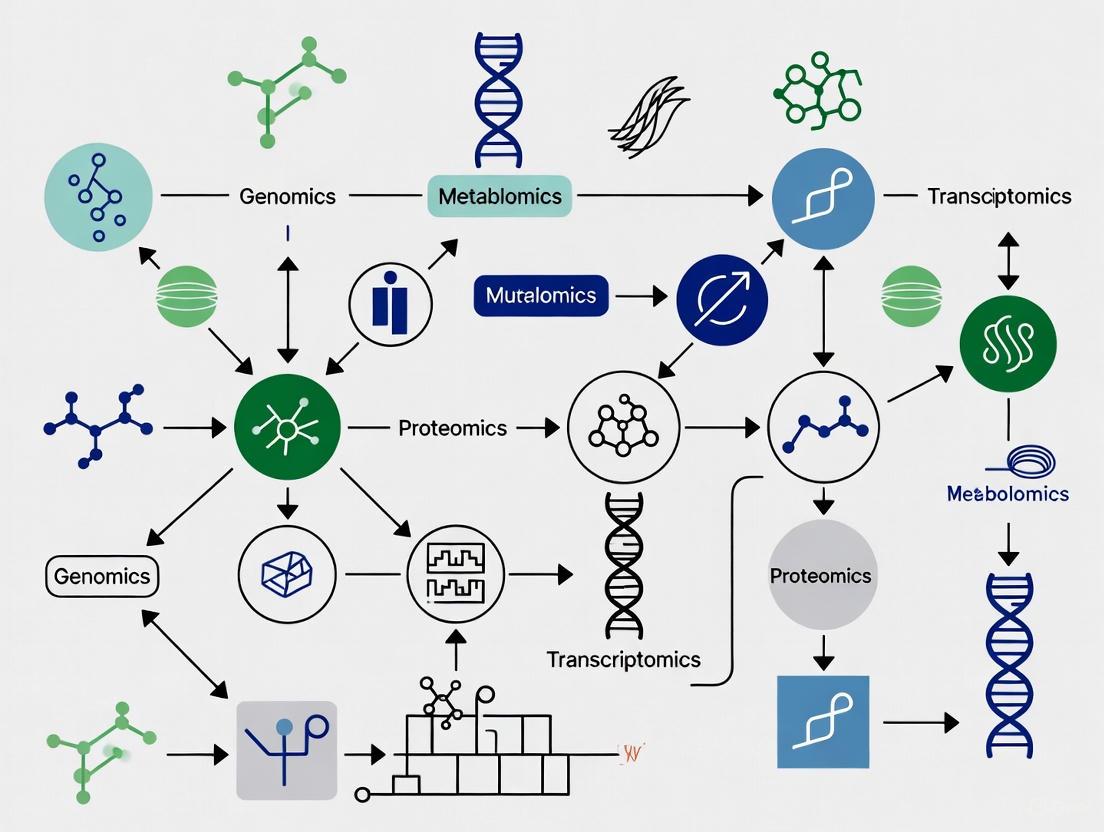
This article provides a comprehensive exploration of multi-omics technologies and their transformative role in early disease detection.
Multi-Omics for Early Disease Detection: Integrating AI, Biomarkers, and Precision Diagnostics
Abstract
This article provides a comprehensive exploration of multi-omics technologies and their transformative role in early disease detection. Tailored for researchers, scientists, and drug development professionals, it covers the foundational principles of genomics, transcriptomics, proteomics, and metabolomics. It delves into advanced methodological approaches for data integration, including AI and machine learning, and addresses key computational and experimental challenges. Through comparative analysis of statistical versus deep learning methods and examination of real-world clinical applications, this resource offers a holistic guide to developing, optimizing, and validating robust multi-omics strategies for precision medicine and improved patient outcomes.
The Foundation of Multi-Omics: Core Technologies and Their Role in Early Disease Signatures
Multi-omics represents a paradigm shift in biological research, moving from the isolated analysis of single molecular layers to the integrated study of an entire biological system. This approach simultaneously measures and analyzes multiple "omes" — including the genome, epigenome, transcriptome, proteome, and metabolome — to construct a comprehensive model of health and disease [1]. For researchers focused on early disease detection, multi-omics provides an unprecedented opportunity to identify molecular dysregulations long before clinical symptoms manifest [2]. The core premise is that complex diseases, including cancer and neurodegenerative disorders, involve intricate interactions across multiple biological levels that cannot be captured by any single omics modality alone [3] [4]. By integrating these diverse datasets, scientists can uncover novel biomarkers, identify key drivers of pathogenesis, and develop more effective preventive strategies and therapeutic interventions [1] [5].
The technological landscape for multi-omics is evolving rapidly, with recent advancements enabling unprecedented resolution and scale. The emergence of single-cell multi-omics technologies allows investigators to correlate specific genomic, transcriptomic, and epigenomic changes within individual cells, providing insights into cellular heterogeneity that were previously obscured in bulk tissue analyses [5]. Simultaneously, innovations in sequencing, such as Illumina's 5-base solution, now permit simultaneous detection of genomic variants and DNA methylation from a single assay, streamlining the workflow for combined genetic and epigenetic analysis [6]. These technological advances, coupled with sophisticated computational methods, are transforming multi-omics from a specialized research area to a mainstream approach for precision medicine [5].
The Multi-Omics Data Universe: From Genotype to Phenotype
The multi-omics workflow encompasses multiple molecular layers, each providing distinct yet interconnected information about the biological system. Understanding the unique characteristics and technological foundations of each layer is crucial for designing effective integration strategies for early disease detection.
Table: The Multi-Omics Data Landscape for Early Disease Detection
| Omics Layer | Measured Entities | Key Technologies | Role in Early Disease Detection |
|---|---|---|---|
| Genomics | DNA sequence, structural variants | Whole Genome Sequencing (WGS), SNP arrays | Identifies genetic predisposition and risk variants [1] |
| Epigenomics | DNA methylation, histone modifications | Bisulfite sequencing, ChIP-seq | Reveals regulatory alterations from environmental exposures [4] [6] |
| Transcriptomics | RNA expression levels | RNA-seq, single-cell RNA-seq | Captures active gene expression changes [1] |
| Proteomics | Protein abundance, modifications | Mass spectrometry, affinity-based arrays | Reflects functional state and signaling activity [1] |
| Metabolomics | Small molecule metabolites | LC-MS, GC-MS | Provides snapshot of physiological state [1] |
The power of multi-omics integration lies in capturing the flow of biological information from genetic blueprint to functional phenotype. Genomic variations establish disease predisposition, while epigenomic mechanisms regulate how these genetic variants are expressed. The transcriptome serves as an intermediate messenger, followed by the proteome which executes biological functions, and finally the metabolome which reflects the ultimate biochemical output of the system [1] [4]. In early disease stages, subtle perturbations may occur across multiple layers simultaneously, often in patterns too complex to detect within any single omics modality. For instance, in Alzheimer's disease research, multi-omics approaches have revealed how genetic risk factors like the ApoE ε4 allele interact with metabolic dysregulation and protein aggregation processes years before clinical symptoms emerge [4].
Methodological Framework: Multi-Omics Integration Strategies
The integration of diverse omics datasets presents significant computational and statistical challenges, primarily due to the high-dimensionality, heterogeneity, and different statistical properties of each data type [7] [8]. Researchers have developed three principal computational strategies for multi-omics integration, each with distinct advantages and limitations for early detection research.
Early Integration: Data-Level Fusion
Early integration, also referred to as data-level fusion, involves concatenating all omics datasets into a single large matrix before analysis [7] [3]. This approach combines raw or pre-processed features from multiple omics layers into a unified dataset, which is then analyzed using multivariate statistical methods or machine learning algorithms. The primary advantage of early integration is its potential to capture all possible interactions between different omics modalities, as the model has access to the complete feature set simultaneously [1]. However, this method creates an extremely high-dimensional dataset where the number of features (molecular measurements) vastly exceeds the number of samples (patients or subjects), increasing the risk of overfitting and requiring robust regularization techniques [7] [3]. The "curse of dimensionality" is particularly problematic in early disease detection studies, where sample sizes may be limited due to the challenges of recruiting pre-symptomatic individuals.
Intermediate Integration: Feature-Level Fusion
Intermediate integration, also known as feature-level fusion, involves transforming each omics dataset into a new representation before combining them for analysis [7] [1]. This approach typically employs dimensionality reduction techniques such as principal component analysis (PCA) or autoencoders to extract meaningful latent features from each omics modality [3]. These transformed representations are then integrated using methods like Multiple Co-Inertia Analysis (MCIA) or Similarity Network Fusion (SNF) [9] [8]. The key advantage of intermediate integration is its ability to reduce noise and computational complexity while preserving the most biologically relevant information from each data type [7]. For early disease detection, network-based intermediate integration methods like SNF are particularly valuable, as they can capture shared patterns of sample similarity across different omics layers, potentially revealing consistent molecular subtypes among individuals with similar pre-symptomatic trajectories [8].
Late Integration: Decision-Level Fusion
Late integration, or decision-level fusion, involves analyzing each omics dataset separately and combining the results or predictions at the final stage [7] [1]. This ensemble approach builds separate models for each data type—for instance, training a classifier on genomic data, another on transcriptomic data, and a third on proteomic data—then aggregates their outputs through methods like weighted voting or stacking [1]. The main advantage of late integration is its robustness to missing data and its computational efficiency, as each omics dataset can be processed independently using optimal methods for that specific data type [1] [3]. However, this approach may miss subtle but biologically important interactions between different molecular layers, as the models never simultaneously "see" all data types [7]. In early detection applications, late integration can be effective when different omics layers provide complementary but relatively independent predictive signals for disease risk.
Table: Multi-Omics Integration Strategies Comparison
| Integration Strategy | Key Advantages | Key Limitations | Representative Methods |
|---|---|---|---|
| Early Integration | Captures all cross-omics interactions; Preserves raw information | High dimensionality; Computationally intensive; Prone to overfitting | Concatenation + multivariate analysis [7] [1] |
| Intermediate Integration | Reduces complexity; Incorporates biological context through networks | Requires careful tuning; May lose some raw information | SNF, MOFA, MCIA [9] [8] |
| Late Integration | Handles missing data well; Computationally efficient; Flexible | May miss subtle cross-omics interactions | Separate analysis + result fusion [7] [1] |
Computational Frameworks and Tools for Multi-Omics Analysis
The implementation of multi-omics integration strategies requires specialized computational tools and algorithms. Several well-established software packages have been developed to address the specific challenges of multi-omics data analysis, each with distinct methodological approaches and applications for early detection research.
MOFA (Multi-Omics Factor Analysis) is an unsupervised factorization method that uses a Bayesian probabilistic framework to infer latent factors that capture the principal sources of variability across multiple omics datasets [9] [8]. Unlike traditional single-omics dimensionality reduction techniques, MOFA identifies factors that may be shared across multiple data types or specific to individual omics layers, providing a flexible framework for exploring complex datasets without pre-defined phenotypic groups [8]. This characteristic makes MOFA particularly valuable for early disease detection studies, where the goal is often to discover novel molecular subtypes or trajectories without strong a priori hypotheses. The model decomposes each omics data matrix into a shared factor matrix (representing the latent factors across all samples) and weight matrices for each omics modality, plus residual noise terms [8]. In practice, MOFA has been applied to stratify healthy individuals into subgroups with distinct molecular profiles, potentially reflecting different future disease risks [2].
Similarity Network Fusion (SNF) is a network-based integration method that constructs and fuses patient similarity networks from each omics dataset [8]. The algorithm first creates a separate network for each data type, where nodes represent patients and edges encode similarity between patients based on their molecular profiles. These datatype-specific networks are then iteratively fused through a nonlinear process that strengthens consistent similarities across omics layers while dampening inconsistent ones [8]. The result is a fused network that captures complementary information from all omics modalities, which can then be used for clustering patients into molecularly distinct subgroups. For early detection research, SNF offers the advantage of being able to identify patient subgroups that show consistent patterns across multiple omics layers, even when no single data type provides clear separation.
DIABLO (Data Integration Analysis for Biomarker discovery using Latent cOmponents) is a supervised integration method that uses known phenotype labels to guide the integration process and perform feature selection [8]. Based on multiblock sparse Partial Least Squares Discriminant Analysis (sPLS-DA), DIABLO identifies latent components as linear combinations of the original features that maximally covary across omics datasets while being predictive of the outcome of interest [8]. The method incorporates penalization techniques (e.g., Lasso) to select subsets of features from each omics dataset that are most informative for distinguishing between phenotypic groups. This supervised approach makes DIABLO particularly suited for early detection research when clear phenotypic outcomes are available, such as comparing pre-symptomatic individuals who eventually develop disease against those who remain healthy.
Deep Learning Approaches for Multi-Omics Integration
Deep learning (DL) has emerged as a powerful approach for multi-omics data integration, capable of automatically learning complex, non-linear relationships across different molecular layers [3]. DL models, particularly multi-layer neural networks, excel at processing high-dimensional, heterogeneous data—a defining characteristic of multi-omics datasets [3]. Several specialized DL architectures have been developed to address the unique challenges of multi-omics integration for early disease detection.
Autoencoders (AEs) and Variational Autoencoders (VAEs) are unsupervised neural networks that learn to compress high-dimensional omics data into lower-dimensional representations while preserving essential biological information [1] [3]. These models consist of an encoder network that maps the input data to a compressed latent space and a decoder network that reconstructs the original input from this latent representation. By training autoencoders on multiple omics datasets simultaneously or integrating their latent representations, researchers can obtain a unified view of the molecular landscape that emphasizes shared patterns across data types [3]. For early detection applications, the latent representations generated by AEs and VAEs can serve as features for downstream classification tasks, often with better generalization performance than raw data due to the denoising effect of the compression process.
Graph Convolutional Networks (GCNs) are designed specifically for network-structured data, making them naturally suited for multi-omics integration when biological knowledge is incorporated as prior information [1]. In this framework, molecular entities (genes, proteins, metabolites) are represented as nodes in a graph, with edges representing known interactions from databases such as protein-protein interaction networks or metabolic pathways [1]. GCNs learn by aggregating information from a node's neighbors, effectively propagating signals across the network to generate improved node representations. For early disease detection, GCNs can integrate multi-omics measurements by treating them as node attributes while leveraging the topological structure of biological networks to identify dysregulated modules or pathways that might not be apparent from molecular data alone [1].
Transformers, originally developed for natural language processing, have recently been adapted for multi-omics data analysis [1]. These models use self-attention mechanisms to weigh the importance of different features and data types, effectively learning which molecular measurements and modalities are most relevant for specific predictions [1]. The attention mechanisms in transformers can identify critical biomarkers from a sea of noisy data, making them particularly valuable for early detection research where subtle molecular signals must be distinguished from background biological variation. Additionally, transformers can handle missing data and variable-length inputs, which are common challenges in multi-omics studies [1].
Experimental Design and Workflow for Multi-Omics Studies
Implementing a robust multi-omics study for early disease detection requires careful experimental design and execution across multiple stages. The following workflow outlines key considerations and methodologies for generating high-quality, integration-ready multi-omics data.
Sample Preparation and Quality Control
The foundation of any successful multi-omics study lies in proper sample preparation and rigorous quality control. For matched multi-omics designs—where multiple molecular layers are measured from the same sample—careful partitioning of limited biological material is essential [8]. Best practices include aliquoting samples immediately after collection to minimize freeze-thaw cycles, using preservatives appropriate for each molecular assay (e.g., RNAlater for RNA stabilization, protease inhibitors for protein preservation), and documenting all processing steps in detail [8]. Quality control should be performed at multiple stages: initial assessment of nucleic acid integrity (e.g., RIN scores for RNA), library preparation quality checks (e.g., fragment size distribution), and post-sequencing metrics (e.g., sequencing depth, alignment rates, batch effects) [8]. For blood-based studies, which are particularly relevant for early detection, standardized collection tubes and processing protocols help minimize technical variation that could obscure subtle biological signals [2].
Data Generation Technologies and Platforms
Selecting appropriate technologies for each omics layer is crucial for generating data that can be effectively integrated. Recent technological advances have created new opportunities for more comprehensive and efficient multi-omics profiling. Illumina's 5-base solution exemplifies this trend, enabling simultaneous detection of genetic variants and DNA methylation patterns from a single assay through proprietary conversion chemistry that selectively converts methylated cytosine to thymine while preserving genomic complexity [6]. This approach streamlines the workflow for integrated genomic-epigenomic analysis, which is particularly relevant for early cancer detection and rare disease diagnosis [6]. For transcriptomic profiling, bulk RNA-seq remains widely used, but single-cell RNA-seq is increasingly employed to resolve cellular heterogeneity in early disease processes [5]. Proteomic analysis has been transformed by advances in mass spectrometry sensitivity and throughput, while metabolomic profiling increasingly employs complementary LC-MS and GC-MS platforms to cover diverse chemical classes [1].
Data Preprocessing and Normalization
Each omics data type requires specialized preprocessing and normalization to address technology-specific artifacts and make datasets comparable across samples [8] [3]. Genomic data from sequencing platforms typically involves quality filtering, adapter trimming, alignment to reference genomes, and variant calling using established pipelines like GATK [3]. Transcriptomic data requires read alignment, gene quantification, and normalization methods such as TPM or DESeq2's median-of-ratios to account for library size differences [1]. Proteomic data from mass spectrometry needs intensity normalization and protein quantification, often using label-free or isobaric labeling approaches [1]. Metabolomic data processing includes peak detection, alignment, and normalization to account for batch effects and matrix effects [1]. Crucially, the normalization strategies should preserve biological signal while removing technical artifacts, with careful consideration of how normalization choices might affect downstream integration [8].
The Scientist's Toolkit: Essential Reagents and Platforms
Table: Key Research Reagent Solutions for Multi-Omics Studies
| Product/Platform | Type | Primary Function | Application in Early Detection |
|---|---|---|---|
| Illumina 5-Base DNA Prep | Library Prep Kit | Simultaneous genomic and epigenomic profiling from single sample | Detects methylation episignatures in rare disease; cancer biomarker discovery [6] |
| Illumina Connected Multiomics | Analysis Platform | Statistical visualization and interpretation of multi-omic data | Integrates genetic and epigenetic data for functional genomics insights [6] |
| MOFA+ | R/Python Package | Unsupervised integration of multi-omics data | Discovers latent factors of variation in healthy cohorts [9] [8] |
| DIABLO (mixOmics) | R Package | Supervised integration for biomarker discovery | Identifies multi-omics biomarker panels for disease subtyping [8] |
| Similarity Network Fusion | Algorithm | Network-based integration of multiple data types | Clusters patients by multi-omics similarity for stratification [8] |
| Omics Playground | Web Platform | User-friendly multi-omics analysis with visualization | Enables code-free exploration of multi-omics datasets [8] |
Application in Early Disease Detection: Case Studies
Stratifying Healthy Individuals for Preventive Medicine
A 2025 study published in npj Genomic Medicine exemplifies the power of multi-omics integration for early risk assessment in apparently healthy populations [2]. Researchers performed a cross-sectional analysis of 162 individuals without pathological manifestations, integrating genomic, urine metabolomic, and serum metabolomic/lipoproteomic data [2]. Each omics layer was analyzed separately and after integration, with results demonstrating that multi-omic integration provided optimal stratification capacity compared to any single data type alone [2]. The study identified four distinct subgroups within this ostensibly healthy cohort, with one subgroup showing accumulation of risk factors associated with dyslipoproteinemias—a condition linked to increased cardiovascular risk [2]. Longitudinal follow-up of 61 individuals across two additional timepoints confirmed the temporal stability of these molecular profiles, suggesting that multi-omics stratification could identify individuals who might benefit from targeted monitoring and early preventive interventions [2].
Early Cancer Detection through Liquid Biopsy Multi-Omics
Liquid biopsies represent a promising application of multi-omics for non-invasive early cancer detection [5]. By simultaneously analyzing multiple analyte classes in blood—including cell-free DNA (cfDNA), RNA, proteins, and metabolites—researchers can detect cancer-associated molecular patterns with higher sensitivity and specificity than single-analyte approaches [5]. The multi-omics liquid biopsy approach leverages complementary information across molecular layers: cfDNA fragmentation patterns and methylation signatures provide information about tissue of origin, RNA profiles reveal gene expression alterations, protein biomarkers indicate functional pathway activation, and metabolic shifts reflect systemic physiological changes [5]. The integration of these diverse data types using machine learning algorithms has shown promise for detecting multiple cancer types at early stages, often before they become visible on imaging studies [5]. As these technologies continue to mature, they are expanding beyond oncology into other medical domains, further solidifying the role of multi-omics in early disease detection [5].
Neurodegenerative Disease Risk Assessment
Multi-omics approaches are transforming early detection strategies for neurodegenerative diseases, particularly Alzheimer's disease (AD) [4]. Research has revealed that the pathophysiological process of AD begins years or even decades before clinical symptoms appear, creating a critical window for early intervention [4]. Multi-omics studies integrating genomic, transcriptomic, proteomic, and metabolomic data have identified molecular signatures associated with future AD development in currently asymptomatic individuals [4]. For example, the integration of genomic data (including APOE ε4 status) with proteomic profiles of inflammatory markers and metabolomic signatures of lipid metabolism has improved the prediction of conversion from mild cognitive impairment to full AD dementia [4]. These integrated molecular profiles provide insights into the complex interplay between genetic predisposition, metabolic dysregulation, and neuroinflammatory processes in the earliest stages of neurodegenerative decline [4].
Future Directions and Challenges
Despite significant progress, multi-omics research for early disease detection faces several important challenges that will shape future directions in the field. Technical hurdles include the need for better standardization of preprocessing protocols and integration methods, as the absence of gold standards makes it difficult to compare results across studies or establish clinical-grade analytical pipelines [7] [8]. The computational demands of multi-omics analysis remain substantial, requiring scalable infrastructure and efficient algorithms to handle the increasing volume and complexity of data [1] [5]. From a biological perspective, interpreting integrated multi-omics results remains challenging, as statistical associations must be translated into mechanistic understanding through sophisticated functional validation [8].
Emerging trends point toward several exciting developments. The field is moving toward multi-analyte algorithmic analysis that can simultaneously process data from genomics, transcriptomics, proteomics, and metabolomics using artificial intelligence and machine learning [5]. Single-cell multi-omics technologies are rapidly advancing, enabling researchers to examine larger numbers of cells and a greater fraction of each cell's molecular content [5]. The clinical translation of multi-omics is accelerating, with liquid biopsies exemplifying how integrated molecular profiling can transform non-invasive diagnostics [5]. Perhaps most importantly, there is growing recognition that addressing health disparities requires engaging diverse patient populations in multi-omics research to ensure that biomarker discoveries are broadly applicable across different genetic backgrounds and environmental contexts [5].
Looking ahead, realizing the full potential of multi-omics for early disease detection will require continued collaboration across disciplines—bringing together biologists, clinicians, computational scientists, and engineers to develop more powerful integrative frameworks [5]. As these efforts mature, multi-omics profiling is poised to become a cornerstone of preventive medicine, enabling truly personalized risk assessment and targeted early interventions that can delay or prevent the onset of complex diseases [2].
The rising global burden of complex diseases necessitates a paradigm shift from reactive treatment to proactive detection. Multi-omics technologies, which integrate molecular data from multiple biological layers, are revolutionizing early disease detection for two of humanity's most significant health challenges: cancer and neurodegenerative disorders. By simultaneously analyzing genomic, transcriptomic, epigenomic, proteomic, and metabolomic data, researchers can identify molecular signatures of disease years before clinical symptoms manifest. This whitepaper provides an in-depth technical examination of multi-omics approaches, detailing experimental protocols, key biomarkers, computational frameworks, and reagent solutions that are transforming early intervention strategies and creating new frontiers in precision medicine.
The Multi-Omics Paradigm in Early Disease Detection
Conceptual Framework and Biological Rationale
Complex diseases like cancer and neurodegenerative disorders develop through progressive alterations across multiple biological layers over extended timeframes. Traditional single-marker approaches lack the sensitivity and specificity for early detection because they capture only isolated aspects of a multifaceted pathological process. Multi-omics analysis addresses this limitation by providing a comprehensive systems biology view of disease pathogenesis [10] [11].
The fundamental premise is that diseases create detectable molecular footprints across omics layers long before structural changes or clinical symptoms emerge. In cancer, transformed cells release cell-free DNA (cfDNA) with distinctive fragmentation patterns and methylation profiles into the bloodstream [12] [13]. In Alzheimer's disease (AD), pathological processes trigger cascading changes in mitochondrial function, inflammatory pathways, and metabolic networks years before cognitive decline becomes apparent [14] [15]. Multi-omics integration detects these coordinated changes, significantly enhancing the sensitivity and specificity of early detection compared to any single biomarker class.
Global Health Impact and Clinical Imperative
The World Health Organization identifies both cancer and neurodegenerative diseases as leading causes of mortality and morbidity worldwide, with incidence rates projected to increase with aging populations. Alzheimer's disease alone may affect over 115 million people globally by 2050 [10]. Early detection is clinically imperative because interventions are most effective during initial disease stages. For cancer, detection at localized versus distant stages improves 5-year survival rates by up to 70-90% for many cancer types [16]. For neurodegenerative diseases, identifying at-risk individuals during preclinical stages creates critical windows for therapeutic intervention before irreversible neuronal loss occurs [10] [15].
Multi-Omics Approaches in Cancer Detection
Technological Foundations and Analytical Frameworks
Multi-cancer early detection (MCED) tests represent the most advanced application of multi-omics in oncology. These liquid biopsy approaches analyze cfDNA from standard blood draws using shallow whole-genome sequencing to simultaneously assess multiple genomic and epigenomic features [12] [13]. The leading technological platforms integrate four primary analytical dimensions:
- Copy number aberration: Detection of chromosomal gains and losses characteristic of cancer genomes
- Fragmentomics: Analysis of cfDNA fragmentation patterns reflecting nucleosome positioning in tumor cells
- End motif analysis: Examination of sequence preferences at cfDNA fragment ends
- Methylation profiling: Mapping of epigenetic alterations in circulating DNA [12] [13]
Advanced MCED platforms additionally incorporate protein tumor markers to enhance detection sensitivity, creating a truly multi-analyte approach [13].
Performance Metrics and Clinical Validation
Recent large-scale validation studies demonstrate the remarkable potential of multi-omics MCED tests. The following table summarizes performance characteristics from key clinical studies:
Table 1: Performance Metrics of Multi-Cancer Early Detection Tests
| Study/Cohort | Cancer Types | Overall Sensitivity | Stage I Sensitivity | Stage II Sensitivity | Specificity | Tissue of Origin Accuracy |
|---|---|---|---|---|---|---|
| Independent Validation [12] | Multiple | 87.4% | N/R | N/R | 97.8% | 82.4% |
| Prospective Asymptomatic [12] | Multiple | 53.5% | N/R | N/R | 98.1% | N/R |
| Retrospective (SeekInCare) [13] | 27 types | 60.0% | 37.7% | 50.4% | 98.3% | N/R |
| Prospective (SeekInCare) [13] | Multiple | 70.0% | N/R | N/R | 95.2% | N/R |
N/R = Not Reported
The sensitivity gradient across cancer stages demonstrates the potential for detecting increasingly earlier forms of cancer while maintaining high specificity, addressing a critical limitation of traditional screening methods that often lack effectiveness for early-stage disease [12] [13] [16].
Experimental Protocol: Multicancer Early Detection Analysis
Sample Preparation and Sequencing
- Collect peripheral blood (10ml) in Streck Cell-Free DNA BCT or similar cfDNA-preserving tubes
- Process plasma within 6 hours of collection by double centrifugation (1600×g for 10min, 16,000×g for 10min at 4°C)
- Extract cfDNA from 4-8ml plasma using commercially available kits (QIAamp Circulating Nucleic Acid Kit)
- Prepare sequencing libraries with 10-30ng cfDNA using ThruPLEX Plasma-seq or similar library preparation kits
- Perform shallow whole-genome sequencing (0.5-1× coverage) on Illumina platforms (NovaSeq 6000)
Bioinformatic Analysis Workflow
- Quality Control: FastQC for sequence quality assessment
- Alignment: Burrows-Wheeler Aligner (BWA-MEM) to reference genome (GRCh37/hg19)
- Feature Extraction:
- Copy number alterations: circular binary segmentation
- Fragment size distribution: compute fragment length between alignment pairs
- End motif analysis: extract first and last 4 bases of each fragment
- Methylation profiling: bisulfite conversion analysis or inference from fragmentation patterns
- Machine Learning Classification: Ensemble methods (Random Forest, XGBoost) trained on multi-dimensional features to distinguish cancer vs. non-cancer and predict tissue of origin [12] [13]
MCED Test Workflow
Multi-Omics Approaches in Neurodegenerative Diseases
Genetic Architecture and Molecular Signatures
Neurodegenerative diseases exhibit complex genetic architectures existing along a continuum from monogenic to polygenic models [11]. The liability-threshold model provides a theoretical framework where cumulative effects of genetic variants and environmental factors eventually exceed a critical threshold, triggering disease onset [11]. Multi-omics approaches are essential for deciphering this complexity by identifying predictive molecular signatures across biological layers.
Recent integrated analyses of Alzheimer's disease have revealed consistent dysregulation in specific biological pathways, including:
- Neurotransmitter synapses (dopaminergic, glutamatergic, GABAergic)
- Mitochondrial function and oxidative phosphorylation
- Inflammatory pathways and complement activation
- Vitamin metabolism (B2, B6, pantothenate)
- Complement and coagulation cascades [14] [15]
Cell-type-specific analyses further indicate that microglia, endothelial cells, myeloid, and lymphoid cells show prominent transcriptomic and proteomic alterations in early disease stages [15].
Multi-Omics Biomarker Discovery and Validation
Integrated multi-omics studies have identified robust biomarker signatures for neurodegenerative diseases. The following table summarizes key biomarkers and functional pathways identified through recent studies:
Table 2: Multi-Omics Biomarkers in Neurodegenerative Diseases
| Omics Layer | Specific Biomarkers | Biological Process | Validation Approach |
|---|---|---|---|
| Genomics | APOE ε4, TREM2, ABCA7 | Lipid metabolism, immune response | GWAS, whole-genome sequencing [11] [17] |
| Transcriptomics | SLC6A12, CDKN1A, CLOCK | Mitochondrial function, oxidative stress | RNA-Seq, single-cell sequencing [14] [18] |
| Epigenomics | Differential methylation in cortical tissue | Neuronal development, inflammation | Methylation arrays [14] |
| Proteomics | Complement proteins, synaptic proteins | Synaptic pruning, immune activation | Mass spectrometry [15] [17] |
| Metabolomics | TCA cycle intermediates, lactate | Energy metabolism, oxidative stress | LC-MS, GC-MS [14] [15] |
| MicroRNA | hsa-miR-129-5p | Post-transcriptional regulation | miRNA profiling [14] |
Advanced computational methods have been essential for distinguishing causal drivers from secondary effects in these complex datasets. Machine learning frameworks applied to multi-omics data from large cohorts like ROSMAP and ADNI have successfully identified mitochondrial-related gene signatures with validated associations to AD risk and progression [14].
Experimental Protocol: Integrated Multi-Omics Analysis for Alzheimer's Disease
Cohort Selection and Sample Processing
- Utilize well-characterized longitudinal cohorts (ROSMAP, ADNI) with neuropathological confirmation
- Process post-mortem brain tissues (prefrontal cortex, hippocampus) and/or biofluids (CSF, blood)
- Extract analytes using standardized protocols:
- DNA: DNeasy Blood & Tissue Kit for genotyping and methylation analysis
- RNA: RNeasy Kit with DNase treatment for transcriptomics
- Protein: Tissue homogenization in RIPA buffer with protease inhibitors
- Metabolites: Methanol:water extraction for LC-MS analysis
Multi-Omics Data Generation
- Genomics: Whole-genome sequencing (30× coverage) or genotyping arrays (Illumina OmniExpress)
- Epigenomics: Methylation profiling (Illumina EPIC array)
- Transcriptomics: RNA sequencing (Illumina, 50M reads/sample) or single-cell RNA-seq (10X Genomics)
- Proteomics: High-resolution mass spectrometry (TMT labeling, Orbitrap Lumos)
- Metabolomics: LC-MS/MS with reverse-phase chromatography (Q-Exactive HF)
Computational Integration and Validation
- Quality Control: Platform-specific QC metrics, batch effect correction (ComBat)
- Differential Analysis: Limma/Voom for RNA, linear models for proteomics/metabolomics
- Pathway Integration: Multi-omics factor analysis (MOFA), integrative clustering
- Network Analysis: Weighted gene co-expression network analysis (WGCNA), protein-protein interaction networks
- Machine Learning: Ensemble methods (Random Forest, SVM) with cross-validation
- Experimental Validation:
Neurodegenerative Disease Multi-Omics Pipeline
Computational and Methodological Frameworks
Machine Learning Integration for Predictive Modeling
The complexity and dimensionality of multi-omics data necessitate advanced computational approaches. Ensemble machine learning frameworks have demonstrated particular utility for disease prediction. The MILTON (Machine Learning with Phenotype Associations) framework exemplifies this approach, integrating 67 diverse biomarkers including blood biochemistry, cell counts, urine assays, spirometry, and anthropometric measures to predict disease risk [19].
This framework employs multiple algorithms including Random Forest, Gradient Boosting, and Regularized Regression to generate disease-specific signatures. When applied to the UK Biobank dataset encompassing 484,230 genome-sequenced samples, MILTON significantly outperformed polygenic risk scores alone for 111 out of 151 disease codes, achieving AUC ≥ 0.7 for 1,091 ICD10 codes [19]. The model successfully identified "cryptic cases" - individuals with high disease probability who were subsequently diagnosed during follow-up - enabling earlier detection and potentially augmenting genetic association studies.
Single-Cell Multi-Omics and Spatial Resolution
Emerging single-cell technologies provide unprecedented resolution for detecting cell-type-specific changes in early disease. Single-cell RNA sequencing (scRNA-seq) has revealed novel cellular subpopulations and molecular subtypes of vulnerable neurons in neurodegenerative diseases [18]. Computational integration of single-cell multi-omics data enables the construction of detailed cellular maps and lineage trajectories that capture disease progression dynamics.
Bibliometric analysis reveals rapidly growing adoption of single-cell multi-omics in neurodegeneration research, with annual publications increasing from 1 in 2015 to 155 in 2023 [18]. These approaches are particularly valuable for identifying early, cell-type-specific pathological changes that precede bulk tissue alterations and clinical symptom onset.
Research Reagent Solutions
Table 3: Essential Research Reagents for Multi-Omics Studies
| Reagent Category | Specific Products | Application | Key Features |
|---|---|---|---|
| cfDNA Collection Tubes | Streck Cell-Free DNA BCT, PAXgene Blood ccfDNA Tubes | Blood collection for liquid biopsy | Preserves cfDNA, prevents genomic DNA contamination |
| Nucleic Acid Extraction | QIAamp Circulating Nucleic Acid Kit, AllPrep DNA/RNA/miRNA Universal Kit | Simultaneous DNA/RNA extraction | High recovery from small volumes, maintains integrity |
| Library Preparation | ThruPLEX Plasma-seq, SMARTer Stranded Total RNA-seq | NGS library preparation | Low input requirements, unique molecular identifiers |
| Bisulfite Conversion | EZ DNA Methylation Kit, Premium Bisulfite Kit | DNA methylation analysis | High conversion efficiency, minimal DNA degradation |
| Single-Cell Isolation | 10X Genomics Chromium, BD Rhapsody | Single-cell omics profiling | High-throughput, cell multiplexing capabilities |
| Protein Digestion | S-Trap Micro Spin Columns, Filter-Aided Sample Preparation | Proteomics sample prep | Efficient digestion, compatibility with detergents |
| Mass Spectrometry | TMTpro 16plex, iRT Kit | Proteomic quantification | Multiplexing, retention time calibration |
| Metabolite Extraction | Biocrates AbsoluteIDQ p400 HR Kit, Methanol:Chloroform | Metabolite profiling | Broad coverage, high reproducibility |
Multi-omics technologies represent a transformative approach for addressing the global health challenges of cancer and neurodegenerative diseases through early detection. The integration of genomic, transcriptomic, proteomic, epigenomic, and metabolomic data provides unprecedented sensitivity for identifying molecular signatures of disease during preclinical stages when interventions are most effective. Continued advances in single-cell technologies, computational integration methods, and large-scale biomarker validation will accelerate the translation of these approaches into clinical practice, ultimately enabling a shift from reactive treatment to proactive prevention and early intervention for these devastating diseases.
The integration of multi-omics data represents a paradigm shift in biomedical research, enabling the elucidation of complex disease pathways across multiple biological layers. By simultaneously analyzing genomics, transcriptomics, proteomics, metabolomics, and other molecular data types, researchers can now construct comprehensive models of disease pathogenesis that account for the intricate interactions between various biological subsystems. This technical guide examines cutting-edge methodologies for multi-omics integration, with a specific focus on applications in early disease detection and the identification of comprehensive biological pathways underlying disease progression. Through advanced machine learning frameworks, network-based analysis, and cross-omic correlation studies, multi-omics approaches are transforming our understanding of biological hierarchies and creating new opportunities for predictive medicine and therapeutic development.
Multi-omics refers to the integrated analysis of multiple omics datasets collected from the same individuals, including genomics, transcriptomics, proteomics, metabolomics, epigenomics, and metagenomics [20]. This approach provides a holistic perspective on biological systems by capturing information across different molecular layers, enabling researchers to understand how variations at one level propagate through biological hierarchies to influence phenotype manifestation. The fundamental premise of multi-omics integration is that combined analysis of these complementary data types provides more biological insight than could be obtained from any single omics layer alone.
In translational medicine, multi-omics applications typically address five key objectives: (i) detecting disease-associated molecular patterns, (ii) identifying disease subtypes, (iii) improving diagnosis and prognosis, (iv) predicting drug response, and (v) understanding regulatory processes [20]. Each of these objectives benefits from the comprehensive view of biological systems that multi-omics data provides, particularly for complex diseases where pathogenesis involves dysregulation across multiple biological subsystems.
The analytical challenge lies in developing methods that can effectively integrate these heterogeneous data types while accounting for their distinct statistical properties, dimensionalities, and biological contexts. Successfully addressing this challenge requires sophisticated computational approaches that can identify meaningful patterns across omics layers and relate them to clinical outcomes.
Methodological Frameworks for Multi-Omics Integration
Machine Learning Approaches
Machine learning frameworks have demonstrated remarkable utility for multi-omics integration, particularly for disease prediction tasks. The MILTON (machine learning with phenotype associations) framework exemplifies this approach, leveraging an ensemble of biomarkers to predict disease states from multi-omics data [19]. MILTON utilizes 67 features including 30 blood biochemistry measures, 20 blood count measures, four urine assay measures, three spirometry measures, four body size measures, three blood pressure measures, sex, age, and fasting time to predict 3,213 diseases in the UK Biobank.
The framework employs three distinct time-models for training: prognostic models using individuals diagnosed up to 10 years after biomarker collection, diagnostic models using individuals diagnosed up to 10 years before biomarker collection, and time-agnostic models using all diagnosed individuals regardless of temporal relationship to sample collection [19]. This temporal stratification is crucial for addressing the clinical reality that biomarker samples may be collected years before or after disease diagnosis.
For the challenging "big p, small n" problem (high-dimensional features with small sample sizes) common in multi-omics data, the Multi-view Factorization AutoEncoder (MAE) with network constraints provides an effective solution [21]. This approach combines multi-view learning and matrix factorization with deep learning, incorporating domain knowledge such as biological interaction networks as regularization constraints to improve model generalizability. The model consists of multiple autoencoders (one for each omics view) and learns both feature and patient embeddings simultaneously while ensuring consistency with prior biological knowledge.
Multi-Omics Integration Techniques
Different computational strategies have been developed for multi-omics integration, each with distinct strengths and applications:
Table 1: Multi-Omics Data Integration Methods
| Integration Type | Description | Common Algorithms | Best Use Cases |
|---|---|---|---|
| Early Integration | Combining raw datasets before analysis | Matrix concatenation | Pattern discovery across omics layers |
| Intermediate Integration | Learning joint representations of separate datasets | Multi-view Factorization AutoEncoder (MAE) [21], Similarity Network Fusion | Subtype identification, dimensionality reduction |
| Late Integration | Analyzing datasets separately then combining results | Ensemble methods, statistical meta-analysis | Leveraging existing single-omics tools |
| Knowledge-Guided Integration | Incorporating biological networks as constraints | Network-based regularization | Pathway analysis, mechanistic insights |
Intermediate integration approaches, which learn joint representations of separate datasets, have proven particularly valuable for identifying patient subtypes and disease-associated molecular patterns [20]. These methods effectively balance the need to respect the unique characteristics of each omics data type while still enabling cross-omics pattern recognition.
Multi-Omics in Disease Research Applications
Enhanced Disease Prediction and Early Detection
Multi-omics approaches have demonstrated superior predictive performance compared to traditional single-omics models or polygenic risk scores (PRS) alone. In comprehensive analyses of the UK Biobank dataset, MILTON framework achieved area under the curve (AUC) ≥ 0.7 for 1,091 ICD10 codes, AUC ≥ 0.8 for 384 ICD10 codes, and AUC ≥ 0.9 for 121 ICD10 codes across all time-models and ancestries [19]. This performance significantly outperformed disease-specific PRS, with multi-omics models showing superior predictive accuracy for 111 out of 151 ICD10 codes compared to PRS-based approaches (median AUC 0.71 vs. 0.66, MWU two-sided P = 2.71 × 10⁻⁸) [19].
Critically, multi-omics models demonstrate strong prognostic capability, successfully identifying individuals who would later develop disease. When trained solely on cases diagnosed before January 1, 2018, MILTON models with AUC ≥ 0.6 significantly enriched for participants diagnosed after this date in 97.41% of 1,740 ICD10 codes analyzed (Fisher's exact test one-sided P < 0.05) [19]. This demonstrates the potential of multi-omics approaches for genuine early detection before clinical manifestation.
Alzheimer's Disease Pathway Mapping
In Alzheimer's disease (AD) research, multi-omics approaches have been particularly valuable for elucidating the complex pathways underlying disease pathogenesis. AD involves dysfunction across multiple biological systems, including amyloid-beta plaque accumulation, tau neurofibrillary tangle formation, neuroinflammation, and impaired glymphatic function [4]. Multi-omics analysis has revealed how these processes interact across biological hierarchies, from genetic predisposition to metabolic dysregulation.
Sex differences in AD development exemplify how multi-omics data reveals cross-hierarchical interactions. Research shows that women generally have lower synapse density but higher tau and amyloid-beta levels than men, differences linked to gonadal hormones and sex chromosomes [4]. Estrogen plays a vital role in processes involving mitochondrial function, inflammation, glucose transport and metabolism, and cholesterol homeostasis, with both estrogen and testosterone regulating apolipoprotein E (ApoE), a key AD biomarker [4]. The loss of Y chromosome in male AD patients can increase Aβ toxicity and lead to premature cell death [4]. These findings demonstrate how multi-omics integration connects chromosomal, hormonal, proteomic, and metabolic factors into a coherent pathway model.
Multi-omics studies have also clarified the relationship between AD and comorbidities such as cardiovascular disease and diabetes. In Type 2 diabetes mellitus, chronic hyperglycemia exacerbates amyloid beta production and tau hyperphosphorylation, while impaired insulin signaling disrupts neuronal energy metabolism [4]. Elevated blood glucose levels trigger the formation of advanced glycation end-products (AGEs), which promote Aβ accumulation and tau phosphorylation, creating a direct metabolic pathway to neurodegeneration.
Cardiovascular Risk Stratification in Healthy Populations
Multi-omics profiling shows particular promise for early risk detection in ostensibly healthy populations. In a study of 162 individuals without pathological manifestations, integrated analysis of genomics, urine metabolomics, and serum metabolomics/lipoproteomics identified four distinct subgroups with different metabolic profiles [2]. Longitudinal data for 61 individuals across two additional time-points demonstrated temporal stability in these molecular profiles, supporting their utility for ongoing risk assessment.
This approach enabled identification of a subgroup with accumulation of risk factors associated with dyslipoproteinemias, suggesting targeted monitoring could reduce future cardiovascular risks [2]. The polygenic score analysis within this cohort identified 28 traits with potential stratification value, with glycine and triglycerides in medium HDL showing particularly strong association (odds-ratio close to 6) [2]. This demonstrates how multi-omics integration can reveal disease-relevant biological variation even in the absence of clinical symptoms.
Table 2: Multi-Omics Performance in Disease Prediction
| Disease Area | Omic Layers Used | Key Findings | Performance Metrics |
|---|---|---|---|
| General Disease Prediction | Blood biochemistry, blood counts, urine assays, spirometry, vital signs | 1,091 ICD10 codes with AUC ≥ 0.7; outperformed PRS for 111/151 codes | Median AUC 0.71 vs 0.66 for PRS (P = 2.71×10⁻⁸) |
| Alzheimer's Disease | Genomics, epigenomics, transcriptomics, proteomics, metabolomics | Identified sex-specific pathways, metabolic links to diabetes | Revealed hormonal regulation of ApoE |
| Cardiovascular Risk | Genomics, urine metabolomics, serum metabolomics/lipoproteomics | Identified 4 subgroups in healthy cohort; one with dyslipoproteinemia risk | Odds ratio ~6 for glycine and triglycerides in medium HDL |
Experimental Protocols and Methodologies
Multi-Omics Study Design Framework
Effective multi-omics research requires careful study design to ensure data quality and analytical robustness. The following protocol outlines a comprehensive approach:
Sample Collection and Processing:
- Collect appropriate biospecimens (blood, urine, tissue) with standardized protocols
- Process samples immediately or store at appropriate temperatures (-80°C for most omics analyses)
- Record detailed metadata including fasting status, time of collection, and processing parameters
Multi-Omic Data Generation:
- Genomics: Perform whole genome sequencing or genotyping using platforms such as Illumina or Oxford Nanopore
- Transcriptomics: Conduct RNA sequencing with minimum 30 million reads per sample
- Proteomics: Implement mass spectrometry-based quantification (e.g., LC-MS/MS) or immunoassays
- Metabolomics: Employ targeted or untargeted mass spectrometry with quality control pools
- Epigenomics: Conduct DNA methylation arrays or sequencing-based approaches
Data Preprocessing and Quality Control:
- Apply platform-specific normalization and batch correction
- Remove low-quality samples based on quality metrics
- Impute missing values using appropriate algorithms (e.g., k-nearest neighbors)
- Perform principal component analysis to identify outliers and batch effects
Multi-view Factorization AutoEncoder (MAE) Implementation
The MAE framework provides a powerful approach for integrating multi-omics data with biological networks [21]. The implementation protocol includes:
Data Preparation:
- Represent each omics data type as a sample-feature matrix M⁽ⁱ⁾ ∈ ℝᴺ×ᵖ⁽ⁱ⁾
- Obtain biological interaction networks G⁽ⁱ⁾ for each feature type from databases such as STRING or Reactome
- Normalize each data matrix to have zero mean and unit variance
Model Architecture:
- Construct multiple autoencoders (one for each omics view)
- Implement a shared latent space that integrates information across views
- Include graph Laplacian regularization terms to incorporate biological network constraints
Training Procedure:
- Initialize model weights using Xavier initialization
- Train using mini-batch gradient descent with Adam optimizer
- Employ early stopping based on reconstruction loss on validation set
- Monitor training and validation loss to avoid overfitting
Hyperparameter Tuning:
- Optimize latent dimension size using cross-validation
- Tune regularization strength for network constraints
- Adjust learning rate and batch size based on dataset size
The graph Laplacian regularization term for a feature network G is implemented as: Lᵢ = Tr(Y⁽ⁱ⁾LᴳY⁽ⁱ⁾ᵀ), where Lᴳ = D - G is the graph Laplacian, D is the degree matrix, and Y⁽ⁱ⁾ is the feature embedding for view i [21].
Visualization of Multi-Omics Workflows
Multi-Omics Integration and Analysis Workflow
Multi-view Factorization AutoEncoder Architecture
Table 3: Publicly Available Multi-Omics Data Resources
| Resource Name | Omic Content | Species | Primary Use Cases | Access Link |
|---|---|---|---|---|
| The Cancer Genome Atlas (TCGA) | Genomics, epigenomics, transcriptomics, proteomics | Human | Cancer pathway analysis, biomarker discovery | https://portal.gdc.cancer.gov/ |
| Answer ALS | Whole-genome sequencing, RNA transcriptomics, ATAC-sequencing, proteomics, clinical data | Human | Neurodegenerative disease mechanisms, motor activity correlation | https://dataportal.answerals.org/ |
| UK Biobank | Genomic sequencing, blood biochemistry, proteomics, metabolomics, imaging | Human | Population-scale disease prediction, biomarker discovery | https://www.ukbiobank.ac.uk/ |
| jMorp | Genomics, methylomics, transcriptomics, metabolomics | Human | Multi-omics correlation studies, metabolic pathway analysis | https://jmorp.megabank.tohoku.ac.jp/ |
| DevOmics | Gene expression, DNA methylation, histone modifications, chromatin accessibility | Human/Mouse | Developmental biology, epigenetic regulation | http://devomics.cn/ |
Computational Tools and Platforms
Table 4: Multi-Omics Data Analysis Tools and Platforms
| Tool/Method | Functionality | Integration Type | Key Features |
|---|---|---|---|
| Multi-view Factorization AutoEncoder (MAE) | Deep learning with network constraints | Intermediate | Incorporates biological networks as regularization |
| MILTON | Ensemble machine learning for disease prediction | Late | Utilizes 67 biomarkers for 3,213 disease prediction |
| Similarity Network Fusion (SNF) | Patient similarity integration | Intermediate | Combines multiple patient similarity networks |
| iCluster | Bayesian clustering for subtype identification | Early | Joint clustering across omics data types |
| OMICSPRED | Polygenic score calculation | Late | Genetic predisposition estimation for biomolecular traits |
Multi-omics data integration represents a transformative approach for decoding biological hierarchies and elucidating comprehensive disease pathways. By simultaneously analyzing multiple molecular layers and their interactions, researchers can construct more complete models of disease pathogenesis that account for the complex, hierarchical nature of biological systems. The methodologies and applications described in this technical guide demonstrate the power of multi-omics approaches for advancing early disease detection, identifying novel biomarkers, and revealing previously unrecognized disease subtypes.
As multi-omics technologies continue to evolve and computational methods become increasingly sophisticated, we can anticipate further breakthroughs in understanding biological hierarchies and their relationship to disease. The integration of multi-omics data with clinical information, environmental factors, and digital health metrics will create even more comprehensive models of health and disease, ultimately enabling truly personalized preventive medicine and targeted therapeutic interventions.
The advent of high-throughput technologies has positioned multi-omics strategies at the forefront of biomedical research, particularly for early biomarker discovery. By integrating multiple molecular layers, researchers can now obtain a comprehensive view of biological systems, moving beyond the limitations of single-marker approaches. Early disease detection represents one of the most promising applications of multi-omics integration, as molecular alterations often precede clinical symptoms by years. This technical guide examines the core omics layers—genomics, transcriptomics, proteomics, metabolomics, and epigenomics—detailing their unique strengths, technological platforms, and specific applications in early biomarker discovery within the framework of multi-omics research.
Genomics
Biological Basis and Strengths
Genomics investigates the complete set of DNA within an organism, including genes, non-coding regions, and structural elements. It provides the foundational blueprint of biological systems, identifying hereditary factors and somatic mutations that drive disease pathogenesis. The primary strength of genomics lies in its stability; the DNA sequence remains largely constant throughout life and across most cell types, making it ideal for identifying permanent risk markers and inherited predispositions [22]. Genomic biomarkers can reveal disease susceptibility long before clinical manifestations appear, enabling truly proactive healthcare interventions.
Key Technologies and Applications
Next-generation sequencing (NGS) platforms, including whole genome sequencing (WGS) and whole exome sequencing (WES), have revolutionized genomic analysis by enabling comprehensive detection of single nucleotide polymorphisms (SNPs), copy number variations (CNVs), and structural rearrangements [22]. Genome-wide association studies (GWAS) leverage these technologies to identify cancer-associated genetic variations across populations.
In clinical applications, the tumor mutational burden (TMB), validated in the KEYNOTE-158 trial, has been approved by the FDA as a predictive biomarker for pembrolizumab treatment across solid tumors [22]. Large-scale sequencing efforts like MSK-IMPACT have demonstrated that approximately 37% of tumors harbor actionable genomic alterations, highlighting the substantial potential of genomic biomarkers in personalized oncology [22].
Experimental Protocol: Whole Genome Sequencing for Biomarker Discovery
Sample Preparation: Extract high-molecular-weight DNA from tissue (≥100mg) or blood (3-5mL) using silica-column or magnetic bead-based methods. Assess quality via spectrophotometry (A260/280 ratio ~1.8) and fluorometry (Qubit), with DNA integrity number (DIN) ≥7.0.
Library Preparation: Fragment DNA via acoustic shearing (350bp target size). Perform end-repair, A-tailing, and adapter ligation using commercially available kits (e.g., Illumina DNA Prep). Amplify library with 8-10 PCR cycles and validate using Bioanalyzer.
Sequencing: Load library onto Illumina NovaSeq X for 2x150bp paired-end sequencing at ≥30x coverage. For nanopore sequencing (Oxford Nanopore Technologies), use ligation sequencing kit SQK-LSK114 and MinION R10.4.1 flow cell.
Data Analysis: Perform adapter trimming with Trimmomatic, align to reference genome (GRCh38) using BWA-MEM, and call variants with GATK HaplotypeCaller. Annotate variants with ANNOVAR and prioritize based on population frequency (gnomAD <0.1%), predicted pathogenicity (CADD >20), and association databases (ClinVar, COSMIC).
Transcriptomics
Biological Basis and Strengths
Transcriptomics explores the complete set of RNA transcripts, including messenger RNA (mRNA), long non-coding RNAs (lncRNAs), microRNAs (miRNAs), and other non-coding RNAs. Unlike the static genome, the transcriptome dynamically reflects active cellular processes, providing a real-time snapshot of gene expression patterns in response to disease states [22]. This responsiveness makes transcriptomic biomarkers exceptionally valuable for detecting early functional changes in cellular physiology, often before morphological alterations occur. The high sensitivity and cost-effectiveness of RNA sequencing have established transcriptomics as a dominant component of multi-omics research [22].
Key Technologies and Applications
RNA sequencing (RNA-Seq) and microarray technologies enable comprehensive transcriptome profiling. Recent advances include single-cell RNA sequencing (scRNA-Seq), which resolves cellular heterogeneity, and spatial transcriptomics, which preserves geographical context within tissues [22] [23].
Clinically validated gene-expression signatures demonstrate the utility of transcriptomic biomarkers in therapeutic decision-making. The Oncotype DX 21-gene assay (TAILORx trial) and MammaPrint 70-gene signature (MINDACT trial) guide adjuvant chemotherapy decisions in breast cancer patients by predicting recurrence risk [22]. Emerging applications leverage transcriptomic profiles for early cancer detection, with AI-powered models analyzing complex gene expression patterns to identify molecular signatures of nascent malignancies.
Experimental Protocol: Bulk RNA Sequencing Analysis
Sample Collection: Stabilize tissue (10-30mg) in RNAlater within 5 minutes of collection or collect blood in PAXgene tubes. Store at -80°C until processing.
RNA Extraction: Homogenize tissue in TRIzol reagent or use silica-membrane columns (RNeasy Kit). Include DNase I treatment. Assess RNA quality via Bioanalyzer (RIN ≥8.0) and quantify by Qubit.
Library Preparation: Deplete ribosomal RNA using commercially available kits or perform poly-A selection. Fragment RNA (200-300bp), synthesize cDNA, add adapters, and amplify with 10-12 PCR cycles. Validate library size distribution (Bioanalyzer).
Sequencing: Sequence on Illumina platform (NovaSeq 6000) for 2x100bp reads, targeting 30-50 million reads per sample.
Data Analysis: Perform quality control (FastQC), trim adapters (Cutadapt), align to reference genome (STAR aligner), and quantify gene expression (HTSeq-count). Conduct differential expression analysis (DESeq2, edgeR) with false discovery rate (FDR) correction. Perform pathway enrichment analysis (GSEA, Enrichr).
Figure 1: Bulk RNA-Seq analysis workflow for transcriptomic biomarker discovery.
Proteomics
Biological Basis and Strengths
Proteomics characterizes the complete set of proteins, including their abundances, post-translational modifications (PTMs), and interactions. As the primary functional executors of biological processes, proteins most closely reflect cellular activities and disease states [22]. The plasma proteome is particularly valuable for biomarker discovery, as plasma proteins reflect both health and disease status [24]. Proteomic biomarkers offer direct insight into pathway dysregulation and drug target engagement, bridging the gap between genomic potential and phenotypic manifestation. Technological innovations in mass spectrometry have dramatically enhanced proteomic coverage and throughput, positioning proteomics as an essential component for early disease detection.
Key Technologies and Applications
Liquid chromatography-mass spectrometry (LC-MS/MS) and reverse-phase protein arrays enable high-throughput proteomic profiling. Affinity-based platforms like the Olink platform offer highly multiplexed protein quantification with exceptional sensitivity [25] [24]. Recent advances in single-cell proteomics and spatial proteomics are expanding applications to cellular heterogeneity and tissue microenvironment characterization [22].
Studies by the Clinical Proteomic Tumor Analysis Consortium (CPTAC) have demonstrated that proteomics can identify functional cancer subtypes and reveal druggable vulnerabilities missed by genomics alone [22]. The global proteomics market, valued at USD 31.41 billion in 2025, reflects the growing importance of protein biomarkers in drug discovery and clinical diagnostics [25].
Experimental Protocol: LC-MS/MS Plasma Proteomics
Sample Collection: Collect blood in EDTA tubes, process within 30 minutes to separate plasma (2,000×g, 10min). Aliquot and store at -80°C.
Protein Digestion: Deplete high-abundance proteins (e.g., albumin, IgG) using affinity columns. Reduce with dithiothreitol (5mM, 30min, 60°C), alkylate with iodoacetamide (15mM, 30min, dark), and digest with trypsin (1:50 enzyme:protein, 37°C, 16h).
LC-MS/MS Analysis: Desalt peptides with C18 stage tips. Separate on nanoflow LC system (C18 column, 75μm×25cm) with 120min gradient (3-80% acetonitrile). Analyze on timsTOF Pro mass spectrometer in DDA-PASEF mode.
Data Processing: Convert raw files to MGF format. Identify proteins using search engines (MaxQuant, ProteomeDiscoverer) against Swiss-Prot database. Set FDR<1%. Quantify with label-free algorithms (MaxLFQ) or isobaric labeling (TMT).
Metabolomics
Biological Basis and Strengths
Metabolomics investigates the complete set of small-molecule metabolites (<1,500 Da), including carbohydrates, lipids, amino acids, and nucleotides. As the molecular endpoints of cellular processes, metabolites provide the most immediate reflection of physiological status, responding to perturbations within minutes to hours [26]. This rapid responsiveness positions metabolomic biomarkers as exceptionally sensitive indicators of early disease processes. Metabolites integrate information from genomics, transcriptomics, and proteomics while incorporating influences from environmental factors, diet, and the microbiome, offering a comprehensive functional readout of biological state.
Key Technologies and Applications
Mass spectrometry (MS) and nuclear magnetic resonance (NMR) spectroscopy serve as the primary analytical platforms for metabolomics. LC-MS/MS systems can now detect and quantify over 1,200 metabolites in a single sample, with sensitivity reaching the femtomolar range [26]. NMR spectroscopy provides complementary structural information and absolute quantification without requiring reference standards.
A classic example of metabolomic biomarker application is IDH1/2-mutant glioma, where the oncometabolite 2-hydroxyglutarate (2-HG) serves as both a diagnostic and mechanistic biomarker [22]. Recent research has identified a 10-metabolite plasma signature for gastric cancer that demonstrates superior diagnostic accuracy compared to conventional tumor markers [22]. In Alzheimer's disease, metabolomic signatures can predict cognitive decline 2-3 years before clinical symptoms appear, creating a crucial window for early intervention [26].
Experimental Protocol: Untargeted Metabolomics
Sample Preparation: Precipitate proteins from plasma (50μL) with 200μL cold methanol:acetonitrile (1:1). Vortex, incubate (-20°C, 1h), centrifuge (14,000×g, 15min, 4°C). Collect supernatant and dry in SpeedVac.
LC-MS Analysis: Reconstitute in 100μL water:acetonitrile (1:1). Analyze using reversed-phase (C18) and HILIC chromatography coupled to Q-TOF mass spectrometer in both positive and negative ESI modes.
Data Processing: Convert raw data to mzML format. Perform peak detection, alignment, and gap filling (XCMS). Annotate metabolites using in-house (retention time, m/z) and public databases (HMDB, METLIN). Normalize to quality controls and internal standards.
Statistical Analysis: Apply multivariate statistics (PCA, PLS-DA) to identify differentially abundant metabolites (VIP>1.5, p<0.05). Conduct pathway enrichment analysis (MetaboAnalyst).
Epigenomics
Biological Basis and Strengths
Epigenomics investigates heritable changes in gene expression that do not involve alterations to the underlying DNA sequence, including DNA methylation, histone modifications, chromatin accessibility, and non-coding RNA regulation. Epigenetic marks represent the interface between genetic predisposition and environmental exposures, making them particularly valuable for understanding disease etiology. Unlike genetic mutations, epigenetic modifications are reversible yet stable enough to serve as reliable biomarkers. The dynamic nature of epigenetic regulation allows it to capture early adaptive responses to disease processes, often before fixed genetic changes occur.
Key Technologies and Applications
Whole genome bisulfite sequencing (WGBS) provides comprehensive DNA methylation profiling, while chromatin immunoprecipitation sequencing (ChIP-seq) maps histone modifications and transcription factor binding sites. Assay for Transposase-Accessible Chromatin using sequencing (ATAC-seq) assesses chromatin accessibility genome-wide.
The MGMT promoter methylation status represents a well-established clinical biomarker that predicts benefit from temozolomide chemotherapy in glioblastoma patients [22]. DNA methylation-based multi-cancer early detection (MCED) assays, such as the Galleri test, are under clinical evaluation and demonstrate the potential of epigenomic biomarkers for pan-cancer screening [22]. FDA-approved DNMT and HDAC inhibitors further validate epigenomic markers as therapeutic targets [22].
Experimental Protocol: Whole Genome Bisulfite Sequencing
DNA Treatment: Fragment genomic DNA (100-300bp) by sonication. Treat 100ng DNA with sodium bisulfite (EZ DNA Methylation-Lightning Kit) to convert unmethylated cytosines to uracils.
Library Preparation: Repair DNA ends, add methylated adapters, and amplify with 8-10 PCR cycles. Clean up with AMPure XP beads. Validate library quality (Bioanalyzer).
Sequencing & Analysis: Sequence on Illumina platform (2x150bp, 30x coverage). Align to bisulfite-converted reference genome (Bismark, BWA-meth). Calculate methylation ratios as #C/(#C+#T) at each CpG. Identify differentially methylated regions (DMRs) with methylKit (≥25% difference, FDR<0.05).
Comparative Analysis of Omics Modalities
Table 1: Technical comparison of key omics technologies for biomarker discovery
| Omics Layer | Analytical Platforms | Coverage Capacity | Temporal Resolution | Key Advantages |
|---|---|---|---|---|
| Genomics | NGS (WGS, WES), microarrays | Complete genome (3×10⁹ bases) | Static (lifelong) | Identifies hereditary risk factors; stable markers |
| Transcriptomics | RNA-Seq, microarrays, Nanostring | Complete transcriptome (~60,000 transcripts) | Dynamic (minutes-hours) | Reveals active pathways; high sensitivity |
| Proteomics | LC-MS/MS, affinity arrays, Olink | >10,000 proteins | Medium (hours-days) | Direct functional readout; drug target engagement |
| Metabolomics | LC-MS, GC-MS, NMR | 1,200+ metabolites | Rapid (minutes) | Most proximal to phenotype; integrates environment |
| Epigenomics | WGBS, ChIP-seq, ATAC-seq | Complete epigenome | Medium (days-weeks) | Links genotype to environment; reversible markers |
Table 2: Clinical applications of omics biomarkers in early disease detection
| Omics Layer | Representative Biomarkers | Clinical Applications | Development Stage |
|---|---|---|---|
| Genomics | Tumor mutational burden (TMB), BRCA1/2 mutations | Immunotherapy response prediction [22], hereditary cancer risk assessment [27] | FDA-approved (TMB), routine clinical testing (BRCA) |
| Transcriptomics | Oncotype DX (21-gene), MammaPrint (70-gene) | Breast cancer recurrence prediction, chemotherapy guidance [22] | Commercialized, guideline-recommended |
| Proteomics | OVA1 (5-protein panel), 4Kscore (4 kallikreins) | Ovarian cancer detection [27], prostate cancer risk stratification [27] | FDA-cleared, commercially available |
| Metabolomics | 2-hydroxyglutarate (2-HG), 10-metabolite gastric signature | Glioma diagnosis [22], gastric cancer detection [22] | Clinical validation ongoing |
| Epigenomics | MGMT promoter methylation, multi-cancer methylation signatures | Glioblastoma treatment response [22], multi-cancer early detection [22] | Clinical implementation (MGMT), advanced development (MCED) |
Integrated Multi-Omics Workflow
Figure 2: Integrated multi-omics workflow for biomarker discovery, spanning from study design to clinical validation.
The Scientist's Toolkit: Essential Research Reagents and Platforms
Table 3: Essential research solutions for omics biomarker discovery
| Category | Specific Products/Platforms | Key Applications |
|---|---|---|
| Sequencing Platforms | Illumina NovaSeq X, Oxford Nanopore PromethION | Whole genome sequencing, transcriptomics, epigenomics |
| Mass Spectrometry Systems | timsTOF Pro (Bruker), Orbitrap Exploris (Thermo) | High-sensitivity proteomics and metabolomics |
| Proteomics Reagents | Olink panels, TMTpro 16plex, Evosep Eno system | Multiplexed protein quantification, high-throughput proteomics [25] |
| Single-Cell Technologies | 10x Genomics Chromium, BD Rhapsody | Single-cell multi-omics, cellular heterogeneity analysis |
| Spatial Biology Platforms | 10x Visium, Nanostring GeoMx | Spatially resolved transcriptomics and proteomics [23] |
| Automation Systems | Opentrons OT-2, Agilent Bravo | High-throughput sample preparation for multi-omics studies [25] |
| Bioinformatics Tools | GATK, MaxQuant, MetaboAnalyst 6.0 | Omics data processing, analysis, and interpretation [26] |
Each omics layer offers unique advantages for early biomarker discovery, with genomics providing stable hereditary information, transcriptomics revealing dynamic gene expression, proteomics capturing functional effectors, metabolomics reflecting immediate physiological status, and epigenomics linking genetic predisposition with environmental influences. The integration of these complementary modalities through multi-omics strategies represents the most powerful approach for comprehensive biomarker discovery. As technological innovations continue to enhance the resolution, throughput, and accessibility of each omics layer, and as computational methods advance for data integration, multi-omics approaches will increasingly enable the detection of diseases at their earliest, most treatable stages, ultimately transforming reactive disease treatment into proactive health maintenance.
The study of complex diseases has evolved significantly with the advent of high-throughput technologies. While single-omics approaches have provided valuable insights into individual molecular layers, they fail to capture the intricate interactions between genomic, transcriptomic, proteomic, and metabolomic dimensions that drive disease pathogenesis. This technical review examines the critical transition from single-omics investigations to integrated multi-omics frameworks, highlighting how a holistic view enables deeper understanding of complex disease mechanisms. We present comprehensive methodological guidance, including experimental design considerations, data integration strategies, and analytical frameworks that leverage artificial intelligence and machine learning. Within the context of early disease detection research, we demonstrate how multi-omics profiling identifies novel biomarkers, reveals previously unrecognized disease subtypes, and enables predictive modeling of disease onset and progression. The integration of diverse molecular datasets provides unprecedented opportunities for advancing precision medicine through improved diagnostic accuracy, therapeutic target discovery, and personalized treatment strategies.
Biological systems function through complex, dynamic interactions across multiple molecular layers—from genetic blueprint to metabolic activity. Traditional single-omics approaches, which focus on measuring one type of molecule in isolation, provide limited insights into these interconnected networks. While genomics can identify disease-associated genetic variations, it cannot fully explain how these variations influence cellular processes or alter signaling pathways that drive disease phenotypes [28]. Similarly, transcriptomics reveals gene expression dynamics but often correlates poorly with protein expression due to post-transcriptional modifications and regulatory mechanisms [29].
The fundamental limitation of single-omics technologies becomes particularly evident when studying complex, multifactorial diseases such as Alzheimer's disease, cancer, and metabolic disorders. For instance, in Alzheimer's disease, a biochemical molecule statistically associated with the disease cannot fully explain the complex mechanisms underlying its pathogenesis [29]. Single-omics studies primarily reveal correlations rather than causal relationships, making it difficult to identify root causes and develop effective interventions.
Multi-omics integration addresses these limitations by simultaneously analyzing multiple molecular dimensions, providing a comprehensive view of biological systems that enables researchers to move beyond correlation to mechanistic understanding [10] [29]. This holistic approach is particularly valuable for early disease detection, where subtle molecular changes across multiple biological layers may precede clinical symptoms by years or even decades [19].
The Multi-Omics Framework: Components and Methodologies
Core Omics Technologies and Their Applications
Multi-omics research integrates diverse molecular datasets to construct a comprehensive picture of biological systems. The primary omics layers and their characteristics are summarized in the table below.
Table 1: Core Omics Technologies in Multi-Omics Research
| Omics Layer | Measured Molecules | Key Technologies | Applications in Disease Research |
|---|---|---|---|
| Genomics | DNA sequences, genetic variations | DNA sequencing, GWAS, genotyping arrays | Identify genetic predispositions, inherited traits, and susceptibility to diseases [29] |
| Transcriptomics | RNA molecules (mRNA, non-coding RNAs) | RNA-seq, scRNA-seq, microarrays | Study gene expression dynamics, cellular responses to treatments [30] [29] |
| Proteomics | Proteins, post-translational modifications | Mass spectrometry, affinity proteomics, protein chips | Identify differentially expressed proteins, understand cellular signaling [30] [29] |
| Metabolomics | Small molecule metabolites (<2000 Da) | Mass spectrometry, NMR spectroscopy | Provide real-time perspective of metabolic activities, indicators of cellular function [30] [29] |
| Epigenomics | DNA methylation, chromatin modifications | Bisulfite sequencing, ATAC-seq, ChIP-seq | Study dynamic changes in gene activity not involving DNA sequence changes [30] |
| Single-cell Multi-omics | Multiple molecular types from single cells | scRNA-seq, CITE-seq, ATAC-seq | Capture cellular heterogeneity, cell differentiation patterns, disease mechanisms [31] |
Experimental Design for Multi-Omics Studies
Robust experimental design is critical for generating meaningful multi-omics data. Several key considerations must be addressed:
Temporal Dynamics and Sampling Frequency Different omics layers exhibit distinct temporal dynamics, requiring careful consideration of sampling frequency. The transcriptome is markedly sensitive to treatments, environment, and health behaviors, often necessitating more regular assessments compared to other omics layers [30]. For example, studies of night-shift workers revealed significant changes in gene expression rhythms after just a few days, with approximately 3% of the human transcriptome showing up-regulation or down-regulation during night shift conditions [30].
In contrast, proteomics generally requires lower testing frequency due to protein stability and longer half-lives compared to RNA or metabolites [30]. Metabolomics provides highly sensitive and variable data, capturing real-time metabolic activities that may necessitate more frequent sampling in certain contexts [30].
Sample Preparation Strategies Single-cell multi-omics technologies have emerged as powerful tools for addressing cellular heterogeneity, which is often masked in bulk tissue analyses. Several strategic approaches enable multi-omics profiling of single cells:
Table 2: Single-Cell Multi-Omics Strategies
| Strategy | Principle | Example Applications |
|---|---|---|
| Combine | Analyze similar biomolecules with a single protocol | Nanopore sequencing for simultaneous DNA sequencing and methylation detection [32] |
| Separate | Biochemically extract different molecules from the same cell lysate | G&T-seq: parallel sequencing of single-cell genomes and transcriptomes [32] |
| Split | Divide cell lysate for independent analysis | Simultaneous RNA and protein analysis by splitting lysate [32] |
| Convert | Convert molecular information into measurable form | Bisulfite treatment to convert DNA methylation into sequence information [32] |
| Predict | Computational prediction of unmeasured omics layers | Epigenome and transcriptome imputation from available data [32] |
Figure 1: Experimental Strategies for Single-Cell Multi-Omics Analysis
Data Integration Challenges and Computational Solutions
Key Challenges in Multi-Omics Data Integration
The integration of diverse omics datasets presents significant bioinformatics challenges that can stall discovery efforts, particularly for researchers without computational expertise [8]. Major challenges include:
Heterogeneous Data Structures Each omics data type has unique noise profiles, detection limits, statistical distributions, and missing value patterns [8]. Technical differences mean that a gene of interest might be detectable at the RNA level but absent at the protein level, potentially leading to misleading conclusions without careful preprocessing and integration.
Lack of Preprocessing Standards The absence of standardized preprocessing protocols introduces variability across datasets [8]. Each omics type requires tailored preprocessing pipelines, including normalization, batch effect correction, and quality control, making harmonization challenging.
Method Selection Complexity Multiple integration methods have been developed, each with different approaches and assumptions. The availability of numerous algorithms often leads to confusion about which approach is best suited for particular datasets or biological questions [8].
Biological Interpretation Translating computational outputs into actionable biological insights remains challenging [8]. The complexity of integration models, combined with missing data and incomplete functional annotations, can lead to spurious conclusions if not carefully interpreted.
Computational Integration Methods and Frameworks
Several computational approaches have been developed to address the challenges of multi-omics integration:
Table 3: Multi-Omics Data Integration Methods
| Method | Type | Key Features | Applications |
|---|---|---|---|
| MOFA (Multi-Omics Factor Analysis) | Unsupervised | Bayesian factorization; infers latent factors capturing variation across data types [8] | Identify co-regulated features across omics layers; disease subtype discovery [8] |
| DIABLO (Data Integration Analysis for Biomarker discovery using Latent Components) | Supervised | Uses phenotype labels for integration and feature selection; multiblock sPLS-DA [8] | Biomarker discovery; identify features predictive of specific phenotypes [8] |
| SNF (Similarity Network Fusion) | Unsupervised | Fuses sample-similarity networks from each omics dataset [8] | Patient stratification; integrate complementary information from all omics layers [8] |
| MCIA (Multiple Co-Inertia Analysis) | Unsupervised | Multivariate method capturing shared patterns of variation across datasets [8] | Joint analysis of high-dimensional data; identify relationships across omics types [8] |
The MILTON Framework for Disease Prediction Machine learning with phenotype associations (MILTON) is an ensemble machine-learning framework that utilizes diverse biomarkers to predict diseases [19]. In the UK Biobank, MILTON predicted incident disease cases undiagnosed at the time of recruitment, largely outperforming available polygenic risk scores [19]. The framework incorporates 67 features including blood biochemistry, blood count, urine assays, spirometry, body size measures, blood pressure, sex, age, and fasting time [19].
MILTON demonstrated exceptional predictive performance across multiple disease domains, achieving AUC ≥ 0.7 for 1,091 ICD10 codes, AUC ≥ 0.8 for 384 ICD10 codes, and AUC ≥ 0.9 for 121 ICD10 codes [19]. This performance significantly outperformed disease-specific polygenic risk scores for 111 out of 151 ICD10 codes (median AUC 0.71 vs. 0.66) [19].
Figure 2: Computational Framework for Multi-Omics Data Integration
Applications in Complex Disease Research and Early Detection
Neurodegenerative Diseases
Multi-omics approaches are transforming our understanding of neurodegenerative diseases, particularly Alzheimer's disease (AD). With the number of AD patients projected to exceed 115 million by 2050, research has shifted toward early detection and intervention [10]. Multi-omics analysis enables comprehensive data analysis from diverse cell types and biological processes, offering possible biomarkers of disease mechanisms [10].
The integration of genomics, transcriptomics, epigenomics, proteomics, and metabolomics has revealed significant progress in understanding AD pathogenesis [10]. When combined with machine learning and artificial intelligence, multi-omics analysis becomes a powerful tool for uncovering the complexities of AD pathogenesis [10]. Current research explores the promising role of plant-based metabolites and their sources in delaying disease progression [10].
Cancer Biology
Single-cell multi-omics technologies have revolutionized cancer research by enabling detailed characterization of tumor heterogeneity and the tumor microenvironment. These approaches facilitate the study of drug resistance mechanisms, identification of rare cell populations, and characterization of cellular diversity within tumors [31].
Spatial transcriptomics technologies merge tissue sectioning with single-cell sequencing to compensate for the inability of scRNA-seq to characterize spatial locations [31]. This integration has successfully resolved the logic underlying spatially organized immune-malignant cell networks in human colorectal cancer [29]. For many tumors, regional subdivisions vary in drug resistance, relapse, and metastasis patterns, and comprehensive single-cell data sets provide sufficiently detailed maps to identify the biological basis for such differences [32].
Cardiovascular, Renal, and Metabolic Diseases
Multi-omics approaches have demonstrated significant utility in understanding interconnected metabolic diseases. Recent findings from Nature Communications leveraged data from clinical trials and the UK Biobank to uncover connections between genetic variants and the levels of over 600 circulating proteins in people with type 2 diabetes [28]. These insights revealed novel pathways that lead to the development of type 2 diabetes or comorbidities, discovering molecular mechanisms where these processes intersect [28].
Essential Research Reagents and Computational Tools
Successful multi-omics research requires specialized reagents and computational resources. The following table summarizes key solutions for experimental and analytical workflows:
Table 4: Essential Research Reagents and Computational Tools for Multi-Omics
| Category | Specific Tool/Reagent | Application/Function |
|---|---|---|
| Single-Cell Technologies | 10X Genomics Chromium | Single-cell partitioning and barcoding [31] |
| CITE-seq antibodies | Simultaneous measurement of transcriptome and surface proteins [31] | |
| ATAC-seq reagents | Chromatin accessibility profiling [31] | |
| Proteomics | TMT/Isobaric tags | Multiplexed protein quantification [29] |
| Antibody-based arrays | High-throughput protein detection [29] | |
| Spatial Omics | Visium slides | Spatial transcriptomics with tissue context [29] |
| CODEX/MIBI reagents | Multiplexed protein imaging [29] | |
| Computational Tools | Seurat/SingleCellExperiment | Single-cell data analysis [31] |
| Scanpy/AnnData | Python-based single-cell analysis [31] | |
| MOFA+ | Multi-omics factor analysis [8] | |
| Omics Playground | Integrated multi-omics analysis platform [8] |
The field of multi-omics continues to evolve rapidly, with several emerging trends shaping its future trajectory. The convergence of multi-omics with artificial intelligence and machine learning represents perhaps the most significant opportunity for advancing complex disease research [10] [19]. These technologies enable the identification of subtle patterns across massive multidimensional datasets that would be impossible to detect through manual analysis.
The development of sophisticated n-of-1 statistical models, including digital twins, promises to enhance personalized medicine approaches [30]. These models create virtual representations of individual patients based on their multi-omics profiles, enabling personalized predictions of disease risk and treatment response [30]. Additionally, blockchain technology is being explored to address data security concerns in managing sensitive multi-omics information [30].
Spatial multi-omics represents another frontier, combining single-cell resolution with spatial context to map molecular interactions within tissues [29]. This approach is particularly valuable for understanding tissue organization and cell-cell communication in disease states.
In conclusion, the transition from single-omics to integrated multi-omics approaches represents a paradigm shift in biomedical research. By providing a holistic, systems-level view of biological complexity, multi-omics integration enables unprecedented insights into disease mechanisms, particularly for early detection and intervention. Despite ongoing challenges in data integration, standardization, and interpretation, continued methodological advances promise to realize the full potential of multi-omics for transforming precision medicine and improving patient outcomes.
Methodologies and Clinical Applications: AI-Driven Integration and Liquid Biopsy Breakthroughs
The pursuit of early disease detection through multi-omics research represents a paradigm shift in biomedical science, moving from single-marker approaches to comprehensive biological system profiling. This integrated approach combines data from genomics, transcriptomics, proteomics, metabolomics, and epigenomics to reveal the complex, interconnected biological processes that precede clinical disease manifestation. The power of multi-omics lies in its ability to capture the flow of information across different biological layers, thereby enabling the identification of cause-effect relationships and providing a holistic view of an organism's state [33]. However, this power is entirely dependent on the robustness of the underlying experimental design, particularly in the context of early disease detection where biological signals may be subtle and confounded by numerous factors.
Strategic experimental design for multi-omics studies requires meticulous attention to sample collection, timing considerations, and cohort construction to ensure that the resulting data can support valid biological inferences. The challenges are substantial: multi-omics studies generate vast amounts of heterogeneous data, are susceptible to numerous sources of technical and biological variation, and require sophisticated integration methods to extract meaningful insights [34] [33]. Furthermore, in early disease detection research, the temporal relationship between molecular changes and disease onset becomes critically important, necessitating longitudinal designs that can capture evolving biological processes. This technical guide provides a comprehensive framework for designing robust multi-omics studies focused on early disease detection, with specific emphasis on the foundational elements of sample collection, timing, and cohort considerations that underpin data quality and research validity.
Core Principles of Multi-Omics Study Design
Defining the Scientific Question and Scope
The most critical initial consideration in multi-omics study design is precisely defining the scientific question, as this determines all subsequent design choices. For early disease detection research, questions typically focus on identifying molecular signatures that predict disease development before clinical symptoms appear, understanding the temporal sequence of molecular events in pathogenesis, or discovering biomarkers that can stratify disease risk in asymptomatic populations [33]. The complexity of the biological question should guide the selection of omics modalities, with more complex questions typically requiring more comprehensive omics approaches applied to the same samples [33]. For instance, a study aiming to understand the earliest molecular events in Alzheimer's disease might integrate genomics, proteomics, and metabolomics from the same participants to capture different aspects of the disease process [10] [35].
The choice between discovery-based and hypothesis-driven research also significantly impacts study design. Discovery-based approaches for identifying novel biomarkers require larger sample sizes to ensure adequate statistical power for detecting subtle effects, while targeted hypothesis-testing studies might focus on specific molecular pathways with more limited omics profiling. Additionally, researchers must decide whether human subjects or animal models are more appropriate for addressing their specific research question. While human studies are ultimately necessary for clinical translation, reliable animal models can help minimize sources of biological noise and enable experimental manipulations not possible in human studies [33].
Navigating Multi-Omics Data Challenges
Multi-omics research presents several unique data challenges that must be addressed during study design. The volume and complexity of data generated by high-throughput technologies require significant computational resources and specialized analytical approaches [34] [33]. Each omics dataset typically requires unique preprocessing, including specific scaling, normalization, and transformation procedures before integration can occur [33]. Data heterogeneity arises from different omics platforms producing data in different formats and at different scales, requiring harmonization before meaningful integration [34] [33]. For example, transcriptomics might generate data on thousands of transcript isoforms, while proteomics and metabolomics may yield only hundreds to thousands of features [33].
Missing data presents another significant challenge, particularly for metabolomics and proteomics where technical limitations may prevent confident identification of a substantial proportion of features [33]. In single-cell omics techniques, missing value rates can be as high as 30% due to low capture efficiency and technical variation [33]. The integration and analysis of multi-omics data is complicated by biological variability and the complex, non-linear relationships between genes, transcripts, proteins, and metabolites that extend beyond simple one-to-one relationships [33]. Successful navigation of these challenges requires careful planning, appropriate computational resources, and collaboration across disciplinary boundaries including biology, bioinformatics, and statistics.
Table 1: Key Challenges in Multi-Omics Data Analysis and Mitigation Strategies
| Challenge | Description | Mitigation Strategies |
|---|---|---|
| Data Volume & Complexity | Large datasets requiring substantial computational resources; need for modality-specific preprocessing | Secure adequate computational infrastructure; implement scalable data management; apply appropriate normalization techniques [33] |
| Data Heterogeneity | Different data formats, scales, and structures across omics platforms | Data harmonization; use of consistent sample IDs; establishment of standardized nomenclature across datasets [34] [33] |
| Missing Data | Gaps in datasets due to technical limitations or biological factors | Use of orthogonal analytical methods; implementation of imputation algorithms; careful experimental technique selection [33] |
| Data Integration | Complexity in combining different data types and identifying cross-omics relationships | Application of advanced integration methods (conceptual, statistical, model-based, network-based); use of validated computational tools [34] |
| Biological Variability | Molecular fluctuations due to sex, diet, age, environmental factors | Careful cohort matching; collection of comprehensive metadata; statistical adjustment for confounding variables [33] |
Sample Collection and Processing Framework
Sample Type Selection and Considerations
The selection of appropriate sample types is fundamental to successful multi-omics studies for early disease detection. Different sample types offer distinct advantages and limitations for various research questions. Tissue samples (such as biopsies) provide direct access to the disease site but are often invasive to collect, especially for serial sampling in longitudinal studies. Blood and its components (serum, plasma, peripheral blood mononuclear cells) offer a less invasive alternative and provide a systemic view of molecular changes, though the signals may be diluted compared to tissue sources [34]. For neurological disorders like Alzheimer's disease, cerebrospinal fluid may be particularly valuable as it more directly reflects brain pathophysiology, though collection is highly invasive [35]. Emerging liquid biopsy approaches that analyze biomarkers like cell-free DNA, RNA, proteins, and metabolites from blood represent a promising minimally invasive strategy for early detection, initially developed in oncology but increasingly applied to other diseases [5] [36].
The choice of sample type should be guided by the specific research question, practical and ethical considerations regarding sample collection, and analytical factors related to the stability of molecular analytes. For multi-omics studies, researchers must also consider whether the same sample type can support all planned omics analyses or if different sample types will be required for different assays. When possible, using the same sample materials for multiple omics analyses reduces biological variability and strengthens integration, though technical considerations may sometimes necessitate different sample types for different assays [33].
Standardization of Collection and Processing Protocols
Standardized protocols for sample collection, processing, and storage are essential for minimizing technical variability and ensuring data quality in multi-omics research. Pre-analytical variables including time-to-processing, processing techniques, and storage conditions can significantly impact molecular measurements, particularly for unstable analytes like RNA, certain proteins, and metabolites [33]. Implementing standard operating procedures that detail every step from sample acquisition to storage is critical, especially in multi-center studies where protocol variations across sites can introduce significant batch effects [33].
For blood-based omics studies, specific considerations include the type of collection tube, centrifugation conditions, aliquot procedures, and storage temperature, all of which should be standardized across study sites and throughout the study duration. Similarly, tissue samples require standardized protocols for collection, stabilization (e.g., flash-freezing or preservation in specific buffers), and storage. Documentation of processing parameters (including time intervals and temperatures) and any deviations from protocols is essential for identifying potential technical confounders during data analysis. Implementing quality control measures at the point of sample collection, such as visual inspection of samples and quantitative assessments of sample quality (e.g., RNA integrity number for transcriptomics studies), helps ensure that only high-quality samples proceed to downstream omics analyses.
Table 2: Key Research Reagent Solutions for Multi-Omics Studies
| Reagent/Material | Function | Application Considerations |
|---|---|---|
| PAXgene Blood RNA Tubes | Stabilizes intracellular RNA in blood samples at collection | Maintains RNA integrity for transcriptomics; critical for longitudinal studies requiring RNA stability during storage/transport [33] |
| Cell Separation Media | Isolate specific cell populations from heterogeneous samples | Enables cell-type specific omics profiling; reduces cellular heterogeneity noise [5] |
| Proteinase Inhibitors | Prevent protein degradation during sample processing | Essential for proteomics; maintain protein integrity and post-translational modification preservation [34] |
| Metabolite Stabilization Solutions | Quench metabolic activity at time of collection | Capture accurate metabolic profiles; critical for metabolomics due to rapid metabolite turnover [34] [33] |
| DNA/RNA Shield | Protect nucleic acids from degradation during storage | Ensure nucleic acid integrity for genomics/epigenomics; allows room temperature storage if needed [33] |
| Single-Cell Dissociation Kits | Dissociate tissues into viable single-cell suspensions | Enable single-cell multi-omics approaches; tissue-specific protocols required [5] [36] |
Temporal Considerations in Study Design
Cross-Sectional vs Longitudinal Sampling
The temporal design of sample collection fundamentally shapes the scientific questions that can be addressed in multi-omics studies of early disease detection. Cross-sectional studies collect samples at a single time point, providing a "snapshot" of molecular profiles [37]. While logistically simpler and less costly, cross-sectional designs cannot establish temporal sequences of molecular events or distinguish cause from effect, as both exposure and outcome are assessed simultaneously [37]. These studies are primarily useful for identifying associations and generating hypotheses about potential biomarkers rather than establishing predictive relationships or causality [37].
In contrast, longitudinal studies collect samples from the same individuals at multiple time points, enabling researchers to track changes within individuals over time [38]. This design is particularly powerful for early disease detection research because it can capture the dynamic evolution of molecular profiles during the transition from health to disease, identify temporal sequences of molecular events, and distinguish causes from consequences of disease processes [38]. Longitudinal designs also facilitate the identification of molecular changes that precede clinical diagnosis, which is essential for developing true early detection biomarkers. The Framingham Heart Study and the Nurses' Health Study exemplify the power of longitudinal designs for understanding disease progression and risk factors over time [38].
Timing and Frequency of Sample Collection
Determining the optimal timing and frequency of sample collection requires careful consideration of the disease natural history, the biological processes under investigation, and practical constraints. For early detection research, collecting baseline samples before disease onset is ideal, as this provides a true pre-disease molecular profile for comparison. When studying progressive diseases like Alzheimer's, collecting samples during the mild cognitive impairment (MCI) stage or even earlier preclinical stages can reveal molecular changes that occur before significant irreversible damage has occurred [35].
The frequency of sampling should be aligned with the anticipated dynamics of the molecular processes being studied. Rapidly changing processes (e.g., certain immune responses or metabolic adaptations) may require frequent sampling (days to weeks), while slower processes (e.g., neurodegeneration or atherosclerosis) may only require sampling at intervals of months or years [38]. Event-based sampling around specific exposures (e.g., before and after initiation of preventive interventions) or clinical events can provide valuable insights into molecular responses to these events [39]. In all cases, detailed documentation of sampling times relative to disease milestones, interventions, or other relevant events is crucial for proper interpretation of temporal patterns in multi-omics data.
Diagram 1: Multi-Omics Temporal Study Design Approaches. Cross-sectional designs capture a single time point, while longitudinal designs enable tracking of molecular changes across disease progression.
Cohort Design and Selection Strategies
Prospective, Retrospective, and Hybrid Designs
The selection of appropriate cohort designs is pivotal for multi-omics studies aiming to identify early disease biomarkers. Prospective cohort studies recruit participants before the outcome of interest has occurred and follow them forward in time, enabling rigorous assessment of the temporal sequence between exposures and outcomes [38]. This design allows for standardized collection of samples, omics data, and clinical outcomes specifically for the research question, but typically requires substantial time and resources [38]. The Framingham Heart Study and the Nurses' Health Study represent landmark prospective cohorts that have generated invaluable insights into disease risk factors [38].
Retrospective cohort studies utilize existing data and biospecimens to examine outcomes that have already occurred, offering a more time-efficient and cost-effective approach [38]. These studies can leverage well-characterized biobanks with stored samples, but may be limited by the availability of appropriate samples, incomplete documentation of pre-analytical variables, and the lack of specific measurements not originally planned in the cohort design [38]. Hybrid designs that combine retrospective analysis of existing samples with prospective follow-up or validation represent a pragmatic approach that balances efficiency with rigor. The choice among these designs depends on the specific research question, availability of existing samples, timeline, and resources.
Cohort Matching and Confounding Control
Careful cohort matching and confounding control are essential for ensuring that identified molecular signatures truly reflect disease risk rather than other biological or technical factors. In case-control designs nested within cohorts, cases and controls should be matched on key variables that could confound the relationship between omics profiles and disease status. Important matching variables typically include age (a primary risk factor for many diseases targeted for early detection), sex (due to biological differences in molecular profiles and disease risk), ethnicity (to account for population-specific genetic backgrounds), and sample collection and processing parameters (to minimize technical biases) [37] [33].
Additional considerations include matching for medication use (particularly for diseases where drug treatments may alter molecular profiles), comorbidities (which can independently affect omics measurements), and lifestyle factors (such as smoking or diet) when these are relevant to the disease process [39] [35]. In Alzheimer's disease research, for example, it is crucial to account for cardiovascular risk factors and diabetes, as these conditions interact with Alzheimer's pathology and can confound molecular signatures [35]. Statistical methods such as multivariable regression, propensity score matching, and inverse probability weighting can further adjust for residual confounding in the analysis phase [38] [37].
Sample Size Considerations and Power Analysis
Adequate sample size is critical for robust multi-omics studies, particularly in early disease detection where effect sizes may be small. Standard power calculations for single omics studies often underestimate the sample needs for multi-omics investigations due to multiple testing burdens, the high dimensionality of data, and the desire to detect interactions across omics layers [33]. The MultiPower tool represents a specialized approach for estimating optimal sample size for multi-omics experiments, considering the different number of features, expected effect sizes, and variance structures across omics modalities [33].
Factors influencing sample size requirements include the expected effect size of molecular changes (smaller effects require larger samples), technical variability in omics measurements (higher variability requires larger samples), number of omics platforms being integrated (more platforms may require larger samples to detect cross-omics relationships), and anticipated heterogeneity in the study population (greater heterogeneity requires larger samples) [33]. For longitudinal studies, both the number of participants and the number of time points per participant influence statistical power, with more frequent sampling potentially allowing for smaller cohort sizes if within-individual changes are the primary focus. Pilot studies can provide valuable information for estimating these parameters when planning definitive multi-omics studies.
Table 3: Cohort Design Considerations for Multi-Omics Early Detection Studies
| Design Aspect | Options | Advantages | Limitations |
|---|---|---|---|
| Temporal Direction | Prospective | Establishes temporal sequence; standardized data collection; minimizes recall bias | Time-consuming; expensive; requires large sample initially [38] |
| Retrospective | Faster completion; cost-effective; utilizes existing resources | Limited control over data quality; missing data; potential biases in original data collection [38] | |
| Participant Selection | Population-based | Results generalizable to broader population; diverse representation | May require larger sample size; more expensive; greater heterogeneity [38] [37] |
| Risk-enriched | Higher event rate; potentially smaller sample size; greater statistical power | Limited generalizability; may miss important pathways in average-risk population [37] | |
| Comparison Group | Internal control | Minimizes confounding by site/time factors; direct comparability | May not be feasible for all study questions; limited sample availability [37] |
| External control | Enables study of rare conditions; potentially larger sample sizes | Introduces variability; differences in data collection methods [38] |
Multi-Omics Data Integration Approaches
Methodological Frameworks for Data Integration
The integration of multiple omics datasets requires sophisticated methodological approaches that can handle the complexity and heterogeneity of the data. Conceptual integration utilizes existing knowledge and databases to link different omics data based on shared concepts or entities, such as genes, proteins, pathways, or diseases [34]. This approach might use gene ontology terms or pathway databases to annotate and compare different omics datasets, identifying common or specific biological functions or processes [34]. While useful for generating hypotheses and exploring associations, conceptual integration may not capture the full complexity and dynamics of the biological system [34].
Statistical integration employs statistical techniques to combine or compare different omics datasets based on quantitative measures, such as correlation, regression, clustering, or classification [34]. Examples include using correlation analysis to identify co-expressed genes or proteins across different omics datasets, or regression analysis to model the relationship between gene expression and drug response [34]. This approach is powerful for identifying patterns and trends but may not account for causal or mechanistic relationships between omics data [34]. Model-based integration uses mathematical or computational models to simulate or predict biological system behavior based on different omics data, such as network models representing interactions between genes and proteins or pharmacokinetic/pharmacodynamic models describing drug metabolism [34]. These models can provide insights into system dynamics and regulation but require substantial prior knowledge and assumptions about system parameters [34].
Advanced Integration Techniques
More advanced integration techniques are emerging to address the complexities of multi-omics data. Network and pathway integration uses networks or pathways to represent biological system structure and function based on different omics data [34]. Networks graphically represent nodes and interactions in the system, while pathways are collections of related biological processes that occur in specific contexts [34]. For example, protein-protein interaction networks can visualize physical interactions between proteins across omics datasets, while metabolic pathways can illustrate biochemical reactions involved in drug metabolism [34]. This approach effectively integrates multiple omics data types at different granularity levels but may not fully capture temporal or spatial system aspects [34].
Deep learning approaches represent a cutting-edge frontier in multi-omics integration. Methods like multi-omics variational autoencoders (MOVE) can integrate heterogeneous data types and handle substantial missing data while learning complex relationships across omics modalities [39]. These models transform high-dimensional data into lower-dimensional latent representations that capture the essential biological signal, enabling identification of cross-omics associations that might be missed by traditional methods [39]. The generative component of such models also allows for in silico perturbation experiments to investigate how virtual interventions might affect multi-omics profiles [39]. As these advanced computational methods continue to develop, they promise to extract increasingly sophisticated insights from complex multi-omics datasets for early disease detection.
Diagram 2: Multi-Omics Data Integration Methodological Approaches. Four primary frameworks enable the combining of diverse omics datasets, each with distinct strengths and applications.
Strategic experimental design encompassing careful sample collection, appropriate timing, and robust cohort considerations forms the essential foundation for impactful multi-omics research in early disease detection. The complexity of multi-omics studies demands rigorous attention to these foundational elements to ensure that the resulting data can support valid biological inferences and ultimately contribute to improved human health. As multi-omics technologies continue to evolve and computational methods become increasingly sophisticated, the principles outlined in this guide will remain essential for generating reliable, reproducible, and clinically meaningful insights into the earliest stages of disease development. By adhering to these strategic design principles, researchers can maximize the potential of multi-omics approaches to transform early disease detection and usher in a new era of predictive, preventive medicine.
The emergence of high-throughput technologies has generated vast amounts of biological data across multiple molecular layers, including genomics, transcriptomics, proteomics, and metabolomics. While each omics layer provides valuable insights, individually they offer only a partial view of complex biological systems. Data integration addresses this limitation by combining information from different sources about the same biological entities to create a richer, more comprehensive dataset [40]. In the context of early disease detection, multi-omics integration enables researchers to identify subtle, system-wide alterations that may not be apparent when examining single molecular layers in isolation.
Similarity Network Fusion (SNF) and Multi-Omics Factor Analysis (MOFA) represent two powerful but philosophically distinct approaches to this integration challenge. SNF operates through network-based integration, constructing and fusing patient similarity networks, while MOFA employs a factor analysis model to identify latent factors that capture the driving sources of variation across data modalities [41] [42] [43]. Both techniques have demonstrated significant value in clinical and translational research settings, particularly for disease subtyping, biomarker discovery, and understanding pathological mechanisms.
Similarity Network Fusion (SNF): A Network-Based Approach
Core Principles and Methodology
Similarity Network Fusion is a network-based integration method that aggregates data types on a genomic scale by constructing and fusing patient similarity networks [44]. The fundamental premise of SNF is to create separate networks of patients for each omics data type and then iteratively fuse these networks to create a comprehensive representation that captures shared information across all omics layers.
The SNF algorithm follows a structured computational workflow. First, for each of the ( m ) omics data types, it constructs a patient similarity network using a distance metric appropriate to the data type. For continuous data, this typically involves calculating Euclidean distance and applying a weighted exponential kernel to transform distances into similarities. The result is an affinity matrix for each data type that encodes patient-patient similarities [44].
A critical innovation in SNF is the creation of two distinct matrix representations for each data type: the similarity matrix (P) and the sparse kernel matrix (S). The similarity matrix ( P ) measures a given patient's similarity to all other patients and is normalized using a modified approach that ensures numerical stability. The sparse kernel matrix ( S ) captures only the similarities to the K most similar patients (K-nearest neighbors), emphasizing local relationships under the assumption that local similarities are more reliable than distant ones [44].
The fusion process occurs iteratively, with each data type's similarity matrix being updated at each iteration by incorporating information from the similarity matrices of other data types. This message passing scheme can be represented as:
[ \mathbf{P}^{(v)} = \mathbf{S}^{(v)} \times \frac{\sum_{k\neq v}^{}\mathbf{P}^{(k)}}{m-1} \times (\mathbf{S}^{(v)})^{T}, v = 1, 2, ..., m ]
After each iteration, the updated ( P ) matrices are normalized, and fusion continues until convergence or for a predetermined number of iterations [44]. The output is a single fused network that integrates information from all input omics data types.
SNF Implementation and Applications
The following diagram illustrates the complete SNF workflow, from data input to final analysis:
Figure 1: SNF Workflow for Multi-Omics Data Integration
SNF has been successfully applied across various disease contexts. In oncology, the Integrative Network Fusion (INF) framework, which incorporates SNF, demonstrated superior performance in predicting estrogen receptor status in breast cancer (MCC: 0.83 vs. 0.80) and identifying breast invasive carcinoma subtypes, while achieving 83-97% reduction in feature size compared to naive juxtaposition approaches [41]. This compact signature size is particularly valuable for developing clinically applicable biomarkers for early detection.
Beyond cancer, SNF has shown promise in neuroblastoma research for predicting clinical outcomes. Studies comparing feature-level and network-level fusion found that network-level fusion using SNF generally outperforms feature-level fusion when integrating diverse omics datasets [44]. The fused patient similarity networks enable robust stratification of patients into distinct risk groups based on their multi-omics profiles.
Experimental Protocol for SNF
Implementing SNF requires careful attention to data preprocessing, parameter selection, and analytical validation. A typical experimental protocol includes:
Data Preparation and Normalization:
- Collect matched multi-omics data from the same patient cohort
- Perform platform-specific normalization for each omics data type
- Handle missing values using appropriate imputation methods
- Standardize features to ensure comparability across measurements
Parameter Optimization:
- Determine the optimal number of neighbors (K) for the kernel matrix through cross-validation
- Set the number of iterations (typically 10-20) or convergence threshold
- Select appropriate distance metrics for different data types (Euclidean for continuous, Chi-squared for discrete, Jaccard for binary)
Validation Framework:
- Employ cross-validation schemes to assess robustness
- Compare against single-omics baselines and simple concatenation approaches
- Perform survival analysis or clinical outcome prediction for clinical validation
- Conduct pathway enrichment analysis on identified biomarkers
For early disease detection applications, it's crucial to validate identified subtypes or signatures in independent cohorts and using orthogonal methodologies to establish clinical utility.
Multi-Omics Factor Analysis (MOFA): A Factor-Based Approach
Core Principles and Methodology
Multi-Omics Factor Analysis is a statistical framework that provides a generalized form of principal component analysis for multi-omics data integration [42] [43]. Unlike SNF, which operates through network fusion, MOFA employs a factor analysis model to infer an interpretable low-dimensional representation of multi-omics datasets in terms of a small number of latent factors.
The MOFA model is designed to handle multiple data matrices where features are aggregated into non-overlapping sets of modalities (views) and samples are aggregated into non-overlapping sets of groups [43]. The key mathematical formulation involves factorizing each data modality into a common set of latent factors and modality-specific weights. For a given data modality ( m ), the model can be represented as:
[ \mathbf{Y}^{(m)} = \mathbf{Z} \mathbf{W}^{(m)T} + \mathbf{\epsilon}^{(m)} ]
Where ( \mathbf{Y}^{(m)} ) is the data matrix for modality ( m ), ( \mathbf{Z} ) represents the latent factors shared across modalities, ( \mathbf{W}^{(m)} ) contains the modality-specific weights, and ( \mathbf{\epsilon}^{(m)} ) represents residual noise [43].
MOFA+ incorporates several advanced statistical features. The model employs Automatic Relevance Determination (ARD) priors in a hierarchical structure that differentiates between variation shared across multiple modalities and variation specific to individual modalities [43]. This enables the identification of factors with varying patterns of activity across data types and sample groups. Additionally, sparsity-inducing priors on the weights facilitate the association of molecular features with each factor, enhancing interpretability.
The inference framework of MOFA+ utilizes stochastic variational inference, enabling scalable analysis of large-scale datasets, including those with hundreds of thousands of cells [43]. This represents a significant advancement over the original MOFA implementation, with GPU-accelerated computation achieving up to 20-fold speed increases for large datasets.
MOFA Implementation and Applications
The MOFA workflow transforms raw multi-omics data into interpretable biological insights through a structured analytical process, as shown in the following diagram:
Figure 2: MOFA Analytical Workflow for Multi-Omics Data
MOFA has demonstrated significant utility in cardiovascular disease research for early detection and stratification. A landmark study applying MOFA to acute and chronic coronary syndromes analyzed a comprehensive multi-omics dataset encompassing clinical laboratory markers, single-cell RNA sequencing, cytokine profiles, plasma proteomics, and neutrophil prime sequencing data [45]. The analysis revealed an integrative ACS ischemia (IAI) factor that captured a large extent of inter-patient variance and accurately discriminated between acute and chronic coronary syndromes. This factor was replicated in an independent validation cohort, demonstrating the robustness of the approach for identifying clinically relevant immune signatures in cardiovascular disease [45].
In transplant medicine, MOFA has been applied to investigate cross-compartmental molecular networks in kidney transplant recipients. Integrating six omics datasets from 131 patients across blood, urine, and allograft tissues at epigenetic and transcriptomic levels, MOFA identified eight hidden factors in an unsupervised manner [46]. Specific factors reflected allograft rejection with multicellular immune profiles, complement activation, and treatment-related immune modifications, providing a new framework for understanding complex biological questions in transplant medicine.
Experimental Protocol for MOFA
Implementing MOFA requires careful experimental design and methodological rigor. A comprehensive protocol includes:
Data Preparation and Model Setup:
- Organize multi-omics data into non-overlapping views (data modalities) and groups (sample groups)
- Apply appropriate normalization for each data type (log transformation for counts, beta value transformation for methylation)
- Handle missing values using MOFA's built-in capabilities or preliminary imputation
- Set model options including factor number initialization and sparsity parameters
Model Training and Factor Selection:
- Train model using stochastic variational inference for large datasets
- Determine optimal number of factors based on variance explained and ELBO convergence
- Inspect factor relevance using ARD parameters to remove non-informative factors
- Validate model stability through multiple runs with different random seeds
Downstream Analysis and Interpretation:
- Calculate variance explained per factor across views and groups
- Associate factors with sample covariates (clinical outcomes, batch effects)
- Inspect top-weighted features for each factor to infer biological meaning
- Perform enrichment analysis on high-weight feature sets
- Validate findings in independent cohorts or through experimental follow-up
For early disease detection applications, particular attention should be paid to factors that associate with clinical outcomes or disease states, as these may represent promising biomarker signatures.
Comparative Analysis of SNF and MOFA
Technical Comparison and Performance Metrics
The following table summarizes the key technical characteristics and performance metrics of SNF and MOFA across various applications:
Table 1: Technical Comparison of SNF and MOFA Approaches
| Aspect | Similarity Network Fusion (SNF) | Multi-Omics Factor Analysis (MOFA) |
|---|---|---|
| Integration Approach | Network-based: fuses patient similarity networks | Factor-based: identifies latent factors across modalities |
| Core Methodology | Iterative message passing between similarity matrices | Bayesian group factor analysis with ARD priors |
| Key Output | Fused patient network for clustering | Latent factors and feature weights for interpretation |
| Scalability | Moderate; depends on patient cohort size | High with MOFA+; stochastic variational inference enables analysis of >100,000 cells [43] |
| Handling of Sample Groups | Limited native support | Explicit modeling through group-wise ARD priors [43] |
| Feature Selection | Through network analysis post-fusion | Built-in sparsity constraints for interpretable weights |
| Performance in BRCA-ER Classification | MCC: 0.83 with 56 features [41] | Not specifically reported for this task |
| Performance in KIRC-OS Prediction | MCC: 0.38 with 111 features [41] | Not specifically reported for this task |
| Clinical Validation | Demonstrated in neuroblastoma outcome prediction [44] | Validated in coronary syndrome classification [45] and transplant rejection [46] |
Selection Guidelines for Research Applications
Choosing between SNF and MOFA depends on specific research objectives, data characteristics, and analytical requirements:
SNF is particularly suitable when:
- The primary goal is patient stratification or subtype identification
- Working with moderate-sized patient cohorts (hundreds to thousands)
- Seeking to identify compact biomarker signatures for clinical application
- Analyzing cross-sectional data without complex sample group structures
MOFA is advantageous when:
- The research aims to identify driving biological factors across omics layers
- Working with large-scale datasets, including single-cell multi-omics data
- Sample group structure (batches, conditions, time points) needs explicit modeling
- Interpretability of feature contributions to latent factors is a priority
- Analyzing temporal or spatial data using the MEFISTO extension [42]
For early disease detection research, both methods offer complementary strengths. SNF provides robust patient stratification that can identify pre-symptomatic disease subtypes, while MOFA can reveal the underlying molecular processes that drive disease initiation and progression.
Integrated Research Toolkit for Multi-Omics Analysis
Computational Tools and Reagent Solutions
Implementing SNF and MOFA requires specialized computational tools and analytical resources. The following table outlines the essential components of a research toolkit for multi-omics integration:
Table 2: Research Toolkit for Multi-Omics Integration
| Category | Resource | Description | Application |
|---|---|---|---|
| Software Packages | SNFtool (R) | Implements Similarity Network Fusion algorithm | Network-based integration and subtype identification [44] |
| MOFA2 (R/Python) | Implements Multi-Omics Factor Analysis v2 | Factor-based integration and latent driver identification [42] [47] | |
| Data Resources | TCGA (The Cancer Genome Atlas) | Pan-cancer multi-omics dataset | Benchmarking and method validation [41] |
| GEO (Gene Expression Omnibus) | Repository of functional genomics data | Accessing diverse multi-omics datasets for validation | |
| Experimental Reagents | Single-cell multi-ome kits | Commercial kits for simultaneous assay of multiple molecular layers | Generating matched multi-omics data from same cells |
| Multiplex immunoassays | Protein expression profiling platforms | Generating proteomics data for integration [41] | |
| Knowledge Bases | KEGG, STRING, HMDB | Curated pathway and interaction databases | Biological interpretation of integration results [48] |
Implementation Framework for Early Disease Detection
For researchers applying these integration methods to early disease detection, we recommend a structured framework:
Study Design Considerations:
- Collect longitudinal samples where possible to capture disease initiation dynamics
- Include appropriate control groups and pre-symptomatic individuals
- Ensure matched samples across omics platforms to enable robust integration
- Plan for independent validation cohorts from inception
Analytical Best Practices:
- Implement rigorous cross-validation to avoid overfitting
- Apply multiple integration methods as complementary approaches
- Prioritize biological interpretability alongside statistical performance
- Validate identified signatures using orthogonal methods
Translation to Clinical Applications:
- Focus on developing compact, measurable signatures for clinical implementation
- Establish standardized protocols for data generation and analysis
- Consider regulatory requirements for clinical biomarker development
- Develop user-friendly interfaces for clinical interpretation of results
Similarity Network Fusion and Multi-Omics Factor Analysis represent two powerful paradigms for multi-omics data integration with significant potential for advancing early disease detection research. SNF excels at patient stratification through network-based integration, while MOFA provides unparalleled capabilities for identifying latent biological factors that drive variation across molecular layers. The choice between these methods should be guided by specific research questions, data characteristics, and analytical requirements.
As multi-omics technologies continue to evolve and become more accessible, these integration methods will play an increasingly crucial role in deciphering the complex molecular networks that underlie disease initiation and progression. By enabling a systems-level understanding of pathological processes, SNF, MOFA, and related integration techniques promise to accelerate the development of novel diagnostic biomarkers and therapeutic strategies for early disease detection and intervention.
The field of multi-omics has witnessed unprecedented growth, with scientific publications more than doubling in just two years (2022-2023) since its first mention in 2002 [30]. This surge reflects a transformative shift in biomedical research, enabling comprehensive insights into complex biological systems by integrating various 'omics' technologies—genomics, transcriptomics, proteomics, metabolomics, and others—to concurrently evaluate multiple strata of biological data [30]. However, this promise is tempered by an exponential increase in data volume and heterogeneity, creating formidable analytical challenges characterized by the "four Vs" of big data: volume, velocity, variety, and veracity [49]. The dimensionality of multi-omics data, encompassing >20,000 genes, >500,000 CpG sites, and thousands of proteins and metabolites, often dwarfs sample sizes in most cohorts [49]. Artificial intelligence (AI), particularly machine learning (ML) and deep learning (DL), has emerged as the essential scaffold bridging multi-omics data to clinically actionable insights by identifying non-linear patterns across these high-dimensional spaces that traditional statistics cannot capture [49]. This technical review explores how AI-powered pattern recognition and predictive modeling are revolutionizing multi-omics integration, with particular emphasis on applications in early disease detection.
Foundations of Multi-Omics Integration
The Multi-Omics Spectrum
Multi-omics integration involves combining data from multiple biological layers to construct a comprehensive molecular atlas of health and disease. Each omics layer provides orthogonal yet interconnected biological insights [49]:
- Genomics identifies DNA-level alterations including single-nucleotide variants (SNVs), copy number variations (CNVs), and structural rearrangements that drive disease pathogenesis [49].
- Transcriptomics reveals gene expression dynamics through RNA sequencing (RNA-seq), quantifying mRNA isoforms, non-coding RNAs, and fusion transcripts that reflect active transcriptional programs [49].
- Epigenomics characterizes heritable changes in gene expression not encoded within the DNA sequence itself, including DNA methylation patterns and histone modifications [49].
- Proteomics catalogs the functional effectors of cellular processes, identifying post-translational modifications, protein-protein interactions, and signaling pathway activities [49].
- Metabolomics profiles small-molecule metabolites, the biochemical endpoints of cellular processes, exposing metabolic reprogramming in diseases such as cancer [49].
Temporal Hierarchy in Multi-Omics Sampling
In precision medicine, understanding the dynamics of different omics layers is crucial, as not all follow the same sampling frequency. A rational approach for disease state phenotyping includes the genome, epigenome, transcriptome, proteome, metabolome, and microbiome [30]. The genome provides a foundational, relatively static snapshot, while the transcriptome is markedly sensitive to factors such as treatment, environment, and health behaviors, often necessitating more regular assessments [30]. Proteomics generally requires lower testing frequency due to protein stability, while metabolomics offers highly sensitive and variable data, providing a real-time perspective of ongoing metabolic activities [30].
Figure 1: AI-Driven Multi-Omics Integration Workflow
AI and Machine Learning Approaches for Multi-Omics Integration
Integration Strategies and Algorithms
Researchers typically employ three main strategies for integrating multi-omics data, where the timing of integration significantly shapes the analytical approach and results [1]:
Early Integration merges all features from different omics modalities into one massive dataset before analysis. This approach, often a simple concatenation of data vectors, has the potential to preserve all raw information and capture complex, unforeseen interactions between modalities but is computationally expensive and susceptible to the "curse of dimensionality" [1].
Intermediate Integration first transforms each omics dataset into a more manageable representation, then combines these representations. Network-based methods are a prime example, where each omics layer is used to construct a biological network (e.g., gene co-expression, protein-protein interactions) [1]. These networks are then integrated to reveal functional relationships and modules that drive disease. Similarity Network Fusion (SNF) creates a patient-similarity network from each omics layer and then iteratively fuses them into a single comprehensive network [1].
Late Integration builds separate predictive models for each omics type and combines their predictions at the end. This ensemble approach using methods like weighted averaging or stacking is robust, computationally efficient, and handles missing data well, but may miss subtle cross-omics interactions [1].
Table 1: AI Integration Strategies for Multi-Omics Data
| Integration Strategy | Timing | Key Algorithms | Advantages | Limitations |
|---|---|---|---|---|
| Early Integration | Before analysis | Autoencoders (AEs), Variational Autoencoders (VAEs) | Captures all cross-omics interactions; preserves raw information | Extremely high dimensionality; computationally intensive |
| Intermediate Integration | During analysis | Similarity Network Fusion (SNF), Graph Convolutional Networks (GCNs) | Reduces complexity; incorporates biological context through networks | Requires domain knowledge; may lose some raw information |
| Late Integration | After individual analysis | Random Forest, Stacking, Weighted Averaging | Handles missing data well; computationally efficient | May miss subtle cross-omics interactions |
Advanced Machine Learning Techniques
Autoencoders (AEs) and Variational Autoencoders (VAEs) are unsupervised neural networks that compress high-dimensional omics data into a dense, lower-dimensional "latent space" [1]. This dimensionality reduction makes integration computationally feasible while preserving key biological patterns, creating a unified representation where data from different omics layers can be combined [1].
Graph Convolutional Networks (GCNs) are designed for network-structured data, representing biological components as nodes and their interactions as edges [1]. GCNs learn from this structure by aggregating information from a node's neighbors to make predictions, proving effective for clinical outcome prediction by integrating multi-omics data onto biological networks [1].
Transformers, originally from natural language processing, adapt brilliantly to biological data through self-attention mechanisms that weigh the importance of different features and data types [1]. This allows them to identify critical biomarkers from a sea of noisy data by learning which modalities matter most for specific predictions [1].
Similarity Network Fusion (SNF) creates a patient-similarity network from each omics layer and then iteratively fuses them into a single comprehensive network [1]. This process strengthens strong similarities and removes weak ones, enabling more accurate disease subtyping and prognosis prediction [1].
Predictive Modeling for Early Disease Detection
Multi-Cancer Early Detection (MCED)
AI-powered multi-omics approaches have demonstrated remarkable success in multi-cancer early detection (MCED). Blood-based tests leverage liquid biopsy technologies to analyze cell-free DNA alongside protein tumor markers, with AI algorithms distinguishing patients with cancer from non-cancer individuals and predicting the likely tissue of origin (TOO) [13] [50].
Table 2: Performance of AI-Empowered MCED Tests in Validation Studies
| Test Name | Study Cohort | Cancer Types | Sensitivity | Specificity | AUC | TOO Accuracy |
|---|---|---|---|---|---|---|
| SeekInCare [13] | Retrospective: 617 cancer, 580 non-cancer | 27 cancer types | 60.0% (Overall); 37.7% (Stage I) | 98.3% | 0.899 | Not specified |
| SeekInCare [13] | Prospective: 1,203 individuals | Multiple cancers | 70.0% | 95.2% | Not specified | Not specified |
| OncoSeek [50] | 15,122 participants (3,029 cancer) | 14 cancer types | 58.4% (Overall); 38.9-83.3% (by type) | 92.0% | 0.829 | 70.6% |
The OncoSeek test demonstrated consistent performance across diverse populations, platforms, and sample types, with sensitivities varying by cancer type from 38.9% (breast) to 83.3% (bile duct) [50]. These cancer types constitute a significant burden, representing over 60% of worldwide cancer cases and more than 72% of cancer-related mortalities [50].
Cardiovascular Disease Applications
AI-driven multi-omics has also shown promising outcomes in cardiovascular research. ML models integrated with various omics data facilitate the exploration of cardiovascular diseases from underlying mechanisms to clinical practice [51]. For example, researchers have used proteomics data from patients with myocardial infarction (MI) to predict the risk of poor prognosis through supervised learning approaches like Random Forest and Support Vector Machines [51].
Figure 2: MCED Test Workflow Using Multi-Omics and AI
Experimental Protocols and Methodological Considerations
Data Preprocessing and Harmonization
The initial critical step in multi-omics integration involves rigorous data preprocessing and harmonization to address technical variability introduced by different platforms, reagents, and laboratory conditions [1]. Data normalization techniques must be tailored to specific omics types: RNA-seq data requires normalization (e.g., TPM, FPKM) to compare gene expression across samples, while proteomics data needs intensity normalization [1]. Batch effect correction using methods like ComBat is essential to remove systematic noise that can obscure biological variation [49].
Handling Missing Data and Data Quality
Missing data is a pervasive issue in multi-omics research, arising from technical limitations (e.g., undetectable low-abundance proteins) and biological constraints [49]. Advanced imputation strategies like k-nearest neighbors (k-NN) or matrix factorization estimate missing values based on existing data patterns [1]. DL-based reconstruction methods have shown particular promise for handling missing data in large-scale multi-omics datasets [49].
Validation Frameworks
Robust validation is essential for translating AI-driven multi-omics models to clinical practice. This includes both retrospective and prospective validation cohorts, with external validation across diverse populations being particularly important for assessing generalizability [13] [50]. For MCED tests, validation should demonstrate consistent performance across different cancer stages, with particular emphasis on early-stage detection capabilities [13].
The Scientist's Toolkit: Essential Research Reagents and Platforms
Table 3: Key Research Reagent Solutions for AI-Driven Multi-Omics
| Category | Specific Tools/Platforms | Function | Application Examples |
|---|---|---|---|
| Sequencing Platforms | Illumina NovaSeq, Bio-Rad Bio-Plex 200 | High-throughput DNA/RNA sequencing | Whole genome sequencing, transcriptome profiling [50] [52] |
| Proteomics Analysis | Roche Cobas e411/e601, Olink, Somalogic | Protein quantification and analysis | Measuring protein tumor markers for MCED [13] [50] |
| AI/ML Frameworks | Graph Neural Networks, Transformers, Autoencoders | Multi-omics data integration and pattern recognition | Biological network modeling, cross-modal fusion [53] [49] |
| Data Harmonization | ComBat, DESeq2, quantile normalization | Batch effect correction and data normalization | Removing technical variability across platforms [1] [49] |
| Bioinformatics Pipelines | Galaxy, DNAnexus, Nextflow | Scalable data processing and analysis | Cloud-based multi-omics analysis [1] [49] |
Future Directions and Emerging Trends
The field of AI-driven multi-omics is rapidly evolving, with several emerging trends signaling a paradigm shift toward dynamic, personalized disease management [49]. Federated learning enables privacy-preserving collaboration by training algorithms across decentralized data sources without exchanging the data itself [53] [49]. Digital twins create patient-specific in silico avatars simulating treatment response and disease progression [30] [53]. Spatial and single-cell omics provide unprecedented resolution for decoding tissue microenvironment complexity [53] [49]. Explainable AI (XAI) techniques like SHapley Additive exPlanations (SHAP) interpret "black box" models, clarifying how specific molecular variants contribute to clinical predictions [49].
AI and machine learning have transformed multi-omics analysis from a data integration challenge to a powerful predictive modeling paradigm. By enabling scalable, non-linear integration of disparate omics layers, AI bridges the gap between high-dimensional molecular measurements and clinically actionable insights [49]. The demonstrated success in multi-cancer early detection, with AUCs reaching 0.899 in retrospective studies [13], underscores the transformative potential of these approaches. As technologies advance and computational power grows, AI-driven multi-omics promises to revolutionize precision medicine, shifting healthcare from reactive population-based approaches to proactive, individualized care [53] [49]. However, realizing this potential requires continued attention to challenges of model generalizability, ethical equity in data representation, regulatory alignment, and seamless integration into existing healthcare systems [30] [49].
The emergence of single-cell and spatial multi-omics technologies represents a transformative shift in biomedical research, enabling unprecedented resolution in mapping cellular heterogeneity and tissue architecture for early disease diagnosis. Traditional bulk sequencing methods average signals across heterogeneous cell populations, obscuring rare cell types and spatial relationships crucial for understanding early disease mechanisms [54]. In contrast, single-cell multi-omics technologies provide high-resolution insights into individual cells, revealing diverse cell types, dynamic cellular states, and rare cell populations that were previously concealed within ensemble measurements [55]. When combined with spatial context, these approaches allow researchers to dissect complex biological systems with precision, linking molecular alterations to their functional consequences within intact tissue architectures [56].
The integration of these technologies within precision medicine frameworks is particularly valuable for early disease detection, where subtle molecular changes in rare cell populations often precede clinical symptoms and structural damage. In complex diseases such as cancer, autoimmune disorders, and chronic inflammatory conditions, single-cell and spatial multi-omics can identify molecular signatures of pathogenesis at its earliest stages, potentially enabling interventions before irreversible tissue damage occurs [54] [57]. This technical guide examines current methodologies, analytical frameworks, and applications of single-cell and spatial multi-omics, with a specific focus on their implementation for early diagnosis across diverse disease contexts.
Technological Foundations of Single-Cell Multi-Omics
Single-Cell Isolation and Barcoding Strategies
The foundation of any single-cell omics analysis lies in the effective isolation of individual cells from complex tissues. Several advanced isolation methods have been developed, each with distinct advantages and limitations for specific research applications:
Fluorescence-Activated Cell Sorting (FACS): Utilizes fluorescent labels to sort cells based on specific surface markers, enabling multiparameter analysis with high specificity [54] [55]. Limitations include requirements for sufficient cell density, potential impacts on cell viability from rapid flow and fluorescence exposure, and need for experienced operators [55].
Magnetic-Activated Cell Sorting (MACS): Employs magnetic beads conjugated with affinity ligands for cell separation under external magnetic fields [54]. This approach offers a simpler and more cost-effective alternative to FACS, though with potentially lower resolution for complex cell mixtures.
Microfluidic Technologies: Utilize microscale channels to precisely control fluid dynamics for highly efficient cell separation [54] [55]. These systems provide significant advantages in throughput, reduced technical noise, and minimal cellular stress, though often at higher operational costs [54]. Platforms employing droplet-based encapsulation or nanowells enable high-throughput processing of tens of thousands of single cells in parallel [55].
Following cell isolation, barcoding strategies are crucial for preserving cellular identity throughout sequencing workflows. In plate-based techniques, cell barcodes are typically added during the final PCR step before sequencing. Microfluidics-based methods incorporate barcodes earlier in the protocol, allowing entire library pools to be processed in a single tube, reducing handling steps and potential sample loss [55]. The implementation of unique molecular identifiers (UMIs) has been particularly valuable for minimizing technical noise and enabling accurate molecular quantification across various omics modalities [54].
Multi-Omics Profiling Modalities
Single-cell technologies now encompass multiple molecular layers, each providing complementary insights into cellular states and functions:
Single-Cell Genomics: Analyzing the genome at single-cell resolution presents unique challenges due to the picogram quantities of DNA available. Whole-genome amplification (WGA) methods have evolved to address this, with multiple displacement amplification (MDA) using φ29 DNA polymerase now supplanting PCR-based methods due to superior genomic coverage and lower error rates [54] [55]. Emerging approaches like primary template-directed amplification (PTA) achieve quasilinear amplification with higher accuracy, uniformity, and reproducibility [55]. Microfluidic-based WGA methods offer automation and integration advantages, simplifying workflows while minimizing contamination risks [55].
Single-Cell Transcriptomics: Single-cell RNA sequencing (scRNA-seq) has become a cornerstone technology for profiling gene expression patterns across individual cells. High-throughput methods like Drop-seq and commercially available platforms such as 10x Genomics Chromium utilize droplet-based encapsulation with barcoded beads to capture RNA from thousands of cells simultaneously [54] [55]. Recent platforms including 10x Genomics Chromium X and BD Rhapsody HT-Xpress enable profiling of over one million cells per run with improved sensitivity and multimodal compatibility [54]. Full-length transcript methods such as SMART-seq3 and FLASH-seq improve the detection of splicing events and transcript isoforms through template-switching oligos (TSOs) and incorporation of UMIs [55].
Single-Cell Epigenomics: These approaches map the regulatory landscape governing cellular identity through assessment of chromatin accessibility, DNA methylation, and histone modifications:
- scATAC-seq: Uses Tn5 transposase-mediated insertion to label accessible chromatin regions, generating high-resolution maps of regulatory elements [54].
- DNA Methylation Profiling: Bisulfite sequencing remains the gold standard, though harsh chemical treatment risks DNA degradation. Enzyme-based conversion strategies have emerged as gentler alternatives [54].
- Histone Modification Mapping: Techniques such as scCUT&Tag enable high-resolution mapping of histone modifications through antibody-guided capture of specific epigenetic marks [54].
Table 1: Single-Cell Multi-Omics Technologies and Applications
| Technology | Molecular Target | Key Methods | Early Detection Applications |
|---|---|---|---|
| scRNA-seq | mRNA transcripts | 10x Genomics, Drop-seq, SMART-seq | Identification of rare pathogenic cell states, cellular heterogeneity in tumor microenvironments |
| scATAC-seq | Chromatin accessibility | Tn5 transposase mapping | Detection of aberrant regulatory programs in pre-malignant cells |
| scDNA-seq | Genomic variations | MDA, PTA, DOP-PCR | Identification of somatic mutations in rare cell populations |
| DNA Methylation | Epigenetic modifications | Bisulfite sequencing, enzyme-based conversion | Early epigenetic changes in disease development |
| Multiome Assays | Integrated transcriptome + epigenome | 10x Multiome, SHARE-seq | Coupled gene expression and regulatory element analysis |
Spatial Multi-Omics: Preserving Tissue Architecture
Spatial Transcriptomics and Multi-Omics Co-Mapping
Spatial multi-omics technologies have emerged as essential complements to single-cell approaches, preserving the architectural context of molecular measurements within intact tissues. These methods can be categorized based on their detected modalities:
- Spatial Transcriptomics with Proteomics: Techniques including DBiT-seq, Spatial-CITE-seq, SPOTS, and Stereo-CITE-seq simultaneously map gene expression and protein abundance within tissue sections [56].
- Spatial Transcriptomics with Epigenomics: Approaches such as MISAR-seq, Spatial-ATAC-RNA-seq, and Spatial-CUT&Tag-RNA-seq combine transcriptomic profiling with epigenetic mapping [56].
- Spatial Transcriptomics with Metabolomics: Methods like SMA integrate transcriptomic and metabolomic data, enabling correlation of gene expression patterns with metabolic activities [56].
These spatial labeling methods predominantly derive from spatial barcoding or in situ sequencing principles, allowing for multiplexed molecular detection within morphological contexts [56]. The integration of mass spectrometry imaging (MSI) with spatial transcriptomics has proven particularly powerful for mapping the metabolic landscape alongside gene expression patterns, as demonstrated in studies of murine tibialis anterior muscles where strong regionalization of metabolic gene expression was observed along the proximal-distal axis [58].
Computational Integration of Spatial and Single-Cell Data
A significant challenge in spatial omics is the computational integration of multimodal data across different resolutions and modalities. SIMO (Spatial Integration of Multi-Omics) represents an advanced computational framework designed to address this challenge through probabilistic alignment [59]. Unlike previous tools focused primarily on transcriptomics, SIMO enables integration across multiple single-cell modalities including chromatin accessibility and DNA methylation that haven't been co-profiled spatially [59].
The SIMO workflow employs a sequential mapping process beginning with spatial transcriptomics and scRNA-seq integration using k-nearest neighbor (k-NN) algorithms and fused Gromov-Wasserstein optimal transport to calculate mapping relationships between cells and spatial locations [59]. For non-transcriptomic data integration, SIMO uses gene activity scores derived from scATAC-seq data as a linkage point, facilitating label transfer between modalities through Unbalanced Optimal Transport (UOT) algorithm [59]. Benchmarking on simulated datasets with varying spatial complexity has demonstrated SIMO's robustness, maintaining over 88% cell mapping accuracy even under high noise conditions in complex spatial patterns [59].
Experimental Design and Workflow Implementation
Integrated Workflow for Single-Cell and Spatial Multi-Omics
Implementing a robust single-cell and spatial multi-omics study requires careful experimental design and execution across multiple coordinated phases:
The Scientist's Toolkit: Essential Research Reagents and Platforms
Successful implementation of single-cell and spatial multi-omics approaches requires specific reagents, instruments, and computational tools:
Table 2: Essential Research Reagents and Platforms for Single-Cell and Spatial Multi-Omics
| Category | Specific Tools/Reagents | Function/Application |
|---|---|---|
| Cell Isolation | FACS systems, MACS kits, Microfluidic chips (10x Genomics) | High-throughput single-cell isolation with minimal stress |
| Barcoding | Cell multiplexing oligonucleotides, UMIs | Cell identity preservation and PCR bias minimization |
| Library Prep | Transposase enzymes, Template-switching oligos, Barcoded beads | Molecular tagging and amplification for sequencing |
| Spatial Mapping | Visium slides, DBiT-seq chips, Multiplexed FISH probes | Spatial localization of molecular profiles |
| Mass Spectrometry | MALDI-TOF, LC-MS/MS systems | Spatial metabolomics and lipidomics profiling |
| Computational Tools | SIMO, Seurat, CellMemory, Scanpy | Data integration, visualization, and interpretation |
Applications in Early Disease Detection
Cancer Immunotherapy and Tumor Heterogeneity
In oncology, single-cell and spatial multi-omics have dramatically advanced our understanding of tumor heterogeneity and the tumor microenvironment (TME), with direct implications for early detection and treatment monitoring. These approaches have illuminated tumor biology, immune escape mechanisms, treatment resistance, and patient-specific immune response mechanisms [54]. By resolving cellular heterogeneity within tumors at single-cell resolution, researchers can identify rare cell populations responsible for therapy resistance and minimal residual disease (MRD) - a critical application for early intervention in cancer recurrence [54].
Spatial multi-omics has been particularly valuable for characterizing the tumor immune microenvironment, revealing how cellular positioning influences immune evasion and treatment response. For example, applications in prostate cancer have utilized single-cell and spatial multi-omics to map tumor-immune interactions, identifying spatial neighborhoods associated with disease progression [60]. Similarly, in breast cancer research, these approaches have revealed molecular signatures within the TME that correlate with treatment response and disease recurrence [60].
Inflammatory and Autoimmune Diseases
In complex inflammatory conditions such as ankylosing spondylitis (AS), mass spectrometry-driven multi-omics technologies have enabled comprehensive profiling of dysregulated pathways and identification of diagnostic biomarkers [57]. Proteomic analyses have revealed key biomarkers including complement components, matrix metalloproteinases, and specific protein panels for distinguishing active AS from healthy controls and stable disease [57]. Metabolomic studies highlight disturbances in tryptophan-kynurenine metabolism and gut microbiome-derived metabolites such as short-chain fatty acids, linking microbial imbalance to inflammatory responses [57]. These findings have direct implications for early diagnosis, with combinations of specific metabolites showing promise as serum biomarkers for AS detection [57].
Emerging single-cell technologies including mass cytometry have further dissected immune heterogeneity in AS, revealing chemokine signaling dysregulation in monocyte and T-cell subclusters [57]. These insights facilitate not just early diagnosis but also mechanistic subtyping and development of personalized therapeutic approaches.
Muscle Disorders and Metabolic Diseases
Spatial multi-omics approaches have revealed unexpected complexity in tissues previously considered relatively uniform. In skeletal muscle research, the integration of RNA tomography with mass spectrometry imaging has demonstrated strong regionalization of gene expression, metabolic differences, and variable myofiber type proportion along the proximal-distal axis [58]. This spatial compartmentalization has important implications for understanding muscle disorders, as different regions may exhibit distinct susceptibility to pathological processes.
Differential gene expression analysis between muscle regions has identified enrichment of glycolytic fiber types and metabolism in proximal-distal sections, while central sections show predominance of oxidative fiber types and mitochondrial metabolic programs [58]. These findings demonstrate that skeletal muscle is a highly coordinated tissue with dedicated metabolism restricted to specific compartments - insights that could inform early detection of metabolic myopathies and degenerative muscle disorders.
Analytical Frameworks and Data Integration Challenges
Computational Methods for Multi-Omics Integration
The complexity of single-cell and spatial multi-omics data presents significant computational challenges that require specialized analytical frameworks:
Dimensionality Reduction and Clustering: Techniques such as principal component analysis (PCA) and Leiden clustering are essential for identifying distinct cell populations and spatial regions based on multimodal signatures [58]. For example, in muscle spatial transcriptomics, these methods revealed clear separation between proximal-distal and central sections based on their anatomical location and molecular profiles [58].
Cross-Modality Integration: Algorithms like Unbalanced Optimal Transport (UOT) and Gromov-Wasserstein (GW) transport enable the mapping of relationships between different omics modalities by calculating alignment probabilities between cells across datasets [59]. These approaches are particularly valuable for integrating epigenomic and transcriptomic data when they haven't been jointly profiled.
Spatial Mapping and Reconstruction: Computational tools such as SIMO employ k-nearest neighbor (k-NN) algorithms to construct spatial graphs and modality maps, using optimal transport to calculate mapping relationships between cells and spatial locations [59]. Parameter optimization is critical, with studies indicating that balancing transcriptomic differences and graph distances (parameter α = 0.1) generally yields optimal performance across various spatial complexities [59].
Gene Regulatory Network Inference: Combining ATAC-seq and RNA-seq data enables reconstruction of regulatory networks by correlating chromatin accessibility or transcription factor motif activity with gene expression patterns [59]. Spatial information further enhances this by identifying regulatory relationships specific to tissue neighborhoods.
Performance Benchmarking and Quality Metrics
Rigorous assessment of data quality and integration accuracy is essential for reliable biological conclusions. Key metrics for evaluating multi-omics integrations include:
Cell Mapping Accuracy: The percentage of cells correctly matched to their types in spatial contexts, with high-performing algorithms maintaining >88% accuracy even under noisy conditions [59].
Root Mean Square Error (RMSE) of Cell Type Proportions: Measures the deviation between predicted and actual cell-type distributions across spatial locations [59].
Jensen-Shannon Distance (JSD): Evaluates the similarity between actual and expected distributions, with separate calculations for spatial spots (JSD of spot) and cell type proportions across the entire sample (JSD of type) [59].
Table 3: Performance Metrics for Multi-Omics Spatial Mapping
| Metric | Calculation | Interpretation | Optimal Values | ||
|---|---|---|---|---|---|
| Cell Mapping Accuracy | Percentage of correctly mapped cells | Overall integration performance | >85% (high noise), >90% (low noise) | ||
| RMSE of Proportions | √(Σ(actual-predicted)²/n) | Accuracy of cellular composition | <0.2 (complex patterns), <0.1 (simple patterns) | ||
| JSD of Spot | JSD(P | Q) for each spot | Local distribution accuracy | Lower values indicate better performance (<0.3) | |
| JSD of Type | JSD(P | Q) for each cell type | Global proportion accuracy | Lower values indicate better performance (<0.4) |
Future Perspectives and Concluding Remarks
The field of single-cell and spatial multi-omics is rapidly evolving, with several emerging trends poised to enhance capabilities for early disease detection. Current spatial omics technologies are constrained by their predominantly 2D nature, capturing information in the xy plane while lacking continuous z-axis resolution [56]. This limitation disrupts cell integrity and impedes true single-cell resolution. Emerging approaches such as Open-ST are advancing toward high-resolution spatial transcriptomics in 3D, potentially revolutionizing our understanding of tissue architecture in health and disease [56].
Artificial intelligence and machine learning are playing increasingly important roles in multi-omics data analysis, with applications in cell type identification, multimodal data integration, and pattern recognition in complex datasets [61] [62]. Specialized algorithms like CellMemory based on Transformer architectures are addressing the computational challenges posed by population-scale single-cell multi-omics data [61]. These approaches are particularly valuable for identifying subtle molecular signatures indicative of early disease states before morphological changes become apparent.
Technical innovations continue to enhance the resolution and multiplexing capabilities of single-cell and spatial technologies. Methods such as UDA-Seq enable generic high-throughput single-cell multi-omics profiling, while advances in single-cell protein measurement technologies facilitate spatial proteomic mapping [61] [60]. The integration of these technological developments with computational advances will further establish single-cell and spatial multi-omics as cornerstones of precision medicine, ultimately realizing the goal of truly individualized disease prevention and early intervention strategies.
For researchers implementing these approaches, participation in specialized training programs and academic conferences provides valuable opportunities for knowledge exchange. Events such as the "单细胞组学前沿技术与多维组学整合分析"培训班 in China focus on building integrated knowledge systems spanning technical principles, data analysis, artificial intelligence, and clinical applications [61]. Similarly, academic forums including the "多组学研究与临床转化前沿论坛" facilitate interdisciplinary collaboration between technology developers, computational biologists, and clinical researchers [62] [60]. These collaborative frameworks will be essential for translating technological advances into clinically actionable insights for early disease diagnosis and intervention.
Liquid biopsy-based multi-cancer early detection (MCED) represents a paradigm shift in oncology, moving beyond traditional single-cancer screening methods. By integrating the analysis of circulating cell-free DNA (cfDNA) methylation patterns with proteomic biomarkers, these tests can non-invasively detect multiple cancer types from a single blood sample and predict the tumor's tissue of origin. While current MCED tests can screen for up to 50 different cancers with specificities exceeding 98%, significant challenges remain in detecting early-stage malignancies where tumor DNA shedding is minimal. The clinical validation of these technologies through large-scale randomized trials is ongoing, with current research focusing on enhancing sensitivity through multi-omics integration and advanced computational methods. This technical guide examines the current state of MCED technologies, their analytical frameworks, and their evolving role within the broader multi-omics landscape for early disease detection.
Current population-based cancer screening methods are limited in scope, typically detecting only a few specific cancer types, and often suffer from low positive predictive value and suboptimal patient adherence [63]. The fundamental goal of MCED tests is to revolutionize cancer control by enabling comprehensive screening for numerous malignancies through a simple blood draw, thus facilitating earlier intervention when treatments are most effective [63] [64]. Unlike traditional tissue biopsies, liquid biopsies analyze circulating tumor-derived material, providing a systemic view of tumor heterogeneity while remaining minimally invasive.
The clinical rationale for MCED development stems from critical gaps in our current screening capabilities. Many lethal cancers – including pancreatic, ovarian, and liver cancers – lack recommended screening modalities for average-risk populations [65]. Furthermore, even when effective screening tests exist, adherence to multiple, organ-specific tests remains challenging. MCED tests aim to address these limitations by consolidating screening into a single, comprehensive assay that could potentially be integrated into routine healthcare maintenance.
From a biological perspective, MCED tests leverage the phenomenon of tumors releasing analytes into the circulation. The current generation of MCED tests primarily focuses on detecting and characterizing these tumor-derived signals, with cfDNA methylation patterns and protein biomarkers emerging as the most analytically mature approaches [65] [66]. The underlying premise is that cancers originating from different tissues maintain distinct epigenetic fingerprints and secrete characteristic protein profiles that can be identified in blood, enabling both cancer detection and tissue-of-origin prediction.
Technical Foundations of MCED
cfDNA Methylation Analysis
Circulating tumor DNA (ctDNA) constitutes the fraction of cell-free DNA that originates from tumor cells and carries cancer-specific alterations. The analysis of DNA methylation patterns – specifically the addition of methyl groups to cytosine bases in CpG dinucleotides – has emerged as a particularly powerful approach for MCED due to its tissue-specific nature [65] [66].
Molecular Basis: Methylation patterns are highly conserved across cell divisions, making them stable markers of cellular origin. Tumor cells typically exhibit aberrant methylation patterns (hypermethylation of tumor suppressor genes and hypomethylation of oncogenes) that reflect their tissue of origin while distinguishing them from normal cells [66]. These patterns can be detected even when ctDNA represents a small fraction (<0.1%) of total cfDNA.
Analytical Techniques:
- Whole-genome bisulfite sequencing (WGBS): Provides comprehensive methylation profiling by treating DNA with bisulfite to convert unmethylated cytosines to uracils, which are then read as thymines during sequencing.
- Targeted methylation panels: Companies like GRAIL and Guardant Health have developed panels targeting 100,000+ methylation markers to optimize cancer detection and tissue-of-origin localization while managing sequencing costs and depth [67].
- Fragmentomics: Analysis of cfDNA fragmentation patterns, which reflect nucleosome positioning and chromatin structure, provides complementary epigenetic information [68] [67].
Recent studies demonstrate that methylation-based classifiers can achieve approximately 88% accuracy for top prediction of cancer signal origin across 12 tumor types, increasing to 94% when considering the top two predictions [68]. The analytical sensitivity of these assays varies significantly by cancer stage, with substantially higher detection rates for late-stage (84%) compared to early-stage cancers [68].
Proteomic Biomarkers
Proteomic analyses complement cfDNA methylation by measuring protein biomarkers shed by tumors into the circulation. While proteins generally lack the tissue-specific information provided by methylation patterns, they offer superior sensitivity for certain cancer types that shed limited ctDNA, particularly in early stages [22] [67].
Mass spectrometry-based workflows enable high-throughput quantification of protein abundances and post-translational modifications. Aptamer-based arrays (e.g., SomaScan) allow highly multiplexed protein measurement using nucleic acid-based affinity reagents [67]. Recent proteomic studies have identified specific protein signatures associated with cancer risk and presence. For example, research within the European Prospective Investigation into Cancer and Nutrition (EPIC) cohort identified 19 circulating proteins associated with premenopausal breast cancer risk and three proteins (LEG1, CST6, SAR1B) associated with postmenopausal risk [68].
The integration of proteomic data with cfDNA methylation significantly improves the positive predictive value and tissue-of-origin localization compared to either analyte alone [67]. Proteins can also provide dynamic information about therapeutic response and tumor proliferation rates that may not be fully captured by genetic and epigenetic markers.
Emerging Analytes
While cfDNA methylation and proteins represent the most validated analytes, several additional biomarkers show promise for enhancing MCED sensitivity:
- Extracellular vesicles (EVs): Nanoscale particles released by cells that contain proteins, nucleic acids, and lipids protected by a lipid bilayer. EVs offer higher stability than naked cfDNA and may better reflect tumor heterogeneity [69] [67]. Isolation methods remain a technological challenge, with approaches including ultracentrifugation, size-exclusion chromatography, and immuno-capture currently being optimized.
- Cell-free RNA (cfRNA): Unlike DNA, RNA captures gene expression dynamics, providing functional information about tumor activity [67]. Transcript-stabilizing chemistries and single-molecule sequencing methods are advancing cfRNA applications.
- Circulating tumor cells (CTCs): While extremely rare in early-stage cancer, CTC capture and analysis provides living material for functional studies and morphological evaluation [66].
Integrated Multi-Omics Workflow
The power of MCED tests lies in the strategic integration of multiple analyte classes to maximize sensitivity and specificity. Below is a detailed experimental protocol representing state-of-the-art approaches in the field.
Sample Collection and Processing
Blood Collection and Plasma Separation:
- Collect whole blood in cell-stabilizing tubes (e.g., Streck Cell-Free DNA BCT or PAXgene Blood ccfDNA tubes) to prevent genomic DNA contamination and preserve analyte integrity.
- Process within 6-8 hours of collection: centrifuge at 800-1600 × g for 10-20 minutes at 4°C to separate plasma from cellular components.
- Transfer supernatant to a fresh tube and perform a second centrifugation at 16,000 × g for 10 minutes to remove remaining cells and debris.
- Aliquot and store plasma at -80°C until extraction.
cfDNA Extraction:
- Use silica membrane-based columns or magnetic beads optimized for short-fragment DNA recovery.
- Quantify yield using fluorometric methods (e.g., Qubit dsDNA HS Assay); expected yields from 1 mL plasma typically range from 1-20 ng.
- Assess fragment size distribution using Bioanalyzer or TapeStation; expected peak at ~167 bp.
Protein Extraction and Preservation:
- Add protease inhibitors immediately after plasma separation.
- For mass spectrometry, remove high-abundance proteins using immunoaffinity columns (e.g., MARS-14 or ProteoPrep columns).
- For aptamer-based arrays, dilute plasma in proprietary buffer systems.
Library Preparation and Sequencing
cfDNA Methylation Sequencing:
- Bisulfite Conversion: Treat 5-30 ng cfDNA using commercial kits (e.g., Zymo EZ DNA Methylation-Lightning); optimize conditions to minimize DNA degradation.
- Library Preparation: Use methylation-compatible adapters and unique molecular identifiers (UMIs) to reduce amplification bias and PCR duplicates.
- Target Enrichment: Hybridize with biotinylated probes targeting 100,000+ CpG sites; capture with streptavidin beads.
- Sequencing: Perform on Illumina NovaSeq or similar platforms to achieve ~30x coverage of targeted regions.
Proteomic Profiling:
- Aptamer-Based Assay: Incubate plasma with SOMAscan array containing 7,000+ protein-binding SOMAmer reagents.
- Mass Spectrometry: Digest proteins with trypsin, desalt peptides, and analyze by LC-MS/MS with data-independent acquisition (DIA).
- Quality Control: Include internal standards and pooled reference samples to monitor batch effects.
Data Analysis and Integration
Methylation Data Processing:
- Align bisulfite-converted reads to bisulfite-converted reference genome using tools like Bismark or BSBolt.
- Calculate methylation ratios at each CpG site; normalize using control samples.
- Extract fragmentomic features: fragment size distributions, end motifs, nucleosome positioning patterns.
Proteomic Data Processing:
- For aptamer data: normalize fluorescence intensities, correct for hybridization dynamics.
- For MS data: identify and quantify peptides using spectral library matching (DIA) or database search (DDA).
- Perform differential abundance analysis comparing to non-cancer controls.
Multi-Omics Integration:
- Apply machine learning classifiers (random forests, neural networks) trained on combined methylation and proteomic features.
- Implement feature selection to identify minimal biomarker panels optimizing sensitivity/specificity.
- Calculate cancer probability and tissue-of-origin prediction using ensemble methods.
The following diagram illustrates this integrated multi-omics workflow:
Performance Metrics of Current MCED Platforms
Recent clinical studies have generated substantial data on the performance characteristics of various MCED approaches. The table below summarizes key metrics from published validation studies:
Table 1: Performance Metrics of Representative MCED Tests
| Test Characteristic | Methylation-Based MCED | Proteomic-Enhanced MCED | Multi-Analyte MCED |
|---|---|---|---|
| Specificity | 98.5% [68] | >95% (estimated) | 98.6% [67] |
| Overall Sensitivity | 59.7% [68] | Data limited | 62-96% across tumor types [67] |
| Stage I Sensitivity | ~25-40% (estimated) | Data limited | ~40-50% (estimated) |
| Stage IV Sensitivity | 84.2% [68] | Data limited | >90% (estimated) |
| Tissue of Origin Accuracy | 88.2% (top prediction) [68] | Data limited | >85% [66] |
| Cancers with No Screening | 73% sensitivity [68] | Data limited | High sensitivity reported |
Performance varies significantly by cancer type and stage. Cancers without standard screening alternatives – including pancreatic, liver, and esophageal carcinomas – show particularly promising detection rates of approximately 74% with methylation-based assays [68]. The Galleri test (GRAIL), which interrogates over 100,000 methylation regions, reports screening capability for 50+ cancer types with 98.5% specificity [67]. Guardant's Shield test has received FDA Breakthrough Device designation, reporting 98.6% specificity and a median 75% sensitivity across eight tumor types [67].
The integration of proteomic data with cfDNA methylation analysis addresses specific limitations of either approach alone. For "ctDNA-cold" tumors such as renal cell carcinoma and glioma that shed minimal DNA, protein biomarkers can significantly enhance detection sensitivity [67]. Similarly, proteomic signatures improve tissue-of-origin localization when methylation patterns provide ambiguous signals.
Essential Research Reagents and Platforms
Successful implementation of MCED research requires carefully selected reagents and platforms optimized for low-abundance analyte detection. The following table details critical components of the MCED research toolkit:
Table 2: Essential Research Reagents and Platforms for MCED Development
| Category | Specific Products/Platforms | Research Function |
|---|---|---|
| Blood Collection Tubes | Streck Cell-Free DNA BCT, PAXgene Blood ccfDNA tubes | Preserve cfDNA and prevent background contamination from hematopoietic cells |
| Nucleic Acid Extraction | QIAamp Circulating Nucleic Acid Kit, MagMAX Cell-Free DNA Isolation Kit | High-efficiency recovery of short-fragment cfDNA from plasma |
| Bisulfite Conversion | Zymo EZ DNA Methylation-Lightning, Qiagen EpiTect Fast DNA Bisulfite Kit | Convert unmethylated cytosines to uracils while preserving methylated cytosines |
| Methylation Arrays | Illumina EPIC array, custom targeted panels (GRAIL, Guardant) | Interrogate methylation status at specific CpG sites across the genome |
| Proteomic Platforms | SomaScan Platform, Olink Proximity Extension Assay | Multiplexed measurement of thousands of proteins from small sample volumes |
| Mass Spectrometry | Thermo Fisher Orbitrap Exploris, Sciex TripleTOF | High-resolution identification and quantification of protein abundances |
| Sequencing Platforms | Illumina NovaSeq 6000, PacBio Revio | High-throughput sequencing of bisulfite-converted libraries |
| Computational Tools | Bismark, BSBolt, Seurat, Muon | Analyze methylation patterns, integrate multi-omics data |
The selection of appropriate blood collection tubes represents a critical initial consideration, as certain preservatives can interfere with downstream protein analyses. For methylation studies, the efficiency of bisulfite conversion directly impacts data quality, with optimal protocols achieving >99% conversion rates while maintaining DNA integrity. For proteomic components, platform choice involves trade-offs between multiplexing capability, sensitivity, and dynamic range, with aptamer-based platforms typically offering higher multiplexing capabilities while mass spectrometry provides deeper characterization of protein modifications.
Current Limitations and Research Directions
Despite promising advances, MCED technologies face several significant challenges that must be addressed before population-wide implementation becomes feasible.
Analytical Limitations
Sensitivity for Early-Stage Cancers: The most substantial limitation of current MCED tests is their reduced sensitivity for stage I cancers, with detection rates estimated at only 25-40% [68] [64]. This limitation stems primarily from the low abundance of tumor-derived analytes in early disease stages, where tumors may shed insufficient DNA or proteins to detect against background biological noise.
False Positives and Negatives: Even with specificities exceeding 98%, the low prevalence of cancer in asymptomatic populations means false positives would substantially outnumber true positives in screening scenarios [65] [64]. False negatives present equal concern, particularly if they provide false reassurance leading to delayed diagnosis of interval cancers.
Clonal Hematopoiesis (CHIP): Age-related mutations in hematopoietic cells represent a major source of false positives, as these mutations can be misattributed to cancer [66]. Discrimination between CHIP-derived and tumor-derived variants requires sophisticated bioinformatic approaches that are still under development.
Clinical and Implementation Challenges
Diagnostic Workflow: A positive MCED test requires comprehensive diagnostic evaluation to confirm cancer presence and locate the primary tumor [64]. The optimal diagnostic pathway for MCED-positive individuals remains undefined, with concerns about the cost, radiation exposure, and patient anxiety associated with multi-modality imaging studies.
Clinical Utility: While MCED tests demonstrate analytical validity and clinical sensitivity, evidence that their use reduces cancer-specific mortality remains limited [65]. Large-scale randomized controlled trials like the NHS-Galleri trial and the NCI's Vanguard study are underway to address this evidence gap, with results expected in the coming years [65] [67].
Health Economic Considerations: The cost-effectiveness of MCED screening remains unproven, with complex modeling required to balance test costs against potential savings from earlier cancer detection and reduced late-stage treatment expenses [63] [65].
Emerging Research Directions
Novel Analyte Discovery: Researchers are exploring alternative analytes to overcome current sensitivity limitations. Extracellular vesicles show particular promise, as they offer higher stability than cell-free DNA and may be more abundant in early-stage disease [69]. Fragmentomics – the analysis of cfDNA fragmentation patterns – provides epigenetic information without requiring bisulfite conversion [68].
Single-Cell and Spatial Multi-Omics: Emerging technologies enable multi-omics profiling at single-cell resolution, providing unprecedented insights into tumor heterogeneity and the tumor microenvironment [22] [70]. While currently limited to tissue analyses, these approaches inform biomarker discovery for liquid biopsy applications.
Artificial Intelligence Integration: Machine learning and deep learning approaches are being applied to integrate complex multi-omics datasets, with demonstrated improvements in both cancer detection and tissue-of-origin localization [22] [71]. These algorithms can identify subtle patterns across data types that elude traditional statistical methods.
The following diagram illustrates the key technological challenges and corresponding innovative solutions in MCED development:
The integration of cfDNA methylation and proteomic analyses represents a transformative approach to multi-cancer early detection, with the potential to significantly impact cancer mortality through earlier diagnosis. Current technologies demonstrate high specificity and promising sensitivity for certain cancer types, particularly those without existing screening options. However, limitations in early-stage detection and unproven clinical utility necessitate further refinement and validation.
The future trajectory of MCED development will likely focus on expanding the analyte spectrum beyond cfDNA and proteins to include extracellular vesicles, cell-free RNA, and metabolomic markers. Simultaneously, advances in computational integration through artificial intelligence will enhance the signal-to-noise ratio necessary for detecting minute tumor signatures in early disease stages. As large-scale clinical trials mature, the evidence base for MCED implementation will expand, informing guidelines for appropriate use in targeted populations.
For researchers and drug development professionals, MCED technologies represent both a diagnostic tool and a platform for understanding cancer biology. The multi-omic signatures derived from these tests provide unprecedented insights into tumor evolution and heterogeneity, potentially accelerating therapeutic development. As the field advances, collaboration between diagnostic developers, clinicians, and regulatory bodies will be essential to responsibly integrate these powerful technologies into cancer care pathways.
Navigating Multi-Omics Challenges: Data Integration, Standardization, and Analytical Solutions
The advent of high-throughput technologies has revolutionized biomedical research by enabling comprehensive profiling of biological systems across multiple molecular layers, including genomics, transcriptomics, proteomics, metabolomics, and metagenomics [29]. This multi-omics approach provides unprecedented opportunities for understanding complex biological processes and advancing early disease detection. However, the integration of diverse omics data types presents significant computational challenges, primarily due to the substantial heterogeneity inherent in these datasets [20]. Data heterogeneity in multi-omics studies stems from multiple sources, including technical variations introduced by different sequencing platforms, protocols, and batch effects, as well as biological variations arising from diverse populations, disease states, and individual characteristics [72].
The critical importance of normalization in overcoming these challenges cannot be overstated. Normalization methods serve as essential preprocessing tools that mitigate technical variations and enhance the comparability of data across different samples and studies [72] [73]. Without appropriate normalization, the systematic biases and technical artifacts present in multi-omics data can obscure true biological signals, leading to spurious findings and reduced predictive accuracy in disease detection models. The complex, multi-step nature of omics data generation—from sample collection and processing to sequencing and quantification—introduces multiple layers of variability that must be accounted for before meaningful integration and analysis can occur [74].
In the context of early disease detection research, where subtle molecular signatures must be identified against noisy biological backgrounds, effective normalization strategies become particularly crucial. These methods enable researchers to distinguish true disease-associated patterns from technical artifacts, thereby enhancing the sensitivity and specificity of diagnostic and prognostic models [19]. This technical guide provides a comprehensive overview of normalization strategies for diverse omics data types, with a specific focus on their application in multi-omics studies for early disease detection.
Categories and Challenges of Omics Data
Fundamental Data Types and Characteristics
Multi-omics studies incorporate diverse data types, each with distinct characteristics and normalization requirements. The primary omics layers include genomics (focusing on DNA sequences and variations), transcriptomics (RNA expression levels), proteomics (protein abundance and modifications), metabolomics (small molecule metabolites), and metagenomics (microbial community composition) [29]. Each of these data types exhibits unique statistical properties, including different dynamic ranges, distributional characteristics, and noise structures, which necessitate tailored normalization approaches.
Transcriptomics data, particularly from single-cell RNA-sequencing (scRNA-seq) experiments, present specific challenges including an unusually high abundance of zeros (dropout events), increased cell-to-cell variability, and complex expression distributions [74]. The genomics data from genome-wide association studies (GWAS) contain millions of genetic variants across the genomes of multiple individuals, but most identified variants have no direct biological relevance to disease [29]. Proteomics data must account for post-translational modifications such as phosphorylation, glycosylation, and ubiquitination, which are critical to intracellular signal transduction but introduce additional complexity in data processing [29]. Metabolomics data reflects the immediate output of cellular processes, but metabolites have diverse chemical structures and concentrations, creating analytical challenges [29].
The heterogeneity in multi-omics data arises from both technical and biological sources. Technical variations include batch effects from different processing dates, platform-specific biases from various sequencing technologies, protocol variations in sample preparation, and measurement errors introduced during library preparation and amplification [72] [74]. Biological variations encompass population differences in genetic backgrounds, disease heterogeneity across individuals, environmental influences on molecular profiles, and temporal dynamics in biological processes [72].
In single-cell transcriptomics, for example, technical variability stems from isolation methods (exposing cells to harsh enzymatic methods), amplification biases (from PCR or in vitro transcription), and molecular capture efficiency [74]. The integration of multi-omics data from same-patient samples must account for the fact that each omic layer has a unique data scale, noise ratio, and preprocessing requirements [75]. The disconnect between molecular layers makes integration difficult—for instance, the most abundant protein may not correlate with high gene expression, creating challenges for cross-modal integration [75].
Normalization Methodologies Across Omics Platforms
Scaling-Based Normalization Methods
Scaling methods represent a fundamental approach to normalization, aiming to adjust for systematic differences in sampling depths or library sizes across samples. These methods operate by calculating size factors for each sample and scaling the counts accordingly to make them comparable. The Trimmed Mean of M-values (TMM) method is particularly effective for RNA-seq data, as it trims extreme log fold-changes and absolute expression levels to compute scaling factors that are robust to differentially expressed features [72]. The Relative Log Expression (RLE) method calculates size factors by comparing each sample to a pseudo-reference sample, making it suitable for datasets where most features are not differentially expressed [72].
For microbiome data, Cumulative Sum Scaling (CSS) addresses the compositionality of count data by scaling counts according to the cumulative sum of counts up to a percentile determined from the data distribution [72]. The Upper Quartile (UQ) and Median (MED) methods represent simpler scaling approaches that use upper quantiles or medians of counts as scaling factors, though they may be less robust in the presence of heterogeneous feature distributions [72]. In scRNA-seq analysis, global scaling methods like those implemented in tools such as Seurat assume that any differences in total counts between cells are technical rather than biological, though this assumption may not always hold true [74].
Distribution Transformation Methods
Distribution transformation methods go beyond simple scaling by modifying the entire distribution of the data to meet specific statistical assumptions or to align with reference distributions. The Centered Log-Ratio (CLR) transformation is particularly valuable for compositional data, as it accounts for the relative nature of measurements by log-transforming ratios of counts to geometric means, though it may struggle with zero-inflated data [72]. The Blom transformation and Non-Parametric Normalization (NPN) aim to achieve normality by transforming data to follow standard normal distributions, which can enhance cross-study comparability, particularly for heterogeneous populations [72].
The Rank-based transformation converts absolute expression values to ranks, reducing the impact of outliers and extreme values, though at the cost of losing information about magnitude differences [72]. The Variance Stabilizing Transformation (VST) addresses the mean-variance relationship commonly observed in count-based omics data, making variances more comparable across the dynamic range of expression [72]. In single-cell analysis, methods like SCTransform (based on VST) have been developed specifically to handle the unique characteristics of scRNA-seq data, including overdispersion and zero inflation [74].
Batch Effect Correction Methods
Batch effect correction methods specifically target technical variations introduced by different processing batches, sequencing runs, or experimental conditions. The ComBat algorithm, originally developed for microarray data, uses empirical Bayes frameworks to adjust for batch effects while preserving biological signals [72]. The Limma package provides robust methods for removing batch effects through linear modeling approaches, particularly effective when batch information is accurately recorded [72].
The Quantile Normalization (QN) method forces the distribution of each sample to be identical, which can effectively remove technical variations but may also distort true biological differences, particularly when biological variability is substantial [72]. For single-cell data, methods such as Harmony and MMD-MA employ advanced statistical and machine learning approaches to integrate datasets while accounting for batch effects, using techniques like manifold alignment and maximum mean discrepancy [75] [74].
Normalization Method Performance Comparison
Table 1: Performance Comparison of Normalization Methods Across Different Data Types
| Method Category | Specific Methods | Optimal Use Cases | Strengths | Limitations |
|---|---|---|---|---|
| Scaling Methods | TMM, RLE, UQ, MED, CSS | RNA-seq, microbiome data with moderate batch effects | Simple, interpretable, preserves relative abundances | Assumes minimal differentially expressed features, sensitive to outliers |
| Transformation Methods | CLR, Blom, NPN, Rank, VST | Heterogeneous populations, cross-study comparisons | Addresses distributional issues, enhances normality | May distort biological signals, challenging interpretation |
| Batch Correction Methods | ComBat, Limma, BMC, QN | Strong batch effects, multi-site studies | Effectively removes technical variability, improves integration | May over-correct, requires careful parameter tuning |
| Machine Learning Methods | MOFA+, Seurat, TotalVI | Complex integration tasks, single-cell multi-omics | Captures non-linear patterns, handles missing data | Computational intensity, risk of overfitting |
The performance of normalization methods varies significantly depending on the data characteristics and analytical goals. In metagenomic cross-study phenotype prediction, scaling methods like TMM show consistent performance across diverse conditions, while transformation methods such as Blom and NPN demonstrate particular promise in capturing complex associations in heterogeneous populations [72]. Batch correction methods including BMC and Limma consistently outperform other approaches when substantial batch effects are present, though their effectiveness depends on accurate batch annotation [72].
In single-cell transcriptomics, normalization performance is commonly evaluated using metrics such as silhouette width (measuring cluster separation), K-nearest neighbor batch-effect test (assessing batch integration), and conservation of highly variable genes (preserving biological signals) [74]. Notably, no single normalization method performs optimally across all scenarios, emphasizing the importance of method selection based on specific data characteristics and research objectives [74].
Experimental Protocols for Normalization
Protocol for Cross-Study Microbiome Data Normalization
Cross-study microbiome analysis requires careful normalization to address heterogeneity in population characteristics, sequencing protocols, and experimental conditions. The following protocol, adapted from systematic evaluations of metagenomic cross-study phenotype prediction, provides a robust workflow for normalizing microbiome data:
Data Preprocessing: Begin by quality filtering and trimming raw sequencing reads using tools such as Trimmomatic or Cutadapt. Remove host DNA contamination if working with human microbiome samples. Perform taxonomic profiling using standardized pipelines like MetaPhlAn or Kraken2 to generate count tables [72].
Initial Data Assessment: Conduct principal coordinates analysis (PCoA) based on Bray-Curtis distance to visualize overall sample similarities and identify strong batch or study effects. Perform PERMANOVA testing to quantify the proportion of variance explained by technical versus biological factors [72].
Method Selection and Application: Based on the initial assessment, select appropriate normalization methods. For datasets with moderate technical variation, apply scaling methods like TMM or CSS. For datasets with strong distributional differences between studies, employ transformation methods such as CLR or Blom. For datasets with pronounced batch effects, implement batch correction methods like ComBat or Limma [72].
Quality Control: Assess normalization effectiveness by examining the reduction in technical variation while preservation of biological signals. Visualize post-normalization data using PCoA and compare within-group and between-group distances. Evaluate the impact on downstream analyses such as differential abundance testing or predictive modeling [72].
Iterative Refinement: If necessary, apply multiple normalization approaches sequentially, such as CSS followed by combat, to address different sources of variation. Validate the normalized data using positive control features with known biological behavior across studies [72].
Protocol for Single-Cell RNA-Seq Data Normalization
Single-cell RNA-sequencing data requires specialized normalization approaches to address unique characteristics such as zero inflation and technical noise. The following protocol outlines a standardized workflow for scRNA-seq normalization:
Quality Control and Filtering: Remove low-quality cells based on metrics including total counts, number of detected genes, and mitochondrial percentage. Filter out genes detected in very few cells to reduce noise. This step typically uses tools like Cell Ranger or custom scripts [74].
Normalization Method Selection: Choose a normalization method appropriate for the specific experimental design and data characteristics. For full-length transcript protocols (e.g., SMART-seq2), consider methods that account for transcript length biases. For 3' counting-based methods (e.g., 10X Genomics), employ UMI-aware normalization approaches [74].
Normalization Implementation: Apply the selected normalization method using established tools. For global scaling, use functions from Seurat or Scanpy. For more sophisticated normalization, consider specialized methods like SCTransform (variance stabilizing transformation) or deconvolution methods that pool information across cells [74].
Feature Selection: Identify highly variable genes after normalization to focus subsequent analyses on biologically informative features. This step typically involves calculating mean-variance relationships and selecting genes that exhibit higher variability than expected by technical noise [74].
Batch Effect Correction: If integrating multiple datasets, apply batch correction methods such as Harmony, BBKNN, or Seurat's integration functions. Validate that batch effects are reduced while biological variation is preserved using visualization and quantitative metrics [75] [74].
Protocol for Multi-Omics Data Integration and Normalization
Integrating multiple omics layers requires coordinated normalization approaches to make different data types comparable. The following protocol outlines a comprehensive workflow for multi-omics normalization:
Individual Omics Normalization: Normalize each omics data type separately using appropriate method-specific approaches as outlined in previous sections. The goal is to remove technical artifacts while preserving biological signals within each data layer [20] [76].
Cross-Modal Alignment: Employ integration methods designed for multi-omics data, such as MOFA+ (factor analysis), Seurat v4 (weighted nearest neighbors), or totalVI (deep generative modeling). These methods create shared representations that align corresponding samples across different omics layers [75].
Validation of Integration Quality: Assess integration effectiveness using metrics such as cell-type specificity for single-cell data, conservation of known molecular interactions, and concordance with established biological pathways. For matched multi-omics data, verify that the same samples cluster together across different omics modalities [20] [75].
Downstream Analysis Application: Apply integrated, normalized data to biological questions of interest, such as disease subtyping, biomarker identification, or regulatory network inference. Validate findings using orthogonal methods or independent datasets when possible [20] [76].
Visualization of Normalization Workflows
Multi-Omics Normalization Decision Framework
The following diagram illustrates the decision process for selecting appropriate normalization strategies based on data characteristics and research objectives:
Normalization Strategy Decision Framework
Single-Cell RNA-seq Normalization Workflow
The following diagram outlines the comprehensive workflow for normalizing single-cell RNA-sequencing data, addressing its unique characteristics:
Single-Cell RNA-seq Normalization Workflow
Computational Tools and Platforms
Table 2: Essential Computational Tools for Multi-Omics Normalization
| Tool Name | Primary Function | Supported Omics Types | Key Features | Reference |
|---|---|---|---|---|
| MOFA+ | Multi-omics factor analysis | Genomics, transcriptomics, proteomics, epigenomics | Factor analysis, handles missing data, unsupervised | [75] |
| Seurat | Single-cell multi-omics integration | scRNA-seq, chromatin accessibility, protein expression | Weighted nearest neighbors, reference mapping | [75] |
| Limma | Batch effect correction | Transcriptomics, genomics | Linear models, empirical Bayes moderation | [72] |
| Harmony | Dataset integration | scRNA-seq, transcriptomics | Iterative clustering, maximum diversity clustering | [75] |
| TotalVI | Deep generative modeling | scRNA-seq, protein expression | Probabilistic modeling, imputation of missing data | [75] |
Reference Databases and Data Repositories
Table 3: Multi-Omics Data Repositories for Benchmarking and Validation
| Resource Name | Data Types | Disease Focus | Key Features | Access Link |
|---|---|---|---|---|
| The Cancer Genome Atlas (TCGA) | RNA-Seq, DNA-Seq, miRNA-Seq, SNV, CNV, DNA methylation, RPPA | Pan-cancer | Largest cancer omics resource, clinical annotations | cancergenome.nih.gov |
| Clinical Proteomic Tumor Analysis Consortium (CPTAC) | Proteomics, phosphoproteomics | Cancer | Protein data matched to TCGA samples, post-translational modifications | cptac-data-portal.georgetown.edu |
| Cancer Cell Line Encyclopedia (CCLE) | Gene expression, copy number, sequencing | Cancer cell lines | Pharmacological profiles for 24 anticancer drugs | portals.broadinstitute.org/ccle |
| Omics Discovery Index (OmicsDI) | Genomics, transcriptomics, proteomics, metabolomics | Consolidated from 11 repositories | Uniform framework, cross-database search | omicsdi.org |
| Answer ALS | Whole-genome sequencing, RNA transcriptomics, ATAC-sequencing, proteomics | ALS | Deep clinical data including motor activity, speech, breathing | dataportal.answerals.org |
Normalization of diverse omics data types remains a critical challenge in multi-omics research for early disease detection. The selection of appropriate normalization strategies directly impacts the quality of integrated analyses and the reliability of biological conclusions. As demonstrated throughout this technical guide, effective normalization requires careful consideration of data-specific characteristics, including source technology, distributional properties, and the presence of technical artifacts. The performance comparisons and experimental protocols provided herein offer practical guidance for researchers navigating the complex landscape of multi-omics normalization.
Future developments in normalization methodologies will likely focus on several key areas. Single-cell multi-omics technologies are rapidly advancing, creating demand for normalization methods that can simultaneously handle diverse data modalities from the same cells while accounting for technology-specific biases [75] [74]. Machine learning and deep learning approaches show considerable promise for capturing complex, non-linear relationships in heterogeneous omics data, potentially enabling more sophisticated integration strategies [29]. Automated normalization selection frameworks that can recommend optimal methods based on data characteristics would significantly streamline analysis workflows and improve reproducibility [74].
In the context of early disease detection, where subtle molecular signatures must be identified against complex biological backgrounds, robust normalization will continue to play an indispensable role. By implementing the strategies and methodologies outlined in this guide, researchers can enhance the quality and reliability of their multi-omics analyses, ultimately advancing our ability to detect diseases at their earliest, most treatable stages.
The pursuit of early disease detection through multi-omics research represents one of the most promising frontiers in modern biomedical science. By integrating diverse biological data layers—including genomics, transcriptomics, proteomics, and metabolomics—researchers can achieve a holistic view of molecular mechanisms underlying disease initiation and progression [28]. This approach enables the identification of subtle biological perturbations long before clinical symptoms manifest, potentially revolutionizing preventative medicine for complex chronic diseases [10]. However, this promise is tempered by a fundamental crisis: the overwhelming volume and complexity of data generated by multi-omics technologies threatens to outpace our capacity to process, integrate, and extract meaningful biological insights.
Multi-omics analyses extend the insights obtained from singular omic studies by measuring and correlating data from multiple biomolecular classes to gain a greater understanding of the expressed phenotype [77]. This integration enables researchers to distinguish between what could happen (revealed by genomics and transcriptomics) and how it is actually happening (captured by proteomics and metabolomics) [77]. The technological challenge is substantial: each omics domain generates massive datasets with distinct statistical distributions, noise profiles, and data structures [8]. Furthermore, issues such as incomplete molecular coverage, "dark matter" of unidentified analytes, and technical variability across platforms create significant analytical bottlenecks [77]. Without sophisticated computational strategies, the transformative potential of multi-omics for early disease detection remains unrealized.
The Multi-Omics Data Integration Challenge
Fundamental Computational Hurdles
The integration of multi-omics data presents unique bioinformatics challenges that stem from the inherent heterogeneity of the data types. Each omics layer possesses distinct characteristics in terms of data structure, dimensionality, noise profiles, and biological context, creating substantial barriers to effective integration [8]. These challenges are particularly acute in the context of early disease detection, where researchers must identify subtle, system-wide molecular shifts against a background of extensive biological variation.
A primary challenge lies in the absence of standardized preprocessing protocols across omics technologies [8]. Each data type exhibits different statistical distributions, measurement errors, and batch effects that must be carefully addressed before meaningful integration can occur. For instance, mass spectrometry-based proteomics and metabolomics face challenges related to varying ionization efficiencies, in-source fragmentation, and numerous isomeric species, resulting in only a subset of analytes being confidently observed and quantified [77]. Additionally, the sheer volume and dimensionality of multi-omics datasets requires specialized computational expertise in biostatistics, machine learning, and programming—a combination of skills that remains scarce in the biomedical research community [8].
Perhaps the most significant challenge is what researchers term the "dark matter" problem—the substantial proportion of molecular features that cannot be confidently identified or annotated with current technologies and databases [77]. In metabolomics, for example, only approximately 1.8% of untargeted metabolomics spectra are typically annotated using mass spectrometry [77]. Similar coverage gaps exist across omics domains: genomics has extensively characterized protein-coding regions but struggles with noncoding sections, while proteomics workflows routinely neglect an estimated 50% of the "dark proteome" [77]. These gaps in molecular coverage fundamentally limit the comprehensiveness of biological interpretations derived from multi-omics integration.
Methodological Approaches to Data Integration
Computational biologists have developed several sophisticated approaches to address the challenges of multi-omics data integration, each with distinct strengths and methodological foundations. The selection of an appropriate integration strategy depends on whether the data is "matched" (multi-omics profiles acquired from the same samples) or "unmatched" (data generated from different, unpaired samples), as well as the specific biological questions under investigation [8].
Vertical integration is used for matched multi-omics data, where different molecular layers are measured from the same set of biological samples. This approach maintains biological context and enables direct investigation of relationships between different molecular modalities, such as the correlation between gene expression and protein abundance [8]. In contrast, diagonal integration is employed for unmatched data, combining omics measurements from different technologies, cells, and studies. This approach requires more complex computational methods but allows researchers to leverage diverse data sources when fully matched datasets are unavailable [8].
Table 1: Primary Multi-Omics Data Integration Methods
| Method | Integration Type | Key Characteristics | Primary Applications |
|---|---|---|---|
| MOFA (Multi-Omics Factor Analysis) | Unsupervised | Bayesian probabilistic framework; infers latent factors capturing variation across data types | Identifying hidden sources of variation; exploratory analysis of unknown phenotypes |
| DIABLO (Data Integration Analysis for Biomarker discovery using Latent Components) | Supervised | Uses phenotype labels; employs penalization techniques for feature selection | Biomarker discovery; patient stratification; classification tasks |
| SNF (Similarity Network Fusion) | Unsupervised | Network-based; fuses sample-similarity networks across omics layers | Sample clustering; identifying disease subtypes |
| MCIA (Multiple Co-Inertia Analysis) | Unsupervised | Multivariate statistical; extends co-inertia analysis to multiple datasets | Joint analysis of high-dimensional data; pattern recognition across omics layers |
The choice of integration method carries significant implications for the biological insights that can be generated. Unsupervised methods like MOFA and SNF are particularly valuable for exploratory analyses where phenotypic labels may be uncertain or incomplete, as they can reveal novel patterns and subgroups without prior biological assumptions [8]. Supervised approaches like DIABLO, in contrast, are optimized for maximizing separation between known phenotypic groups and identifying molecular features most relevant to predefined clinical outcomes [8]. For early disease detection applications, this distinction is crucial: unsupervised methods may reveal previously unrecognized pre-symptomatic states, while supervised methods can optimize biomarker panels for specific clinical endpoints.
Computational Frameworks and Analytical Solutions
Artificial Intelligence and Machine Learning Approaches
Artificial intelligence (AI) and machine learning (ML) represent the most promising approaches for addressing the computational challenges inherent in multi-omics data analysis. These technologies are particularly well-suited for identifying complex, non-linear patterns across high-dimensional datasets—precisely the type of analysis required for detecting subtle, system-wide molecular shifts associated with early disease states [77]. AI techniques can strengthen existing data extraction and interpretation capabilities through chemometrics, deep learning, clustering, and dimensionality reduction approaches [77].
In the context of the "dark matter" problem, AI-powered tools are proving invaluable for enhancing analyte identification coverage and confidence [77]. For metabolomics, AI algorithms can predict and prioritize chemical formulas and candidate structures based on similarity searches with computationally or experimentally generated MS/MS spectra [77]. Tools like the global natural product social (GNPS) and Reanalysis of Data User (ReDU) platforms enable visualization of structural associations across public repositories and user data simultaneously, helping to contextualize unknown molecular features [77]. Similar AI-driven annotation strategies are being applied in proteomics to explore post-translational modifications and other features of the "dark proteome" [77].
The integration of AI with multi-omics data is also driving advancements in predictive modeling for disease detection. For instance, AstraZeneca's AI research platform, MILTON, integrates genomic, proteomic, and clinical data to predict disease onset, potentially before symptoms appear [28]. When combined with multi-omics data, AI can help transition healthcare toward a proactive rather than reactive model by detecting diseases in their earliest stages [28]. However, significant skepticism remains in the scientific community regarding the validation of AI-generated conclusions, highlighting the need for robust computational and experimental validation strategies [77].
Data Management Infrastructure for Multi-Omics Research
The effective implementation of multi-omics research requires sophisticated data management infrastructure capable of handling the volume, variety, and velocity of omics data generation. Cloud-native platforms have emerged as essential solutions, providing the scalability and computational resources necessary for large-scale multi-omics studies [78]. These platforms typically offer integrated suites of tools for data processing, storage, analysis, and visualization, enabling end-to-end management of the multi-omics data lifecycle.
Table 2: Data Management Platforms for Multi-Omics Research
| Platform | Primary Function | Key Features | Multi-Omics Applications |
|---|---|---|---|
| Google Cloud - Big Data Analytics | Cloud-based data processing & analysis | BigQuery (data warehousing), Dataflow (processing), Machine Learning Engine | Large-scale multi-omics analysis; ML model deployment; integrative analytics |
| Amazon Web Services - Data Lakes & Analytics | Scalable data storage & processing | Amazon Redshift (data warehousing), Kinesis (real-time processing) | Building multi-omics data lakes; real-time data processing; scalable analytics |
| Microsoft Azure | Comprehensive cloud computing | Azure Data Lake Storage, Azure Synapse Analytics, Azure Machine Learning | Enterprise-scale multi-omics; AI-driven insights; hybrid cloud deployments |
| data.world | Data catalog & governance | Knowledge graph technology; AI-powered search; data governance tools | Data discovery; metadata management; collaborative research |
Cloud-based data management solutions offer several critical advantages for multi-omics research. Their scalability enables researchers to handle exponentially growing datasets without infrastructure constraints, while flexible pricing models (typically pay-as-you-go) provide cost control for variable computational needs [78] [79]. Additionally, these platforms facilitate collaboration through centralized data repositories and shared analytical workspaces, addressing the interdisciplinary nature of multi-omics research [79]. For early disease detection applications, where longitudinal data collection and large sample sizes are essential for robust biomarker discovery, these cloud-based infrastructures provide the necessary foundation for statistically powerful studies.
Experimental Protocols for Multi-Omics Studies
Integrated Workflow for Matched Multi-Omics Analysis
A robust experimental protocol for matched multi-omics analysis requires careful coordination across sample preparation, data generation, computational integration, and biological validation. The following workflow outlines a standardized approach for generating and analyzing multi-omics data from the same set of biological samples, with particular emphasis on applications in early disease detection research.
Sample Collection and Preparation: The protocol begins with collection of appropriate biological samples (tissue, blood, etc.) from carefully phenotyped cohorts. For early disease detection studies, this typically involves prospective cohorts with longitudinal sampling to capture pre-symptomatic molecular changes. Samples should be immediately processed and aliquoted for different omics analyses to minimize technical variability [77]. Critical considerations include standardized collection protocols, appropriate stabilization methods (e.g., RNA later for transcriptomics), and rapid processing to preserve molecular integrity.
Multi-Omics Data Generation: Each aliquot undergoes specialized processing for specific omics analyses. Genomics utilizes DNA sequencing approaches (whole genome or exome sequencing), while transcriptomics employs RNA-Seq to quantify gene expression patterns [8]. Proteomics and metabolomics typically rely on mass spectrometry-based platforms, with liquid chromatography separation to enhance coverage [77]. For all platforms, inclusion of appropriate quality controls and reference standards is essential to monitor technical performance and enable cross-laboratory reproducibility.
Data Processing and Quality Control: Each omics data type requires specialized preprocessing pipelines. Genomics data processing includes alignment to reference genomes, variant calling, and quality filtering. Transcriptomics workflows involve read alignment, gene quantification, and normalization for compositional biases. Proteomics and metabolomics data processing encompasses peak detection, feature alignment, and compound identification using specialized databases [77]. Quality metrics should be rigorously evaluated at each step, with particular attention to batch effects that can confound integration analyses.
Data Integration and Interpretation: Processed data from each omics layer is integrated using appropriate computational methods (Table 1). For exploratory analyses, unsupervised approaches like MOFA can identify latent factors representing coordinated molecular patterns across omics layers [8]. For predictive biomarker discovery, supervised methods like DIABLO can identify multi-omics signatures that distinguish pre-disease states from healthy controls [8]. Results should be validated in independent cohorts and interpreted in the context of known biological pathways and networks.
Research Reagent Solutions for Multi-Omics Studies
Table 3: Essential Research Reagents for Multi-Omics Experiments
| Reagent Category | Specific Examples | Function in Multi-Omics Workflow |
|---|---|---|
| Nucleic Acid Extraction Kits | DNA/RNA co-extraction kits; magnetic bead-based purification systems | Simultaneous isolation of high-quality DNA and RNA from limited samples; minimizes sample-to-sample variability |
| Protein Extraction & Digestion Reagents | Membrane protein extraction kits; MS-compatible digestion enzymes | Comprehensive protein extraction; preparation for LC-MS/MS analysis |
| Metabolite Extraction Solvents | Methanol:acetonitrile:water mixtures; protein precipitation plates | Quenching metabolism; extracting broad chemical classes of metabolites |
| Quality Control Standards | External RNA controls; labeled peptide mixtures; reference metabolite standards | Monitoring technical performance; enabling cross-platform data normalization |
| Library Preparation Kits | Stranded RNA-Seq kits; low-input DNA sequencing kits | Preparing sequencing libraries; maintaining representation of original samples |
The selection of research reagents profoundly impacts data quality in multi-omics studies. Incompatible extraction methods or poor-quality reagents can introduce systematic biases that obstruct meaningful data integration [77]. For example, sequential extraction protocols that separately isolate DNA, RNA, proteins, and metabolites from the same sample aliquot help maintain biological relationships across omics layers but may compromise yield or quality for specific molecular classes. Emerging commercial kits designed specifically for multi-omics applications aim to balance these competing demands, though validation in specific sample types remains essential.
Quality control standards deserve particular emphasis in multi-omics workflows. External RNA controls consortium (ERCC) standards help monitor technical performance in transcriptomics, while labeled peptide and metabolite standards enable quantification accuracy in proteomics and metabolomics [77]. Incorporating these standards across all samples allows researchers to distinguish technical artifacts from biological signals—a critical consideration when integrating data across multiple analytical platforms.
The volume and complexity crisis in multi-omics data represents both a formidable challenge and unprecedented opportunity for advancing early disease detection. While the computational hurdles are significant—spanning data management, integration methodologies, and analytical interpretation—recent advances in cloud computing, artificial intelligence, and specialized bioinformatics tools are rapidly transforming these challenges into tractable solutions. The integration of genomics with transcriptomics, proteomics, and metabolomics provides a powerful framework for identifying subtle, system-wide molecular alterations that precede clinical disease manifestation.
Moving forward, the field must prioritize several key areas: developing standardized preprocessing protocols across omics platforms, enhancing AI-driven annotation of unknown molecular features, and creating more accessible computational tools that democratize multi-omics analysis for biomedical researchers without specialized bioinformatics training [8]. Platforms like Omics Playground, which offer code-free interfaces with state-of-the-art integration methods, represent important steps in this direction [8]. As these computational frameworks mature and integrate more seamlessly with large-scale biobanks and electronic health records, multi-omics approaches will increasingly enable a shift from reactive disease treatment to proactive health preservation—ultimately fulfilling the promise of predictive, personalized, and preventative medicine [28].
In the field of multi-omics research for early disease detection, batch effects represent one of the most significant technical barriers to achieving reproducible and reliable results. These technical variations, unrelated to the biological questions of interest, are notoriously common in high-throughput data due to variations in experimental conditions over time, different labs or machines, and divergent analysis pipelines [80]. The profound negative impact of batch effects includes masking true biological signals, generating false leads, and most critically, contributing to the reproducibility crisis that has become a growing concern among scientists [80]. For researchers working toward early disease detection, where subtle molecular signatures must be reliably identified across diverse populations and settings, effective batch effect management is not merely a technical consideration but a fundamental requirement for clinical translation.
The complexity of batch effects is magnified in multi-omics studies because they involve multiple data types measured on different platforms with distinct distributions and scales [80]. Multi-omics profiling captures complementary biological information across genomes, transcriptomes, proteomes, and metabolomes, enabling a systems-level view that is particularly powerful for identifying early disease biomarkers [81]. However, this integration multiplies the technical challenges, as each omics layer introduces its own sources of noise and bias [82] [83]. Without proper correction, batch effects can lead to incorrect conclusions, wasted resources, and delayed translational programs [84]. This technical guide provides a comprehensive framework for understanding, correcting, and preventing batch effects to ensure reproducibility in multi-omics studies for early disease detection.
Batch effects arise throughout the multi-omics workflow, from initial sample collection to final data analysis. Understanding these sources is the first step toward effective mitigation. The fundamental cause can be partially attributed to the basic assumptions of data representation in omics data, where the relationship between the actual analyte concentration and the instrument readout may fluctuate due to differences in experimental factors [80].
Table 1: Common Sources of Batch Effects in Multi-Omics Studies
| Stage | Source | Common Omics Types Affected | Impact Description |
|---|---|---|---|
| Study Design | Flawed or confounded design | All | Non-randomized sample collection or selection based on specific characteristics confounds technical and biological variation [80]. |
| Sample Preparation | Protocol procedure variations | All | Differences in centrifugal forces, processing times, or temperatures prior to centrifugation cause significant changes in mRNA, proteins, and metabolites [80]. |
| Sample Storage | Storage conditions | All | Variations in storage temperature, duration, and freeze-thaw cycles degrade sample quality and introduce systematic biases [82] [80]. |
| Data Generation | Reagent lot changes | All | Shifts in fetal bovine serum (FBS) lots or other critical reagents alter experimental outcomes, sometimes preventing reproduction of key results [80]. |
| Data Generation | Platform and operator differences | All | Different sequencing platforms, mass spectrometry configurations, and operator techniques generate platform-specific artifacts [85] [83]. |
| Data Analysis | Bioinformatics pipeline variations | All | Different software versions, parameters, or algorithms produce divergent results from identical starting data [82] [85]. |
The pre-analytical phase represents a particularly critical point of vulnerability. Variability begins long before data collection—sample acquisition, storage, extraction, and handling affect every subsequent omics layer, with poor pre-analytics considered the single greatest threat to reproducibility [82]. Even with identical protocols, experimental variation is expected due to the random sampling variance of the sequencing process and variations in library preparation [85].
Impacts on Reproducibility and Clinical Translation
The consequences of unaddressed batch effects can be severe and far-reaching. In the most benign cases, they increase variability and decrease statistical power to detect real biological signals. More problematically, batch effects can interfere with downstream statistical analysis, leading to both false-positive and false-negative findings [80].
In one notable example from clinical research, a change in the RNA-extraction solution caused a shift in gene-based risk calculations, resulting in incorrect classification outcomes for 162 patients, 28 of whom received incorrect or unnecessary chemotherapy regimens [80] [86]. In another case, the sensitivity of a genetically encoded fluorescent serotonin biosensor was found to be highly dependent on the reagent batch, particularly the batch of fetal bovine serum. When the batch changed, the key results could not be reproduced, leading to retraction of the published article [80].
For early disease detection research, where the goal is to identify subtle molecular signatures that precede clinical symptoms, even minor batch effects can obscure crucial signals or create artificial biomarkers. This is particularly problematic in longitudinal and multi-center studies, where technical variables may be confounded with time or treatment effects, making it difficult to distinguish true biological changes from technical artifacts [80].
A Systematic Framework for Batch Effect Management
Pre-Experimental Planning: Prevention Through Design
The most effective approach to batch effects begins before data generation through careful experimental design. Strategic planning can prevent many batch effect problems that cannot be fully corrected computationally.
Establish SOPs and Reference Materials: Create standardized operating procedures for every omics layer and adopt common reference materials for true cross-layer comparability [82]. The Quartet Project provides publicly available multi-omics reference materials derived from immortalized cell lines from a family quartet, offering built-in truth defined by relationships among family members and information flow from DNA to RNA to protein [81].
Optimize Sample Handling and Pre-Analytics: Enforce uniform collection, aliquoting, and storage procedures. Limit freeze-thaw cycles and log all sample metadata in a shared Laboratory Information Management System (LIMS) [82]. Variations in sample storage temperature, duration, and freeze-thaw cycles can cause significant changes in mRNA, proteins, and metabolites [80].
Design Workflows for Each Omics Layer: Use harmonized methods—consistent library kits and parameters for genomics, spike-ins for transcriptomics, and standardized extractions for proteomics and metabolomics [82]. Implement balanced block designs where samples from different biological groups are evenly distributed across processing batches to avoid confounding technical and biological variation [86].
Quality Control and Monitoring
Continuous quality control is essential for detecting batch effects early and monitoring data quality throughout the project lifecycle.
Implement Ratio-Based Quality Metrics: The Quartet Project has developed ratio-based profiling that scales absolute feature values of study samples relative to those of a concurrently measured common reference sample [81]. This approach produces reproducible and comparable data suitable for integration across batches, labs, platforms, and omics types.
Monitor Batch Effects with Dashboard: Use reference samples, dashboards, and ratio-based normalization to track drift and quantify variation over time [82]. The Quartet Project's quality control metrics include Mendelian concordance rates for genomic variant calls and signal-to-noise ratios for quantitative omics profiling, enabling proficiency testing on a whole-genome scale [81].
Establish QC Thresholds: Define acceptable performance thresholds for key quality metrics before beginning the study, and routinely monitor these thresholds throughout data generation. The Clinical Proteomic Tumor Analysis Consortium (CPTAC) implemented a comprehensive QA/QC architecture that combined standardized reference materials, harmonized workflows, and centralized data governance, achieving cross-site correlation coefficients exceeding 0.9 for key protein quantifications [82].
Computational Correction Strategies
When prevention through design is insufficient, computational batch effect correction methods become necessary. The choice of method depends on the study design, particularly the degree of confounding between biological and batch factors.
Table 2: Batch Effect Correction Algorithms for Multi-Omics Data
| Method | Underlying Approach | Optimal Scenario | Key Considerations |
|---|---|---|---|
| Ratio-Based Scaling | Scales feature values relative to common reference sample(s) | All scenarios, particularly confounded designs [86] | Requires concurrent profiling of reference materials in each batch; avoids over-correction [81] [86]. |
| BERT | Batch-Effect Reduction Trees using hierarchical binary tree of batch-effect correction steps | Large-scale integration of incomplete omic profiles [87] | Retains up to 5 orders of magnitude more numeric values; 11× runtime improvement over alternatives [87]. |
| ComBat | Empirical Bayes framework for location and scale adjustment | Balanced batch-group designs [87] [86] | Effective when batches contain samples from all biological groups; risks over-correction in confounded designs [86]. |
| Harmony | Iterative clustering and integration based on PCA | Single-cell RNA-seq and multi-sample integration [86] | Performs well in batch-group balanced scenarios; less established for other omics types [86]. |
| RUVseq | Removes unwanted variation using factor analysis | Studies with negative control genes/features [86] | Requires appropriate control features; performance depends on control selection [86]. |
| SVA | Surrogate Variable Analysis to capture unknown covariates | Studies with unknown or unmodeled covariates [86] | Identifies and adjusts for unknown sources of variation; may capture biological signal if not carefully implemented [86]. |
Recent comprehensive evaluations have demonstrated that ratio-based methods are particularly effective, especially when batch effects are completely confounded with biological factors of interest [86]. In confounded scenarios where biological groups are processed in entirely separate batches, most statistical methods struggle to distinguish technical artifacts from true biological differences. Ratio-based transformation using concurrently profiled reference materials has shown superior performance in these challenging situations [86].
The following workflow diagram illustrates the decision process for selecting and implementing batch effect correction strategies in multi-omics studies:
Experimental Protocols for Batch Effect Correction
Ratio-Based Profiling Using Reference Materials
Ratio-based profiling has emerged as one of the most effective approaches for batch effect correction, particularly in challenging confounded designs where biological variables align completely with batch variables [86]. The following protocol outlines the implementation of this method:
Materials Required:
- Common reference materials (e.g., Quartet reference materials for DNA, RNA, protein, and metabolites)
- Study samples for profiling
- Standardized reagents and protocols across batches
- Appropriate multi-omics profiling platforms (sequencing, mass spectrometry)
Procedure:
- Concurrent Profiling: In each experimental batch, profile both study samples and common reference material(s) using identical protocols and reagents.
- Data Generation: Generate raw data for all samples following standard procedures for each omics type (RNA-seq, proteomics, metabolomics).
- Ratio Calculation: For each feature (gene, protein, metabolite), transform the absolute measurement (Istudy) into a ratio value (Rstudy) using the formula: Rstudy = Istudy / Ireference where Ireference represents the corresponding measurement in the common reference sample [81] [86].
- Batch Integration: Combine ratio-transformed data across batches for downstream analysis.
- Quality Assessment: Evaluate integration success using metrics such as signal-to-noise ratio, clustering accuracy, and preservation of known biological relationships.
This protocol leverages the Quartet Project's finding that ratio-based profiling effectively corrects batch effects because it converts absolute measurements, which are highly sensitive to technical variations, into relative measurements that are more stable across batches [81]. The reference material serves as an internal standard that captures technical variations specific to each batch, enabling their removal through ratio transformation.
BERT for Large-Scale Data Integration
For large-scale integration of incomplete omics profiles, the Batch-Effect Reduction Trees (BERT) algorithm provides a high-performance solution. BERT is particularly valuable when integrating datasets with substantial missing values, a common challenge in multi-omics studies [87].
Materials Required:
- Multi-omics datasets with potential missing values
- Computational resources (multi-core or distributed-memory systems)
- BERT implementation (available as R package from Bioconductor)
Procedure:
- Data Preprocessing: Organize datasets into appropriate input formats (data.frame or SummarizedExperiment). Remove singular numerical values from individual batches (typically affecting <1% of available numerical values).
- Tree Construction: BERT decomposes the data integration task into a binary tree of batch-effect correction steps. Pairs of batches are selected at each tree level and corrected for their respective batch effects.
- Pairwise Correction: For each batch pair, apply ComBat or limma to features with sufficient numerical data (at least two numerical values per batch). Features with values from only one batch are propagated without changes.
- Parallel Processing: Utilize the algorithm's parallelization capabilities by setting parameters P (number of BERT processes), R (reduction factor for processes), and S (number for sequential processing).
- Iterative Integration: Process batches through the tree structure until achieving complete integration.
- Quality Control: Assess integration quality using average silhouette width (ASW) scores for both batch and biological labels.
BERT has demonstrated retention of up to five orders of magnitude more numeric values compared to alternative methods like HarmonizR, with up to 11× runtime improvement on large-scale integration tasks [87].
The Scientist's Toolkit: Essential Research Reagents and Materials
Table 3: Essential Research Reagents and Reference Materials for Batch Effect Management
| Item | Function | Application Notes |
|---|---|---|
| Quartet Reference Materials | Multi-omics reference materials from family quartet providing built-in truth for validation [81] | Enables ratio-based profiling; available as DNA, RNA, protein, and metabolites; approved as China's National Reference Materials. |
| CPTAC Reference Materials | Standardized cell-line lysates and isotopically labeled peptide standards for proteogenomic studies [82] | Distributed to multiple labs in CPTAC consortium; enables cross-site comparability of proteomic data. |
| Standardized SOPs | Documented procedures for every omics layer and processing step [82] | Critical for minimizing technical variation; should cover sample collection, storage, extraction, and data generation. |
| LIMS (Laboratory Information Management System) | Centralized system for tracking sample metadata and processing history [82] | Essential for recording sample ID, batch, operator, reagent lots, and processing parameters. |
| Quality Control Dashboard | Visual monitoring of quality metrics and batch effect indicators [82] | Enables real-time detection of technical variations; should include metrics like SNR and correlation coefficients. |
| Containerized Bioinformatics Pipelines | Version-controlled computational workflows for data analysis [82] | Ensures computational reproducibility; tracks all software versions and parameters. |
Validation and Performance Metrics
Assessing Correction Effectiveness
After applying batch effect correction methods, rigorous validation is essential to ensure that technical artifacts have been removed without eliminating biological signals of interest.
Signal-to-Noise Ratio (SNR): This metric quantifies the ability to separate distinct biological groups after data integration. Higher SNR values indicate better preservation of biological signals while reducing technical noise [86]. The Quartet Project has demonstrated that ratio-based methods significantly improve SNR in both balanced and confounded scenarios compared to other approaches [86].
Average Silhouette Width (ASW): ASW measures clustering quality by comparing intra-cluster and inter-cluster distances. It can be calculated with respect to biological conditions (ASW label) or batch of origin (ASW batch) [87]. Successful batch correction should yield low ASW batch values (indicating good batch mixing) and high ASW label values (indicating good biological separation).
Relative Correlation (RC) Coefficient: This metric assesses consistency between a dataset and reference datasets in terms of fold changes, providing a measure of reproducibility across batches [86].
Classification Accuracy: For studies with known sample relationships, such as the Quartet family materials where the genetic relationships provide built-in truth, classification accuracy after integration serves as a key validation metric [81] [86].
Practical Validation Protocol
- Positive Control Validation: Preserve known biological signals that should remain after correction, such as the differential expression between parents and daughters in the Quartet design or the distinct molecular profiles between established disease subtypes [81].
- Batch Mixing Assessment: Verify that samples from different batches intermingle when visualizing data, while maintaining appropriate biological separations.
- Negative Control Checks: Ensure that technical replicates cluster together and that the correction hasn't introduced artificial patterns.
- Downstream Analysis Impact: Evaluate how batch correction affects the results of planned analyses, such as differential feature identification or predictive modeling.
The following diagram illustrates the key relationships and workflow for multi-omics data integration with batch effect correction, highlighting how reference materials enable ratio-based profiling:
Ensuring reproducibility through effective batch effect correction is not merely a technical consideration but a fundamental requirement for advancing multi-omics approaches in early disease detection. The subtle molecular signatures that precede clinical symptoms are particularly vulnerable to being obscured by technical variations, making robust batch effect management essential for success.
The framework presented in this guide emphasizes a comprehensive approach that begins with preventive experimental design, incorporates continuous quality control, and applies appropriate computational corrections when needed. The strategic use of reference materials, particularly for ratio-based profiling, has emerged as a powerful strategy for addressing even the most challenging confounded batch scenarios [81] [86]. Methods like BERT offer promising solutions for large-scale integration of complex, incomplete omics profiles [87].
For researchers focused on early disease detection, implementing this reproducibility-first approach requires commitment throughout the project lifecycle—from initial study design through final data integration. By establishing rigorous standards for batch effect management, the multi-omics research community can accelerate the translation of molecular discoveries into clinically actionable tools for early disease detection and intervention.
The complexity of human disease, particularly for early detection and intervention, necessitates a move beyond single-layer biological analysis. Multi-omics—the integrated analysis of diverse biological data layers such as genomics, transcriptomics, proteomics, and metabolomics—provides a powerful framework for obtaining a comprehensive view of biological systems [88] [28]. This integrated approach is transforming our understanding of health and disease, offering unprecedented opportunities to uncover novel biomarkers, identify therapeutic targets, and ultimately shift healthcare towards a more predictive, personalized, and preventative paradigm [28] [5]. The fundamental value of multi-omics lies in its ability to connect variations at the genetic level to their functional consequences through transcript, protein, and metabolite activity, thereby pinpointing the root causes and dynamic processes of disease [88] [5].
However, the promise of multi-omics brings forth a significant computational challenge: how to best integrate these vast, heterogeneous datasets to extract robust and biologically meaningful insights. The core of this challenge lies in choosing the right integration method. Researchers are primarily faced with a choice between two families of approaches: traditional statistical methods and modern deep learning (DL) techniques. Statistical methods often provide greater interpretability and require less computational power, while deep learning models are renowned for their ability to capture complex, non-linear relationships in high-dimensional data [89] [90] [91]. This guide provides an in-depth, technical comparison of these approaches, grounded in recent research, to help scientists select the optimal strategy for their multi-omics investigations in early disease detection.
Core Methodology: A Tale of Two Approaches
The selection of an integration method dictates how biological patterns are discovered. This section details the operational frameworks of prominent statistical and deep learning models.
Statistical Integration with MOFA+
Multi-Omics Factor Analysis (MOFA+) is an unsupervised statistical framework that uses a factor analysis model to reduce the dimensionality of multi-omics data. It identifies a set of latent factors that capture the principal sources of variation across the different omics modalities [89] [90].
- Experimental Protocol: A standard MOFA+ workflow involves several key steps. First, multiple omics datasets (e.g., transcriptomics, epigenomics, microbiomics) are collected from the same set of samples. Batch effects are corrected using tools like ComBat or Harman. The model is then trained for a large number of iterations (e.g., 400,000) with a defined convergence threshold. Key latent factors are selected based on their explained variance (e.g., a minimum of 5% variance in at least one data type). Finally, feature selection is performed by extracting features with the highest absolute loadings from the most informative latent factor [90].
Deep Learning Integration with MOGCN
The Multi-Omics Graph Convolutional Network (MOGCN) is a deep learning approach that leverages graph structures and autoencoders. It models the relationships between different omics features and samples to learn a integrated representation [89] [90].
- Experimental Protocol: The MOGCN methodology typically begins with processing each omics layer through separate encoder-decoder (autoencoder) pathways to reduce noise and dimensionality. The encoder and decoder layers often use 100 neurons and a learning rate of 0.001. The model then calculates an importance score for each feature by multiplying the absolute encoder weights by the feature's standard deviation. The top features per omics layer (e.g., top 100) are selected based on this score, prioritizing those with high model influence and biological variability. These selected features are subsequently used for downstream tasks like classification [90].
Diagram 1: MOGCN deep learning integration workflow. It uses autoencoders for dimensionality reduction and a Graph Convolutional Network for classification.
Critical Comparative Analysis: MOFA+ vs. MOGCN in Practice
A direct comparative study on Breast Cancer (BC) subtype classification provides a rigorous, head-to-head evaluation of these two paradigms. The research integrated transcriptomics, epigenomics, and microbiome data from 960 patient samples, comparing the statistical MOFA+ against the deep learning-based MOGCN [89] [90].
Performance Benchmarking
The following table synthesizes the key quantitative results from the comparative study, evaluating both methods on classification accuracy and biological discovery.
Table 1: Performance comparison between MOFA+ and MOGCN in breast cancer subtyping
| Evaluation Metric | MOFA+ (Statistical) | MOGCN (Deep Learning) | Notes |
|---|---|---|---|
| F1 Score (Nonlinear Model) | 0.75 | Not Reported | Highest achieved score; used for subtype classification [89] [90] |
| Relevant Pathways Identified | 121 | 100 | Based on pathway enrichment analysis (P-value < 0.05) [90] |
| Clustering Quality (CH Index) | Higher | Lower | Higher Calinski-Harabasz score indicates better clustering [90] |
| Clustering Quality (DB Index) | Lower | Higher | Lower Davies-Bouldin score indicates better clustering [90] |
| Key Pathways Implicated | Fc gamma R-mediated phagocytosis, SNARE pathway | Not Specified | Offers insights into immune response and tumor progression [89] [90] |
Interpretation of Results
The data indicates that the statistical approach, MOFA+, demonstrated superior performance in this specific benchmarking study. It achieved a higher F1 score for subtype classification and identified a greater number of biologically relevant pathways [89] [90]. The pathways it uncovered, such as Fc gamma R-mediated phagocytosis, provide direct and interpretable insights into disease mechanisms like immune response and tumor progression [89]. This suggests that MOFA+ is a highly effective unsupervised tool for feature selection in complex, heterogeneous diseases like breast cancer.
It is crucial to note that the performance of any model is context-dependent. While this study favored MOFA+, deep learning models have been shown to excel in other forecasting and prediction tasks, particularly when dealing with very large datasets and complex, non-linear interactions that simpler models might struggle to capture [92] [91]. Furthermore, deep learning models typically demand more computational resources and expertise to implement and tune effectively [91].
The Scientist's Toolkit: Essential Research Reagents and Materials
Successfully executing a multi-omics integration project requires a suite of computational tools and biological resources. The table below details key components used in the featured comparative study and the broader field.
Table 2: Key research reagents and solutions for multi-omics integration studies
| Item Name | Type | Function / Application |
|---|---|---|
| TCGA-PanCanAtlas | Data Resource | Source of curated, normalized multi-omics data (e.g., host transcriptomics, epigenomics, microbiomics) for cancer research [90] |
| cBioPortal | Data Platform | Web resource for visualizing, analyzing, and downloading cancer genomics datasets [90] |
| Surrogate Variable Analysis (SVA) | R Package | Used for batch effect correction in omics data (e.g., transcriptomics, microbiomics) via the ComBat algorithm [90] |
| Harman | R Package | Tool for correcting batch effects in specific data types like methylation data [90] |
| MOFA+ | R/Python Package | Statistical package for unsupervised integration of multi-omics data using factor analysis [89] [90] |
| Scikit-learn | Python Library | Provides machine learning models (e.g., Support Vector Classifier, Logistic Regression) for evaluating selected features [90] |
| OmicsNet 2.0 | Web Tool | Used for constructing biological networks and performing pathway enrichment analysis of significant features [90] |
| IntAct Database | Database | A curated source of molecular interaction data used for pathway analysis [90] |
Advanced Integration Strategies and Emerging Frontiers
Beyond the direct comparison of MOFA+ and MOGCN, the multi-omics landscape is rich with alternative strategies and rapidly evolving with new technologies.
Other Integration Techniques
Researchers have developed a wide array of methods, which can be broadly categorized as follows [88]:
- Correlation-Based Strategies: These methods apply statistical correlations (e.g., Pearson correlation coefficient) between different omics data types to build interaction networks, such as gene-metabolite networks. Tools like Weighted Correlation Network Analysis (WGCNA) can identify co-expressed gene modules linked to metabolite patterns [88].
- Machine Learning Integrative Approaches: This category includes a wide range of algorithms that use one or more types of omics data for classification and regression tasks. An advanced example is the MILTON framework, an ensemble machine-learning model that integrates diverse biomarkers (blood biochemistry, proteomics, clinical traits) from biobanks like the UK Biobank to predict disease onset years before clinical diagnosis, significantly outperforming polygenic risk scores alone [19].
Future Trends and Clinical Translation
The field is moving towards higher resolution and greater clinical integration. A key trend is the rise of single-cell multi-omics, which allows researchers to correlate genomic, transcriptomic, and epigenomic changes within individual cells, providing an unprecedentedly detailed view of tissue heterogeneity in health and disease [5]. Furthermore, the application of multi-omics in clinical settings is growing, particularly in oncology. It aids in patient stratification, predicting disease progression, and optimizing personalized treatment plans [5]. The use of liquid biopsies—non-invasively analyzing biomarkers like cell-free DNA, RNA, and proteins from blood—exemplifies this clinical translation, enabling early detection and monitoring of disease [5].
Diagram 2: A generalized multi-omics integration workflow, from data collection to biological insight.
The choice between statistical and deep learning methods for multi-omics integration is not a matter of one being universally superior to the other. Instead, the optimal decision hinges on the specific research objectives, the nature of the data, and the available resources.
- Choose a Statistical Approach like MOFA+ when: Your primary goal is interpretable feature selection and discovering biologically relevant pathways. This approach is particularly effective when working with moderate-sized datasets and when computational resources or deep learning expertise is limited. The high performance and biological plausibility of its results, as seen in the BC subtyping study, make it an excellent starting point for many investigative pipelines [89] [90].
- Choose a Deep Learning Approach like MOGCN when: You are dealing with extremely high-dimensional data and suspect that the biological relationships are highly complex and non-linear. DL models may capture intricate patterns that simpler models miss. This choice is more feasible when you have substantial computational power and the requisite machine learning expertise to train and tune complex models [89] [91].
- Consider Emerging and Hybrid Approaches: For tasks like early disease prediction from biobank-scale data, ensemble machine learning frameworks like MILTON that integrate diverse clinical and omics biomarkers can provide exceptional predictive power, even identifying "cryptic cases" [19]. Furthermore, as the field advances, the integration of single-cell multi-omics and spatial transcriptomics will demand and inspire a new generation of specialized computational tools [5].
In conclusion, the integration of multi-omics data is a cornerstone of modern systems biology for early disease detection. By carefully considering the trade-offs between interpretability, complexity, and performance outlined in this guide, researchers can strategically select the most appropriate integration method to unravel the complexities of disease and accelerate the development of personalized medicine.
Modern high-throughput assays, such as those used in multi-omics research, have generated a wealth of diverse biological data, essential for fields like drug discovery and clinical diagnostics [93]. However, a significant interpretation gap often exists between the computational outputs derived from these datasets and the actionable biological insights needed to advance therapeutic development. This gap is particularly critical in multi-omics research for early disease detection, where the integration of genomic, transcriptomic, proteomic, and metabolomic data can reveal the complex, layered networks of biological regulation underlying disease onset and progression [94].
The challenge lies in moving beyond observational data toward actionable understanding. While omics technologies provide valuable "observational" insights for discovery science, biomanufacturing and clinical translation require a different paradigm to unlock "actionable" insights that can direct clear strategies for engineering or optimization toward phenotypes of interest [95]. This whitepaper outlines methodologies and frameworks to bridge this interpretation gap, enabling researchers to transform multi-omic chaos into clinical clarity.
Multi-Omics Integration Methodologies
Data-Driven Integration Approaches
Integrating multiple biological layers has shown great potential in uncovering molecular mechanisms, identifying putative biomarkers, and aiding classification, typically resulting in better performances compared to single-omics analyses [96]. Three primary categories of data-driven integration approaches have emerged:
Table 1: Data-Driven Multi-Omics Integration Approaches
| Approach Category | Key Methods | Primary Applications | Considerations |
|---|---|---|---|
| Statistical & Correlation-Based | Pearson/Spearman correlation, Correlation networks, WGCNA, xMWAS [96] | Identify coordinated changes across omics layers, Find clusters of co-expressed features | Prevalent approach; handles pairwise relationships well; may miss complex interactions |
| Multivariate Methods | Partial Least Squares (PLS), Multilevel community detection [96] | Dimension reduction, Identify hidden patterns across multiple datasets | Handers high-dimensional data; reveals latent structures |
| Machine Learning/Artificial Intelligence | Pattern recognition, Classification models, Feature selection [10] [96] | Patient stratification, Biomarker discovery, Predictive modeling | Powerful for complex pattern detection; requires careful validation to avoid overfitting |
From Correlation to Causality: Advanced Integration Frameworks
While correlation-based methods identify relationships, establishing causality requires more sophisticated frameworks. Knowledge-based parametric models can link genotype to phenotype on a mechanistic level to elucidate biological causation from omic data [95]. These include:
- Genome-scale metabolic models (GeMs): Mathematical representations of an organism's stoichiometry-based, mass-balanced metabolic reactions using gene-protein-reaction (GPR) associations [95]
- Kinetic models: Dynamic models that capture the rates of metabolic processes and signaling pathways
- Systems bioinformatics: A holistic approach to integrate multiscale and multisource big data from each omics layer to allow comprehensive analysis of complex biological systems [94]
These models employ carefully curated biochemical, genetic, and genomic data into a knowledgebase of an organism's molecular components and their interactions, enabling researchers to move from observed correlations to testable causal hypotheses [95].
Experimental Protocols for Validation
Protocol 1: Correlation Network Analysis for Biomarker Discovery
This protocol outlines steps to identify multi-omics biomarkers using weighted correlation network analysis (WGCNA), particularly applicable to neurodegenerative diseases like Alzheimer's [10] [96].
Materials and Reagents:
- Multi-omics datasets (genomics, transcriptomics, proteomics, metabolomics)
- R statistical environment with WGCNA package [96]
- High-performance computing resources for large-scale data processing [93]
Procedure:
- Data Preprocessing: Normalize individual omics datasets, handle missing values, and perform quality control checks
- Network Construction: Calculate pairwise correlations between features across omics layers and construct a scale-free network using WGCNA
- Module Detection: Identify clusters (modules) of highly correlated features using multilevel community detection methods [96]
- Module-Trait Association: Correlate module eigengenes with clinical traits of interest (e.g., disease progression, cognitive scores)
- Hub Feature Identification: Select features with high intramodular connectivity as candidate biomarkers
- Biological Interpretation: Annotate identified modules using pathway enrichment analysis and existing biological knowledge bases
Validation Steps:
- Split datasets into discovery and validation cohorts
- Test reproducibility of modules in independent datasets
- Confirm key findings using orthogonal methods (e.g., immunohistochemistry for protein biomarkers)
Protocol 2: Multi-Omics Integration for Patient Stratification
This protocol leverages machine learning approaches to identify patient subgroups based on integrated multi-omics profiles, enabling precision medicine in chronic diseases [28].
Materials and Reagents:
- Multi-omics data from patient cohorts (genomics, proteomics, metabolomics)
- Clinical metadata including treatment response outcomes
- AI/ML platforms (e.g., AstraZeneca's MILTON platform) [28]
Procedure:
- Data Integration: Combine multi-omics datasets using integration algorithms (e.g., xMWAS, MOFA)
- Feature Selection: Apply dimensionality reduction techniques to identify the most informative features
- Unsupervised Clustering: Perform cluster analysis on integrated multi-omics space to identify patient subgroups
- Differential Analysis: Characterize identified subgroups by comparing molecular profiles across omics layers
- Classifier Training: Develop supervised learning models to assign new patients to subgroups
- Clinical Correlation: Associate subgroups with clinical outcomes (treatment response, disease progression)
Validation Steps:
- Cross-validation within training cohort
- Validation in independent patient cohort
- Assessment of clinical utility in prospective studies
Visualization of Analytical Workflows
Multi-Omics Integration and Interpretation Workflow
From Correlation to Causality in Multi-Omics Analysis
Table 2: Essential Research Reagents and Computational Tools for Multi-Omics Research
| Category | Specific Tools/Reagents | Function | Application in Early Detection |
|---|---|---|---|
| Bioinformatics Platforms | xMWAS [96], WGCNA [96], LabPlot [97], GraphPad Prism [98] | Statistical analysis, visualization, and integration of multi-omics data | Identify coordinated molecular changes across omics layers |
| Data Repositories | GEO [94], ProteomeXchange [94], UK Biobank [28], ADNI [94] | Provide access to published omics datasets for analysis and validation | Enable secondary analysis of large-scale population data |
| Experimental Validation | ApoStream [99], Spectral flow cytometry [99], CRISPR screens [95] | Confirm computational predictions through targeted experiments | Validate candidate biomarkers in patient samples |
| AI-Enhanced Analysis | MILTON [28], SOPHiA GENETICS [99], Phi-3 [100] | Pattern recognition in complex datasets, predictive modeling | Identify subtle molecular signatures predictive of disease onset |
Bridging the interpretation gap between computational outputs and biological insights requires a multifaceted approach combining robust statistical methods, advanced integration algorithms, and experimental validation. In the context of early disease detection, multi-omics integration provides unprecedented opportunities to identify molecular signatures long before clinical symptoms emerge [28]. By leveraging the frameworks and methodologies outlined in this whitepaper, researchers can transform multi-omic chaos into clinically actionable insights, ultimately enabling a shift from reactive treatment to proactive, preventative healthcare strategies.
The future of multi-omics research lies in strengthening the feedback loop between computational prediction and experimental validation, enhancing the actionability of findings for therapeutic development [95]. As these approaches mature, they hold the potential to revolutionize early disease detection and usher in a new era of precision medicine grounded in comprehensive molecular understanding.
Validation and Comparative Analysis: Benchmarking Methods and Translating Biomarkers to the Clinic
The staggering molecular heterogeneity of complex diseases like cancer and Alzheimer's demands innovative approaches beyond traditional single-omics methods. Multi-omics integration—combining genomic, transcriptomic, epigenomic, proteomic, and metabolomic data—provides a system-level understanding essential for early disease detection and intervention [49]. By integrating orthogonal molecular and phenotypic data, researchers can recover system-level signals often missed by single-modality studies, including spatial subclonality and microenvironment interactions that characterize early disease pathogenesis [49]. However, the analytical challenge lies in effectively integrating these disparate data layers, which exhibit dimensional disparities, temporal heterogeneity, and technical variability [49].
The selection of an appropriate integration method significantly impacts the biological insights and clinical applications derived from multi-omics data. Statistical approaches like MOFA+ (Multi-Omics Factor Analysis) and deep learning models like MOGCN (Multi-omics Graph Convolutional Network) represent two distinct philosophical approaches to this integration challenge [101] [102]. MOFA+ employs a statistically rigorous Bayesian framework that uses latent factors to capture sources of variation across different omics modalities, offering a low-dimensional interpretation of multi-omics data [101] [43]. In contrast, MOGCN leverages graph convolutional networks to model complex non-linear relationships within and between omics layers, using patient similarity networks and autoencoders to extract features for cancer subtype classification [102]. This technical guide provides a comprehensive performance evaluation of these approaches within the critical context of early disease detection research.
Core Methodologies: Architectural Foundations of MOFA+ and MOGCN
MOFA+: A Statistical Framework for Multi-Omics Integration
MOFA+ is an unsupervised factor analysis method designed for integrative analysis of multi-omics data from a common set of samples [43]. Its core functionality operates through these key mechanisms:
- Latent Factor Discovery: MOFA+ infers a small number of latent factors that capture global sources of variability across multiple omics modalities. These factors are learned using a Bayesian framework with Automated Relevance Determination (ARD) priors, which automatically identify the number of relevant factors [43].
- Stochastic Variational Inference: The model employs a GPU-accelerated stochastic variational inference framework that enables the analysis of datasets with hundreds of thousands of cells using commodity hardware, addressing scalability limitations of previous versions [43].
- Structured Sparsity: MOFA+ incorporates flexible sparsity constraints and an extended group-wise prior hierarchy that enables simultaneous integration of multiple data modalities and sample groups, effectively capturing biological and technical variation [43].
The model accepts multiple datasets where features are aggregated into non-overlapping sets of modalities (views) and cells are aggregated into non-overlapping sets of groups. During training, MOFA+ infers latent factors with associated feature weight matrices that explain the major axes of variation across datasets [43].
MOGCN: A Deep Learning Approach for Multi-Omics Integration
MOGCN represents a fundamentally different approach based on graph convolutional networks for cancer subtype analysis [102]. Its architecture consists of several key components:
- Multi-modal Autoencoder: MOGCN utilizes a multi-modal autoencoder for dimensionality reduction and feature extraction. This architecture consists of multiple encoders and decoders that share a common latent layer, with the loss function formalized as a weighted sum of reconstruction errors across different omics data types [102].
- Patient Similarity Network (PSN) Construction: The method employs Similarity Network Fusion (SNF) to construct a comprehensive patient similarity network that integrates different types of omics data. SNF computes patient-patient similarity matrices for each data type, constructs networks, and fuses them to enhance strong connections while removing weak ones [102].
- Graph Convolutional Network Classification: The core innovation of MOGCN is its use of Graph Convolutional Networks (GCNs) that incorporate both the graph structures (PSN) and extracted features (from autoencoders) within a deep learning framework. This approach naturally handles the network structure of biological data and provides inherent interpretability [102].
Table 1: Core Architectural Differences Between MOFA+ and MOGCN
| Feature | MOFA+ | MOGCN |
|---|---|---|
| Core Methodology | Statistical factor analysis | Graph convolutional networks |
| Learning Paradigm | Unsupervised | Supervised |
| Primary Output | Latent factors capturing variation | Cancer subtype classifications |
| Key Innovation | Group-wise ARD priors | Integration of PSN with GCN |
| Scalability | GPU-accelerated variational inference | Mini-batch training on graphs |
| Interpretability | Factor loadings and weights | Feature importance and network visualization |
Experimental Design for Benchmarking Multi-Omics Integration Tools
Data Collection and Preprocessing Standards
Robust benchmarking requires standardized data processing pipelines to ensure fair comparison between integration methods. A representative experimental design should include:
- Cohort Selection: Utilize well-characterized cohorts with comprehensive multi-omics profiling. For example, the Breast Cancer (BC) benchmarking study used 960 invasive breast carcinoma patient samples from TCGA-PanCanAtlas 2018, incorporating three omics layers: host transcriptomics, epigenomics, and shotgun microbiome [101]. Samples should represent relevant disease subtypes with appropriate sample sizes per category (e.g., 168 Basal, 485 LumA, 196 LumB, 76 Her2, and 35 Normal-like in the BC study) [101].
- Batch Effect Correction: Implement standardized preprocessing to remove technical artifacts. The BC study used unsupervised ComBat through the Surrogate Variable Analysis (SVA) package for transcriptomic and microbiomics data, and the Harman method for methylation data to eliminate batch effects [101].
- Feature Filtering: Apply consistent quality control thresholds. The BC study discarded features with zero expression in 50% of samples, retaining 20,531 transcriptomic features, 1,406 microbiome features, and 22,601 epigenomic features for analysis [101].
Feature Selection Protocols
To ensure fair comparison between methods, feature selection must be standardized:
- For MOFA+, features are selected based on absolute loadings from the latent factor explaining the highest shared variance across all omics layers (typically Factor one) [101].
- For MOGCN, features are selected using the built-in autoencoder-based feature extractor, calculating an importance score by multiplying absolute encoder weights by the standard deviation of each input feature [101].
- For direct comparison, standardize the number of selected features by extracting the top 100 features per omics layer, resulting in a unified input of 300 features per sample for both models [101].
Performance Evaluation Metrics
Comprehensive benchmarking requires multiple evaluation criteria addressing different aspects of performance:
- Clustering Quality: Assess the ability to group samples by biological categories using:
- Classification Performance: Evaluate feature discriminative power using:
- Biological Relevance: Determine functional significance through:
Diagram 1: Comparative workflows of MOFA+ and MOGCN showing fundamental architectural differences
Performance Benchmarking Results: Quantitative and Qualitative Comparisons
Classification Performance and Clustering Quality
Direct comparative studies provide the most reliable evidence for method performance. In a comprehensive analysis of 960 BC patient samples integrating three omics layers, MOFA+ demonstrated superior performance in several key metrics:
- Classification Accuracy: MOFA+ achieved an F1 score of 0.75 using a nonlinear classification model, outperforming MOGCN in accurately predicting BC subtypes [101]. The F1 score is particularly informative for imbalanced datasets where single accuracy metrics can be misleading.
- Feature Discriminatory Power: Features selected by MOFA+ showed better separation between BC subtypes in both linear (Support Vector Classifier with linear kernel) and nonlinear (Logistic Regression) models, indicating that MOFA+ more effectively captures biologically relevant variation [101].
- Biological Insight Generation: MOFA+ identified 121 relevant pathways significantly associated with BC subtypes compared to 100 pathways identified by MOGCN. Notably, MOFA+ uncovered key pathways like Fc gamma R-mediated phagocytosis and the SNARE pathway, providing insights into immune responses and tumor progression mechanisms [101].
Table 2: Quantitative Performance Comparison of MOFA+ vs. MOGCN in Breast Cancer Subtyping
| Performance Metric | MOFA+ | MOGCN | Evaluation Context |
|---|---|---|---|
| F1 Score (Nonlinear Model) | 0.75 | Lower than MOFA+ | BC subtype classification [101] |
| Significant Pathways Identified | 121 | 100 | Pathway enrichment analysis [101] |
| Key Pathways Revealed | Fc gamma R-mediated phagocytosis, SNARE pathway | Not specified | Biological mechanism insight [101] |
| Clustering Quality (CHI/DBI) | Superior | Inferior | Unsupervised embedding evaluation [101] |
| Clinical Association | Strong correlation | Weaker correlation | Survival and clinical variable analysis [101] |
Complementary Strengths in Different Analytical Contexts
While MOFA+ demonstrated superior performance in the BC subtyping benchmark, recent comprehensive evaluations reveal that method performance is highly context-dependent:
- Modality Dependencies: Method performance varies significantly based on the specific omics modalities being integrated. For RNA+ADT (antibody-derived tags) and RNA+ATAC (assay for transposase-accessible chromatin) data integration, Seurat WNN, Multigrate, and Matilda generally performed well across diverse datasets [103].
- Task-Specific Performance: MOFA+ excels at feature selection and generating reproducible results across different data modalities, while methods like scMoMaT and Matilda produce features that enable better clustering and classification of specific cell types [103].
- Single-Cell Multi-omics Context: In single-cell multimodal omics integration, no single method consistently outperforms others across all tasks. Method selection must be guided by specific analytical goals, data modalities, and biological questions [103].
Implementation Considerations for Early Disease Detection Research
Successful implementation of multi-omics integration methods requires specific computational resources and analytical tools:
Table 3: Essential Research Toolkit for Multi-Omics Integration Studies
| Tool/Resource | Function | Implementation Examples |
|---|---|---|
| Batch Correction Tools | Remove technical artifacts from different processing batches | ComBat, Harman, Surrogate Variable Analysis (SVA) [101] |
| Quality Control Pipelines | Filter low-quality features and samples | Feature filtering (remove features with >50% zero expression) [101] |
| Cross-Validation Frameworks | Evaluate model performance without overfitting | Fivefold cross-validation with stratified sampling [101] |
| Pathway Analysis Databases | Interpret biological significance of features | Enrichment analysis using KEGG, GO, Reactome [101] |
| Clinical Association Tools | Connect molecular findings to clinical outcomes | OncoDB for survival analysis and clinical correlation [101] |
| High-Performance Computing | Handle computational demands of large datasets | GPU acceleration for deep learning models [43] [102] |
Method Selection Guidelines for Specific Research Goals
Choosing between statistical and deep learning approaches depends on specific research objectives in early disease detection:
Select MOFA+ when:
- Your primary goal is exploratory analysis and hypothesis generation
- Interpretability and biological insight are prioritized over prediction accuracy
- Working with moderately sized datasets (up to hundreds of thousands of cells)
- Seeking to understand shared variance across multiple omics layers [101] [43]
Choose MOGCN when:
- Accurate classification or prediction of known disease subtypes is the primary objective
- Working with clearly defined patient groups and classification tasks
- Sample size is sufficient for training complex deep learning models
- Patient similarity networks may capture important biological relationships [102]
Consider Emerging Hybrid Approaches:
- Explainable GNN frameworks like GNNRAI that integrate biological prior knowledge with graph neural networks [104]
- Methods that combine the interpretability of statistical approaches with the predictive power of deep learning
Diagram 2: Decision framework for selecting between MOFA+ and MOGCN based on research objectives
The comprehensive benchmarking of MOFA+ and deep learning models like MOGCN reveals a nuanced landscape where methodological advantages are context-dependent. MOFA+ demonstrates superior performance in unsupervised feature selection and biological interpretability for breast cancer subtyping, identifying more relevant pathways and achieving higher classification accuracy [101]. However, deep learning approaches excel in specific supervised classification tasks and can capture complex non-linear relationships that may be missed by statistical methods [102].
For early disease detection research, where identifying subtle molecular signatures before clinical manifestation is paramount, MOFA+'s strength in exploratory analysis and variance decomposition offers significant advantages for novel biomarker discovery. Its ability to identify key pathways like Fc gamma R-mediated phagocytosis and SNARE pathways in breast cancer provides actionable insights for developing early detection strategies [101]. Nevertheless, as multi-omics technologies evolve toward single-cell resolution and spatial profiling, next-generation deep learning models that incorporate biological prior knowledge show promise for balancing predictive power with interpretability [103] [104].
The future of multi-omics integration lies not in identifying a single superior method, but in developing context-aware frameworks that select appropriate tools based on specific data characteristics, analytical goals, and biological questions. For researchers focused on early disease detection, combining MOFA+'s strengths in hypothesis generation with targeted deep learning validation may provide the most robust approach for translating multi-omics data into clinically actionable insights.
Breast cancer remains a major global health challenge, characterized by profound molecular heterogeneity that necessitates precise classification into distinct subtypes for effective treatment planning [105] [106]. This molecular heterogeneity encompasses diverse biological subtypes—including Luminal A, Luminal B, HER2-enriched, and Basal-like (triple-negative)—each demonstrating unique clinical behaviors, prognostic outcomes, and therapeutic responses [106] [90]. The emergence of multi-omics technologies has revolutionized oncology research by enabling comprehensive molecular profiling across genomic, transcriptomic, epigenomic, and proteomic layers [30] [107].
The integration of these diverse molecular datasets presents both unprecedented opportunities and significant computational challenges [8]. While multi-omics integration has demonstrated potential to uncover complex biological mechanisms not apparent from single-omics analyses, researchers face substantial hurdles in data harmonization, method selection, and biological interpretation [30] [8]. This case study examines the current landscape of multi-omics integration methodologies for breast cancer subtyping, with particular focus on establishing a robust validation framework that ensures biological relevance, computational robustness, and clinical applicability.
Multi-Omics Integration Methodologies: A Comparative Analysis
Categories of Integration Strategies
Multi-omics integration approaches can be broadly classified into three primary categories based on their integration mechanisms, each with distinct advantages and limitations [106].
Early integration involves combining raw data from multiple omics layers at the beginning of the analytical pipeline, typically through concatenation of features before model training. While this approach preserves potential interactions between omics layers, it often suffers from the "large p, small n" problem—where the number of features vastly exceeds sample size—increasing vulnerability to overfitting and computational complexity [106].
Intermediate integration employs sophisticated algorithms to process different omics datasets simultaneously while preserving their distinct characteristics. This category includes methods such as similarity network fusion, matrix factorization, and graph-based learning, which identify shared patterns across omics modalities while accounting for data heterogeneity [105] [108].
Late integration involves analyzing each omics dataset separately and combining the results at the final stage of analysis. Also known as vertical integration, this approach preserves unique characteristics of each omics dataset but may fail to capture important cross-omics relationships [105].
Performance Comparison of Integration Methods
Recent comparative studies have evaluated the effectiveness of various multi-omics integration approaches for breast cancer subtype classification. A comprehensive analysis comparing statistical and deep learning-based methods revealed significant performance differences [90].
Table 1: Performance Comparison of Multi-Omics Integration Methods for Breast Cancer Subtype Classification
| Method | Type | Key Features | F1-Score | C-Index | Key Advantages |
|---|---|---|---|---|---|
| MOFA+ | Statistical | Unsupervised factor analysis, latent factors | 0.75 | N/A | Superior feature selection, identifies 121 relevant pathways [90] |
| Genetic Programming Framework | Adaptive Integration | Evolutionary optimization, adaptive feature selection | N/A | 67.94 (test) | Optimizes integration via evolutionary principles [105] |
| DSCCN | Deep Learning | Sparse canonical correlation, multi-task learning | High accuracy in subtype classification | N/A | Mines associations between omics layers [106] |
| DEGCN | Deep Learning | Variational Autoencoder, densely connected GCN | 89.82% accuracy | N/A | Handles heterogeneous data, strong generalization [108] |
| MVGNN | Deep Learning | Multi-view graph neural network, attention mechanism | High classification accuracy | N/A | Integrates similarity networks, captures biological semantics [109] |
The performance evaluation demonstrates that method selection involves important trade-offs. MOFA+, a statistical approach employing unsupervised Bayesian factor analysis, excelled in identifying biologically relevant features and pathways, achieving an F1-score of 0.75 in nonlinear classification models and identifying 121 pathways relevant to breast cancer subtypes [90]. In contrast, deep learning approaches like DEGCN and MVGNN showed superior predictive accuracy in subtype classification tasks, with DEGCN achieving 89.82% accuracy on breast cancer data [108].
Experimental Protocols and Workflows
Data Acquisition and Preprocessing Standards
Robust multi-omics analysis begins with systematic data acquisition and preprocessing. The Cancer Genome Atlas (TCGA) represents the primary data source for breast cancer multi-omics studies, providing matched genomic, transcriptomic, epigenomic, and proteomic profiles from thousands of patients [106] [90]. A typical dataset includes mRNA expression data (19,961 features), DNA methylation data (12,264 features), and copy number variation data, though these dimensions are substantially reduced through feature selection [106].
Preprocessing pipelines must address critical challenges including batch effect correction, data normalization, and handling of missing values. For transcriptomics and microbiome data, batch effects can be corrected using unsupervised ComBat through the Surrogate Variable Analysis (SVA) package, while DNA methylation data may require the Harman method for effective batch effect removal [90]. Following batch correction, features with zero expression in >50% of samples are typically discarded to reduce noise and computational burden.
Dimensionality reduction represents a crucial step in addressing the "large p, small n" problem. Differential expression analysis using T-tests and Fold Change methods (p-value < 0.01) effectively identifies statistically significant features, reducing feature dimensions from >19,000 to approximately 3,000-4,000 while preserving biological relevance [106].
Method-Specific Experimental Protocols
MOFA+ Implementation Protocol:
- Data Input: Prepare preprocessed omics matrices (samples × features) for each omics layer
- Model Training: Train the model over 400,000 iterations with a convergence threshold, selecting latent factors that explain ≥5% variance in at least one data type
- Feature Selection: Extract features based on absolute loadings from the latent factor explaining highest shared variance across all omics layers
- Validation: Apply selected features to linear (Support Vector Classifier) and nonlinear (Logistic Regression) models with fivefold cross-validation [90]
Deep Learning (DEGCN) Implementation Protocol:
- Feature Reduction: Employ a three-channel Variational Autoencoder (VAE) for nonlinear dimensionality reduction of multi-omics data
- Network Construction: Build patient similarity networks (PSNs) for each omics type using Similarity Network Fusion (SNF) to integrate complementary biological information
- Model Architecture: Implement a four-layer densely connected Graph Convolutional Network (GCN) with feature reuse across layers to mitigate gradient vanishing
- Classification: Employ a fully connected layer for final subtype prediction using stratified tenfold cross-validation [108]
Genetic Programming Framework Protocol:
- Data Preprocessing: Normalize and preprocess multi-omics data from genomics, transcriptomics, and epigenomics
- Evolutionary Optimization: Utilize genetic programming to evolve optimal combinations of molecular features through selection, crossover, and mutation operations
- Feature Selection: Adaptively select informative features from each omics dataset at different integration levels
- Model Development: Train survival prediction models using the optimized feature sets, evaluating performance via concordance index (C-index) [105]
Figure 1: Comprehensive Workflow for Multi-Omics Validation Framework
Validation Framework Implementation
Multi-Dimensional Evaluation Metrics
A robust validation framework for multi-omics subtype classification must incorporate multiple evaluation dimensions to assess computational performance, biological relevance, and clinical utility.
Clustering Quality Assessment:
- Calinski-Harabasz Index (CHI): Measures the ratio between between-cluster dispersion and within-cluster dispersion, with higher values indicating better-defined clusters
- Davies-Bouldin Index (DBI): Quantifies the average similarity between each cluster and its most similar counterpart, with lower values representing better cluster separation [90]
Classification Performance Metrics:
- F1-Score: Harmonic mean of precision and recall, particularly valuable for imbalanced datasets common in cancer subtyping
- Cross-Validation Accuracy: Average classification accuracy across multiple folds (typically 5- or 10-fold) to ensure generalizability
- Concordance Index (C-Index): Used primarily in survival analysis to measure model performance in ranking patient survival times [105]
Biological Relevance Assessment:
- Pathway Enrichment Analysis: Identification of overrepresented biological pathways using databases like KEGG and Reactome (p-value < 0.05)
- Network Analysis: Construction of molecular interaction networks using tools like OmicsNet 2.0 and the IntAct database to identify functional modules [90]
Clinical Validation and Association Analysis
Translating multi-omics classifications to clinical relevance requires rigorous association with clinical outcomes and established biomarkers. Clinical association analysis evaluates the relationship between identified molecular subtypes and key clinical variables including pathological tumor stage, lymph node involvement, metastasis status, patient age, and race [90]. Significance is typically assessed using false discovery rate (FDR)-corrected p-values (FDR < 0.05).
Survival analysis represents another critical validation step, examining whether the identified subtypes show significant differences in overall survival, disease-free survival, or progression-free survival. Tools like OncoDB provide curated databases linking gene expression profiles to clinical outcomes across multiple cancer types [90].
Table 2: Research Reagent Solutions for Multi-Omics Subtype Classification
| Research Tool | Type | Primary Function | Application in Validation |
|---|---|---|---|
| TCGA Breast Cancer Datasets | Data Resource | Multi-omics molecular profiles with clinical annotations | Gold-standard benchmark data for method development [106] [90] |
| MOFA+ | Software Package | Unsupervised multi-omics factor analysis | Statistical integration baseline, feature selection [90] |
| Similarity Network Fusion (SNF) | Algorithm | Network-based multi-omics integration | Constructing patient similarity networks for graph-based learning [108] |
| Graph Convolutional Networks (GCN) | Deep Learning Architecture | Graph-based representation learning | Modeling complex relationships in multi-omics data [108] [109] |
| EnrichR | Web Tool | Functional enrichment analysis | Biological interpretation of identified biomarkers [110] |
| Variant Effect Predictor (VEP) | Annotation Tool | Functional consequence prediction of genomic variants | Prioritizing deleterious mutations in integrative analyses [110] |
Signaling Pathways and Biological Interpretation
Key Pathways in Breast Cancer Subtypes
Functional enrichment analyses of features identified through multi-omics integration have consistently revealed several key pathways associated with breast cancer subtypes. The Fc gamma R-mediated phagocytosis pathway and SNARE pathway have been implicated in immune responses and tumor progression, providing insights into the interplay between cancer cells and the tumor microenvironment [90].
The TNF pathway emerges as a central signaling axis connecting chronic inflammation, insulin resistance, and tumor growth. TNF-mediated mechanisms—including NF-κB activation, oxidative stress, and epithelial-to-mesenchymal transition (EMT)—contribute to tumorigenesis, immune evasion, and metabolic dysregulation in breast cancer [110]. Additionally, pathways related to extracellular matrix organization, angiogenesis, and immune regulation have shown significant involvement in cancer progression and metabolic dysfunction.
Figure 2: Key Signaling Pathways in Breast Cancer Subtype Determination
Integration of Multi-Omics Data for Pathway Analysis
Advanced multi-omics integration enables the identification of complex pathway activities that span multiple molecular layers. For instance, genomic variations (e.g., HER2 amplification) can be correlated with transcriptomic overexpression and proteomic activation to validate pathway involvement across molecular hierarchies [107]. This integrative approach reveals how alterations at the DNA level propagate through biological systems to influence cellular phenotype and clinical presentation.
Functional enrichment analysis typically employs tools like EnrichR for Gene Ontology categories (Biological Process, Cellular Component, Molecular Function) and pathway databases including KEGG and Reactome. Protein-coding genes with p-value < 0.05 serve as the background gene set for determining statistical significance of pathway enrichment [110].
This validation framework establishes a comprehensive approach for assessing multi-omics integration methods in breast cancer subtype classification. The comparative analysis reveals that method selection involves important trade-offs between biological interpretability (favoring statistical approaches like MOFA+) and predictive accuracy (favoring deep learning methods like DEGCN and MVGNN). The optimal choice depends on the specific research objectives, whether focused on biomarker discovery or clinical prediction.
Future developments in multi-omics integration will likely focus on several key areas: enhanced interpretability of deep learning models through biological prior incorporation, development of standardized preprocessing protocols to address data heterogeneity, and implementation of longitudinal multi-omics profiling to capture temporal dynamics in cancer progression. Additionally, the integration of emerging omics technologies—including single-cell multi-omics and spatial transcriptomics—will provide unprecedented resolution for understanding tumor heterogeneity and microenvironment interactions.
As multi-omics technologies continue to evolve and computational methods become increasingly sophisticated, robust validation frameworks will play a crucial role in translating these advances into clinically actionable insights, ultimately advancing personalized medicine approaches for breast cancer patients.
Within the broader thesis on multi-omics for early disease detection, the ability to link complex molecular profiles to patient outcomes is a critical pillar. Cancer's complex pathophysiology, shaped by diverse genetic, environmental, and molecular factors, leads to considerable variability in patient outcomes even within the same cancer types, which complicates treatment strategies [111]. While high-throughput molecular profiling technologies have become fundamental in precision medicine, relying on single-omics data provides only partial insights into the intricate mechanisms of cancer, potentially missing critical biomarkers and therapeutic opportunities [111]. Multi-omics data integration offers a comprehensive view of cancer biology, with immense potential to identify novel biomarkers and improve clinical outcomes [111] [112]. However, the high dimensionality, data imbalance, noise, and heterogeneity of multi-omics data pose significant challenges for robust analysis and clinical implementation [111]. This technical guide outlines comprehensive methodologies and frameworks for conducting robust survival analysis that effectively links multi-omics features to patient staging and outcomes, thereby advancing the goals of precision oncology.
Methodologies for Multi-Omics Survival Analysis
Data Acquisition and Pre-processing
The initial phase involves the systematic acquisition and rigorous pre-processing of multi-omics data from public repositories such as The Cancer Genome Atlas (TCGA). A typical dataset encompasses several omics modalities [111] [113]:
- Gene Expression (GE): RNA-seq data, often provided as log2(x + 1) transformed RSEM-normalized counts for protein-coding genes.
- DNA Methylation (DM): Beta values (0-1) from Illumina 450K/27K assays, where 0 signifies no methylation and 1 indicates full methylation.
- miRNA Expression (ME): Quantified by RNA-seq, with expression values of all isoforms for the same mature miRNA strand summed and log2(RPM + 1) transformed.
- Copy Number Variations (CNV): Gene-level data processed through pipelines like GISTIC2, discretized into values representing homozygous deletion, single-copy deletion, diploid normal copy, low-level amplification, and high-level amplification.
Pre-processing must ensure consistency across modalities. This includes retaining only primary solid tumor samples (e.g., TCGA sample type "01"), removing features with excessive missing values (e.g., >20%), and selecting high-variance features (e.g., top 10% most variable genes) [113]. Clinical survival data—vital status and days to death or last follow-up—are then integrated with the molecular data.
Table 1: Sample Sizes for Multi-Omics Data Integration in Women's Cancers (from TCGA)
| TCGA Cancer Type | Gene Expression (GE) | Copy Number Variation (CNV) | DNA Methylation (DM) | MiRNA Expression (ME) | Common Samples |
|---|---|---|---|---|---|
| BRCA: Breast Invasive Carcinoma | 1218 | 1080 | 888 | 832 | 611 |
| OV: Ovarian Serous Cystadenocarcinoma | 308 | 579 | 616 | 485 | 287 |
| CESC: Cervical Squamous Cell Carcinoma | 308 | 295 | 312 | 311 | 289 |
| UCEC: Uterine Corpus Endometrial Carcinoma | 201 | 539 | 478 | 430 | 167 |
Feature Selection and Dimensionality Reduction
Handling the high dimensionality of multi-omics data requires robust feature selection to identify a minimal yet prognostic set of biomarkers, enhancing clinical feasibility [111]. The following methods are commonly employed:
- Univariate Cox Proportional Hazards Model: Filters features based on their individual association with survival time.
- Multivariate Cox Model: Considers the combined effect of features.
- Random Forest Variable Importance: Ranks features based on their contribution to predicting survival outcomes.
- Recursive Feature Elimination (RFE): Iteratively removes the least important features to find an optimal subset without compromising performance [111] [113].
Advanced computational frameworks like PRISM systematically benchmark these methods to isolate concise biomarker signatures [111]. For deeper integration, techniques like hyper-parameter optimized autoencoders (HPOAE) can simultaneously integrate and reduce the dimensionality of multiple omics types (e.g., RNA-seq, DNA methylation, clinical data) before survival modeling [114].
Survival Modeling Algorithms
A range of statistical and machine learning models can be applied to the selected multi-omics features for survival prediction.
- Cox Proportional Hazards (Cox-PH) Model: The traditional and widely used model for assessing the effect of features on the hazard rate [111] [114].
- Regularized Cox Models: Such as ElasticNet, which combine L1 (Lasso) and L2 (Ridge) regularization to handle high-dimensional data and prevent overfitting [111].
- Tree-Based Models: Including Random Survival Forest and GLMBoost, which can capture complex, non-linear relationships between features and survival outcomes [111].
- Deep Learning Models: Deep neural networks (DNNs) with a Cox output layer or meta-learning approaches with Cox loss can model intricate interactions in pan-cancer data, potentially enhancing performance [115] [116].
- Multi-Stage Integration Frameworks: For example, the PRISM framework employs feature-level fusion, where features from single-omics analyses are integrated and further refined through bootstrapping, cross-validation, and ensemble voting to build a robust final model [111] [113].
Key Experimental Protocols and Results
Case Study: The PRISM Framework Application
The PRISM framework was applied to four women-related cancers from TCGA: BRCA, OV, CESC, and UCEC [111] [113]. The protocol involved:
- Data Retrieval: Multi-omics and clinical data were obtained via the
UCSCXenaToolsR package. - Modality-Specific Processing: Each omics type was processed and subjected to feature selection independently.
- Feature-Level Fusion: Selected features from all modalities were combined into a single matrix.
- Model Training and Benchmarking: Multiple survival models (CoxPH, ElasticNet, GLMBoost, Random Survival Forest) were trained on the integrated dataset.
- Validation: Model performance was evaluated using concordance-index (C-index) and validated through cross-validation and bootstrapping to ensure robustness.
The study revealed that optimal combinations of omics modalities are cancer-specific, reflecting underlying molecular heterogeneity. A key finding was that miRNA expression consistently provided complementary prognostic information across all four cancer types [113].
Table 2: Performance of Integrated Multi-Omics Survival Models (C-Index)
| Cancer Type | Performance (C-Index) | Key Informative Omics Modalities |
|---|---|---|
| BRCA | 0.698 | miRNA Expression, Gene Expression |
| CESC | 0.754 | miRNA Expression, DNA Methylation |
| UCEC | 0.754 | miRNA Expression, Copy Number Variation |
| OV | 0.618 | miRNA Expression, Gene Expression |
Protocol for Deep Learning-Based Survival Analysis
An alternative protocol using deep learning for data integration and survival subgroup identification involves the following steps [114]:
- Data Collection: Gather RNA-seq gene expression, DNA methylation, and clinical data from cohorts like TCGA, including an independent validation set.
- Data Integration: Use a Hyper-Parameter Optimized Autoencoder (HPOAE) to integrate the three data types into a lower-dimensional latent representation. This method was shown to outperform normal autoencoders and penalized principal component analysis (PPCA).
- Survival Modeling: Fit a Cox proportional hazards model to the latent features derived from the autoencoder.
- Biomarker Identification: Extract genes, miRNAs, and methylated sites with high importance scores (e.g., marginal cutoff > 0.95) from the trained model. For example, one study identified hsa-miR-485-5p as targeting both ZMYM1 and tp53 [114].
- Validation: Evaluate the model's performance using log-rank tests on the identified survival subgroups and validate the prognostic biomarkers on external datasets.
The Scientist's Toolkit: Research Reagent Solutions
Table 3: Essential Reagents and Technologies for Multi-Omics Survival Studies
| Item / Technology | Function in the Experimental Workflow |
|---|---|
| Illumina HiSeq 2000 RNA-seq | Generation of high-throughput gene expression (GE) and miRNA expression (ME) data. [111] [113] |
| Illumina 450K/27K Methylation Arrays | Genome-wide profiling of DNA methylation status (DM data). [111] |
| UCSCXenaTools R Package | Programmatic data retrieval from TCGA and other public omics databases. [111] [113] |
| GISTIC2 Algorithm | Processing of raw copy number variation (CNV) data into gene-level discrete values. [111] [113] |
| Univariate/Multivariate Cox Model | Statistical method for initial feature selection based on survival association. [111] |
| Random Survival Forest | Machine learning algorithm used for both feature importance ranking and final survival prediction. [111] |
| Hyper-Parameter Optimized Autoencoder (HPOAE) | Deep learning tool for non-linear integration of multiple omics data types into a cohesive latent representation for downstream analysis. [114] |
| Tandem Mass Tag (TMT) / Isobaric Tagging | Advanced mass spectrometry labeling strategies for high-throughput, multiplexed proteomics analysis. [112] |
Within the framework of multi-omics research for early disease detection, the identification of a list of candidate biomarkers is only the first step. The crucial subsequent challenge is the biological interpretation of these findings to uncover the underlying disease mechanisms. Pathway and network enrichment analysis provides a powerful, statistical framework to address this challenge, translating lists of genes, proteins, or metabolites into a coherent biological narrative [117]. These methods identify biological pathways and molecular networks that are statistically over-represented in an omics-derived biomarker list, thereby moving the analytical focus from individual molecules to collective, systems-level activity [117] [118]. For researchers and drug development professionals, this shift is indispensable. It contextualizes biomarker signatures within known biological processes, prioritizes the most mechanistically relevant targets, and generates testable hypotheses for functional validation, ultimately bridging the gap between biomarker discovery and their application in diagnostics and therapeutic development [22] [119].
Core Concepts and Analytical Goals
A pathway is defined as a group of genes or proteins that work together to execute a specific biological process, such as a metabolic cycle or a signal transduction cascade. In computational terms, this group is often treated as a gene set—a collection of related genes without detailed information on their specific interactions [117]. The core objective of pathway enrichment analysis is to determine whether the genes from a biomarker list are unexpectedly clustered within a particular pathway, more than what would occur by random chance alone [117].
This analysis answers two primary types of questions, depending on the input data:
- For a simple gene list: Are any pathways surprisingly enriched in my list of candidate biomarkers? This approach typically uses a statistical test like the Fisher's exact test (hypergeometric test) [120].
- For a ranked gene list: Are any pathways ranked surprisingly high or low in my ordered list of genes? This method, popularized by Gene Set Enrichment Analysis (GSEA), is more sensitive as it can detect subtle but coordinated changes in expression across a pathway without applying an arbitrary significance cutoff to genes beforehand [117] [120].
The results are evaluated for statistical significance (p-values), which are then corrected for multiple testing (e.g., resulting in FDR q-values) to account for the thousands of pathways tested simultaneously and to reduce false positives [117].
A Practical Protocol for Enrichment Analysis
This section provides a detailed, step-by-step methodology for performing pathway enrichment analysis and visualization, a foundational technique for assessing biomarker relevance [117] [121].
Software and Data Preparation
Software Requirements: The following freely available tools are required and should be installed first.
- Cytoscape (v3.6.0 or higher): A network visualization and analysis platform [121].
- Cytoscape Apps: Install via the Cytoscape App Store:
EnrichmentMap,clusterMaker2,WordCloud, andAutoAnnotate. These can be installed simultaneously by selecting the "EnrichmentMap Pipeline Collection" [121]. - GSEA Desktop Application: Requires Java and free registration [121] [120].
- g:Profiler: A web-based tool; no installation is needed [117].
Input Data Preparation:
- Gene List (for g:Profiler): A simple list of identified biomarker genes (e.g., differentially expressed genes or frequently mutated genes). For a ranked list, genes should be ordered by a metric like significance or fold change [117] [121].
- Ranked Gene List (for GSEA): A two-column text file (
.rnkformat) containing gene identifiers in the first column and a ranking score (e.g., signed -log10(p-value) from differential expression analysis) in the second [121] [120]. - Pathway Gene Set Database: A collection of pathways in GMT format. The Baderlab GeneSets collection, which integrates Gene Ontology, Reactome, MSigDB, and other resources, is highly recommended [117] [121].
Step-by-Step Analytical Workflow
The following workflow diagram illustrates the two major analytical paths and their convergence for visualization.
Pathway Enrichment Analysis with g:Profiler (for a gene list)
- Access g:Profiler: Navigate to the g:Profiler website (biit.cs.ut.ee/gprofiler) [121].
- Input Data and Parameters:
- Paste your gene list into the "Query" field.
- If the list is ranked, check the "Ordered query" box.
- Check "No electronic GO annotations" to ensure high-quality annotations.
- Under "Advanced Options," set your data sources. For an initial analysis, select Gene Ontology: Biological Process (GO:BP) and Reactome [117] [120].
- Set sensible pathway size filters (e.g., minimum of 3 genes, maximum of 350-1000 genes) to exclude overly specific or overly broad pathways [117].
- Execute and Download:
Pathway Enrichment Analysis with GSEA (for a ranked gene list)
- Launch and Load Data: Open the GSEA desktop application. Use the "Load Data" function to import your ranked list file (
.rnk) and your pathway database file (.gmt) [121]. - Run GSEA Preranked:
- Navigate to "Run GSEAPreranked" under the "Tools" menu.
- Select your loaded
.rnkand.gmtfiles in the corresponding fields. - Set the permutation type to "phenotype" for most use cases.
- Leave other parameters at their defaults for an initial run and click "Run" [121].
- Interpret and Export Results:
- GSEA will generate a detailed HTML report. Key results to examine include the Normalized Enrichment Score (NES), FDR q-value, and the leading-edge genes—the subset of genes that most contribute to the pathway's enrichment signal [117].
- The analysis produces an
enrichment_results.gmtfile, which can be used directly in Cytoscape.
Visualization and Interpretation with EnrichmentMap
- Build the Enrichment Map:
- Interpret the Network:
- The resulting network consists of nodes (pathways) and edges (overlap between pathways). Node size represents the number of genes in the pathway, and edge thickness represents the degree of gene overlap [122].
- Clusters of highly interconnected nodes represent major biological themes in your data.
- Refine and Annotate:
- Use the
clusterMaker2app to automatically cluster related pathways. - Use the
AutoAnnotateapp to generate descriptive labels for each cluster (e.g., "Immune Response," "Cell Cycle") based on the common terms in the constituent pathways [121]. This simplifies the complex network into key, interpretable biological themes.
- Use the
Pathway Databases and Analysis Tools
Table 1: Essential Pathway Databases and Software for Enrichment Analysis
| Resource Name | Type | Key Features & Use Case | Reference/URL |
|---|---|---|---|
| Gene Ontology (GO) | Gene Set Database | Hierarchically organized terms for Biological Process, Molecular Function, Cellular Component; most common resource. | [117] |
| Molecular Signatures Database (MSigDB) | Gene Set Database | Curated collection of gene sets, including Hallmark gene sets for reduced redundancy. | [117] |
| Reactome | Detailed Pathway DB | Manually curated, detailed human pathways with intuitive visualization. | [117] |
| Pathway Commons | Pathway Meta-DB | Aggregates pathway information from multiple public databases in a standardized format. | [117] |
| g:Profiler | Web Tool | Fast over-representation analysis for flat/ranked gene lists; user-friendly web interface. | [117] [121] |
| GSEA | Desktop Application | Powerful, gold-standard for preranked gene list analysis; identifies subtle, coordinated changes. | [117] [121] |
| Cytoscape & EnrichmentMap | Visualization Platform | Creates interactive network visualizations of enrichment results to reduce redundancy and reveal themes. | [117] [121] [122] |
The Scientist's Toolkit: Research Reagent Solutions
Table 2: Essential Materials and Reagents for Multi-Omics Biomarker Validation
| Item | Function/Application in Validation |
|---|---|
| Primary Fibroblast Cultures | Ex vivo model system for validating biomarker function and pathway perturbations in a patient-derived context [123]. |
| TRIzol Reagent | Standard solution for the simultaneous isolation of high-quality RNA, DNA, and proteins from tissue samples for multi-omics profiling [124]. |
| Dulbecco’s Modified Eagle’s Medium (DMEM) | Standard cell culture medium for maintaining and expanding primary cell lines, such as patient fibroblasts, during functional assays [123]. |
| Data-Independent Acquisition (DIA) Mass Spectrometry | Next-generation proteomics technique for comprehensive and reproducible quantification of protein abundance in patient samples [124] [123]. |
| Illumina Stranded mRNA Prep Kit | Library preparation kit for RNA-sequencing, enabling transcriptome-wide quantification of gene expression from biomarker-derived samples [124]. |
| High-Throughput Sequencing Platforms (e.g., NovaSeq) | Technology for generating whole genome (WGS), whole exome (WES), and transcriptome (RNA-seq) data to discover and confirm biomarker candidates [22] [123]. |
Advanced Multi-Omics Integration Frameworks
For a truly holistic view in early disease detection, integrating multiple omics layers is critical. Simple union-of-lists approaches are insufficient. Advanced statistical frameworks are now enabling more powerful, direction-aware integration.
The Directional P-value Merging (DPM) method, part of the ActivePathways R package, is one such advanced framework [118]. It integrates p-values from multiple omics datasets (e.g., genomics, transcriptomics, proteomics) while considering user-defined directional constraints based on biological knowledge or experimental design. For example, one can test the hypothesis that promoter DNA methylation is negatively correlated with gene expression, and that both are associated with patient survival. DPM prioritizes genes that show consistent, directional changes across the specified omics layers, thereby penalizing genes with conflicting signals and reducing false positives [118].
The workflow for such an analysis involves:
- Data Processing: Generate gene-wise p-values and directional signs (e.g., +1 for up-regulation, -1 for down-regulation) from each omics dataset.
- Define Constraints: Specify a Constraints Vector (CV) representing the expected directional relationships (e.g.,
[Transcriptomics: +1, Proteomics: +1]for a positive correlation between RNA and protein). - Integration & Pathway Analysis: Use DPM to merge p-values according to the constraints, creating a unified gene list. This list is then subjected to pathway enrichment analysis using a tool like ActivePathways [118].
- Visualization: Visualize the multi-omics pathway results using EnrichmentMap, which can be colored by the contributing omics datasets to show the origin of the evidence [118].
This approach was successfully used to characterize IDH-mutant gliomas by integrating DNA methylation, transcriptomic, and proteomic data, and to discover ovarian cancer biomarkers by directionally integrating transcript and protein expression with survival information [118].
Case Study: Neuroblastoma Biomarker Discovery
A study on neuroblastoma (NB) provides a compelling example of network-based multi-omics integration for biomarker discovery [119]. The researchers developed a computational framework integrating mRNA-seq, miRNA-seq, and DNA methylation array data from 99 patients.
- Data Integration: They used Similarity Network Fusion (SNF) to combine the three data types into a single fused patient similarity network, and a ranked-SNF method to select the top 10% of features from each omics layer [119].
- Network Construction: The high-ranking mRNAs (including transcription factors, TFs) and miRNAs were used to construct a regulatory network. TF-miRNA and miRNA-target interactions were retrieved from public databases (TransmiR and Tarbase) and integrated in Cytoscape [119].
- Hub Node Identification: Network analysis using the Maximal Clique Centrality (MCC) algorithm identified the top 10 hub nodes (3 TFs and 7 miRNAs) as potential biomarkers [119].
- Validation: Survival analysis validated three transcription factors (MYCN, POU2F2, SPI1) as having a significant association with patient prognosis, demonstrating the power of the approach to pinpoint clinically relevant regulators from complex multi-omics data [119].
This workflow, from multi-omics data to a refined, validated biomarker list, showcases the practical application of the pathway and network enrichment concepts discussed in this guide.
The integration of multi-omics data—spanning genomics, transcriptomics, proteomics, and metabolomics—is revolutionizing biomarker discovery and accelerating the development of precision diagnostics [22]. This approach enables a systems-level understanding of complex biological processes, providing unprecedented opportunities for early disease detection and personalized therapeutic intervention [5] [36]. Where traditional single-omics approaches offered fragmented insights, multi-omics integration now reveals the intricate interplay between different molecular layers, capturing the full complexity of disease pathogenesis [22] [1]. This holistic view is particularly crucial for early disease detection, where subtle molecular changes across multiple biological layers often precede clinical symptoms [125].
The validation pipeline for multi-omics biomarkers represents a critical bridge between discovery research and clinical application. However, the path from initial discovery to clinically validated diagnostic is fraught with challenges, including data heterogeneity, analytical validation complexities, and the need for robust clinical evidence [22] [126]. Current approaches are evolving to address these challenges through standardized workflows, artificial intelligence-driven integration strategies, and rigorous validation frameworks designed to ensure that multi-omics biomarkers deliver reproducible, clinically actionable insights [127] [1]. This technical guide examines the complete validation pipeline for multi-omics biomarkers, with particular emphasis on methodologies and frameworks relevant to early disease detection research.
Multi-Omics Data Generation and Integration Strategies
Foundational Omics Technologies
The generation of high-quality, multi-dimensional data forms the foundation of any robust biomarker validation pipeline. Each omics layer provides distinct yet complementary biological information, contributing unique insights to the integrated biomarker signature [22].
Table 1: Core Omics Technologies for Biomarker Discovery
| Omics Layer | Key Technologies | Primary Biomarker Outputs | Clinical Utility Examples |
|---|---|---|---|
| Genomics | Whole Genome Sequencing (WGS), Whole Exome Sequencing (WES) | Single Nucleotide Polymorphisms (SNPs), Copy Number Variations (CNVs) | Tumor Mutational Burden (TMB) for immunotherapy response prediction [22] |
| Transcriptomics | RNA Sequencing (RNA-seq), Microarrays | Gene expression signatures, non-coding RNAs | Oncotype DX (21-gene) for breast cancer prognosis [22] |
| Proteomics | Mass Spectrometry (LC-MS/MS), Reverse-Phase Protein Arrays | Protein abundance, post-translational modifications | CPTAC-derived protein signatures for ovarian cancer subtyping [22] |
| Metabolomics | Liquid Chromatography-Mass Spectrometry (LC-MS), Gas Chromatography-Mass Spectrometry (GC-MS) | Metabolite concentrations, metabolic pathway fluxes | 2-hydroxyglutarate (2-HG) for IDH1/2-mutant glioma diagnosis [22] |
| Epigenomics | Whole Genome Bisulfite Sequencing (WGBS), ChIP-seq | DNA methylation patterns, histone modifications | MGMT promoter methylation for temozolomide response prediction in glioblastoma [22] |
Emerging technologies are further enhancing our ability to discover biomarkers with high clinical relevance. Single-cell multi-omics enables the resolution of cellular heterogeneity within tissues, revealing rare cell populations that may serve as early disease indicators [5] [36]. Spatial transcriptomics and proteomics preserve the architectural context of molecules within tissues, providing critical insights into cellular microenvironments and cell-to-cell communication networks that are often disrupted in early disease stages [22] [126]. Liquid biopsies analyze biomarkers such as cell-free DNA, RNA, proteins, and metabolites non-invasively, offering particular promise for early detection applications through repeated sampling [5] [36].
Data Integration Methodologies
The integration of diverse omics datasets presents significant computational challenges that require sophisticated analytical approaches. Three primary integration strategies have emerged, each with distinct advantages and applications in biomarker discovery [1].
Table 2: Multi-Omics Data Integration Strategies
| Integration Strategy | Technical Approach | Advantages | Limitations | Best Suited Applications |
|---|---|---|---|---|
| Early Integration | Concatenation of raw features before analysis | Captures all cross-omics interactions; preserves raw information | High dimensionality; computationally intensive; prone to overfitting | Hypothesis-free discovery; large sample sizes with balanced omics data [1] |
| Intermediate Integration | Transformation of individual omics datasets followed by integration | Reduces complexity; incorporates biological context through networks | May lose some raw information; requires careful parameter tuning | Network-based biomarker discovery; pathway-centric approaches [22] [1] |
| Late Integration | Separate analysis with subsequent combination of results | Handles missing data well; computationally efficient; modular | May miss subtle cross-omics interactions | Clinical prediction models; diagnostic signature development [1] |
Machine learning and artificial intelligence play increasingly critical roles in multi-omics integration. Multi-Omics Factor Analysis (MOFA+) is an unsupervised approach that identifies latent factors representing the principal sources of variation across multiple omics datasets [127]. In one clinical application, MOFA+ reduced thousands of multi-omics features to 15 latent factors that effectively distinguished patient responders from non-responders in an oncology trial [127]. Deep learning methods, including autoencoders and graph convolutional networks, enable non-linear integration of heterogeneous data types while modeling complex biological relationships [22] [1]. Similarity Network Fusion (SNF) constructs and integrates patient similarity networks from each omics layer, strengthening consensus signals while filtering out noise [1].
Multi-Omics Data Integration Workflow
The Multi-Omics Biomarker Validation Pipeline
Analytical Validation
Analytical validation ensures that biomarker assays consistently yield accurate, reproducible, and reliable results across different laboratory settings and sample types. This phase establishes the fundamental technical performance characteristics required for clinical implementation [125].
Key components of analytical validation include:
- Precision and Reproducibility: Demonstrating that the assay produces consistent results across multiple replicates, operators, instruments, and laboratories. For multi-omics biomarkers, this requires evaluating technical variance within and between each omics platform [22] [125].
- Sensitivity and Specificity: Determining the lowest detectable concentration of the biomarker (analytical sensitivity) and the assay's ability to exclusively measure the intended analyte (analytical specificity) [125].
- Linearity and Dynamic Range: Establishing that the assay response is proportional to biomarker concentration across the clinically relevant range [125].
- Reference Materials and Standards: Implementing well-characterized controls and reference materials to enable standardization across different laboratory environments [126].
The emergence of liquid biopsy platforms introduces additional validation considerations, as these assays must detect extremely low biomarker concentrations against a high background of normal molecules [5] [36]. For example, assays detecting circulating tumor DNA (ctDNA) for early cancer diagnosis require exceptional sensitivity to identify mutant allele frequencies often below 0.1% [36].
Clinical Validation
Clinical validation establishes the statistical relationship between the biomarker and relevant clinical endpoints, demonstrating its utility for specific clinical contexts such as early detection, prognosis, or prediction of treatment response [22].
Table 3: Clinical Validation Framework for Multi-Omics Biomarkers
| Validation Parameter | Definition | Methodological Approach | Acceptance Criteria |
|---|---|---|---|
| Clinical Sensitivity | Ability to correctly identify patients with the disease | Comparison against clinical gold standard in prospective cohort | Varies by intended use; typically >80% for early detection |
| Clinical Specificity | Ability to correctly identify patients without the disease | Evaluation in appropriate control populations | Varies by intended use; typically >80% for early detection |
| Positive Predictive Value (PPV) | Probability that subjects with positive test results truly have the disease | Assessment in intended use population | Context-dependent; higher values required for irreversible interventions |
| Negative Predictive Value (NPV) | Probability that subjects with negative test results truly do not have the disease | Assessment in intended use population | Context-dependent; typically >95% for rule-out tests |
| Area Under Curve (AUC) | Overall diagnostic accuracy across all possible thresholds | Receiver Operating Characteristic (ROC) analysis | >0.75 for diagnostic tests; >0.65 for risk stratification |
Clinical validation of multi-omics biomarkers requires careful consideration of cohort selection, with particular attention to representing the full spectrum of the intended use population [22]. This includes individuals at different disease stages, with comorbidities, and from diverse demographic backgrounds to ensure generalizability [125] [126]. For early detection biomarkers, nested case-control studies within prospective cohorts often provide initial clinical validation, followed by larger prospective studies to confirm performance characteristics [22].
Regulatory Considerations and Quality Assurance
The regulatory pathway for multi-omics biomarkers involves demonstrating analytical and clinical validity while ensuring the developed tests meet quality standards for clinical use [126]. In Europe, the In Vitro Diagnostic Regulation (IVDR) has established stricter requirements for biomarker validation, with particular emphasis on clinical evidence, performance evaluation, and post-market surveillance [126]. Key considerations include:
- Robust Quality Management Systems: Implementation of comprehensive quality control procedures throughout the entire testing process, from sample collection to result reporting [126].
- Standardized Operating Procedures: Development of detailed protocols for sample processing, data generation, and analytical workflows to ensure consistency and reproducibility [125] [126].
- Proficiency Testing: Regular participation in external quality assessment programs to verify ongoing assay performance [126].
- Clinical Utility Evidence: Demonstration that using the biomarker leads to improved patient outcomes or provides information that influences clinical decision-making [22].
The complexity of multi-omics biomarkers presents unique regulatory challenges, particularly regarding the validation of computational algorithms and bioinformatics pipelines [126]. Regulators increasingly require transparency in algorithmic decision-making, traceability of data transformations, and demonstration of computational reproducibility [125] [126].
Experimental Protocols for Biomarker Validation
Protocol 1: Multi-Omics Factor Analysis (MOFA+) for Biomarker Identification
MOFA+ is an unsupervised Bayesian framework that identifies the principal sources of variation across multiple omics datasets collected from the same samples [127]. This protocol outlines its application for discovering integrated biomarker signatures in clinical trial cohorts.
Materials and Reagents:
- Multi-omics datasets (e.g., transcriptomics, proteomics, metabolomics) from matched patient samples
- High-performance computing environment (minimum 16GB RAM, multi-core processor)
- R or Python programming environment with MOFA2 package installed
- Clinical annotation data for sample stratification
Procedure:
- Data Preprocessing: Structure each omics dataset into a features × samples matrix. Apply appropriate normalization for each data type (e.g., log-transformation for RNA-seq data, z-scoring for proteomics) [127].
- Model Training: Input preprocessed datasets into the MOFA+ framework. Set the number of factors automatically or based on Bayesian model selection. Run the training algorithm until convergence (typically 1-5 minutes for datasets with hundreds of samples) [127].
- Factor Interpretation: Examine the variance explained by each factor across different omics views. Identify features with high weights on clinically relevant factors [127].
- Clinical Association: Correlate factor values with clinical outcomes (e.g., survival, treatment response) using appropriate statistical tests. Features contributing to clinically associated factors represent candidate biomarkers [127].
- Validation: Apply the trained model to an independent validation cohort to confirm biomarker performance.
Troubleshooting Tips:
- If model convergence is slow, increase the maximum iterations or adjust learning rate parameters.
- If factors lack biological interpretability, reconsider data preprocessing steps or feature selection criteria.
- For large datasets, utilize GPU acceleration to reduce computation time.
Protocol 2: Cross-Omics Biomarker Panel Validation Using Machine Learning
This protocol describes a supervised approach for validating multi-omics biomarker panels using machine learning classifiers to predict clinical endpoints.
Materials and Reagents:
- Training and validation cohorts with complete multi-omics and clinical data
- Cloud computing or high-performance computing infrastructure
- Python/R machine learning libraries (scikit-learn, XGBoost, caret)
- Standardized bioinformatics pipelines for each omics data type
Procedure:
- Feature Selection: Apply univariate (e.g., ANOVA, Cox regression) and multivariate (e.g., LASSO, random forest) feature selection methods to identify the most informative biomarkers from each omics layer [127].
- Data Integration: Implement early, intermediate, or late integration strategies based on data characteristics and sample size [1].
- Model Training: Train multiple classifier types (e.g., random forest, gradient boosting, support vector machines) using cross-validation to optimize hyperparameters [127].
- Performance Evaluation: Assess model performance using appropriate metrics (accuracy, AUC, F1-score) on a held-out test set. Compare against clinical standard biomarkers [127].
- Interpretability Analysis: Apply explainable AI techniques (SHAP, LIME) to determine the relative contribution of each biomarker to the final prediction [125].
Validation Framework:
- Internal validation via bootstrapping or repeated cross-validation
- External validation in completely independent cohorts
- Computational validation through permutation testing and negative controls
Essential Research Reagents and Computational Tools
Successful implementation of multi-omics biomarker validation requires specialized reagents, technologies, and computational resources.
Table 4: Essential Research Reagents and Solutions for Multi-Omics Biomarker Validation
| Category | Specific Products/Platforms | Function in Validation Pipeline |
|---|---|---|
| Sample Preparation | ApoStream (circulating tumor cell isolation), PaxGene (blood RNA preservation) | High-quality biomolecule extraction and preservation from clinical specimens [99] |
| Sequencing Technologies | AVITI24 System (Element Biosciences), NovaSeq (Illumina) | High-throughput DNA and RNA sequencing with reduced error rates [126] |
| Proteomics Platforms | Olink Proteomics, SomaScan Platform | Multiplexed protein quantification for biomarker verification [127] |
| Spatial Biology | 10x Genomics Visium, Nanostring GeoMx | Tissue-contextualized multi-omics mapping [126] |
| Single-Cell Analysis | 10x Genomics Chromium, BD Rhapsody | Cellular-resolution omics profiling for heterogeneous tissues [5] [126] |
| Computational Tools | MOFA+, SIMA, DiscoVER-EEG | Multi-omics integration and biomarker pattern discovery [125] [127] |
| Data Harmonization | Combat, Cross-platform normalization algorithms | Batch effect correction and data standardization [1] |
The validation pipeline for multi-omics biomarkers represents a critical pathway for translating complex biological measurements into clinically actionable diagnostics. As technologies continue to advance, several emerging trends are poised to shape the future of this field. Single-cell and spatial multi-omics technologies are rapidly maturing, offering unprecedented resolution for mapping cellular heterogeneity and tissue microenvironment changes in early disease stages [5] [22]. Artificial intelligence and machine learning approaches are becoming increasingly sophisticated, enabling the identification of subtle, cross-omics patterns that elude conventional statistical methods [127] [1]. The growing emphasis on real-world data integration promises to enhance the generalizability and clinical utility of validated biomarkers [99] [126].
Despite these advances, significant challenges remain. Data standardization and harmonization across platforms and laboratories continue to present obstacles to reproducible biomarker validation [125] [126]. Regulatory frameworks are evolving to address the unique characteristics of multi-omics biomarkers, but uncertainties persist, particularly in international contexts [126]. Perhaps most importantly, demonstrating clear clinical utility and securing reimbursement for complex multi-omics tests requires robust health economic evidence alongside clinical validation [22] [126].
The future of multi-omics biomarker validation will likely involve increased automation of analytical workflows, development of more sophisticated computational integration methods, and greater emphasis on prospective validation in diverse patient populations. As these trends converge, multi-omics biomarkers are poised to fundamentally transform precision diagnostics, enabling earlier disease detection, more accurate prognosis, and truly personalized therapeutic interventions.
Conclusion
Multi-omics integration represents a paradigm shift in early disease detection, moving beyond single-layer analysis to a holistic systems biology approach. The convergence of advanced technologies like single-cell and spatial multi-omics with AI-driven computational methods is unlocking unprecedented capabilities to identify subtle, early-wisease signatures. While significant challenges in data integration, standardization, and interpretation remain, the continuous development of robust analytical frameworks and validation pipelines is steadily overcoming these hurdles. The future of biomedical research and clinical practice will be profoundly shaped by these integrative strategies, paving the way for truly personalized medicine where prevention and early intervention become the cornerstone of healthcare. Future efforts must focus on fostering interdisciplinary collaboration, establishing universal standards, and ensuring the ethical translation of these powerful technologies into routine clinical care to ultimately improve patient outcomes globally.
References
- 1. Integrating Multi-Omics for Precision Medicine: 2025 Guide [https://lifebit.ai/blog/integrating-multi-modal-genomic-and-multi-omics-data-for-precision-medicine/]
- 2. Multi-omic integration sets the path for early prevention ... [https://www.nature.com/articles/s41525-025-00491-7]
- 3. Deep learning–driven multi-omics analysis: enhancing cancer ... [https://pmc.ncbi.nlm.nih.gov/articles/PMC12392270/]
- 4. Advancements in multi-omics research to address challenges ... [https://pmc.ncbi.nlm.nih.gov/articles/PMC12325291/]
- 5. 2025 Trends: Multiomics [https://www.genengnews.com/topics/omics/2025-trends-multiomics/]
- 6. Illumina fuels multiomic discovery with launch of 5-base ... [https://www.illumina.com/company/news-center/press-releases/2025/ed906867-8ddf-4219-b15f-b8aa8facbd11.html]
- 7. Challenges in multi-omics data integration [https://www.mindwalkai.com/blog/challenges-in-multi-omics-data-integration]
- 8. Multi-Omics: Challenges and Solutions [https://bigomics.ch/blog/key-challenges-in-multi-omics-data-integration/]
- 9. mikelove/awesome-multi-omics: List of software packages ... [https://github.com/mikelove/awesome-multi-omics]
- 10. Advancements in multi-omics research to address ... [https://pubmed.ncbi.nlm.nih.gov/40771197/]
- 11. Scrutinizing neurodegenerative diseases: decoding the ... [https://humgenomics.biomedcentral.com/articles/10.1186/s40246-024-00704-7]
- 12. Early detection of multiple cancer types using ... [https://www.nature.com/articles/s41591-025-03735-2]
- 13. Clinical Validation of a Noninvasive Multi-Omics Method for ... [https://pubmed.ncbi.nlm.nih.gov/40311780/]
- 14. Integrated Multi‐Omics Analysis and Cross‐Model Validation ... [https://pmc.ncbi.nlm.nih.gov/articles/PMC12559030/]
- 15. Integrated multi-omics analysis of Alzheimer's disease ... [https://www.nature.com/articles/s41598-023-30892-6]
- 16. Technology and Future of Multi-Cancer Early Detection [https://pmc.ncbi.nlm.nih.gov/articles/PMC11277619/]
- 17. Multi-Omic and Functional Genomics in ... [https://cruchagalab.wustl.edu/projects-2/genetic-overlap-across-neurodegeneration/]
- 18. Bibliometric and visual analysis of single-cell multiomics in ... [https://pmc.ncbi.nlm.nih.gov/articles/PMC11493674/]
- 19. Disease prediction with multi-omics and biomarkers ... [https://www.nature.com/articles/s41588-024-01898-1]
- 20. A guide to multi-omics data collection and integration for ... [https://pmc.ncbi.nlm.nih.gov/articles/PMC9747357/]
- 21. Integrate multi-omics data with biological interaction networks ... [https://bmcgenomics.biomedcentral.com/articles/10.1186/s12864-019-6285-x]
- 22. Multi-omics strategies for biomarker discovery and application ... [https://pmc.ncbi.nlm.nih.gov/articles/PMC12638490/]
- 23. Emerging Technologies in Biomarker Discovery You ... [https://blog.crownbio.com/emerging-technologies-in-biomarker-discovery-you-should-know-about]
- 24. Current landscape of plasma proteomics from technical ... [https://pubmed.ncbi.nlm.nih.gov/40999057/]
- 25. Proteomics Market Surges to USD 31.41 Billion in 2025 ... [https://www.biospace.com/press-releases/proteomics-market-surges-to-usd-31-41-billion-in-2025-fueled-by-ai-personalized-medicine-biotech-expansion]
- 26. Metabolomic Biomarkers in Drug Discovery 2025 [https://motif.bio/blog/metabolomic-biomarkers-drug-discovery-2025]
- 27. AI-Powered Biomarker Discovery: 7 ... [https://lifebit.ai/blog/ai-powered-biomarker-discovery/]
- 28. Tailoring chronic disease treatment with multi-omics [https://www.astrazeneca.com/content/astraz/what-science-can-do/topics/next-generation-therapeutics/advancing-beyond-the-genome.html]
- 29. Applications of multi‐omics analysis in human diseases - PMC [https://pmc.ncbi.nlm.nih.gov/articles/PMC10390758/]
- 30. Navigating Challenges and Opportunities in Multi-Omics ... [https://pmc.ncbi.nlm.nih.gov/articles/PMC11274472/]
- 31. Single-cell sequencing to multi-omics - PubMed Central [https://pmc.ncbi.nlm.nih.gov/articles/PMC11438019/]
- 32. Multi-Omics of Single Cells: Strategies and Applications [https://pmc.ncbi.nlm.nih.gov/articles/PMC4959511/]
- 33. Chapter 2 — Designing a Multiomics Study [https://www.metabolon.com/multiomics-guide/designing-a-multiomics-study/]
- 34. Multi-Omics Integration for the Design of Novel Therapies and ... [https://pmc.ncbi.nlm.nih.gov/articles/PMC10594525/]
- 35. Advancements in multi-omics research to address ... [https://www.frontiersin.org/journals/aging-neuroscience/articles/10.3389/fnagi.2025.1591796/full]
- 36. Multiomics Trends in 2025 [https://aimed-analytics.com/blog/multiomics-trends-in-2025]
- 37. Methodological and Statistical Considerations for Cross ... [https://www.mdpi.com/2077-0383/13/14/4005]
- 38. Cohort Studies in Real-World Evidence: Design, Execution, ... [https://pro.carenity.com/library/methodologies-rwe-research/cohort-studies-rwe/]
- 39. Discovery of drug–omics associations in type 2 diabetes ... [https://www.nature.com/articles/s41587-022-01520-x]
- 40. Data linking: Your 2025 game-changer insights [https://lifebit.ai/blog/data-linking/]
- 41. Integrative Network Fusion: A Multi-Omics Approach in ... [https://pmc.ncbi.nlm.nih.gov/articles/PMC7340129/]
- 42. MOFA | Multi-Omics Factor Analysis - GitHub Pages [https://biofam.github.io/MOFA2/]
- 43. MOFA+: a statistical framework for comprehensive integration ... [https://genomebiology.biomedcentral.com/articles/10.1186/s13059-020-02015-1]
- 44. Network diffusion based methods in integrating 'omics data [https://nbisweden.github.io/workshop_omics_integration/session_nmf/SNF_main.html]
- 45. Multiomic analyses uncover immunological signatures in ... [https://www.nature.com/articles/s41591-024-02953-4]
- 46. Multi-omic factor analyses uncovered cross-compartment ... [https://www.sciencedirect.com/science/article/pii/S0085253825005125]
- 47. MOFA2: Multi-Omics Factor Analysis v2 - bioc [https://bioc.r-universe.dev/MOFA2]
- 48. MODA: a graph convolutional network-based multi-omics ... [https://pmc.ncbi.nlm.nih.gov/articles/PMC12513173/]
- 49. AI-driven multi-omics integration in precision oncology [https://pmc.ncbi.nlm.nih.gov/articles/PMC12634751/]
- 50. A large-scale, multi-centre validation study of an AI ... [https://www.nature.com/articles/s41698-025-01105-2]
- 51. Machine learning and multi-omics integration [https://translational-medicine.biomedcentral.com/articles/10.1186/s12967-025-06425-2]
- 52. Genomics and multiomics in the age of precision medicine [https://www.nature.com/articles/s41390-025-04021-0]
- 53. AI-driven multi-omics integration in precision oncology [https://pubmed.ncbi.nlm.nih.gov/41266662/?utm_source=FeedFetcher&utm_medium=rss&utm_campaign=None&utm_content=0nK-FGmcPzruPpJferMpyd8mRld7hsB1ra05TRUDXN6&fc=None&ff=20251121055333&v=2.18.0.post22+67771e2]
- 54. Single-cell multi-omics in cancer immunotherapy: from tumor ... [https://pmc.ncbi.nlm.nih.gov/articles/PMC12376342/]
- 55. Advances in single-cell omics and multiomics for high- ... [https://www.nature.com/articles/s12276-024-01186-2]
- 56. Leveraging spatial multiomics to unravel tissue architecture ... [https://www.sciencedirect.com/science/article/pii/S0168952524002713]
- 57. Integrative mass spectrometry-driven multi-omics and ... [https://www.sciencedirect.com/science/article/pii/S2589909025000541]
- 58. Spatial multi-omics in whole skeletal muscle reveals ... [https://www.nature.com/articles/s42003-024-06949-1]
- 59. Spatial integration of multi-omics single-cell data with SIMO [https://www.nature.com/articles/s41467-025-56523-4]
- 60. 重磅日程发布!2025第六届单细胞&空间组学前沿学术盛会 ... [https://portal.iivd.net/article-42298-1.html]
- 61. 国家生物信息中心举办2025年第一期“单细胞组学前沿技术与 ... [http://www.big.cas.cn/xwdt/zhxw/202505/t20250519_7788245.html]
- 62. 日程公布!AI+单细胞组学将碰撞出什么样的火花?!一起来 ... [https://news.bioon.com/article/50588e9600f3.html]
- 63. Review Liquid biopsy-based multi-cancer early detection [https://www.sciencedirect.com/science/article/pii/S2095927325006565]
- 64. What are multi-cancer early detection (MCED) tests, and ... [https://www.mdanderson.org/cancerwise/what-are-multi-cancer-early-detection--mced--tests--and-should-you-get-one.h00-159779601.html]
- 65. Are we ready for multi-cancer detection tests? [https://www.fredhutch.org/en/news/center-news/2025/09/are-we-ready-for-multi-cancer-detection-tests.html]
- 66. Expanding screening through the use of liquid biopsy for ... [https://www.nature.com/articles/s43856-025-00885-9]
- 67. Liquid biopsies: Beyond ctDNA - from MRD detection to ... [https://www.abcam.com/en-us/stories/articles/liquid-biopsies]
- 68. Cancer in a Drop: Liquid biopsy insights from AACR 2025 [https://pmc.ncbi.nlm.nih.gov/articles/PMC12223554/]
- 69. Cellular 'trash bins' might be a key to reviving multi-cancer ... [https://www.statnews.com/2025/07/29/early-cancer-detection-extracellular-vesicles-liquid-biopsy/]
- 70. Harnessing multi-omics approaches to decipher tumor ... [https://biomarkerres.biomedcentral.com/articles/10.1186/s40364-025-00859-y]
- 71. Multi-Cancer Early Detection: Liquid Biopsy and AI [https://oncodaily.com/oncolibrary/multi-cancer-early-detection-liquid-biops]
- 72. Comparison of the effectiveness of different normalization ... [https://www.nature.com/articles/s41598-024-57670-2]
- 73. Normalization Method for Transcriptional Studies ... [https://pmc.ncbi.nlm.nih.gov/articles/PMC2861326/]
- 74. Data normalization for addressing the challenges in the ... [https://bmcgenomics.biomedcentral.com/articles/10.1186/s12864-024-10364-5]
- 75. A Guide to Multi-omics Integration Strategies [https://frontlinegenomics.com/a-guide-to-multi-omics-integration-strategies/]
- 76. Multi-omics Data Integration, Interpretation, and Its Application [https://pmc.ncbi.nlm.nih.gov/articles/PMC7003173/]
- 77. Multiomic Big Data Analysis Challenges - PubMed Central - NIH [https://pmc.ncbi.nlm.nih.gov/articles/PMC8465926/]
- 78. Top 12 Data Management Tools and Software in 2025 | Estuary [https://estuary.dev/blog/data-management-tools/]
- 79. 5 Best Data Management Tools [2025 Buyer's Guide] [https://data.world/resources/compare/data-management-tools/]
- 80. Assessing and mitigating batch effects in large-scale omics ... [https://pmc.ncbi.nlm.nih.gov/articles/PMC11447944/]
- 81. - Multi data integration using ratio-based... | Nature Biotechnology omics [https://www.nature.com/articles/s41587-023-01934-1?error=cookies_not_supported&code=d398cb43-82ff-45b4-bd7a-dea6e5799b0d]
- 82. Ensuring Reproducibility in Multi-Omics Workflows [https://www.labmanager.com/ensuring-reproducibility-in-multi-omics-workflows-34448]
- 83. AI-driven multi - omics integration in precision oncology: bridging the... [https://link.springer.com/article/10.1007/s10238-025-01965-9]
- 84. Stop Wasting Time: Correcting Batch Effects in Multi-Omics ... [https://pluto.bio/resources/Learning%20Series/batch-effects-multi-omics-data-analysis]
- 85. Genomic reproducibility in the bioinformatics era [https://genomebiology.biomedcentral.com/articles/10.1186/s13059-024-03343-2]
- 86. Correcting batch effects in large-scale multiomics studies ... [https://genomebiology.biomedcentral.com/articles/10.1186/s13059-023-03047-z]
- 87. High performance data integration for large-scale analyses ... [https://www.nature.com/articles/s41467-025-62237-4]
- 88. Strategies for Comprehensive Multi-Omics Integrative Data ... [https://pmc.ncbi.nlm.nih.gov/articles/PMC11592251/]
- 89. Comparative analysis of statistical and deep learning ... [https://pubmed.ncbi.nlm.nih.gov/40598554/]
- 90. Comparative analysis of statistical and deep learning-based ... [https://translational-medicine.biomedcentral.com/articles/10.1186/s12967-025-06662-5]
- 91. A comparative study of various statistical and machine ... [https://journals.plos.org/plosone/article?id=10.1371/journal.pone.0325449]
- 92. Comparative Analysis of Statistical and Machine Learning ... [https://www.sciencedirect.com/science/article/pii/S2212827125005931]
- 93. The Evolution of Computational Research in a Data-Centric ... [https://pmc.ncbi.nlm.nih.gov/articles/PMC11938813/]
- 94. Integrative multi-omics and systems bioinformatics in ... [https://pmc.ncbi.nlm.nih.gov/articles/PMC10499660/]
- 95. From observational to actionable: Rethinking omics in ... [https://pmc.ncbi.nlm.nih.gov/articles/PMC10524802/]
- 96. Algorithms and tools for data-driven omics integration to ... [https://translational-medicine.biomedcentral.com/articles/10.1186/s12967-025-06446-x]
- 97. LabPlot – Scientific plotting and data analysis [https://labplot.org/]
- 98. GraphPad: Home [https://www.graphpad.com/]
- 99. Lost in Translation: Turning Multi-omic Chaos into Clinical ... [https://www.precisionformedicine.com/blog/lost-in-translation-turning-multi-omics-chaos-into-clinical-clarity]
- 100. BioAgents: Bridging the gap in bioinformatics analysis with ... [https://www.nature.com/articles/s41598-025-25919-z]
- 101. Comparative analysis of statistical and deep learning-based ... [https://pmc.ncbi.nlm.nih.gov/articles/PMC12210783/]
- 102. MoGCN: A Multi-Omics Integration Method Based on ... [https://www.frontiersin.org/journals/genetics/articles/10.3389/fgene.2022.806842/full]
- 103. Multitask benchmarking of single-cell multimodal omics ... [https://www.nature.com/articles/s41592-025-02856-3]
- 104. Effective integration of multi-omics with prior knowledge to ... [https://www.nature.com/articles/s41540-025-00519-9]
- 105. Adaptive multi-omics integration framework for breast ... [https://www.nature.com/articles/s41598-025-22202-z]
- 106. Classifying breast cancer subtypes on multi-omics data via ... [https://pmc.ncbi.nlm.nih.gov/articles/PMC10967155/]
- 107. Navigating Cancer Complexity: Integrative Multi-Omics ... [https://pmc.ncbi.nlm.nih.gov/articles/PMC12553891/]
- 108. A densely connected framework for cancer subtype classification [https://bmcbioinformatics.biomedcentral.com/articles/10.1186/s12859-025-06230-0]
- 109. Classifying breast cancer using multi-view graph neural ... [https://www.frontiersin.org/journals/genetics/articles/10.3389/fgene.2024.1363896/full]
- 110. Multi-omics insights into biomarkers of breast cancer ... [https://www.frontiersin.org/journals/medicine/articles/10.3389/fmed.2025.1572500/full]
- 111. Multi-omics prognostic marker discovery and survival modelling [https://pmc.ncbi.nlm.nih.gov/articles/PMC12540658/]
- 112. Multi-Omics Profiling for Health - PMC - PubMed Central [https://pmc.ncbi.nlm.nih.gov/articles/PMC10220275/]
- 113. Multi-omics prognostic marker discovery and survival ... [https://www.nature.com/articles/s41598-025-20572-y]
- 114. A deep learning-based framework for predicting survival- ... [https://www.sciencedirect.com/science/article/pii/S2405844023048612]
- 115. Interpretable meta-learning of multi-omics data for survival ... [https://pubmed.ncbi.nlm.nih.gov/36864611/]
- 116. Systematic comparison of multi-omics survival models ... [https://www.sciencedirect.com/science/article/pii/S2667237523000802]
- 117. Pathway enrichment analysis and visualization of omics data ... [https://pmc.ncbi.nlm.nih.gov/articles/PMC6607905/]
- 118. Directional integration and pathway enrichment analysis ... [https://www.nature.com/articles/s41467-024-49986-4]
- 119. A multi-omics approach for biomarker discovery in ... [https://www.nature.com/articles/s41540-024-00371-3]
- 120. Pathway and Network Analysis Workflow - GitHub Pages [https://hanruizhang.github.io/Pathway-Network-Analysis/]
- 121. Pathway enrichment analysis and visualization of omics ... [https://cytoscape.org/cytoscape-tutorials/protocols/enrichmentmap-pipeline/]
- 122. Visualize · Pathway Guide [https://www.pathwaycommons.org/guide/workflows/rna_seq_to_enrichment_map/visualize/]
- 123. A Multi-Omics Framework for Decoding Disease Mechanisms [https://pmc.ncbi.nlm.nih.gov/articles/PMC12226375/]
- 124. Combined multi-omics and brain pathology reveal novel ... [https://www.nature.com/articles/s41598-025-21983-7]
- 125. Biomarker discovery pipeline: 3 Critical Steps 2025 [https://lifebit.ai/blog/biomarker-discovery-pipeline/]
- 126. Insights from Biomarkers & Precision Medicine 2025 [https://www.signifyresearch.net/insights/biomarkers-billions-and-breakthroughs-insights-from-biomarkers-precision-medicine-2025/]
- 127. Optimizing Oncology Clinical Trials with a Multi-Omic ... [https://sonraianalytics.com/multi-omics-strategy-oncology-clinical-trial-success/]