Precise Sample Identification Using the AmpliSeq for Illumina Sample ID Panel: A Comprehensive Guide for Researchers
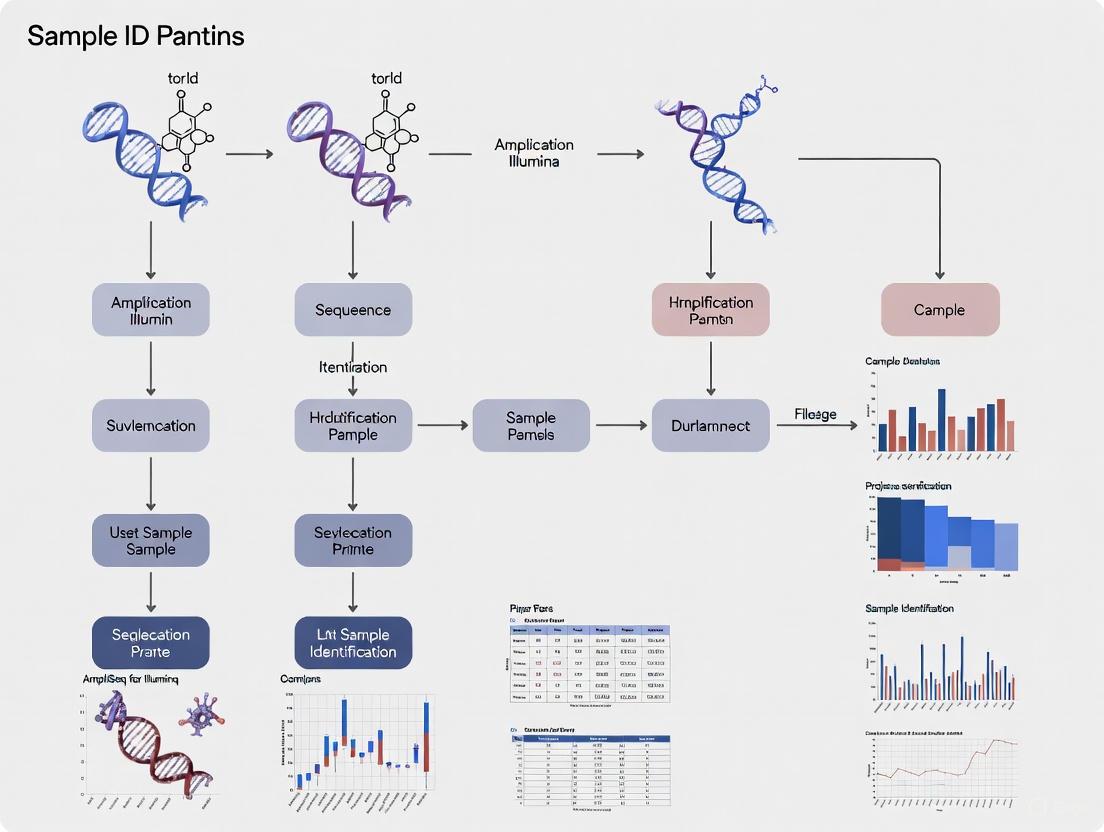
This article provides a comprehensive overview of the AmpliSeq for Illumina Sample ID Panel, a targeted SNP-based solution for accurate sample tracking and identification in next-generation sequencing (NGS).
Precise Sample Identification Using the AmpliSeq for Illumina Sample ID Panel: A Comprehensive Guide for Researchers
Abstract
This article provides a comprehensive overview of the AmpliSeq for Illumina Sample ID Panel, a targeted SNP-based solution for accurate sample tracking and identification in next-generation sequencing (NGS). Tailored for researchers and drug development professionals, it covers the foundational technology, detailed methodological workflow, best practices for troubleshooting and optimization, and validation data supporting its performance. The content synthesizes protocol guidance, training resources, and application notes to empower scientists in implementing this critical quality control tool across diverse research scenarios, including studies utilizing degraded or formalin-fixed paraffin-embedded (FFPE) samples.
Understanding the AmpliSeq for Illumina Sample ID Panel: Core Principles and Technology
Single Nucleotide Polymorphism (SNP)-based sample identification is a molecular technique that analyzes variations at single bases in the genome to uniquely distinguish biological samples. These single-base substitutions are detected using various techniques, including real-time PCR, microarrays, and next-generation sequencing (NGS) [1]. Unlike Short Tandem Repeats (STRs), which analyze repetitive sequences, SNPs represent the most abundant form of genetic variation in genomes, occurring in both coding and non-coding regions [2].
The fundamental principle behind SNP-based identification lies in the fact that every biological sample (e.g., cell lines, tissues, organoids) possesses a unique pattern of these nucleotide variations. By analyzing a sufficient number of SNP loci, a unique genetic "fingerprint" can be generated for each sample. This fingerprint is critical for confirming sample identity, detecting cross-contamination, and ensuring the integrity of biological models throughout research and development workflows [3].
In the context of a broader thesis on sample identification with the AmpliSeq for Illumina Sample ID Panel, this application note details the experimental protocols and comparative advantages of SNP-based methodologies. The AmpliSeq for Illumina platform provides targeted sequencing solutions for such applications, with dedicated documentation available for its custom and community panels, including detailed protocols for both DNA and RNA workflows [4].
The Critical Role in Next-Generation Sequencing Workflows
In NGS workflows, which generate vast amounts of complex data from multiple samples, sample identification and tracking are paramount. Sample misidentification or contamination can lead to erroneous data, irreproducible results, and invalid conclusions. SNP-based authentication serves as a crucial quality control check point to prevent these issues.
The consequences of using unauthenticated samples are severe. Studies indicate that up to 33% of popular cell lines are contaminated, and the International Cell Line Authentication Committee (ICLAC) lists over 530 misidentified cell lines with no known authentic stock [3]. Furthermore, it has been reported that more than 32,500 papers have referred to data from these misidentified lines, undermining scientific integrity and potentially wasting billions of research dollars [3].
SNP profiling integrates seamlessly into NGS workflows, offering a multifunctional approach that surpasses conventional methods. Beyond mere identification, a well-designed SNP panel can simultaneously:
- Detect intra- and interspecies contamination, as well as microbial contaminants like mycoplasma and viruses.
- Determine sample characteristics such as human gender and genetic background.
- Trace genetic drift and reconstruct sample phylogenies over time [3].
Funding agencies like the NIH and regulatory bodies like the U.S. FDA increasingly require such biosample authentication, especially for materials included in investigational new drug (IND) applications [3].
Comparative Analysis: SNP Profiling vs. Conventional STR Assays
For decades, PCR-based Short Tandem Repeat (STR) assays have been the gold standard for cell line authentication. However, NGS-based SNP profiling offers significant advantages in sensitivity, throughput, and informational content.
Table 1: Comparison of STR and SNP-Based Sample Identification Methods
| Feature | PCR-Based STR Assays | NGS-Based SNP Profiling |
|---|---|---|
| Number of Loci | 9 to 24 loci [3] | 600+ SNPs and chromosomal segments [3] |
| Sensitivity | 5-10% (may miss contamination up to 20%) [3] | High sensitivity with 3000x sequencing coverage [3] |
| Throughput | Low throughput | High throughput, hundreds of samples per run [3] |
| Multifunctional Data | Limited to identity | Can detect viruses, mycoplasma, genetic drift, and contamination ratios [3] |
| Performance on Difficult Samples | Struggles with closely related genetic material and microsatellite-unstable lines [3] | Accurate characterization even for inbred strains or related tumor lineages [3] |
The superior sensitivity of NGS is critical for detecting low-level contamination that could otherwise go unnoticed. Furthermore, SNPs are more stable than STRs in cell lines with mismatch repair (MMR) deficiencies, which exhibit microsatellite instability and can lead to STR misclassification [3].
Technical Protocols for SNP-Based Sample Identification
Library Preparation and Sequencing
A robust SNP identification protocol begins with high-quality DNA extraction. For the AmpliSeq for Illumina Custom and Community Panels, dedicated checklists and reference guides are available for both DNA and RNA protocols [4]. The general workflow for whole-genome sequencing (WGS) library preparation, which can be adapted for comprehensive SNP discovery, involves several key steps and kit options, as outlined in Table 2.
Table 2: Library Preparation Methods for Whole-Genome Sequencing (WGS)
| Library Prep Kit | Recommended Input DNA | Best For | Key Steps |
|---|---|---|---|
| TruSeq PCR-free | 1–2 μg | Any genome size; avoids PCR amplification biases | Fragmentation, end repair, A-tailing, adapter ligation, validation [5] |
| TruSeq Nano DNA | 100–200 ng | Any genome size with low input | Fragmentation, end repair, A-tailing, adapter ligation, PCR amplification, validation [5] |
| Nextera DNA | Low input (varies) | Large, complex genomes | Tagmentation (simultaneous fragmentation & adapter ligation), PCR amplification, cleanup [5] |
For projects focused on specific genomic regions, such as those using targeted panels like the AmpliSeq for Illumina Sample ID Panel, a hybridization-based enrichment step is incorporated after library preparation to capture the regions of interest before sequencing [1].
Sequencing Coverage and Data Analysis
The accuracy of SNP calling is heavily dependent on sequencing coverage (depth). Sufficient coverage ensures that each base is sequenced multiple times, reducing the impact of random sequencing errors.
Table 3: Recommended NGS Coverage for Variant Detection Adapted from [5]
| NGS Type | Application | Recommended Coverage (x) |
|---|---|---|
| Whole Genome Sequencing (WGS) | Homozygous SNVs | 15x |
| Whole Genome Sequencing (WGS) | Heterozygous SNVs | 33x |
| Whole Exome Sequencing (WES) | Homozygous/Heterozygous SNVs | 100x |
For high-confidence applications like cell line authentication, a coverage of 3000x is used for targeted SNP panels to ensure utmost accuracy [3]. In plant variety identification, a minimum coverage of 20x is considered a cost-effective starting point, but higher depth increases confidence in homozygous calls [6].
The bioinformatics workflow for SNP calling typically involves:
- Alignment: Mapping sequencing reads to a reference genome.
- Variant Calling: Using probabilistic models (e.g., Bayesian approaches) to identify SNP positions from the aligned reads [6]. Software like NanoCaller leverages haplotype information and deep neural networks for improved accuracy, even in difficult-to-map regions [7].
- Filtering: Applying a "data-noise identification and filtering framework" is crucial. This removes false positives arising from sequencing errors or low coverage, ensuring only high-confidence SNPs are used for identification [6]. This step often involves setting thresholds for read depth and the frequency of alternative alleles.
Essential Research Reagent Solutions
A successful SNP-based identification project relies on a suite of trusted reagents and computational tools.
Table 4: The Scientist's Toolkit for SNP-Based Identification
| Category | Item | Function | Example/Note |
|---|---|---|---|
| Library Prep | AmpliSeq for Illumina Panels | Targeted sequencing of custom SNP sets | Includes detailed DNA/RNA protocols [4] |
| TruSeq/Nextera Kits | Whole-genome or PCR-free library prep | Choice depends on input DNA and genome size [5] | |
| Enrichment | Illumina DNA Prep with Enrichment | Target capture for focused studies | Enables targeted resequencing [1] |
| Sequencing | NextSeq 2000 System | High-throughput sequencing | For applications like whole-exome sequencing [1] |
| Genotyping | Infinium Global Screening Array | Scalable, cost-effective SNP genotyping | Alternative to NGS for known variants [1] |
| Bioinformatics | Variant Callers (e.g., CLC Genomics, NanoCaller) | Identifies SNPs from sequence data | Uses probabilistic/Bayesian models [6] [7] |
| Data Analysis | Bipartite Visual Analytical Representations | Visualizes complex subject-SNP relationships | Reveals patterns difficult to see with standard plots [8] |
SNP-based sample identification, particularly when integrated with NGS technologies like the AmpliSeq for Illumina platform, provides an unparalleled solution for ensuring sample integrity in research. It offers a powerful, high-throughput, and multifunctional alternative to traditional STR methods, with superior sensitivity and the ability to generate rich, ancillary data. As the cost of sequencing continues to decrease, the adoption of NGS-based SNP profiling is poised to become the new gold standard for sample authentication, providing critical protection for intellectual property, ensuring regulatory compliance, and upholding the reproducibility and reliability of scientific data.
Within genetic research, ensuring sample integrity is paramount. The AmpliSeq for Illumina Sample ID Panel provides a sophisticated molecular tool designed to address this fundamental need through a concise set of genetic markers [9] [10]. This panel employs a strategically designed primer pool consisting of eight primer pairs targeting validated single nucleotide polymorphisms (SNPs) and one primer pair targeting the amelogenin gene for gender determination [11] [10].
The core application of this panel is to generate a unique genetic identifier for each research sample, thereby revealing sample misidentification, tracking sample origins in complex studies, and increasing overall confidence in data analysis and reporting [11]. Its design is compatible with a wide range of Illumina sequencing systems, including the MiSeq, iSeq 100, and NextSeq series, making it a versatile tool for many laboratory settings [9].
This document details the core components, experimental protocols, and applications of the panel, providing a structured guide for its implementation in research workflows focused on sample identification.
Core Components and Their Functions
The AmpliSeq for Illumina Sample ID Panel is a targeted genotyping tool that functions as a co-amplified component within broader AmpliSeq library preparations. The panel's effectiveness stems from its carefully selected targets, which provide high discrimination power with minimal sequencing overhead.
The Primer Pool Composition
The panel consists of a single 20X primer pool that contains nine primer pairs in a ready-to-use format [11]. The panel's complete composition and the function of each component are detailed in the table below.
Table 1: Core Components of the AmpliSeq for Illumina Sample ID Panel
| Component Type | Number of Targets | Genomic Target | Primary Function | Key Characteristic |
|---|---|---|---|---|
| SNP-Targeting Primer Pairs | 8 [10] | Validated, unlinked autosomal SNPs [11] | Sample fingerprinting and discrimination | High minor allele frequency across diverse populations [11] |
| Gender-Discriminating Primer Pair | 1 [10] | Amelogenin gene (X & Y chromosomes) [11] | Simple and quick sample gender determination | Amplifies distinct targets on the X and Y chromosomes [11] |
Technical Specifications and Performance
The panel is engineered for robust performance and is characterized by the following technical specifications:
- Discrimination Power: The combined panel of SNPs offers an optimal discrimination power of approximately 1 in 5,000 individuals, assuming no missing genotyping data [11].
- Target Robustness: The selected SNPs are unlinked and exhibit exceptional robustness and consistently high minor allele frequency across a diverse range of human populations, ensuring global applicability [11].
- Data Output: The first character of the generated Sample ID code provides instant gender determination, streamlining initial data review [11].
- Compatibility and Workflow: The panel is enabled for use with any Illumina barcode and is compatible with the Illumina Reporter Software for automated variant analysis, integrating seamlessly into existing data pipelines [11] [9].
Experimental Protocol
Integrating the Sample ID Panel into an existing AmpliSeq workflow is straightforward, requiring just one additional pipetting step. The following protocol assumes that the user is already performing a targeted sequencing experiment using an AmpliSeq for Illumina panel.
The diagram below illustrates the integrated library preparation workflow, highlighting the single step where the Sample ID Panel is introduced.
Detailed Step-by-Step Methodology
Materials Required:
- AmpliSeq for Illumina Sample ID Panel (20X Primer Pool) [10]
- AmpliSeq for Illumina Library PLUS Kit [9]
- AmpliSeq for Illumina Index Adapters (e.g., CD Indexes or UD Indexes) [9]
- DNA sample (10 ng recommended per pool) [9]
- AmpliSeq ready-to-use or custom panel for your primary target [11]
Procedure:
- Library Preparation Setup: Prepare the AmpliSeq library reaction according to the manufacturer's instructions for your selected AmpliSeq panel (e.g., Custom DNA Panel, Focus Panel) [9] [12].
- Spike-In Sample ID Panel: During the setup of the target amplification reaction, add 1 µL of the 20X Ion AmpliSeq Sample ID Primer Pool directly to the main AmpliSeq primer pool [11]. This is the critical step that enables co-amplification of the sample identification targets alongside your primary targets.
- Continue Standard Workflow: Proceed with the remainder of the library preparation protocol without modification. This includes:
- Multiplex PCR Amplification: The combined primer pools will simultaneously amplify your targets of interest and the Sample ID targets in a single, highly multiplexed PCR reaction [9].
- Library Purification: Partially digest primer sequences and ligate index adapters using the Library PLUS kit components [9].
- Library Normalization & Pooling: Normalize and pool the completed libraries for sequencing [9].
- Sequencing: Load the pooled libraries onto a compatible Illumina sequencing system (e.g., MiSeq, iSeq 100, NextSeq 550) following the system's standard sequencing protocol [9].
- Data Analysis: Following sequencing, use the Torrent Suite Software (v3.0 or greater) or compatible Illumina analysis software with the appropriate plug-in to automatically call the Sample ID genotypes and gender [11]. The software generates a unique ID for each sample, which can be used for quality control and sample tracking.
Research Reagent Solutions
Successful implementation of this protocol relies on several key reagents and components. The following table lists the essential materials and their specific functions within the workflow.
Table 2: Essential Research Reagents for Sample ID Panel Workflow
| Reagent / Component | Function in the Workflow | Example Catalog Number |
|---|---|---|
| AmpliSeq for Illumina Sample ID Panel | Provides the core 20X primer pool for co-amplification of SNP and gender targets. | 20019162 [10] |
| AmpliSeq Library PLUS Kit | Contains enzymes and buffers for library construction, including partial digestion and ligation steps. | 20019102 (96 rxn) [9] |
| AmpliSeq CD Indexes | Provides unique dual indices for multiplexing samples in a single sequencing run. | Set A: 20019105 [9] |
| AmpliSeq Custom DNA Panel | Example of a primary target panel that the Sample ID Panel can be spiked into. | 20020495 [9] |
| Preservative Solution Collection Tubes | For sample collection and nucleic acid preservation, especially useful for FFPE or remote collection. | Roche Cell-Free DNA Collection Tube [12] |
Applications in Research
The AmpliSeq Sample ID Panel is designed for specific use cases where sample identity is critical. Its primary applications in a research context include:
- Verification of Tumor/Normal Pairs: Confirming that matched tumor and normal samples from the same patient have not been swapped or misidentified during processing, which is crucial for accurate somatic variant calling in cancer research [11].
- Longitudinal Study Tracking: Ensuring the integrity of sample identity across multiple time points from the same individual, which is common in disease progression or treatment response studies [11].
- Multi-Tissue Sample Verification: Confirming that different tissues (e.g., primary tumor and metastasis) or multiple tumors indeed originate from the same patient [11].
- General Sample Authentication: Serving as a quality control measure in any study involving large numbers of human samples to detect and prevent cross-contamination or mislabeling.
Technical Considerations
When deploying the AmpliSeq for Illumina Sample ID Panel, researchers should be aware of several technical aspects to ensure optimal results:
- Input Material: The panel is optimized for use with 10 ng of genomic DNA as the starting material, consistent with other AmpliSeq panels [11] [9].
- Data Interpretation: The panel is for research use only and is not intended for use in diagnostic procedures [11].
- Inherent SNP Limitations: As with any SNP-based assay, users should be aware that the presence of genomic SNPs can sometimes confound downstream analysis if not properly accounted for, as discussed in studies of methylation arrays [13]. However, the SNPs in the Sample ID Panel are selected specifically for their high frequency and robustness to minimize such issues.
- Scalability: The 96-reaction size of the panel aligns with standard medium-throughput sequencing runs, allowing for efficient processing of multiple samples [11] [10].
AmpliSeq for Illumina technology provides a targeted sequencing solution that delivers exceptional accuracy and reliability for genetic research, particularly when working with challenging, low-input, and degraded samples. By leveraging a highly multiplexed PCR-based workflow, this chemistry enables researchers to generate consistent, high-quality data from minimal nucleic acid input, making it particularly suitable for sensitive applications like sample identification. This application note details the quantitative performance, provides step-by-step protocols, and visualizes the workflows for implementing AmpliSeq chemistry, with specific focus on the AmpliSeq for Illumina Sample ID Panel for precise sample tracking in complex research scenarios.
AmpliSeq for Illumina is a comprehensive targeted resequencing solution offering both ready-to-use and customizable panels for use with low-input DNA and RNA samples [14]. This technology delivers a fast, highly multiplexed PCR-based workflow for amplicon sequencing, enabling researchers to increase efficiency by targeting a few to hundreds of genes in a single run [14]. The chemistry is specifically engineered to maintain robust performance with limited sample material—as little as 1 ng of DNA or cDNA input—making it particularly valuable for investigating precious or limited biological specimens [14].
For sample identification research, the AmpliSeq for Illumina Sample ID Panel provides a versatile, cost-effective solution for tracking sample integrity across experiments. This panel comprises specially designed primer pairs that generate a unique molecular identifier during post-sequencing analysis, enabling reliable tracking of tumor/normal paired samples, longitudinal studies from the same individual, and multi-tissue samples from a single donor [15]. The panel's compatibility with all Illumina sequencing systems and its ability to work concomitantly with other AmpliSeq Ready-to-Use, Custom, and Community panels makes it an ideal choice for maintaining sample chain-of-custody in complex research designs [15].
Quantitative Performance Data
Performance Metrics with Challenging Samples
AmpliSeq chemistry demonstrates consistent performance across various challenging sample types, including FFPE tissues, low-quality DNA, and minimal input samples. The technology's precision enables researchers to achieve comprehensive coverage of targeted regions even with suboptimal starting material.
Table 1: Performance Metrics of AmpliSeq Chemistry with Challenging Samples
| Sample Type | Minimum Input | Coverage Uniformity | SNP Concordance | Recommended Panel Type |
|---|---|---|---|---|
| FFPE DNA | 1-10 ng | >95% | >99.5% | Focus Panel, Custom Panels |
| Cell-Free DNA | 1-10 ng | >90% | >99% | Cancer HotSpot Panel |
| Blood DNA | 1 ng | >99% | >99.8% | Sample ID Panel, Whole Exome |
| RNA from FFPE | 10 ng | >85% | >99% (for fusion detection) | RNA Fusion Panel |
AmpliSeq Sample ID Panel Specifications
The AmpliSeq for Illumina Sample ID Panel employs a sophisticated genotyping approach using single nucleotide polymorphisms (SNPs) to establish unique genetic fingerprints for sample tracking and identification.
Table 2: AmpliSeq Sample ID Panel Technical Specifications
| Parameter | Specification | Application Benefit |
|---|---|---|
| Number of Loci | 9 primer pairs [15] | Creates unique genotypic signature |
| Sample Multiplexing Capacity | 96-384 samples (with barcoding) | High-throughput study design |
| DNA Input Requirement | 1-10 ng | Compatible with limited samples |
| Data Analysis | DRAGEN Amplicon Pipeline [14] | Streamlined bioinformatics |
| Primary Application | Sample tracking in longitudinal and multi-sample studies [15] | Prevents sample mix-ups |
Experimental Protocols
Library Preparation Protocol for Sample ID Panel
The following detailed protocol ensures optimal library preparation when using the AmpliSeq for Illumina Sample ID Panel alone or in conjunction with other AmpliSeq panels.
Materials Required:
- AmpliSeq for Illumina Library Plus Preparation Kit
- AmpliSeq for Illumina Sample ID Panel (4479790) [15]
- Low-Input DNA samples (1-10 ng/μL concentration)
- Nuclease-free water
- Thermal cycler with heated lid
- Magnetic separator and SPRselect beads
- Illumina-specific index adapters
Procedure:
PCR Reaction Setup (Hands-on time: 30 minutes)
- Prepare master mix according to Table 3.
- Distribute 5 μL of master mix to each well of a 96-well PCR plate.
- Add 5 μL of DNA sample (1-10 ng total input) to each well.
- Seal plate and mix thoroughly by vortexing, then centrifuge briefly.
Table 3: PCR Master Mix Formulation for Sample ID Panel
Component Volume per Reaction (μL) Final Concentration AmpliSeq HiFi Master Mix 3.5 1X Sample ID Panel Primer Pool 1.0 0.2 μM each primer Additional AmpliSeq Panel Primer Pool 1.5 As recommended by manufacturer Nuclease-free Water 0.0 - Total Volume 5.0 Thermal Cycling Conditions
- Lid temperature: 105°C
- 99°C for 2 minutes (initial denaturation)
- 18 cycles of:
- 99°C for 15 seconds (denaturation)
- 60°C for 4 minutes (annealing/extension)
- Hold at 10°C
Partial Digest and Adapter Ligation (Hands-on time: 45 minutes)
- Prepare FuPa Reagent master mix according to kit specifications
- Add 5 μL of FuPa Reagent to each well of the PCR plate
- Seal, mix, centrifuge, and incubate on thermal cycler:
- 50°C for 10 minutes
- 55°C for 10 minutes
- 60°C for 20 minutes
- Hold at 10°C
- Prepare ligation master mix containing Illumina CD Indexes
- Add 5 μL of ligation master mix to each well
- Incubate on thermal cycler:
- 22°C for 30 minutes
- 68°C for 5 minutes
- 72°C for 5 minutes
- Hold at 10°C
Library Cleanup and Normalization (Hands-on time: 40 minutes)
- Pool libraries if multiple reactions were performed
- Add SPRselect beads at recommended ratio
- Incubate at room temperature for 5 minutes
- Place on magnetic separator until supernatant clears
- Remove and discard supernatant
- Wash twice with freshly prepared 80% ethanol
- Air dry beads for 5 minutes
- Elute in resuspension buffer
- Quantify library using fluorometric method
- Normalize libraries to 4 nM concentration
Sequencing and Data Analysis Protocol
Sequencing Configuration:
- System Compatibility: All Illumina sequencing systems [14]
- Recommended System: iSeq 100 for targeted panels [14]
- Read Length: 2x150 bp for Sample ID Panel
- Loading Concentration: 1.8-2.2 pM with 1% PhiX spike-in
Data Analysis Workflow:
- Base Calling and Demultiplexing - performed on-instrument by Illumina sequencing software
- Secondary Analysis - align reads against reference genome (GRCh37/38) and call variants using:
- Sample ID Generation - the DRAGEN Amplicon pipeline processes the 9 SNP genotypes to create unique sample fingerprints [15]
- Sample Matching - compare sample fingerprints across runs to verify identity and detect potential sample mix-ups
Workflow Visualization
AmpliSeq Sample ID Workflow: This diagram illustrates the complete process from sample preparation to sample identity confirmation using the AmpliSeq for Illumina Sample ID Panel.
Sample Identification Logic: This diagram shows the logical flow of sample identification using the 9-SNP panel to generate digital fingerprints for sample tracking.
Research Reagent Solutions
Table 4: Essential Research Reagents for AmpliSeq Sample ID Applications
| Reagent/Kit | Manufacturer | Function | Application Note |
|---|---|---|---|
| AmpliSeq for Illumina Library Plus Preparation Kit | Illumina | Core library construction | Compatible with all AmpliSeq panels including Sample ID |
| AmpliSeq for Illumina Sample ID Panel | Illumina | Sample identification | Contains 9 specialized primer pairs [15] |
| SPRselect Beads | Beckman Coulter | Size selection and cleanup | Critical for removing primer dimers |
| Illumina CD Indexes | Illumina | Sample multiplexing | Enables pooling of up to 384 samples |
| DRAGEN Amplicon Pipeline | Illumina | Secondary analysis | Provides variant calling and sample ID generation [14] |
| Qubit dsDNA HS Assay Kit | Thermo Fisher | Library quantification | Essential for accurate normalization |
Discussion
The AmpliSeq chemistry demonstrates significant advantages for maintaining sample integrity and achieving high accuracy with challenging samples. The integration of the Sample ID Panel within the AmpliSeq workflow provides researchers with a robust mechanism for sample tracking that is particularly valuable in several research scenarios:
Longitudinal Studies: The ability to generate unique genetic fingerprints using only 9 informative SNP loci enables confident tracking of samples from the same individual across multiple time points, eliminating concerns about sample mix-ups that could compromise long-term research findings [15].
Multi-Sample Investigations: For research involving multiple tissues or tumors from the same patient, the Sample ID Panel provides verification that each sample maintains its correct identity throughout processing and analysis, ensuring that molecular differences reflect biological reality rather than processing errors [15].
Low-Input Applications: The minimal DNA input requirements (as little as 1 ng) make the AmpliSeq Sample ID Panel particularly suitable for precious biobank samples, FFPE tissues, and other limited specimens where traditional sample tracking methods may be impractical or impossible [14] [15].
The combination of AmpliSeq chemistry with the dedicated Sample ID Panel creates a comprehensive solution for researchers requiring the highest levels of accuracy and sample integrity assurance in their genetic studies, particularly when working with challenging sample types that are common in clinical research and drug development contexts.
Troubleshooting Guide
Table 5: Common Issues and Resolution for AmpliSeq Sample ID Panel
| Issue | Potential Cause | Solution |
|---|---|---|
| Low library yield | Insufficient DNA input or quality | Verify DNA quantification method; increase input within recommended range |
| Poor coverage uniformity | PCR amplification bias | Ensure accurate primer pool concentrations; verify thermal cycler calibration |
| Adapter dimer formation | Incomplete cleanup | Optimize SPRIselect bead ratio; perform additional cleanup step [15] |
| Sample misidentification | Low genotype call quality | Increase sequencing depth; verify sample integrity pre-library prep |
| Inconsistent fingerprint | Sample cross-contamination | Implement strict laboratory controls; use unique dual indexes |
Integration within the Broader AmpliSeq for Illumina Custom and Community Panel Ecosystem
The AmpliSeq for Illumina ecosystem represents a comprehensive suite of targeted sequencing solutions designed to empower research by focusing on specific genomic content of interest. This ecosystem integrates custom content creation with community-vetted panels and specialized sample tracking tools, enabling researchers to construct highly tailored next-generation sequencing (NGS) studies. The flexibility of this system allows for the design of custom panels targeting specific genes, regions, or variants with high accuracy, forming an ideal foundation for sophisticated sample identification research [16] [9]. Within this framework, the AmpliSeq for Illumina Sample ID Panel provides a dedicated mechanism for sample tracking and authentication, ensuring data integrity throughout the research pipeline.
The core strength of this ecosystem lies in its unified workflow, which maintains consistency across different panel types—from large custom designs to focused community panels. This integration enables researchers to incorporate sample identification directly into their primary sequencing workflow, eliminating the need for separate authentication processes and streamlining the path from sample collection to data analysis [9].
Ecosystem Components and Specifications
The AmpliSeq ecosystem comprises several interconnected components that can be deployed individually or in integrated workflows. The system supports a breadth of applications from focused candidate gene studies to large-scale screening projects, all while maintaining the option for sample identification integration.
Table 1: AmpliSeq for Illumina Panel Types and Specifications
| Panel Type | Content Specifications | Number of Amplicons | Primary Applications | Species Compatibility |
|---|---|---|---|---|
| Custom DNA Panel | Custom content of interest - up to 5 Mb | 12 to 12,288 amplicons [9] | Targeting specific genes, regions, or variants [9] | Any species; predefined genomes available [9] |
| On-Demand Panel | Custom content from 1 to 500 genes | 24 to 15,000 amplicons [9] | Focused studies using pretested genes [9] | Human [9] |
| Community Panels | Content curated by research community | Varies by panel | Disease-specific research [16] | Varies by panel |
| Sample ID Panel | 8 SNP-targeting primer pairs + 1 gender discriminator primer pair [9] | 9 primer pairs [9] | Sample identification and tracking [9] | Human [9] |
The technical foundation of all AmpliSeq panels is the robust multiplex PCR chemistry, which delivers consistent performance across various sample types, including challenging samples like formalin-fixed, paraffin-embedded (FFPE) tissues [9]. The library preparation workflow requires approximately 5 hours with only 1.5 hours of hands-on time, making it efficient for research teams processing multiple samples [9]. Input quantity requirements range from 1-100 ng of DNA, with 10 ng recommended per pool, accommodating even limited samples [9].
Table 2: Key Workflow Specifications Across AmpliSeq Ecosystem
| Parameter | Specification | Notes |
|---|---|---|
| Assay Time | As low as 5 hours | Library prep only; excludes library quantification, normalization, or pooling time [9] |
| Hands-on Time | 1.5 hours | Active researcher time required [9] |
| Input Quantity | 1-100 ng DNA | 10 ng recommended per pool [9] |
| Multiplexing Capacity | Up to 96 samples per run | Enabled by integrated sample barcodes [16] |
| Instrument Compatibility | iSeq 100, MiSeq, NextSeq Series, MiniSeq Systems | Broad platform support [9] |
Experimental Protocols for Integrated Sample Identification
Integrated Library Preparation with Sample ID Incorporation
The following protocol describes the complete workflow for preparing sequencing libraries that incorporate sample identification features alongside custom or community panel content.
Materials Required:
- AmpliSeq for Illumina Custom DNA Panel (or Community Panel)
- AmpliSeq for Illumina Sample ID Panel
- AmpliSeq Library PLUS Kit
- AmpliSeq CD Indexes or UD Indexes
- Nuclease-free water
- DNA input (1-100 ng per sample)
Procedure:
- Panel Design and Selection: Utilize the DesignStudio Assay Design Tool to create custom content or select appropriate community panels based on research goals [16]. For sample tracking, incorporate the Sample ID Panel into your design.
Library Preparation:
- Dilute DNA samples to the recommended 10 ng/μL in nuclease-free water.
- Prepare the AmpliSeq Master Mix according to Library PLUS kit specifications.
- Combine DNA samples with the Master Mix and partition into appropriate reaction vessels.
- Transfer the reaction plate to a thermal cycler and run the following protocol:
- Hold at 99°C for 2 minutes
- 21 cycles of:
- Denature at 99°C for 15 seconds
- Anneal/Extend at 60°C for 4 minutes
- Hold at 10°C indefinitely
Partial Digest and Barcoding:
- Prepare the Partial Digest Master Mix from the Library PLUS kit.
- Add the mix to each well and incubate at 50°C for 10 minutes, then hold at 10°C.
- Add appropriate Illumina CD Indexes or UD Indexes to each sample well.
- Add Ligase Master Mix to all wells and incubate at 30°C for 10 minutes, followed by 68°C for 5 minutes.
Library Purification and Normalization:
- Add AmpliSeq HF Beads to each reaction and follow purification protocol.
- Elute DNA in nuclease-free water or provided elution buffer.
- Quantify libraries using fluorometric methods and normalize to 2-4 nM.
Pooling and Sequencing:
- Pool normalized libraries according to the desired multiplexing level (up to 96 samples).
- Denature and dilute the pooled library according to Illumina sequencing system specifications.
- Load onto compatible sequencing instrument for analysis [9].
Sample ID Analysis Protocol
Following sequencing, the Sample ID data requires specific processing to authenticate samples and track them throughout the analysis pipeline.
Data Demultiplexing: Use Illumina's primary analysis software (e.g., DRAGEN or bcl2fastq) to demultiplex sequencing data by both sample-specific barcodes and the Sample ID Panel markers.
Sample ID Genotype Calling:
- Align sequences from the Sample ID Panel amplicons to the reference genome.
- Call genotypes at each of the 8 SNP positions targeted by the Sample ID Panel.
- Generate a sample-specific genotype profile for identification.
Sample Authentication:
- Compare genotype profiles across all samples to identify potential sample mix-ups or contaminations.
- For longitudinal studies, compare with previously generated genotype profiles to verify sample identity.
- Flag any discrepancies for further investigation.
Gender Verification (Optional):
- Utilize the gender-discriminating primer pair in the Sample ID Panel to verify stated sample gender.
- Compare results with clinical data or previous records to ensure consistency.
Data Integration: Merge sample authentication information with primary variant calls from custom or community panels for final analysis, ensuring each data point is linked to a verified sample source [9].
Workflow Integration and Data Analysis
The integration of custom/community panels with the Sample ID Panel creates a seamless workflow that extends from sample preparation through final data analysis. This integration ensures that sample identity is preserved throughout the entire research pipeline.
Workflow Integration
The data analysis pathway incorporates both the primary research data from custom/community panels and the authentication data from the Sample ID Panel. This integrated approach provides multiple checkpoints for verifying sample integrity.
Data Analysis Pathway
Research Reagent Solutions
Successful implementation of integrated AmpliSeq workflows requires specific reagent systems designed to work seamlessly together within the ecosystem.
Table 3: Essential Research Reagents for Integrated AmpliSeq Workflows
| Reagent Solution | Function | Specifications | Compatibility |
|---|---|---|---|
| AmpliSeq Custom DNA Panel | Targets specific genes/regions of interest [9] | 12-12,288 amplicons; content up to 5 Mb [9] | All Illumina sequencing systems [9] |
| AmpliSeq Library PLUS Kit | Prepares sequencing libraries from amplicons [9] | Includes reagents for 24, 96, or 384 libraries [9] | All AmpliSeq panels [9] |
| AmpliSeq CD/UD Indexes | Uniquely labels individual samples for multiplexing [9] | 8bp indexes; available in sets of 24, 96, or 384 [9] | All AmpliSeq panels [9] |
| AmpliSeq for Illumina Sample ID Panel | Provides sample authentication and tracking [9] | 8 SNP-targeting + 1 gender discrimination primer pair [9] | Can be combined with any DNA panel [9] |
| AmpliSeq for Illumina Direct FFPE DNA | Processes challenging FFPE samples [9] | 24 reactions to prepare DNA from FFPE sources [9] | Compatible with FFPE-derived DNA [9] |
Discussion and Implementation Considerations
The integration of custom or community panels with the Sample ID Panel creates a robust framework for sample identification within targeted sequencing studies. This approach addresses a critical challenge in modern genomics research: maintaining sample integrity throughout complex experimental workflows. The unified nature of the AmpliSeq ecosystem means that researchers can implement this integrated approach without compromising data quality or significantly increasing procedural complexity.
When planning studies that utilize this integrated approach, several factors warrant consideration. First, the Sample ID Panel requires minimal sequencing capacity, typically representing less than 1% of total reads in a well-balanced library. Second, the combined workflow does not extend processing time compared to running panels separately. Third, the data analysis pipeline can be configured to automatically flag sample identity discrepancies before proceeding with variant calling, preventing contaminated or misidentified samples from compromising results.
For research involving longitudinal samples or multi-center studies, this integrated approach provides particular value by embedding sample verification directly into the primary data generation process. The ability to retrospectively verify sample identity—even years after initial processing—ensures long-term data integrity and reproducibility of research findings [9].
Implementing the Workflow: A Step-by-Step Guide from Library Prep to Data Analysis
The AmpliSeq for Illumina platform provides a highly multiplexed, polymerase chain reaction (PCR)-based targeted sequencing solution designed for efficient library preparation from low-input DNA and RNA samples. This technology enables researchers to focus on specific genes, regions, or variants of interest with exceptional accuracy, even from challenging sample types such as formalin-fixed, paraffin-embedded (FFPE) tissues [17] [9]. When applied to sample identification research using the AmpliSeq for Illumina Sample ID Panel, this workflow generates unique genetic fingerprints for each research sample, providing added confidence in sample tracking and management throughout drug development pipelines [18].
The core of this methodology centers on the AmpliSeq Library PLUS Kit, which facilitates a rapid and streamlined workflow. Library preparation requires approximately 5 hours of total assay time with less than 1.5 hours of hands-on time, dramatically improving laboratory efficiency compared to traditional methods [17]. The entire process—from multiplexed PCR amplification through to sequencing-ready libraries—replaces nonspecific hybridization steps with a highly specific, high-uniformity amplification approach, making it particularly suitable for research environments processing hundreds to thousands of samples [17] [14].
Technical Specifications and Performance Parameters
Key Quantitative Specifications
The AmpliSeq for Illumina system offers robust performance characteristics optimized for targeted sequencing applications. The table below summarizes the critical technical specifications for the library preparation workflow:
Table 1: AmpliSeq Library PLUS Technical Specifications
| Parameter | Specification | Applicable Context |
|---|---|---|
| Total Assay Time | ~5 hours [17] | Library preparation only; excludes quantification, normalization, and pooling |
| Hands-on Time | <1.5 hours [17] | Active researcher time required |
| Input Quantity Range | 1-100 ng [17] | 10 ng recommended per pool |
| Amplicon Capacity | 12 to 12,288 amplicons [17] | Varies by panel design |
| Multiplexing Capacity | Up to 96-plex [9] | Sample multiplexing per run |
| Compatible Instruments | iSeq 100, MiSeq, MiniSeq, NextSeq series [17] [9] | Illumina sequencing systems |
Sample ID Panel Specifications
The AmpliSeq for Illumina Sample ID Panel is specifically designed for sample tracking and identification in research settings. This panel targets eight single nucleotide polymorphisms (SNPs) across the human genome plus one gender-discriminating primer pair, generating a unique genetic identifier for each sample [17] [18]. The kit contains sufficient reagents for 96 reactions when paired with the AmpliSeq Library PLUS kit, enabling medium-throughput studies without requiring additional reagent optimization [18]. This approach provides a genetic barcoding system that remains with the sample throughout processing and analysis, reducing the potential for sample mix-ups in long-term or multi-center studies.
Research Reagent Solutions
Successful implementation of the AmpliSeq for Illumina workflow for sample identification research requires several key components. The table below outlines the essential reagents and their specific functions within the experimental paradigm:
Table 2: Essential Research Reagents for AmpliSeq Sample ID Workflow
| Component | Function | Specifications |
|---|---|---|
| AmpliSeq Library PLUS | Core library preparation reagents | Available in 24, 96, or 384 reactions [17] |
| AmpliSeq for Illumina Sample ID Panel | Targets SNPs for sample identification | 8 SNP primer pairs + 1 gender determination pair [18] |
| AmpliSeq CD Indexes | Sample multiplexing for sequencing | 8 bp indexes; available in multiple sets (A-D) [17] |
| AmpliSeq for Illumina Direct FFPE DNA | FFPE sample preparation | Enables direct use of FFPE tissues without DNA purification [17] |
| AmpliSeq Library Equalizer | Library normalization | Bead-based normalization for sequencing [17] |
Experimental Protocol for Sample Identification Research
The complete experimental workflow for sample identification using the AmpliSeq for Illumina platform integrates several sequential steps from sample preparation through data analysis. The following diagram visualizes this comprehensive process:
Detailed Methodology
Initial Setup and PCR Amplification
Begin with DNA extraction from research samples (blood, FFPE, or other tissues) and quantify using fluorometric methods. For FFPE samples, the AmpliSeq for Illumina Direct FFPE DNA kit enables direct use of tissues without separate DNA purification [17]. Dilute DNA to the recommended 10 ng per pool in low-EDTA TE buffer, though the protocol supports inputs from 1-100 ng to accommodate limited samples [17]. Prepare the PCR master mix according to the AmpliSeq Library PLUS reference guide, adding the Sample ID Panel primer pool that targets the eight identification SNPs and single gender marker [18]. Perform multiplexed PCR amplification using the following cycling conditions:
- Hold Stage: 99°C for 2 minutes
- Cycling Stage (21 cycles): 99°C for 15 seconds (denaturation) + 60°C for 4 minutes (annealing/extension)
- Hold Stage: 10°C indefinitely [19]
This optimized cycling protocol ensures specific amplification of target regions while maintaining efficiency across multiple amplicons.
Primer Digestion and Library Preparation
Following PCR amplification, partially digest the forward and reverse primer sequences to prepare amplicon ends for adapter ligation. Combine the PCR reaction with FuPa Reagent and incubate according to the following parameters:
- Incubation: 50°C for 10 minutes
- Enzyme Inactivation: 55°C for 10 minutes + 60°C for 20 minutes [19]
This enzymatic treatment generates amplicons with ligation-compatible ends while simultaneously digesting any remaining primer contaminants that could interfere with downstream steps.
Adapter Ligation and Library Amplification
After primer digestion, ligate Illumina-specific adapters containing sample-specific barcodes (AmpliSeq CD Indexes) using the DNA Ligase master mix. The ligation reaction incorporates P5 and P7 flow cell attachment sites and i5 and i7 sample index sequences that enable sample multiplexing [19] [17]. Following ligation, amplify the libraries using limited-cycle PCR to enrich for properly ligated fragments while incorporating the complete adapter sequences required for cluster generation on Illumina sequencing systems.
Library Normalization, Pooling, and Sequencing
Normalize the final libraries using the AmpliSeq Library Equalizer, a bead-based normalization system that ensures equimolar representation of each sample in the sequencing pool [17]. This critical step maximizes data yield and prevents sample representation bias during sequencing. Combine normalized libraries into a single pool and dilute to the appropriate concentration for sequencing. Load the pooled libraries onto compatible Illumina sequencing systems (iSeq 100, MiSeq, NextSeq series) following the manufacturer's recommendations for amplicon sequencing applications [17] [9].
Data Analysis and Interpretation
Sample Identification Analysis Pathway
Following sequencing, process the generated data through a specialized analysis workflow to establish sample identities. The pathway below illustrates the key analytical steps from raw data to sample identification:
Analytical Framework Implementation
Process raw sequencing data through the DRAGEN Amplicon pipeline on BaseSpace Sequence Hub or using Local Run Manager for on-instrument analysis [14]. These platforms align reads against the reference genome (GRCh38) and perform variant calling specifically for the targeted SNP positions. For each sample, the analysis generates:
- Genotype calls at eight predefined SNP loci
- Sex chromosome information from the gender-determining marker
- Quality metrics for each genotype call
Compile these data into a unique genetic profile for each sample, which can be tracked throughout the research lifecycle. Compare profiles across timepoints to confirm sample identity or identify potential mismatches. This approach provides a powerful quality control mechanism for longitudinal studies or multi-center trials where sample integrity is paramount.
Applications in Drug Development Research
The AmpliSeq for Illumina Sample ID workflow addresses critical needs in pharmaceutical research and development. In preclinical studies, the system provides unambiguous sample tracking from animal models through molecular analyses, ensuring data integrity across processing stages. For clinical trial support, the platform offers a mechanism to verify patient sample identity across multiple visits and testing modalities, reducing potential errors in biomarker analysis or pharmacogenomic assessments. The minimal DNA input requirement (as low as 1 ng) enables researchers to work with limited clinical specimens, such as tumor biopsies or pediatric samples, while maintaining sample identification capabilities [17].
The technology's compatibility with FFPE tissues further extends its utility in retrospective studies using archived pathology specimens, allowing researchers to correlate historical clinical outcomes with molecular profiles while maintaining chain of custody for valuable samples [17] [9]. The platform's 96-plex capability enables efficient processing of sample batches corresponding to standard microtiter plate formats, streamlining laboratory workflows in medium-to-high throughput environments [9].
Within the framework of research focused on sample identification using the AmpliSeq for Illumina Sample ID Panel, the strategic selection and application of index adapters are paramount. Multiplex sequencing, the simultaneous sequencing of multiple libraries in a single run, is facilitated by the incorporation of unique DNA barcodes, or indexes, into each sample library [20]. This methodology dramatically increases throughput, reduces per-sample costs, and conserves valuable reagents [20]. This application note provides a detailed protocol and strategic guidance for employing AmpliSeq UD Indexes (Unique Dual Indexes) to ensure the highest data quality and reliability for sample identification studies and other targeted sequencing applications.
The Principle of Multiplexing with Unique Dual Indexes
Multiplex sequencing allows researchers to pool large numbers of individually prepared libraries for a simultaneous sequencing run. Each library in the pool is tagged with a unique combination of two index sequences—the i7 (Index 1) and i5 (Index 2) adapters [20]. Following the sequencing run, bioinformatics software uses these unique combinatorial barcodes to demultiplex the data, assigning each read to its correct source sample [20]. The use of unique dual indexes is a superior indexing strategy, as it provides an additional layer of specificity compared to single indexing. This enhanced specificity allows for a greater number of samples to be multiplexed together and, crucially, enables the detection and correction of a phenomenon known as index hopping, thereby significantly improving data accuracy [20].
The following diagram illustrates the logical workflow and key decision points for the application of UD Indexes in a sample identification study.
Key Research Reagent Solutions
The successful implementation of a multiplexed AmpliSeq for Illumina experiment requires several key components. The table below details the essential reagents and their specific functions within the workflow.
Table 1: Essential Research Reagents for AmpliSeq for Illumina Workflows
| Component Name | Function & Role in the Workflow | Example Catalog Numbers |
|---|---|---|
| AmpliSeq for Illumina Custom Panel | Contains the primer pools for targeted amplification of genomic regions of interest. | 20020495 (< 4999 amplicons, 750/3000 samples) [9] |
| AmpliSeq Library PLUS Kit | Provides the essential enzymes and master mix for the library preparation steps, including amplification and partial digestion of primers. | 20019101 (24 rxns), 20019102 (96 rxns), 20019103 (384 rxns) [9] |
| AmpliSeq UD Indexes for Illumina | Contains the unique dual index adapters (i7 and i5) that are ligated to amplicons, enabling sample multiplexing and identification. | 20019104 (24 indexes, 24 samples) [9] |
| AmpliSeq for Illumina Sample ID Panel | A specialized panel targeting specific SNPs used for sample tracking and authentication, helping to prevent sample mix-ups [9]. | 20019162 [9] |
Strategic Selection of UD Indexes
Quantitative Specifications of AmpliSeq UD Indexes
The AmpliSeq for Illumina portfolio offers several index adapter kits with varying capacities to suit different experimental scales. The UD Indexes are specifically designed for robust performance.
Table 2: AmpliSeq Index Adapter Product Specifications
| Product Name | Number of Indexes | Sample Capacity | Index Type | Key Application |
|---|---|---|---|---|
| AmpliSeq UD Indexes | 24 | 24 samples | Unique Dual | Small-scale studies, method optimization [9] |
| AmpliSeq CD Indexes Set A | 96 | 96 samples | Combinatorial Dual | Medium-scale studies [9] |
| AmpliSeq CD Indexes Set A-D | 384 | 384 samples | Combinatorial Dual | Large-scale, high-throughput studies [9] |
The Imperative of Index Color Balancing
A critical consideration when selecting index sequences for a pooling experiment is index color balancing. This ensures that during each cycle of index sequencing, signal is present in both imaging channels of the sequencer [21]. This is particularly crucial for 2-channel sequencing systems like the MiSeq i100, NextSeq 1000/2000, and NovaSeq X Series.
- Principle: The MiSeq i100 XLEAP-SBS chemistry uses three fluorescent dyes and two images to encode the four bases. The bases are assigned as follows: T (Green), C (Blue), A (Blue + Green), and G (Dark, no label) [21].
- Requirement: For optimal base calling, the pool of index sequences must be selected so that, for every sequencing cycle, there is a mix of bases that produce signal in both the green and blue channels. Pools that are unbalanced—for example, those with signal only in the blue channel (from only A or C bases) in a given cycle—can lead to poor sequencing performance and demultiplexing failures [21].
- Guidance: Illumina provides an Index Adapters Pooling Guide with pre-tested, color-balanced index combinations [21]. It is strongly recommended to use these validated combinations. For custom or third-party index combinations not listed in the guide, empirical testing is necessary to confirm they demultiplex reliably [21].
Detailed Experimental Protocol: Library Preparation and Index Ligation
This protocol outlines the key steps for preparing multiplexed libraries using the AmpliSeq for Illumina workflow, with a focus on the application of UD Indexes.
The complete workflow, from sample preparation to data analysis, involves a series of standardized and critical steps to ensure library quality and the success of the multiplexed run.
Step-by-Step Methodology
DNA Input and Target Amplification
- Dilute genomic DNA to the recommended concentration of 20-50 ng/µL [22]. The AmpliSeq workflow is compatible with a wide input range of 1-100 ng, with 10 ng per pool being the recommendation for optimal performance [9].
- For sample identification studies, incorporate the AmpliSeq for Illumina Sample ID Panel, which includes primer pairs for SNP targets and a gender-discriminating primer pair [9].
- Set up the amplification reaction using the AmpliSeq custom or community panel and the Library PLUS kit. The thermocycling conditions will be as specified in the AmpliSeq reference guide.
Partial Digest and Index Ligation
- Following target amplification, treat the PCR products with the provided FuPa reagent. This crucial step performs a partial digestion of the amplification primers, preparing the amplicon ends for the subsequent ligation of index adapters [9].
- Following the digest, ligate the uniquely selected AmpliSeq UD Index adapters (i7 and i5) to the amplicons. Each sample in the pool must receive a unique combination of i7 and i5 indexes.
Library Purification and Quality Control
- Purify the indexed libraries using Agencourt AMPure XP beads or an equivalent solid-phase reversible immobilization (SPRI) method to remove enzymes, salts, and unused index adapters.
- Quantify the final purified libraries using a fluorescence-based method such as Qubit or PicoGreen to ensure accurate normalization prior to pooling [22].
Library Normalization, Pooling, and Sequencing
- Normalize all libraries to an equimolar concentration based on the quantification results.
- Combine the normalized, indexed libraries into a single pool for sequencing. The total number of libraries in a pool can be up to 96-plex, though the actual number depends on the desired sequencing coverage and the specifics of the panel [9].
- Sequence the pooled library on an appropriate Illumina sequencing system, such as the MiSeq System, iSeq 100 System, or NextSeq Series instruments [9].
Data Analysis and Sample Identification
Upon completion of the sequencing run, the data analysis pipeline begins with demultiplexing. The Illumina DRAGEN or MiSeq Reporter software automatically identifies the unique i7 and i5 index sequences for each cluster and sorts the reads into sample-specific files [21]. For research utilizing the AmpliSeq for Illumina Sample ID Panel, the data analysis proceeds to genotype the targeted SNPs, creating a unique genetic fingerprint for each sample. This fingerprint is instrumental in sample tracking, verifying sample identity throughout the experimental workflow, and authenticating cell lines, thereby ensuring the integrity of research results [9].
Within the broader context of research on sample identification using the AmpliSeq for Illumina Sample ID Panel, selecting an appropriate sequencing platform is a critical first step. This targeted panel, designed for quick and accurate sample identification, can be deployed across the majority of Illumina's sequencing portfolio [9] [23]. The choice of platform—whether the benchtop iSeq 100 or MiSeq systems, the mid-output NextSeq series, or the production-scale NovaSeq systems—directly impacts project throughput, turnaround time, and cost-efficiency. This application note provides a detailed framework for evaluating platform compatibility and outlines optimized protocols to ensure robust and reliable sample identification data across these systems.
Sequencing Platform Comparison and Selection Guide
The AmpliSeq for Illumina Sample ID Panel is compatible with a range of instruments, from benchtop to production-scale systems [9]. The key to selecting the right platform lies in aligning the system's output and run characteristics with the specific goals of the sample identification project, such as the number of samples to be multiplexed and the required sequencing depth.
Table 1: Key Specifications of Compatible Benchtop Sequencers
| Platform | Max Output | Run Time (Range) | Max Reads per Run | Max Read Length | Key Consideration for Sample ID |
|---|---|---|---|---|---|
| iSeq 100 System | 1.2-1.8 Gb | ~4-24 hr | 4-8 Million | 2 x 150 bp | Ideal for low-throughput, rapid verification of a few samples. |
| MiniSeq System | 1.8-7.5 Gb | ~4-24 hr | 8-25 Million | 2 x 150 bp | Cost-effective option for small-scale projects [24]. |
| MiSeq System | 0.3-15 Gb | ~5-55 hr | 1-25 Million | 2 x 300 bp | High data quality and longer reads; well-suited for focused panels [25] [24]. |
| MiSeqDx (Research Mode) | 0.3-15 Gb | ~4-55 hr | 1-25 Million | 2 x 300 bp | Offers clinical-grade reproducibility for research [24] [9]. |
| NextSeq 550 System | 20-120 Gb | ~11-29 hr | 130-400 Million | 2 x 150 bp | Balanced throughput for medium-sized studies [25] [9]. |
| NextSeq 1000/2000 | 30-540 Gb | ~8-44 hr | Up to 1.8 Billion | 2 x 300 bp | High flexibility for growing project needs [25] [9]. |
Table 2: Key Specifications of Compatible Production-Scale Sequencers
| Platform | Max Output | Run Time (Range) | Max Reads per Run | Max Read Length | Key Consideration for Sample ID |
|---|---|---|---|---|---|
| NovaSeq 6000 | 167-6000 Gb | ~19-40 hr | 1.4-20 Billion | 2 x 150 bp | For ultra-high sample multiplexing or concurrent projects [25] [24]. |
| NovaSeq X Series | Up to 8 Tb | ~17-48 hr | Up to 52 Billion | 2 x 150 bp | Maximum throughput for largest-scale sample identification efforts [25]. |
The following decision pathway provides a logical framework for selecting the most suitable sequencing system based on project scope:
Detailed Experimental Protocols
Library Preparation with the AmpliSeq Sample ID Panel
The AmpliSeq for Illumina Sample ID Panel employs a highly multiplexed PCR approach to amplify a specific set of single nucleotide polymorphism (SNP)-targeting and gender-discriminating primer pairs [9] [23]. The protocol is optimized for a fast, streamlined workflow.
Protocol: Library Preparation [9]
- Input DNA Normalization: Dilute genomic DNA samples to the recommended 1-100 ng input range in a 96-well plate. A input of 10 ng per pool is recommended for optimal performance.
- Multiplex PCR Amplification:
- Prepare the AmpliSeq Master Mix according to the specifications in the AmpliSeq Library PLUS reference guide.
- Combine the master mix with the AmpliSeq for Illumina Sample ID Panel primer pool and the normalized DNA samples.
- Perform PCR amplification using the following cycling conditions:
- Hold: 99°C for 2 minutes
- Cycling (21-24 cycles): 99°C for 15 seconds (denaturation) → 60°C for 4 minutes (annealing/extension)
- Hold: 10°C ∞
- PCR Product Cleanup: Add FuPa Reagent to partially digest primer sequences and phosphorylate the amplicons. Incubate the reaction and then neutralize the reaction.
- Adapter Ligation:
- Combine the cleaned-up amplicons with DNA Ligase and the appropriate AmpliSeq CD Indexes (e.g., Set A, B, C, or D).
- Incubate to ligate the dual index adapters uniquely to each sample, enabling sample multiplexing.
- Indexed Library Cleanup: Purify the ligated libraries using AMPure XP beads to remove excess adapters and reaction components.
- Library Amplification & Final Cleanup: Perform a limited-cycle PCR to enrich for adapter-ligated fragments. Conduct a final purification using AMPure XP beads. The final libraries are eluted in a low EDTA TE buffer or nuclease-free water.
The entire library preparation process requires approximately 5 hours of assay time, with only about 1.5 hours of hands-on time [9].
Platform-Specific Sequencing Protocols
Once libraries are prepared and quantified, they must be sequenced on a compatible Illumina platform. Key parameters must be adjusted for each system.
Sequencing Run Setup
- Library Pool Normalization: Precisely quantify the final libraries using a fluorometric method. Normalize libraries to equimolar concentrations and pool them together based on the desired level of multiplexing for the run.
- Denature and Dilute Pooled Library: Denature the pooled library using fresh NaOH, then dilute to the appropriate loading concentration specified in the system's Denature and Dilute Libraries Guide.
- System Loading and Run Setup:
- Load the denatured and diluted library onto the flow cell according to the platform-specific instructions.
- Select the appropriate sequencing application and workflow on the instrument's control software (e.g., Local Run Manager for MiSeq, or the onboard software for NextSeq/NovaSeq).
- For the AmpliSeq Sample ID Panel, select a paired-end run with a minimum of 2 x 150 cycles (or 2 x 300 cycles on the MiSeq) to ensure sufficient read length to cover the entire amplicon [25] [24].
- Initiate the Run: Start the sequencing run. The system will automatically perform cluster generation, sequencing, and base calling.
Table 3: Platform-Specific Sequencing Parameters for Sample ID Panel
| Platform | Recommended Flow Cell | Read Length | Index Read Length | Key Chemistry Temperatures |
|---|---|---|---|---|
| iSeq 100 | Standard | 2 x 150 bp | i7: 8 bp | Primer Binding: 65°C; Incorporation: 65°C [26] |
| MiSeq Series | Micro, V2, V3 | 2 x 300 bp | i7: 8 bp | Primer Binding: 65°C; Incorporation: 65°C [26] |
| NextSeq 500/550 | High Output v2 | 2 x 150 bp | i7: 8 bp, i5: 8 bp | Primer Binding: 60°C; Incorporation: 60°C [26] |
| NextSeq 1000/2000 | High-Output | 2 x 150 bp | i7: 8 bp, i5: 8 bp | Primer Binding: 60°C; Incorporation: 60°C [26] |
| NovaSeq 6000 | S1, S2, S3, S4 | 2 x 150 bp | i7: 8 bp, i5: 8 bp | Primer Binding: 60°C; Incorporation: 60°C [26] |
The Scientist's Toolkit: Research Reagent Solutions
Successful execution of the sample identification workflow relies on a suite of specialized reagents and kits. The following table details the essential components.
Table 4: Essential Research Reagents and Kits for the AmpliSeq Sample ID Workflow
| Product Name | Function | Specifications & Compatibility |
|---|---|---|
| AmpliSeq for Illumina Sample ID Panel | Core primer pool targeting specific SNPs and a gender marker for sample identification. | Includes primer pairs for 96 reactions when paired with AmpliSeq Library PLUS [9]. |
| AmpliSeq Library PLUS for Illumina | Master mix containing enzymes and buffers for amplification, cleanup, and ligation steps. | Available in 24, 96, and 384 reactions [9]. |
| AmpliSeq CD Indexes for Illumina | Unique dual index adapters for sample multiplexing. | Available in sets (A-D), each with 96 unique 8 bp indexes [9]. |
| AMPure XP Beads | Solid-phase reversible immobilization (SPRI) beads for post-reaction cleanup and size selection. | Used for PCR cleanup and post-ligation purification. |
| Illumina Flow Cells | The substrate where cluster generation and sequencing occur. | Platform-specific (e.g., MiSeq V3, NextSeq High-Output, NovaSeq S1-S4) [25] [24]. |
| Illumina Sequencing Reagent Kits | Consumable cartridges or bottles containing buffers, enzymes, and nucleotides for sequencing-by-synthesis. | Platform-specific (e.g., MiSeq Reagent Kit v3, NextSeq 1000/2000 P2/P3 reagents) [25]. |
Technical Considerations for Cross-Platform Compatibility
When migrating the Sample ID Panel workflow between different Illumina systems, several technical factors require attention to ensure consistent data quality.
- Adapter Design: The workflow uses paired-end adapter designs, which are compatible with all modern Illumina platforms, including iSeq 100, MiniSeq, MiSeq, NextSeq, and NovaSeq series [26]. Libraries prepared with this design can be run as single-read or paired-end sequencing runs without issue.
- Primer Binding and SBS Chemistry: The temperature used for primer binding and nucleotide incorporation (SBS) varies between platforms [26]. The AmpliSeq chemistry is validated across these temperature differences (60°C for NextSeq/NovaSeq vs. 65°C for iSeq/MiSeq), ensuring robust performance without the need for re-optimization.
- Library Diversity and Clustering: The AmpliSeq Sample ID Panel generates amplicon libraries, which can have lower sequence diversity than fragmented whole-genome libraries. While MiSeq control software is optimized for such libraries, other systems may require that the pooled library is spiked with a higher diversity control (e.g., 1% PhiX) to ensure optimal cluster detection and base calling [26].
- Data Analysis: For data analysis, the DRAGEN miRNA analysis software is listed as a compatible solution for processing data from the miRNA prep, indicating that similar targeted, amplicon-based analysis pipelines are available and supported for the Sample ID Panel across all platforms [27].
Targeted amplicon sequencing enables researchers to analyze genetic variation in specific genomic regions with high accuracy, making it particularly valuable for sample identification in challenging samples. The AmpliSeq for Illumina Sample ID Panel provides a focused, multiplexed PCR-based approach to genotype single nucleotide polymorphisms (SNPs) specifically selected for identification purposes. This methodology is especially effective for degraded DNA samples where traditional short tandem repeat (STR) profiling may fail, such as in human remains identification and forensic applications [28]. The panel utilizes a highly targeted approach that facilitates the discovery of rare somatic mutations in complex samples and supports the ultra-deep sequencing of PCR products (amplicons) for efficient variant identification and characterization [29].
The integration of this technology with Illumina sequencing systems and optimized data analysis pipelines creates a complete workflow from sample to identification. The robustness of AmpliSeq chemistry combined with next-generation sequencing (NGS) technology ensures high-quality data even from low-quality starting materials like formalin-fixed, paraffin-embedded (FFPE) tissues [9]. This application note details the complete experimental protocol and data analysis pipeline for utilizing the DNA amplicon workflow and variant calling within the context of sample identification research, providing researchers with a comprehensive framework for implementing this technology in their laboratories.
The DNA amplicon workflow for sample identification encompasses a streamlined process from library preparation to final variant interpretation. The entire workflow is designed for efficiency, with library preparation requiring approximately 5-7.5 hours and sequencing taking 17-32 hours, depending on the specific Illumina instrument configuration [29]. The key strength of this approach lies in its ability to generate reliable data from minimal input DNA (1-100 ng), making it suitable for precious or limited samples typically encountered in identification research [9].
Table 1: Key Specifications of the AmpliSeq for Illumina Workflow
| Parameter | Specification |
|---|---|
| Assay Time | As low as 5 hours (library prep only) [9] |
| Hands-on Time | 1.5 hours [9] |
| Input Quantity | 1–100 ng (10 ng recommended per pool) [9] |
| Multiplexing Capacity | Up to 96-plex [9] |
| Compatible Instruments | MiSeq System, iSeq 100 System, NextSeq Series, MiniSeq System [9] |
| Specialized Sample Types | Blood, FFPE tissue [9] |
The workflow employs a highly multiplexed PCR approach that simultaneously amplifies hundreds to thousands of targeted regions in a single reaction, significantly increasing throughput while reducing hands-on time compared to traditional methods [29]. The subsequent sections provide detailed methodologies for each stage of this process, from initial library preparation through final variant calling and interpretation, with specific emphasis on the application for sample identification using the AmpliSeq for Illumina Sample ID Panel.
Experimental Protocol
Library Preparation Using AmpliSeq for Illumina Sample ID Panel
The library preparation process begins with multiplexed PCR amplification of genomic regions of interest using the AmpliSeq for Illumina Sample ID Panel. This panel contains primer pairs targeting specific single nucleotide polymorphisms (SNPs) informative for sample identification, including eight SNP-targeting primer pairs and one gender-discriminating primer pair sufficient for 96 reactions [9].
Procedure:
- DNA Input Preparation: Dilute extracted DNA to the recommended concentration using the Quantifiler Trio DNA Quantification Kit or similar method. The optimal input is 10 ng per pool, though the protocol can accommodate inputs from 1-100 ng [9].
- PCR Setup: Combine the DNA template with the AmpliSeq for Illumina Sample ID Panel primers, AmpliSeq Library PLUS master mix, and PCR-grade water.
- Thermal Cycling: Amplify targets using the following cycling conditions:
- Initial Denaturation: 99°C for 2 minutes
- Cycling (21-24 cycles):
- Denature: 99°C for 15 seconds
- Anneal/Extend: 60°C for 4 minutes
- Hold: 10°C ∞
- Primer Digestion: Following PCR, add the provided primer digestion mix to cleave the amplification primers and incubate at 50°C for 10 minutes, followed by 55°C for 10 minutes.
- Adapter Ligation: Add Illumina-specific barcode adapters (from AmpliSeq CD Indexes or UD Indexes) to the ends of the amplicons using DNA ligase. This step enables sample multiplexing and compatibility with Illumina sequencing platforms.
- Library Purification: Clean up the ligated libraries using Agencourt AMPure XP beads or similar solid-phase reversible immobilization (SPRI) beads to remove enzymes, salts, and other reaction components.
- Library Quantification and Normalization: Quantify the final libraries using fluorometric methods such as Qubit or QuantStudio 5 Real-Time PCR System. Normalize libraries to equal concentration (typically 4 nM) before pooling for sequencing [28].
Sequencing and Data Analysis
Sequencing: Pool normalized libraries in equimolar ratios and denature with sodium hydroxide before dilution to appropriate loading concentration for the Illumina sequencer. The AmpliSeq for Illumina Sample ID Panel is compatible with various Illumina sequencing systems including MiSeq, iSeq 100, and NextSeq series [9]. For targeted panels, the MiSeq i100 Series provides a optimal balance of speed and data output, delivering results in as little as 17 hours [29].
Data Analysis Workflow: The data analysis pipeline transforms raw sequencing data into actionable identification information through a series of computational steps:
Data Analysis Pipeline for DNA Amplicon Workflow
- Primary Analysis (Base Calling): The sequencing instrument performs real-time base calling, converting raw signal data into nucleotide sequences. For MiSeq systems, this is accomplished through the MiSeq Control Software and generates FASTQ files containing read sequences with corresponding quality scores.
- Secondary Analysis (Variant Calling):
- Quality Control: Assess sequence quality using tools like FastQC to evaluate base quality scores, GC content, and adapter contamination.
- Alignment: Map sequenced reads to the human reference genome (hg19 or hg38) using optimized aligners such as DRAGEN Amplicon or BWA-MEM.
- Variant Calling: Identify SNPs using specialized variant callers like the DRAGEN Amplicon pipeline, which aligns reads against reference genomes and calls small variants with high accuracy [14]. The variant calling process identifies positions where the sample DNA differs from the reference genome, generating a VCF (Variant Call Format) file.
- Tertiary Analysis (Interpretation):
- Genotype Concordance: Compare called variants with expected SNP profiles for sample identification.
- Data Interpretation: Utilize tools like BaseSpace Variant Interpreter for annotation and filtering of variants, leveraging leading annotation databases and a powerful filtering interface to rapidly identify relevant variants [29].
Research Reagent Solutions
Successful implementation of the DNA amplicon workflow for sample identification requires several key components that form an integrated system. The following table outlines the essential reagents and their specific functions in the experimental workflow:
Table 2: Essential Research Reagents for AmpliSeq for Illumina Workflow
| Component | Function | Example Product Codes |
|---|---|---|
| AmpliSeq for Illumina Sample ID Panel | Contains primer pairs targeting identification-informative SNPs and gender markers [9]. | 20019162 [9] |
| AmpliSeq Library PLUS Kit | Provides enzymes, buffers, and master mix for library preparation including PCR amplification and primer digestion [9]. | 20019101 (24 reactions), 20019102 (96 reactions) [9] |
| Index Adapters | Unique dual indexes (UDI) or combinatorial dual indexes (CDI) for sample multiplexing and identification [9]. | AmpliSeq UD Indexes (20019104) or CD Indexes Sets A-D [9] |
| Sequenceing Reagents | Flow cells and chemistry kits specific to the Illumina sequencing platform being used. | MiSeq Reagent Kits, iSeq 100 Reagent Kits |
| Quality Control Kits | For quantifying input DNA and final libraries (e.g., Quantifiler Trio, Qubit dsDNA HS Assay Kit) [28]. | - |
| Purification Beads | Solid-phase reversible immobilization (SPRI) beads for library clean-up and size selection. | Agencourt AMPure XP Beads |
| DNA Polymerase | High-fidelity, multiplex-optimized polymerase for specific amplification of multiple targets. | Included in Library PLUS Kit |
Technical Considerations for Sample Identification Research
Data Quality and Validation
For sample identification applications, maintaining high data quality standards is paramount. The AmpliSeq for Illumina chemistry provides exceptional data quality across various sample types, including challenging specimens like FFPE tissues and degraded DNA [9]. When implementing this workflow, several technical considerations ensure reliable results:
- Variant Calling Parameters: Establish appropriate variant frequency thresholds for allele calling to minimize false positives and negatives. Comparative studies have demonstrated 99% genotype concordance between different targeted sequencing platforms when optimized parameters are used [28].
- Quality Metrics: Monitor key sequencing metrics including coverage uniformity (≥80% of targets with >100x coverage), on-target rate (>95%), and mean base quality scores (Q30 ≥ 80%).
- Controls: Include positive controls with known genotypes and negative controls (extraction and no-template) in each run to monitor performance and detect contamination.
Comparison with Alternative Approaches
Table 3: Comparison of Targeted Sequencing Approaches for Sample Identification
| Parameter | AmpliSeq for Illumina Custom DNA Panel | Illumina DNA Prep with Enrichment |
|---|---|---|
| Mechanism of Action | Multiplex PCR [9] | Bead-bound transposomes and hybrid-capture chemistry [9] |
| Assay Time | As low as 5 hr (library prep only) [9] | ~6.5 hr [9] |
| Hands-on Time | 1.5 hours [9] | ~2 hours [9] |
| Input Quantity | 1–100 ng (10 ng recommended per pool) [9] | 10-1000 ng high-quality genomic DNA or 50-1000 ng FFPE DNA [9] |
| Content Flexibility | 12 to 12,288 amplicons [9] | Custom: 0.5 - 15 Mb genomic content [9] |
| Best Application | Focused panels with limited DNA input | Larger target regions with sufficient DNA |
The AmpliSeq for Illumina workflow provides distinct advantages for sample identification research, particularly when working with limited or degraded samples. The multiplex PCR approach requires minimal DNA input (as low as 1 ng) while maintaining high specificity and coverage of targeted SNPs [9]. This makes it particularly suitable for forensic applications, ancient DNA studies, and clinical samples with limited material. The simple, rapid workflow with minimal hands-on time (1.5 hours) enables researchers to process samples efficiently without extensive technical expertise [9].
The DNA amplicon workflow utilizing the AmpliSeq for Illumina Sample ID Panel represents a robust, efficient solution for sample identification research. The integrated workflow from library preparation through variant calling provides researchers with a complete system for generating high-quality identification data, even from challenging sample types. The combination of targeted content, optimized chemistry, and streamlined data analysis creates a powerful tool for applications ranging from forensic identification to sample tracking in large-scale genomic studies.
The protocols and considerations outlined in this application note provide researchers with a comprehensive framework for implementing this technology in their laboratories. By following the detailed experimental methods and leveraging the appropriate data analysis pipeline, researchers can reliably generate accurate sample identification data to support their research objectives. The continuous improvements in sequencing technology and analysis methods promise to further enhance the capabilities of this approach, making targeted amplicon sequencing an increasingly valuable tool for sample identification research.
Maximizing Panel Performance: Troubleshooting Common Issues and Optimization Strategies
The success of next-generation sequencing (NGS) projects, particularly those utilizing targeted panels like the AmpliSeq for Illumina Sample ID Panel, hinges on the quality and quantity of input DNA. Suboptimal DNA input can lead to poor library preparation, uneven coverage, and ultimately, unreliable genotyping results that compromise sample identification. This application note provides detailed guidelines for optimizing DNA input from three common sample types: blood, fresh tissue, and formalin-fixed paraffin-embedded (FFPE) tissue. Proper DNA input is not merely about concentration; it requires careful consideration of sample-specific challenges such as fragmentation in FFPE samples or the need for high-molecular-weight DNA from blood. By following these evidence-based protocols, researchers and drug development professionals can ensure robust and reproducible results in their genomic studies, supporting critical decisions in research and clinical development.
DNA Source Characteristics and Challenges
Understanding the inherent properties and challenges associated with DNA from different biological sources is fundamental to optimizing input strategies. The table below summarizes key characteristics and primary challenges for blood, fresh tissue, and FFPE-derived DNA.
Table 1: Characteristics and Challenges of DNA from Different Sources
| Sample Type | DNA Quality & Integrity | Primary Challenges | Impact on Downstream Applications |
|---|---|---|---|
| Blood | High molecular weight, high-quality double-stranded DNA | Inhibition from heparin; white blood cell yield variability | Excellent for whole-genome sequencing (WGS) and long-range PCR |
| Fresh Tissue | High-quality DNA, though slightly more fragmented than blood | Cellular heterogeneity; potential RNA/protein contamination | Ideal for most NGS applications, including targeted panels |
| FFPE Tissue | Highly fragmented, cross-linked, single-stranded DNA | Formalin-induced artifacts (C>T changes), low yield, and variable degradation [30] [31] | Requires specialized protocols for WGS and targeted sequencing; lower library complexity [31] |
FFPE tissues present the most significant challenges. The fixation process causes DNA-protein cross-linking and fragmentation, resulting in lower yields of double-stranded DNA compared to fresh-frozen (FF) samples, even when total nucleic acid yields appear similar [31]. This fragmentation leads to nonuniform sequencing coverage and complicates copy-number alteration (CNA) detection [31]. Furthermore, incubation at high temperatures during DNA extraction can exacerbate DNA damage, including denaturation, degradation, and base modifications [30].
DNA Input Guidelines for the AmpliSeq Workflow
The AmpliSeq for Illumina Custom DNA Panel, which includes the Sample ID Panel, provides specific input recommendations. However, these should be adjusted based on the sample-specific considerations outlined below.
Table 2: DNA Input Recommendations for the AmpliSeq for Illumina Custom DNA Panel
| Sample Type | Recommended Input Mass | Input Quality & QC Metrics | Special Considerations |
|---|---|---|---|
| Blood | 1–100 ng (10 ng recommended per pool) [9] | High purity (A260/A280 ~1.8-2.0); high molecular weight | Use of anticoagulants like EDTA is preferred; avoid heparin. |
| Fresh Tissue | 1–100 ng (10 ng recommended per pool) [9] | High purity; minimal RNA/protein contamination | Ensure complete tissue lysis. Input can be adjusted based on tissue cellularity. |
| FFPE Tissue | 1–100 ng [9] | Assess fragmentation (e.g., bioanalyzer); prioritize dsDNA quantification (Qubit) over absorbance (Nanodrop) [32] | 50-1000 ng for other Illumina library prep kits [9]. Quality often trumps quantity; use extraction methods that improve yield and integrity [30]. |
Critical Notes on FFPE DNA Input
- Quantity vs. Quality: For FFPE samples, a higher DNA input (towards the upper end of the range or beyond) is often necessary to compensate for fragmentation and the presence of single-stranded DNA. The AmpliSeq for Illumina Direct FFPE DNA Kit is specifically designed for this challenging sample type [4] [33].
- Quality Control (QC): Rigorous QC is non-negotiable. While Nanodrop provides a rough estimate of concentration and purity, fluorometric methods like the Qubit dsDNA HS Assay are essential for accurate quantification of double-stranded DNA, which is the functional fraction for most library prep protocols [31] [32]. Capillary electrophoresis (e.g., Agilent Bioanalyzer/TapeStation) should be used to evaluate the DNA fragment size distribution.
Optimized Experimental Protocols
DNA Extraction and QC Protocol
Consistent and high-quality DNA extraction is the critical first step. This protocol is adapted from methodologies proven in recent studies.
Materials & Reagents:
- FFPE Sections: 5-10 µm thick curls or sections on slides.
- Deparaffinization Reagent: Xylene or mineral oil (e.g., as in DNeasy protocol) [30].
- Lysis Buffer: Varies by kit; often contains SDS or similar detergents.
- Proteinase K: For enzymatic digestion of tissues.
- Reverse-Crosslinking Buffer: Tris-HCl, possibly at high concentration [30].
- Purification Method: Silica-column or magnetic bead-based kits (e.g., from Qiagen, Promega, Covaris) [30] [34] [32].
- QC Instruments: Qubit fluorometer, Agilent Bioanalyzer, and Nanodrop.
Procedure:
- Deparaffinization:
- Incubate FFPE sections in mineral oil or xylene at 56-60°C for 3-10 minutes [30].
- Centrifuge and discard the supernatant. Repeat if necessary.
- Lysis and Digestion:
- Reverse-Crosslinking (Critical for FFPE):
- Incubate at an elevated temperature. Studies show that lower reverse-crosslinking temperatures (65°C or 80°C) can improve CNA detection compared to 90°C [31].
- Optimize the concentration of a formalin scavenger like Tris. The HiTE (Highly concentrated Tris-mediated DNA extraction) method has been shown to yield three times more DNA with longer sequencing insert sizes compared to some commercial kits [30].
- DNA Purification:
- Bind DNA to silica columns or magnetic beads according to kit instructions.
- Wash thoroughly with ethanol-based buffers.
- Elute in a low-EDTA TE buffer or nuclease-free water.
- Quality Control:
- Quantification: Measure DNA concentration using both Nanodrop (for A260/A280 purity) and Qubit (for accurate dsDNA concentration).
- Quality Assessment: Run 1 µL of DNA on an Agilent Bioanalyzer DNA Chip to visualize the fragment size distribution. A broad smear centered below 500 bp is typical for FFPE, while blood and fresh tissue DNA should show a tight band at a high molecular weight.
Library Preparation with the AmpliSeq for Illumina Sample ID Panel
The following workflow diagram outlines the key steps for preparing sequencing-ready libraries, emphasizing points for input optimization.
Figure 1: AmpliSeq for Illumina Library Preparation Workflow.
Key Steps for Input Optimization:
- DNA Normalization: Precisely dilute DNA to the recommended 10 ng per pool in a low-EDTA TE buffer. For severely fragmented FFPE DNA with a low Qubit concentration, consider increasing the input volume to ensure a sufficient number of intact molecules, even if it means exceeding the 10 ng mass recommendation.
- Amplicon PCR: The AmpliSeq chemistry uses a multiplex PCR to amplify targeted regions. Consistent and high-quality DNA input is crucial here to ensure uniform amplification across all targets.
- Indexing and Pooling: Use unique dual indexes (UDIs) to multiplex up to 96 samples. Accurate normalization of the final libraries before pooling is essential for balanced sequencing coverage across all samples.
The Scientist's Toolkit: Essential Research Reagents
The following table lists key reagents and kits used in the protocols cited in this note, providing researchers with a curated list of essential solutions.
Table 3: Key Research Reagent Solutions for DNA Extraction and QC
| Reagent / Kit Name | Manufacturer | Primary Function | Key Feature / Application |
|---|---|---|---|
| HiTE DNA Extraction Method [30] | N/A (Lab optimized) | DNA purification from FFPE tissues | Uses high-concentration Tris for reverse-crosslinking; improves yield & insert size |
| DNeasy Blood & Tissue Kit [30] | Qiagen | DNA purification from blood, fresh, and FFPE tissues | Reliable silica-column based purification |
| truXTRAC FFPE Total NA Auto 96 Kit [34] | Covaris | Automated nucleic acid extraction from FFPE | Designed for high-throughput, consistent FFPE extraction |
| Maxwell 16 FFPE DNA Kit [32] | Promega | Automated DNA extraction from FFPE | Magnetic bead-based extraction; yielded high-quality DNA in comparisons |
| Qubit dsDNA HS / BR Assay [31] [32] | Thermo Fisher Scientific | Accurate dsDNA quantification | Fluorometric assay; superior to absorbance for FFPE DNA |
| Agilent 2100 Bioanalyzer [32] | Agilent Technologies | Nucleic acid integrity and sizing | Capillary electrophoresis for quality control (DV200, RIN) |
| AmpliSeq for Illumina Direct FFPE DNA Kit [4] [33] | Illumina | Library prep directly from FFPE | Bypasses DNA extraction; designed for challenging FFPE samples |
Optimizing DNA input is a cornerstone of successful genotyping with the AmpliSeq for Illumina Sample ID Panel. While the core protocol suggests a broad 1–100 ng input range, researchers must tailor their approach to the sample type. Blood and fresh tissue generally require standard inputs of 10 ng of high-quality DNA. In contrast, FFPE samples demand a more nuanced strategy that prioritizes DNA quality assessment, potentially higher input masses, and may benefit from optimized extraction methods like the HiTE procedure or specialized kits. By adhering to these detailed guidelines for extraction, QC, and library preparation, scientists can maximize data quality, ensure reliable sample identification, and fully leverage the vast potential of archival FFPE biobanks alongside freshly collected specimens in their research and drug development pipelines.
Addressing Sample Degradation and Inhibitors in Challenging Workflows
The integrity of genetic analysis in research and drug development hinges on the quality of the starting material. Challenging samples—such as formalin-fixed, paraffin-embedded (FFPE) tissues, forensic remains, and wastewater concentrates—frequently contain degraded nucleic acids and potent PCR inhibitors. These contaminants can severely compromise the sensitivity and accuracy of downstream applications, including sample identification and tracking using the AmpliSeq for Illumina Sample ID Panel [35] [9]. This application note details the common challenges and provides validated protocols to mitigate these issues, ensuring reliable and reproducible results within a broader sample identification research context.
Understanding the Challenges
Mechanisms of Sample Degradation
DNA degradation is a natural process that occurs through several distinct mechanisms, each of which can introduce errors or cause complete failure in downstream sequencing or PCR.
- Oxidative Damage: Caused by exposure to reactive oxygen species (ROS), heat, or UV radiation, leading to modified nucleotide bases and strand breaks [36].
- Hydrolytic Damage: Occurs when water molecules break the chemical bonds in the DNA backbone, resulting in depurination (loss of purine bases) and the creation of abasic sites that can stall polymerase enzymes during amplification [36].
- Enzymatic Breakdown: Endogenous nucleases present in biological samples (e.g., blood, tissue) can rapidly digest DNA if not properly inactivated during collection or storage [36].
- Mechanical Shearing: Overly aggressive physical homogenization can fragment DNA, making it unsuitable for long-range PCR or certain sequencing applications [36].
Inhibitors are a heterogeneous group of substances that co-extract with nucleic acids and interfere with enzymatic reactions. The table below summarizes common inhibitors found in various sample types relevant to biomedical and environmental research.
Table 1: Common PCR Inhibitors and Their Sources
| Inhibitor Class | Example Substances | Common Sample Sources | Mechanism of Interference |
|---|---|---|---|
| Organic Matter | Humic acids, fulvic acids, tannins | Wastewater [37], soil, plant material | Bind to polymerase enzymes and nucleic acids [37]. |
| Biological Molecules | Polysaccharides, bile salts, urea | Feces [37], urine [37] | Inhibit or degrade polymerase enzymes [37]. |
| Ionic Compounds | Hemoglobin, myoglobin, Ca²⁺ | Blood, bone [36] | Interfere with primer annealing. |
| Laboratory Chemicals | EDTA, phenol | Lysis buffers, extraction kits | Chelate Mg²⁺ (EDTA) or denature enzymes (phenol) [36]. |
Strategies for Mitigation and Protocol Optimization
Sample Preservation and Nucleic Acid Extraction
The first line of defense against degradation and contamination begins at sample collection.
- Optimal Preservation: For fresh samples, immediate processing is ideal. When not possible, flash-freezing in liquid nitrogen followed by storage at -80°C is the gold standard for preserving nucleic acid integrity. Where freezing is impractical, chemical preservatives designed to stabilize nucleic acids and inhibit nucleases should be employed [36].
- Controlled Extraction: The extraction protocol must be tailored to the sample type. For tough samples like bone, a combination of chemical demineralization (e.g., with EDTA) and mechanical homogenization is often necessary. It is critical to balance effective disruption with DNA preservation; overly aggressive mechanical processing can cause excessive shearing. Instruments like the Bead Ruptor Elite allow for precise control over homogenization speed and time, and the use of specialized bead tubes can efficiently lyse tough specimens while minimizing DNA fragmentation [36]. Temperature control during extraction is also vital to prevent heat-accelerated oxidative and hydrolytic damage.
PCR Inhibitor Removal
For samples with known or suspected inhibition, a dedicated cleaning step is highly recommended.
- Silica Membrane Technology: This is a widely used and effective strategy for removing a broad spectrum of inhibitors simultaneously. Silica-based columns selectively bind nucleic acids while allowing contaminants like humic acids, tannins, and polyphenols to pass through [38] [37]. One study on respiratory and non-respiratory clinical specimens demonstrated that the use of a silica membrane purification kit reduced the overall PCR inhibition rate from 12.5% to 1.1% [38].
- Specialized Inhibitor Removal Kits: Commercial kits, such as the OneStep PCR Inhibitor Removal Kit, are explicitly designed for this purpose. They involve a simple column-based cleanup that efficiently retains inhibitors, significantly enhancing the performance of downstream enzymatic reactions [37].
Table 2: Efficacy of Silica Membranes in Removing PCR Inhibitors from Clinical Specimens
| Specimen Group | Inhibition Rate (Amplicor Kit Alone) | Inhibition Rate (with Silica Membrane) |
|---|---|---|
| Respiratory Tract | 4.0% (11/273 samples) | 0.4% (1/273 samples) |
| Non-Respiratory | 18.6% (71/382 samples) | 1.6% (6/382 samples) |
| Lymph Nodes | 51.2% (22/43 samples) | 2.3% (1/43 samples) * |
| All Samples | 12.5% (82/655 samples) | 1.1% (7/655 samples) |
Note: Data adapted from a study on Mycobacterium tuberculosis detection [38]. *Value calculated from original data.
Workflow Integration: The AmpliSeq for Illumina Platform
The AmpliSeq for Illumina technology, which includes the Sample ID Panel, is inherently designed to be robust with challenging samples. Its ultrahigh multiplex PCR approach requires low input DNA (as little as 1-100 ng) and has been optimized for degraded samples like FFPE tissues [35] [9]. To maximize success:
- Utilize Companion Kits: For FFPE samples, the AmpliSeq for Illumina Direct FFPE DNA kit is strongly recommended. It prepares DNA from slide-mounted tissues without the need for deparaffinization or separate DNA purification, streamlining the workflow and reducing hands-on time [35] [9].
- Incorporate Inhibitor Removal: When extracting DNA from particularly challenging sources (e.g., wastewater, bone, forensic swabs), integrating a silica membrane-based cleanup step prior to library preparation with the AmpliSeq panel can drastically improve assay sensitivity and reliability [38] [37].
Experimental Protocols
Protocol: Inhibitor Removal from Wastewater TNA Extracts Using Silica Columns
This protocol, adapted from recent wastewater surveillance research, effectively reduces inhibition in complex environmental samples [37].
Materials:
- Total Nucleic Acid (TNA) extract from wastewater.
- OneStep PCR Inhibitor Removal Kit (Zymo Research) or equivalent silica membrane-based kit.
- Microcentrifuge.
- Nuclease-free water.
Method:
- Column Preparation: If required, prepare the inhibitor removal column according to the manufacturer's instructions.
- Sample Application: Transfer 100 µL of the aqueous TNA solution to the prepared column.
- Centrifugation: Centrifuge the column for 3 minutes at 16,000 × g. The cleaned nucleic acids will be in the flow-through.
- Recovery: The cleaned TNA in the flow-through is now ready for downstream applications like RT-dPCR or library preparation for sequencing. A 1:5 to 1:10 dilution of the cleaned extract is often tested in parallel to further mitigate any residual inhibition [37].
Validation: In the referenced study, this method, combined with dilution (PIR+D), led to a 26-fold increase in measured SARS-CoV-2 concentrations in wastewater and substantially improved sequencing coverage and genome alignment for amplicon-based NGS [37].
Protocol: Library Preparation with AmpliSeq for Illumina Using Challenging Samples
This workflow ensures high-quality data from samples prone to degradation and inhibition.
Materials:
- AmpliSeq for Illumina Sample ID Panel or other Custom DNA Panel [9].
- AmpliSeq Library PLUS for Illumina [35] [9].
- AmpliSeq CD Indexes for Illumina [35].
- AmpliSeq for Illumina Direct FFPE DNA Kit (if using FFPE samples) [9].
Method:
- Input DNA QC: Assess the quantity and quality of the DNA. While the AmpliSeq protocol is robust, knowing the degree of degradation can help interpret results.
- Library Preparation: a. For FFPE samples, use the AmpliSeq for Illumina Direct FFPE DNA kit to generate DNA lysate without a separate extraction step [9]. b. Synthesize the library by combining the DNA sample (1-100 ng), AmpliSeq Library PLUS reagents, and the AmpliSeq primer pool (e.g., Sample ID Panel). c. Amplify the library using the following thermocycling conditions, which are optimized for multiplex PCR: initial denaturation, followed by multiple cycles of denaturation and annealing/extension [4].
- Partial Digestion and Barcode Ligation: Treat amplicons with FuPa reagent to partially digest primers, followed by ligation of AmpliSeq CD Indexes for sample multiplexing [4].
- Library Purification and Quantification: Clean up the final library using Agencourt AMPure XP beads and quantify using a fluorescence-based method [4].
- Sequencing: Pool libraries and sequence on an appropriate Illumina sequencing system (e.g., iSeq 100, MiSeq, or NextSeq 1000/2000) [35].
The Scientist's Toolkit
Table 3: Essential Research Reagent Solutions for Challenging Workflows
| Reagent / Kit | Function | Application in Challenging Workflows |
|---|---|---|
| AmpliSeq for Illumina Sample ID Panel [35] [9] | Targeted amplicon sequencing panel | Provides quick and accurate sample identification and tracking using SNP targets, crucial for managing degraded or inhibited samples. |
| AmpliSeq Library PLUS for Illumina [35] [9] | Library construction | Contains reagents for converting amplified targets into sequencing-ready libraries. Optimized for low-input and challenging samples. |
| AmpliSeq for Illumina Direct FFPE DNA [35] [9] | DNA preparation | Directly generates DNA lysate from FFPE tissue sections, bypassing the need for deparaffinization and formalin reversal, preserving damaged DNA. |
| OneStep PCR Inhibitor Removal Kit [37] | Nucleic acid cleanup | Efficiently removes a wide range of PCR inhibitors (humic acids, tannins, polyphenols) via a single-column cleanup step. |
| QIAamp DNA Mini Kit (Silica Membrane) [38] | Nucleic acid extraction and cleanup | Proven to remove inhibitors from diverse clinical specimens (e.g., lymph nodes, gastric fluid), drastically reducing PCR inhibition rates. |
| Bead Ruptor Elite Homogenizer [36] | Mechanical lysis | Provides controlled, efficient disruption of tough samples (bone, tissue) while minimizing heat generation and DNA shearing. |
Workflow and Pathway Diagrams
Sample Integrity Management Workflow
Diagram 1: Integrated workflow for managing challenging samples, from collection to analysis.
DNA Degradation Pathways
Diagram 2: Primary biochemical and mechanical pathways leading to DNA degradation.
In the context of sensitive next-generation sequencing (NGS) workflows, such as those utilizing the AmpliSeq for Illumina Sample ID Panel, preventing polymerase chain reaction (PCR) contamination is not merely a recommendation but a fundamental requirement. The exquisite sensitivity of PCR, which enables the detection of a single DNA molecule, also makes it exceptionally vulnerable to contamination from previously amplified products or environmental DNA [39] [40]. Such contamination can lead to false-positive results, compromising data integrity and derailing scientific conclusions, especially in high-throughput sample identification studies. This document outlines definitive best practices and controls to safeguard AmpliSeq-based research, ensuring the generation of reliable and actionable data.
Understanding the common sources of contamination is the first step in its prevention. The primary threats in a laboratory setting include:
- Amplicon Carryover: This is the most significant contaminant, consisting of amplified DNA products from previous PCR reactions. A typical PCR can generate up to 10⁹ copies of the target sequence, and aerosolized droplets can contain as many as 10⁶ amplicons, which can easily contaminate reagents, equipment, and ventilation systems [39].
- Cross-Contamination: This involves the transfer of target DNA between samples during collection or processing.
- Reagent and Environmental Contamination: Commercial PCR enzymes, master mixes, and water can sometimes be contaminated with bacterial DNA, which is a critical concern for microbiome studies or when working with low-biomass samples [41]. Plasmid clones and environmental organisms also pose a risk.
The following table summarizes the primary techniques used to control these contamination sources.
Table 1: Key PCR Contamination Control Techniques
| Technique | Mechanism of Action | Primary Use | Key Considerations |
|---|---|---|---|
| Uracil-N-Glycosylase (UNG) | Enzymatically degrades PCR products from previous reactions containing dUTP, preventing their re-amplification. | Pre-amplification sterilization of carryover contamination. | Requires incorporation of dUTP in place of dTTP in PCR master mix. Less effective for G+C-rich targets [39] [42]. |
| Sodium Hypochlorite (Bleach) | Causes oxidative damage to nucleic acids, rendering them unamplifiable. | Surface, equipment, and solution decontamination. | Must be used at 2-10% concentration; requires fresh dilutions for efficacy. Can be corrosive [39] [42]. |
| Ultraviolet (UV) Irradiation | Induces thymidine dimers and other covalent modifications in DNA, preventing amplification. | Sterilization of work surfaces, equipment, and reusable plasticware prior to use. | Suboptimal efficacy for short (<300 bp) or G+C-rich templates; can damage primers and enzymes with prolonged exposure [39]. |
| Physical Separation | Establishes unidirectional workflow through dedicated pre- and post-PCR rooms to prevent amplicon ingress. | Foundational practice to isolate amplification products from clean areas. | Requires dedicated equipment, lab coats, and consumables for each area [39] [42]. |
Laboratory Best Practices for Contamination Prevention
Physical and Workflow Barriers
A cornerstone of contamination prevention is the strict physical separation of laboratory processes.
- Dedicated Work Areas: Establish at least four distinct and physically separated areas for: (1) reagent preparation, (2) sample preparation, (3) PCR amplification, and (4) post-PCR analysis [39] [40]. Traffic must be unidirectional, moving from the cleanest area (reagent prep) to the most contaminated (post-PCR analysis). Personnel should not move from post-PCR areas back to pre-PCR areas on the same day [42].
- Dedicated Equipment and Consumables: Each area must have its own set of pipettes, centrifuges, vortexers, lab coats, gloves, and aerosol-resistant filter tips [39] [43]. Equipment used in post-PCR areas should never be brought into pre-PCR areas.
The following workflow diagram illustrates this critical unidirectional process:
Chemical Decontamination and Sterilization
Rigorous decontamination protocols are essential for all surfaces and equipment in pre-amplification areas.
- Surface Decontamination: Regularly clean all work surfaces, pipettes, centrifuges, and vortexers with a 10% sodium hypochlorite (bleach) solution [39] [42]. Allow the solution to remain on the surface for 10-15 minutes before wiping with deionized water to ensure complete nucleic acid degradation. Bleach solutions should be prepared fresh at least every two weeks due to instability [42].
- UV Irradiation: Use UV light boxes or crosslinkers to irradiate pipettes, racks, tubes, and work surfaces before use. This is particularly effective for sterilizing reusable plasticware and master mixes (prior to template addition) [39].
Personal Best Practices
Human error is a major vector for contamination. Meticulous technique is non-negotiable.
- Personal Protective Equipment (PPE): Always wear dedicated lab coats, gloves, and hair covers in each area. Change gloves frequently, especially after potential exposure to contaminants [42] [40].
- Pipetting Technique: Use aerosol-resistant filter tips or positive-displacement pipettes to prevent aerosol contamination of pipette shafts [42] [43]. Open tubes carefully to avoid splashing and keep them capped as much as possible.
- Reagent Management: Aliquot all reagents, including enzymes, primers, probes, and water, into single-use volumes to prevent repeated freeze-thaw cycles and avoid contaminating stock solutions [42] [43].
Experimental Controls and Protocols
Essential Experimental Controls
Incorporating the correct controls in every run is critical for monitoring contamination and validating results.
- No-Template Control (NTC): This control contains all PCR reaction components except the DNA template, which is replaced with molecular-grade water. Amplification in the NTC indicates contamination of one or more reagents with the target sequence [42]. In a clean setup, no amplification should be observed.
- No-RT Control (for RNA work): When performing reverse transcription PCR (RT-PCR), this control omits the reverse transcriptase enzyme. Amplification in this control indicates contamination of the RNA sample with genomic DNA [43].
Detailed Protocol: UNG-based Prevention
The use of uracil-N-glycosylase (UNG) is a highly effective enzymatic method for preventing carryover contamination.
Procedure:
- Reaction Setup: Prepare the PCR master mix, substituting dTTP with dUTP. Include the UNG enzyme in the master mix [39].
- Incubation: After aliquoting the master mix and adding the sample template (which contains natural dTTP), incubate the reaction plate or tubes at room temperature (20-25°C) for 2-10 minutes [39] [42].
- Sterilization: During this incubation, any contaminating uracil-containing amplicons from previous runs will be recognized and hydrolyzed by UNG, rendering them non-amplifiable.
- Enzyme Inactivation and Amplification: Place the reactions in the thermal cycler and initiate the program. An initial extended denaturation step at 95°C for 2-5 minutes will permanently inactivate the UNG enzyme, preventing it from degrading the newly synthesized, dUTP-containing amplicons in the current reaction [39].
Application with AmpliSeq for Illumina Sample ID Panel
The AmpliSeq for Illumina Sample ID Panel is a multiplex PCR-based assay used for sample tracking and identification in NGS workflows. The high sensitivity and multiplexed nature of this technology make stringent contamination control paramount.
- Pre-PCR Setup: All library preparation steps, including the initial multiplex PCR, should be performed in a dedicated pre-amplification clean room using the physical and chemical barriers described above.
- Post-PCR Handling: After the AmpliSeq PCR is complete, the amplified libraries contain a high concentration of amplicons. All subsequent steps—such as library purification, normalization, and pooling—must be performed in a separate post-amplification area.
- Quality Control: Include NTCs in the AmpliSeq library prep workflow. The NTC should be processed alongside patient samples through all stages, from PCR to sequencing. The absence of sequenced reads in the NTC is a key indicator of a contamination-free process.
- Reagent Vigilance: As with any PCR-based assay, be aware that commercial master mixes can sometimes contain trace bacterial DNA [41]. While the human-specific targets of the Sample ID Panel may mitigate this risk, consistent NTC results are essential for validation.
The Scientist's Toolkit
Table 2: Research Reagent Solutions for Contamination Control
| Item | Function in Contamination Control |
|---|---|
| Aerosol-Resistant Filter Pipette Tips | Creates a physical barrier between the pipette and the liquid, preventing aerosol contamination of the pipette shaft and subsequent sample/reagent cross-contamination [42] [43]. |
| Uracil-N-Glycosylase (UNG) | Enzyme used to selectively degrade carryover contamination from previous PCRs that contain dUTP, while leaving native thymine-containing template DNA intact [39] [42]. |
| dUTP Nucleotide Mix | Used in place of dTTP during PCR to generate uracil-containing amplicons, making them susceptible to degradation by UNG in subsequent reactions [39]. |
| Molecular Biology Grade Water | Certified to be nuclease-free and devoid of contaminating DNA; used for preparing reagents, dilutions, and No-Template Controls (NTCs). |
| Sodium Hypochlorite (Bleach) | Effective chemical decontaminant that oxidizes and fragments nucleic acids upon contact; used for surface and equipment decontamination [39] [42]. |
| AmpliSeq for Illumina Sample ID Panel | A targeted multiplex PCR assay used for sample identification and tracking in NGS workflows, requiring the contamination controls outlined in this document. |
Within the framework of research utilizing the AmpliSeq for Illumina Sample ID Panel, robust quality control (QC) is a critical determinant of success. This targeted genotyping panel, which includes primer pairs for generating unique sample identifiers, depends on precise and accurate library preparation to reliably track samples throughout a study [44]. The integration of Agilent Bioanalyzer and Thermo Fisher Scientific Qubit systems for library quality assessment provides complementary data that ensures libraries are not only correctly structured but also accurately quantified. This application note details the protocols and interpretive guidelines for using these tools to optimize sequencing performance, minimize wasted resources, and ensure the integrity of sample identification data.
The Role of QC in the AmpliSeq Workflow
The AmpliSeq for Illumina workflow, known for its efficiency with low-input samples, involves a multiplexed PCR to amplify genomic regions of interest, followed by library preparation [14] [9]. A core challenge in any Next-Generation Sequencing (NGS) protocol, including AmpliSeq, is loading a precise molar amount of DNA onto the flowcell. Inaccurate quantification can lead to uneven read distribution, reduced sequencing coverage, and failed runs [45] [46]. Furthermore, the presence of by-products like adapter dimers or primer contaminants can consume valuable sequencing space, thereby decreasing the yield of useful data [45]. Therefore, a QC strategy that simultaneously assesses library concentration, size distribution, and purity is indispensable before pooling and sequencing.
Principles of Bioanalyzer and Qubit Quantification
Bioanalyzer and Qubit represent two orthogonal, non-interchangeable methods for nucleic acid analysis. Understanding their fundamental principles is key to correct data interpretation.
Qubit Fluorometry: The Qubit system employs fluorescent dyes that selectively bind to double-stranded DNA. This specificity means the signal is largely unaffected by the presence of single-stranded DNA, RNA, or free nucleotides, providing a highly accurate measurement of the concentration of amplifiable library molecules [45] [47]. It is superior to UV absorbance methods (e.g., NanoDrop) for this application, as those cannot distinguish between different types of nucleic acids or between intact molecules and contaminants [47].
Bioanalyzer Microfluidics Electrophoresis: The Bioanalyzer separates DNA fragments by size using microfluidic capillaries. It generates an electrophoretic trace similar to a virtual gel, which provides critical information on the average library size and the distribution of fragments within the sample [48] [45]. Most importantly, it visualizes the presence of unwanted by-products, such as adapter dimers (typically seen as a peak around ~100-150 bp) or high molecular weight contaminants from over-amplification [45]. This size information is essential for converting the mass concentration from Qubit (ng/µL) into the molar concentration (nM) required by sequencing platforms [48].
Table 1: Comparison of Qubit and Bioanalyzer QC Methods
| Metric | Qubit Fluorometer | Agilent Bioanalyzer |
|---|---|---|
| Measurement Type | Concentration (ng/µL) | Size Distribution (bp) & Qualitative Profile |
| Primary Data | DNA mass concentration | Fragment size, purity, and integrity |
| Key Output | Absolute concentration of dsDNA | Electropherogram, gel-like image, molarity calculation |
| Detects By-products | No | Yes (e.g., adapter dimers, primer contaminants) |
| Role in Molarity | Provides mass concentration | Provides average size for molarity conversion |
Experimental Protocol for Combined QC Assessment
Library Quantification using Qubit dsDNA HS Assay
This protocol is designed for use with the Qubit dsDNA High Sensitivity (HS) Assay kit, which is ideal for the low concentrations typical of NGS libraries.
Required Materials:
- Qubit Fluorometer (Thermo Fisher Scientific)
- Qubit dsDNA HS Assay Kit
- Qubit assay tubes
- AmpliSeq library
Procedure:
- Prepare Working Solution: Dilute the Qubit dsDNA HS reagent 1:200 in Qubit dsDNA HS buffer based on the number of samples and standards.
- Prepare Standards: Pipette 190 µL of working solution into each of two Qubit tubes. Add 10 µL of standard #1 to one tube and 10 µL of standard #2 to the other. Mix by vortexing.
- Prepare Samples: Pipette 199 µL of working solution and 1 µL of each AmpliSeq library into separate Qubit tubes. Mix by vortexing.
- Measure: Incubate all tubes for 2 minutes at room temperature. Select "dsDNA HS" assay on the Qubit instrument and read the standards first, followed by the samples.
- Record: Note the concentration provided in ng/µL for each library.
Library Profile Analysis using Agilent Bioanalyzer
This protocol uses the High Sensitivity DNA kit to analyze the size profile of the sequencing library.
Required Materials:
- Agilent 2100 Bioanalyzer instrument
- High Sensitivity DNA Kit (Agilent)
- Heater
- IKA vortexer
Procedure:
- Prepare Gel-Dye Mix: Pipette 25 µL of the filtered High Sensitivity DNA dye concentrate into a High Sensitivity DNA gel matrix vial. Vortex and centrifuge.
- Prime Chip: Load 9 µL of the gel-dye mix into the well marked "G". Place the chip on the priming station and press the plunger until held by the clip. Wait 30 seconds, then release the clip.
- Load Samples: Pipette 9 µL of High Sensitivity DNA marker into the ladder well and all 11 sample wells. Load 1 µL of the High Sensitivity DNA ladder into the ladder well. Load 1 µL of each AmpliSeq library into the remaining sample wells.
- Vortex and Run: Place the chip in the vortexer for 1 minute. Insert the chip into the Bioanalyzer and run the High Sensitivity DNA assay within 5 minutes.
- Analyze Data: Review the resulting electropherogram and virtual gel image for the library's peak profile and the presence of by-products.
Calculating Library Molarity
The data from Qubit and Bioanalyzer must be combined to determine the final loading molarity for the sequencer.
Formula: Library Molarity (nM) = [Qubit Concentration (ng/µL) / (Average Library Size (bp) × 617 g/mol)] × 10^6
Example Calculation:
- Qubit Concentration: 10 ng/µL
- Average Library Size (from Bioanalyzer): 300 bp
- Molarity = [10 / (300 × 617)] × 10^6 ≈ 54 nM
Interpreting Results and Troubleshooting
Correct interpretation of the QC data is crucial for diagnosing library preparation issues.
Interpreting Bioanalyzer Electropherograms
- Optimal Profile: A single, sharp peak within the expected size range for your AmpliSeq library (e.g., 200-400 bp). A smooth electropherogram with a clean baseline indicates a pure library [45].
- Adapter Dimer Contamination: A characteristic small peak (~100-150 bp) appearing before the main library peak. If this peak accounts for >3% of the total trace, the library should be re-purified to prevent it from consuming sequencing reads [45].
- Over-amplification ("Bubble Product"): A high molecular weight "bump" or broad peak at a larger size than the main library. This indicates excessive PCR cycles and can impair quantification and data quality, leading to higher duplication rates [45].
- Residual Primers: A very small peak or shoulder visible immediately after the marker peak. This suggests incomplete cleanup and may require a re-purification step [45].
Table 2: Troubleshooting Common Library QC Issues
| QC Result | Potential Cause | Recommended Action |
|---|---|---|
| Low Qubit concentration | Insufficient PCR amplification, poor recovery from purification | Re-amplify with additional cycles (minimally); re-purify |
| Bioanalyzer shows adapter dimer peak | Inefficient purification, excessive primer | Re-purify the library using size selection beads |
| Bioanalyzer shows high MW "bubble" product | Over-cycling during PCR | Re-prepare library using qPCR to determine optimal cycle number [45] |
| Broad or multiple peaks on Bioanalyzer | Non-specific amplification, degraded input | Check input DNA/RNA quality and primer specificity |
The Critical Relationship Between QC and Sample Identification
For the AmpliSeq for Illumina Sample ID Panel, which relies on consistent amplification of specific SNP targets to generate a unique genetic fingerprint for each sample, high library quality is non-negotiable [44]. Inaccurate quantification can lead to uneven representation of samples in a multiplexed pool. A sample with an underestimated concentration will be under-represented on the flow cell, potentially resulting in insufficient reads to confidently call its unique SNP ID. Conversely, an over-represented sample can consume a disproportionate share of the sequencing data. Adapter dimers and other by-products further exacerbate this problem by generating non-informative sequences that reduce the read depth available for sample ID genotyping. Therefore, the rigorous application of Bioanalyzer and Qubit QC is the foundation for reliable sample tracking and data integrity.
Research Reagent Solutions
Table 3: Essential Materials for Library QC
| Item | Function | Example Product |
|---|---|---|
| Fluorometric DNA Quantitation Kit | Precisely measures concentration of double-stranded DNA libraries | Qubit dsDNA HS Assay Kit [45] |
| Microfluidics-Based Electrophoresis Kit | Analyzes library size distribution and detects contaminants | Agilent High Sensitivity DNA Kit [48] |
| Library Preparation Kit | Prepares sequencing libraries from amplicons | AmpliSeq Library PLUS for Illumina [9] |
| Targeted Amplicon Panel | Amplifies genomic regions of interest for sample ID | AmpliSeq for Illumina Sample ID Panel [44] |
| Nuclease-Free Water | Used as a diluent to prevent nucleic acid degradation | DEPC-Treated Water [49] |
Workflow Diagram
The following diagram illustrates the logical sequence of quality control steps and their role in informing the sequencing process.
Library QC and Sequencing Workflow
The synergistic use of the Qubit fluorometer and Agilent Bioanalyzer provides an indispensable QC framework for researchers employing the AmpliSeq for Illumina Sample ID Panel. By delivering complementary data on library concentration and structural integrity, these tools empower scientists to pool libraries with precision, maximize sequencing efficiency, and, most critically, ensure the generation of robust and reliable sample identification data. Adhering to the detailed protocols and interpretive guidelines outlined in this application note will significantly enhance the reproducibility and success of targeted sequencing studies.
Assaying Performance: Validation Data, Concordance, and Comparative Analysis
Robust assay performance is the cornerstone of reliable research and diagnostic outcomes, particularly in complex applications like sample identification. Within the context of research utilizing the AmpliSeq for Illumina Sample ID Panel, a precise understanding of key performance metrics—sensitivity, specificity, and reproducibility—is non-negotiable. These metrics collectively define the assay's ability to correctly identify positive samples, exclude negative ones, and yield consistent results across repeated experiments [50]. This application note provides a detailed framework for evaluating these critical parameters, ensuring data integrity and reliability for researchers, scientists, and drug development professionals.
The AmpliSeq for Illumina Sample ID Panel is a human SNP genotyping panel designed to generate a unique identifier for each research sample, thereby adding confidence in sample tracking and management [51]. Its workflow is integrated into the AmpliSeq library preparation process, requiring just one additional pipetting step. The panel includes eight primer pairs that target validated single nucleotide polymorphisms (SNPs), plus one additional pair for gender determination, contained in a 96-reaction kit [51]. Optimizing and validating the performance of this panel, and assays in general, mitigates the risks of misidentification and erroneous data, which can negatively impact diagnostic outcomes and research validity [52].
Core Performance Metrics
The evaluation of any assay, including the Sample ID Panel, rests on three fundamental pillars: sensitivity, specificity, and reproducibility.
- Sensitivity measures the assay's ability to correctly identify true positives, effectively minimizing false negatives. In the context of the Sample ID Panel, this translates to the probability that the assay will correctly detect the presence of the specific SNP alleles that constitute a sample's unique fingerprint [50].
- Specificity measures the assay's ability to correctly identify true negatives, thereby minimizing false positives. For sample identification, this is the probability that the assay will not mistakenly assign an allele (or an entire sample ID) when it is not present [50].
- Reproducibility (also referred to as precision) measures the consistency of results when the assay is repeated under varying but defined conditions. This includes intra-run (within the same experiment), inter-run (across different experiments on separate days), and inter-operator precision [50]. As emphasized by regulatory bodies, "Irreproducible science is not science," underscoring the critical nature of this metric [50].
The relationship between sensitivity and specificity can be quantified using Positive Percentage Agreement (PPA) and Negative Percentage Agreement (NPA), especially when a definitive reference standard is not available [50]. These are calculated by comparing the assay's results to those from an orthogonal method.
Additional Key Assay Metrics
Beyond the core trio, other statistical parameters are vital for a comprehensive view of assay performance, particularly in early-stage research and screening.
Table 1: Key Quantitative Assay Performance Metrics
| Metric | Description | Formula (if applicable) | Interpretation |
|---|---|---|---|
| EC₅₀ / IC₅₀ | The concentration of a compound that produces 50% of its maximal activation (EC₅₀) or inhibition (IC₅₀) response [53]. | - | A lower value indicates greater compound potency. Not a constant; it can vary between assay technologies [53]. |
| Signal-to-Background (S/B) | The ratio of the signal from a test compound to the background signal of untreated wells. Also called Fold-Activation or Fold-Reduction [53]. | S/B = RLU Test Cmpd treated cells / RLU Untreated cells |
A high ratio is desirable and indicates a strong, robust functional response [53]. |
| Z'-Factor (Z') | A statistical measure of assay robustness and suitability for screening, incorporating both the dynamic range (S/B) and the data variation (SD) [53]. | Z' = 1 - [3x (SD Test Cmpd + SD Untreated) / (Mean Signal Test Cmpd – Mean Signal Untreated)] |
0.5 - 1.0: Good to excellent assay quality, suitable for screening. < 0.5: Poor quality, unsuitable for screening [53]. |
Data from RNA-Seq benchmarking studies further illustrate the impact of analysis pipelines on reproducibility. After computational removal of hidden confounders and application of filters, the reproducibility of differential expression calls between different tool combinations can exceed 80% for genome-scale surveys. For the top-ranked candidates with the strongest expression change, reproducibility typically ranges from 60% to 93%, depending on the tools used [54].
Experimental Protocols for Performance Evaluation
This section outlines detailed methodologies for establishing the performance characteristics of a sample identification assay.
Protocol for Determining Sensitivity and Specificity
Objective: To empirically determine the Positive Percentage Agreement (PPA) and Negative Percentage Agreement (NPA) for the AmpliSeq for Illumina Sample ID Panel.
Materials:
- AmpliSeq for Illumina Sample ID Panel (20019162) [51]
- AmpliSeq Library PLUS for Illumina [35]
- AmpliSeq CD Indexes Set A for Illumina [35]
- Genomic DNA samples with known, orthogonally-validated genotypes for the target SNPs.
- Appropriate Illumina Sequencing System (e.g., MiSeq, iSeq 100, NextSeq series) [35]
- Seraseq Tumor Mutation DNA Mix v2 or similar reference material with known variant allele frequencies [50]
Method:
- Sample Preparation: Select a set of genomic DNA samples that represent the expected range of variants the assay is designed to detect. The use of commercially available reference materials, manufactured under Good Manufacturing Practices (GMP), is highly recommended to ensure consistency and establish "ground truth" [50].
- Library Preparation: Process the DNA samples through the standard AmpliSeq for Illumina workflow, including the Sample ID Panel according to the manufacturer's instructions. This involves:
- Sequencing: Pool the libraries and sequence on the designated Illumina platform using the recommended sequencing kit.
- Data Analysis:
- Genotype Calling: Use the Illumina analysis suite or a compatible bioinformatics pipeline to call genotypes for each of the eight SNPs and the gender marker in each sample.
- Comparison to Orthogonal Data: Compare the called genotypes to the known, pre-validated genotypes for each sample.
- Calculation:
- PPA (Sensitivity): Calculate as
[Number of True Positive Calls] / [Number of Known Positive Sites] × 100%. - NPA (Specificity): Calculate as
[Number of True Negative Calls] / [Number of Known Negative Sites] × 100%.
- PPA (Sensitivity): Calculate as
Protocol for Reproducibility (Precision) Testing
Objective: To assess the intra-run, inter-run, and inter-operator reproducibility of the Sample ID Panel.
Materials: (As in Protocol 3.1) Method:
- Study Design:
- Intra-run Precision: Process a minimum of three positive samples (covering different variant types) in triplicate within a single library preparation and sequencing run [50].
- Inter-run Reproducibility: Process at least three positive samples for each variant type in three independent library preparation and sequencing runs. These runs should be performed on separate days, and if possible, by two different operators [50].
- Experimental Execution: Follow the library preparation and sequencing steps outlined in Protocol 3.1 for each of the designated runs.
- Data Analysis:
- For each sample and variant across all replicates, confirm that the genotype call is consistent.
- Calculate the percentage concordance of genotype calls between replicates within a run (intra-run) and between different runs (inter-run). The target is 100% concordance.
Workflow Visualization
The following diagram illustrates the complete experimental workflow for evaluating the performance of the Sample ID Panel, from experimental design to data analysis.
Assay Performance Evaluation Workflow
The Scientist's Toolkit: Essential Research Reagent Solutions
Successful implementation of the performance evaluation protocols requires specific, high-quality materials. The following table details the essential components.
Table 2: Key Research Reagent Solutions for AmpliSeq Sample ID Research
| Item | Function / Description | Example Product / Catalog ID |
|---|---|---|
| Sample ID Panel | The core genotyping panel containing primer pairs for 8 validated SNPs and 1 gender-determining marker to generate a unique sample ID [51]. | AmpliSeq for Illumina Sample ID Panel (20019162) [51] |
| Library Prep Kit | Provides essential reagents for library construction, including amplification, digestion, and ligation steps. Required to use with the panel. | AmpliSeq Library PLUS for Illumina [35] |
| Index Adaptors | Unique dual indexes used to label individual samples, enabling multiplexing of up to 96 samples in a single sequencing run. | AmpliSeq CD Indexes Set A for Illumina [35] |
| Reference Material | A well-characterized control material with known variant alleles and frequencies, essential for establishing accuracy and monitoring reproducibility [50]. | Seraseq Tumor Mutation DNA Mix v2 [50] |
| Direct FFPE DNA Kit | An optional accessory optimized for preparing DNA from challenging FFPE tissue samples without the need for deparaffinization or DNA purification. | AmpliSeq for Illumina Direct FFPE DNA [35] |
Rigorous evaluation of sensitivity, specificity, and reproducibility is fundamental to generating trustworthy data with the AmpliSeq for Illumina Sample ID Panel. By adhering to the detailed protocols and utilizing the essential reagents outlined in this application note, researchers can confidently validate their assays, ensure sample identity integrity, and contribute to reproducible, high-quality scientific outcomes. The integration of robust performance metrics and standardized workflows provides a solid foundation for advancing research in drug development and clinical genomics.
The accurate identification of biological samples is a cornerstone of forensic science, medical diagnostics, and pharmaceutical development. Traditional methods often face significant challenges when analyzing compromised samples, such as those that are degraded, chemically treated, or limited in quantity. This article explores advanced methodologies that combine artificial intelligence-driven anthropometric analysis with cutting-edge DNA sequencing technologies to overcome these limitations. Framed within the context of ongoing research into the AmpliSeq for Illumina Sample ID Panel, we present application notes and detailed protocols that enable reliable sample identification even in the most demanding circumstances. The integration of these approaches provides a powerful framework for researchers and drug development professionals requiring robust sample tracking and identity confirmation across complex experimental workflows.
Comparative Analysis of Traditional and Advanced Identification Methods
Table 1: Performance Comparison of Different Identification Methods on Compromised Samples
| Methodology | Sample Type | Markers Detected | Success Rate | Statistical Power (LR) | Key Limitations |
|---|---|---|---|---|---|
| STR Analysis with CE | Degraded Bone | 15 STRs | 40% (4/10 samples) | 1.2×10⁴ to 1.4×10²⁶ | Fails with highly fragmented DNA [55] |
| SNP Panel with MPS | Degraded Bone | 131 SNPs | 80% (8/10 samples) | 40 to 1.5×10¹² | Requires specialized bioinformatics [55] |
| AI-Based Anthropometry (COMBI) | Surveillance Video | 25 Skeletal Key Points | Qualitative Assessment | Not Quantified | Dependent on video quality and perspective [56] [57] |
| Biological Profile Assessment | Skeletal Remains | Morphological Features | Case-Dependent | Population-Specific | Requires expert anatomical knowledge [58] |
Table 2: SNP-Based Identification Results for Compromised Forensic Samples
| Case | Sample Type | DNA Concentration (ng/μL) | SNPs Called | Likelihood Ratio | STR Comparison |
|---|---|---|---|---|---|
| 1 | Femur | Not Detectable | 122/131 | 2.5×10⁷ | Partial profile (10/15 STRs) |
| 2 | Tumor Tissue | 41 | 96/131 | 3.1×10⁴⁰ | No profile obtained |
| 3 | Fat Tissue | 22 | 73/131 | 3.8×10³⁰ | No profile obtained |
| 4 | Femur | 12 | 126/131 | 1.7×10⁵⁴ | Full profile (15/15 STRs) |
| 9 | Femur | 20 | 131/131 | 1.5×10¹² | Full profile (15/15 STRs) |
COMBI AI Framework for Forensic Person Analysis
Theoretical Foundation and Workflow
The COMBI research project utilizes artificial intelligence to analyze anthropometric patterns for biometric identification in forensic analysis, with particular relevance to video surveillance evidence. The system addresses a critical gap in law enforcement capabilities when facial recognition is impossible due to concealment, masks, or poor image quality [56] [57]. The methodology employs OpenPose, an AI framework for predicting human joints, to create person-specific digital skeletons called "rigs" that can be matched against video footage of suspects. This provides a quantifiable and automatable procedure for biometric identification that operates independently of facial recognition algorithms [57].
The training process for OpenPose utilizes extensive datasets including MPII-Human-Pose, LSP, and FLIC, comprising over 42,987 labeled images capturing people in various poses from diverse contexts [57]. The system employs a cascaded prediction approach: first detecting the whole person, then predicting individual body regions, and finally assessing specific joints from the image information of already predicted body regions [57]. This hierarchical approach enables robust pose estimation even in challenging imaging conditions.
Integration with 3D Metric Reference Models
A crucial innovation within the COMBI project is the development of metric 3D reference models that enable quantitative comparison of human poses across different camera perspectives. By combining terrestrial laser scans of crime scenes with video footage using software such as Blender, researchers create integrated 3D reference models where each video frame is linked to a 3D representation of the physical space [57]. This integration allows for accurate measurements of persons within video footage by providing depth reference and spatial context. The approach addresses the fundamental challenge of pose-dependent height measurements, where a person's apparent height varies based on their posture in any given frame [57].
Advanced DNA Analysis of Compromised Samples
Massive Parallel Sequencing for Degraded Samples
Massive Parallel Sequencing (MPS) technologies have revolutionized the analysis of compromised forensic samples by enabling sequencing of shorter DNA fragments than traditional capillary electrophoresis methods. Research demonstrates that MPS-based SNP panels can successfully generate profiles from samples where conventional STR analysis fails completely [55]. In one study, MPS analysis of 131 SNPs produced usable profiles for 8 out of 10 compromised samples, including cases where STR analysis yielded no results whatsoever [55].
The advantage of SNP-based analysis lies in the ability to design shorter amplicons (less than 100 base pairs) compared to STR markers, making them more suitable for degraded DNA where fragmentation has occurred [55]. Environmental factors such as heat, humidity, and sunlight accelerate DNA degradation, randomly breaking DNA molecules into smaller fragments that can compromise STR regions [59]. MPS technology provides the multiplexing capability to analyze hundreds of markers simultaneously, maintaining high discriminatory power even with partial profiles [55].
Laboratory Protocol for MPS-Based Sample ID
Protocol: MPS Analysis of Compromised Samples Using SNP Panels
Sample Preparation
- Extraction: For bone samples, use phenol/chloroform extraction method. For soft tissues, use QIAamp DNA Blood Mini Kit.
- Quantification: Measure DNA concentration using NanoDrop spectrophotometer. Acceptable range: 0-100 ng/μL.
- Normalization: If DNA concentration >2.5 ng/μL, dilute to 2.5 ng/μL. For concentrations <2.5 ng/μL, use 8 μL without dilution.
Library Preparation
- Initial Amplification: Perform PCR with custom SNP primer pool using 24 cycles with 8 μL DNA template.
- Quality Control: After purification of initial PCR, analyze using 2100 Bioanalyzer to confirm removal of primer-dimers and verify expected size distribution of PCR products.
- Library Construction: Use GeneRead DNAseq Targeted Panels V2 library preparation workflow with 12-plex multiplexing including one positive control (2800M) and one negative control (nuclease-free H₂O).
- Final QC: After library amplification and purification, repeat Bioanalyzer measurement to confirm library quality and size distribution.
Sequencing and Analysis
- Quantification: Measure final libraries using Qubit 2.0 Fluorometer.
- Normalization and Pooling: Dilute, normalize, and pool libraries to appropriate concentration for sequencing.
- Data Analysis: Process sequencing data through appropriate bioinformatics pipeline with parameters set for minimum coverage thresholds and allele call quality metrics.
Essential Research Reagent Solutions
Table 3: Key Research Reagents for Advanced Sample Identification
| Reagent/Kit | Manufacturer | Function | Application Context |
|---|---|---|---|
| Ion AmpliSeq Sample ID Panel | Thermo Fisher | SNP genotyping with 9 primer pairs | Sample tracking and identification in research samples [11] |
| GeneRead DNAseq Targeted Panels V2 | Qiagen | Library preparation for targeted sequencing | MPS-based SNP analysis of forensic samples [55] |
| QIAamp DNA Blood Mini Kit | Qiagen | DNA extraction from soft tissues | Processing of compromised tissue samples [55] |
| NanoDrop Spectrophotometer | Thermo Fisher | Nucleic acid quantification | Quality assessment of extracted DNA [55] |
| 2100 Bioanalyzer | Agilent | Quality control of libraries | Verification of library size distribution and purity [55] |
| Qubit Fluorometer | Thermo Fisher | Accurate DNA quantification | Precise measurement of library concentration [55] |
Integration with AmpliSeq for Illumina Sample ID Panel Research
The methodologies described herein provide critical context for research into the AmpliSeq for Illumina Sample ID Panel. Similar to the Ion AmpliSeq Sample ID Panel, which incorporates a 9-plex SNP panel plus amelogenin for gender determination, Illumina-compatible panels can leverage the same principles for superior sample identification [11]. The demonstrated effectiveness of SNP-based identification in compromised samples directly supports the development and optimization of Illumina-focused panels for challenging research contexts.
The combination of MPS technology with carefully selected SNP markers creates a powerful framework for maintaining sample identification integrity throughout complex experimental workflows, including longitudinal studies, multi-tissue analyses, and tumor/normal paired sample tracking [11] [55]. The discrimination power of approximately 1:5,000 achieved by compact SNP panels makes them particularly valuable for research environments where sample mix-ups could compromise experimental validity [11].
The integration of AI-driven anthropometric analysis and MPS-based DNA profiling represents a significant advancement in sample identification technology. The COMBI framework provides a non-invasive approach for person identification from surveillance footage, while MPS methods enable reliable genetic profiling from severely compromised samples. Together, these methodologies offer complementary tools for researchers and drug development professionals requiring robust sample verification across diverse contexts. As AmpliSeq for Illumina Sample ID Panel research progresses, incorporation of these validated approaches will enhance the reliability and applicability of sample tracking systems in both forensic and research environments.
Comparative Analysis with Other Targeted Sequencing Approaches (e.g., Ion AmpliSeq)
Targeted next-generation sequencing (NGS) enables researchers to focus their investigations on specific genomic regions of interest, providing deep coverage while conserving resources. Within this field, amplicon-based enrichment methods represent a leading approach, with the AmpliSeq for Illumina Sample ID Panel and Thermo Fisher Scientific's Ion AmpliSeq technology being two prominent solutions [60] [61]. Both leverage highly multiplexed polymerase chain reaction (PCR) to amplify targeted regions, but they differ in their specific methodologies, sequencing chemistries, and optimal applications. This application note provides a comparative analysis of these platforms, framed within the context of sample identification research, to guide scientists in selecting the appropriate tool for their experimental needs.
Core Methodological Principles
The AmpliSeq for Illumina Sample ID Panel and Ion AmpliSeq technology share a common foundational principle: using ultrahigh multiplex PCR to enrich for specific genomic targets prior to sequencing [60] [9]. This approach bypasses the need for hybridization-based capture, streamlining the workflow. The AmpliSeq for Illumina workflow involves a single-tube, multiplex PCR amplification that incorporates partial adapter sequences, followed by a second PCR to add full-length adapters and unique dual indexes for sample multiplexing [9]. Ion AmpliSeq employs a similar initial multiplex PCR, after which remaining primers are partially digested, and barcoded adapters are ligated to the amplicons [60] [61].
A primary distinction lies in their respective sequencing platforms. The AmpliSeq for Illumina Panel is optimized for Illumina sequencers, which use sequencing-by-synthesis (SBS) chemistry with fluorescently labelled reversible terminators [28]. In contrast, Ion AmpliSeq panels are sequenced on Ion Torrent systems, which rely on semiconductor sequencing that detects pH changes resulting from hydrogen ion release during nucleotide incorporation [28]. This fundamental difference in detection methodology can influence error profiles, with Illumina platforms typically exhibiting lower indel rates in homopolymer regions.
Performance and Technical Specifications
The table below summarizes a direct comparison of key performance metrics and characteristics based on published comparative studies and manufacturer specifications.
Table 1: Direct Platform Comparison for Sample Identification Applications
| Parameter | AmpliSeq for Illumina (e.g., Sample ID Panel) | Ion AmpliSeq (e.g., Identity Panels) |
|---|---|---|
| Core Chemistry | Sequencing-by-Synthesis (Fluorescence) [28] | Semiconductor Sequencing (pH detection) [28] |
| Multiplexing Capability | Up to 24,000 primer pairs in a single reaction [60] | Highly multiplexed (hundreds to thousands of targets) [61] |
| Workflow Hands-on Time | ~1.5 hours (library preparation) [9] | Simple and streamlined [61] |
| Typical Input DNA | 1–100 ng (10 ng recommended) [9] | As little as 1 ng, including FFPE and liquid biopsies [60] [61] |
| Genotype Concordance | ~99.7% (compared with Ion AmpliSeq) [62] | ~99.7% (compared with Illumina) [62] |
| Key Advantage | High data quality, lower indel error in homopolymers | Fast turnaround time, lower instrument cost [24] |
Table 2: Analysis of Key Performance Metrics from Comparative Studies
| Performance Metric | AmpliSeq for Illumina (MiSeq FGx) | Ion AmpliSeq (Ion PGM) |
|---|---|---|
| Average Allele Coverage Ratio (ACR) | 0.88 [62] | 0.89 [62] |
| Sample-to-Sample Coverage Variation | Higher variation observed [62] | Lower variation observed [62] |
| Non-concordant SNPs (in 83-SNP panel) | Contributed by low coverage and allele imbalance [62] | Contributed by extreme allele imbalance [62] |
| Optimal for Degraded DNA | Excellent (short amplicons) [28] | Excellent (short amplicons) [28] |
Experimental Protocols for Comparative Analysis
Sample Preparation and Library Construction
A standardized protocol for a comparative analysis of sample identification performance is outlined below. This methodology is adapted from published comparative studies [62] [28].
Materials:
- DNA Samples: Use a minimum of 10 well-characterized genomic DNA samples (e.g., from cell lines or biobanks) and a set of degraded or FFPE-derived DNA samples to assess robustness.
- Quantification Kit: A fluorescence-based dsDNA quantification assay.
- Library Kits: AmpliSeq for Illumina Sample ID Panel (Illumina) and Precision ID Identity Panel (Thermo Fisher Scientific).
- Sequencing Systems: MiSeq/FGx (Illumina) and Ion GeneStudio S5 Series (Thermo Fisher Scientific).
Procedure:
- DNA Normalization: Quantify all DNA samples using the dsDNA assay. Normalize all samples to the same concentration (e.g., 1 ng/μL) in a low-EDTA TE buffer.
- Library Preparation - AmpliSeq for Illumina:
- Perform the first-stage multiplex PCR using the Sample ID Panel according to the manufacturer's protocol [9].
- Follow with the second-stage PCR to incorporate unique dual indexes (UDIs).
- Purify the final libraries using magnetic beads.
- Library Preparation - Ion AmpliSeq:
- Library Quantification and Pooling: Quantify all libraries from both platforms using a qPCR-based method to ensure accurate molarity. Create two sequencing pools—one for each platform—by combining equimolar amounts of each library.
- Sequencing: Load the library pools onto the respective sequencers. For the MiSeq, use a MiSeq v2 reagent kit. For the Ion S5, use an Ion 530 chip. Aim for a minimum of 500x average coverage per SNP for robust variant calling.
Data Analysis and Concordance Assessment
Bioinformatic Processing:
- Primary Analysis: For Illumina data, use the
bcl2fastqsoftware for base calling and demultiplexing. For Ion Torrent data, use the Torrent Suite for signal processing and base calling. - Alignment: Align the resulting FASTQ files to the human reference genome (e.g., GRCh38) using a suitable aligner like BWA-MEM.
- Variant Calling: Call genotypes at all targeted SNPs using the platform-specific variant callers (e.g., Illumina's Connected Insights or Torrent Suite Variant Caller) and a validated, third-party SNV caller like GATK.
Concordance Evaluation:
- Calculate the genotype concordance for each sample by comparing the called genotypes from both platforms against each other and against a known truth set (if available) [62] [28].
- Calculate key quality metrics, including:
- Average Coverage Depth per SNP.
- Coverage Uniformity across all amplicons.
- Allele Coverage Ratio (ACR) for heterozygous calls, where ACR = (read count of lower-coverage allele / read count of higher-coverage allele). An ACR ≥ 0.67 is generally considered balanced [62].
The Scientist's Toolkit: Research Reagent Solutions
Table 3: Essential Reagents and Kits for Targeted Sequencing with AmpliSeq Technologies
| Item | Function | Example Product |
|---|---|---|
| Targeted Amplicon Panel | Contains primer pairs for multiplex PCR amplification of specific genomic targets. | AmpliSeq for Illumina Sample ID Panel; Ion AmpliSeq Identity Panel [61] [9] |
| Library Preparation Kit | Provides enzymes and buffers for PCR, adapter ligation/indexing, and purification. | AmpliSeq Library PLUS for Illumina; Ion AmpliSeq Library Kit [61] [9] |
| Index Adapters | Unique barcodes added to each sample's library, enabling sample multiplexing in a single run. | AmpliSeq CD Indexes for Illumina; Ion Code Barcodes [9] |
| Sequenceing Chip & Reagents | Platform-specific flow cells and chemistry kits for the sequencing run. | MiSeq Reagent Kit v2; Ion 530 Chip & Reagent Kit [24] |
| Nucleic Acid Quantification Kit | Accurate quantification of input DNA and final libraries to ensure optimal loading. | Qubit dsDNA HS Assay Kit; Quantifiler Trio DNA Quantification Kit [28] |
| Library Purification Beads | Magnetic beads for size selection and cleanup of PCR products and final libraries. | AMPure XP Beads [28] |
Workflow and Decision Pathway
The following diagram illustrates the key decision points and workflows when implementing a targeted sequencing study for sample identification, integrating aspects from both platforms.
Figure 1: Targeted Sequencing Workflow and Platform Decision Pathway.
Both the AmpliSeq for Illumina Sample ID Panel and Ion AmpliSeq technologies provide robust, highly accurate solutions for sample identification in research settings. The choice between them is nuanced. Ion AmpliSeq offers a compelling solution for labs prioritizing rapid turnaround time and lower instrument investment, particularly when working with challenging sample types [60] [61]. Conversely, the AmpliSeq for Illumina ecosystem is ideal for environments that require high-throughput capacity and where integration into existing Illumina-based infrastructure is beneficial [24] [9].
Critically, genotyping results from both platforms are highly concordant (≥99.7%), enabling data comparability across studies and platforms [62] [28]. The decision ultimately rests on a careful evaluation of specific project needs, including sample throughput, available budget, existing laboratory infrastructure, and the requirement for specific downstream analytical applications.
Demonstrated Utility in Longitudinal Studies and Large-Scale Biobanking Projects
Large-scale biobanking projects and longitudinal studies are foundational to advancing precision medicine, enabling researchers to investigate disease etiology, progression, and treatment response over time. These studies rely on the integrity and traceability of thousands of biospecimens linked to comprehensive clinical data. A significant challenge in such initiatives is maintaining unambiguous sample identification throughout the research lifecycle—from collection and storage to data generation and analysis. The AmpliSeq for Illumina Sample ID Panel provides a robust, next-generation sequencing (NGS) based solution for sample tracking and quality control, ensuring data reliability in complex research designs. This application note details its utility within large-scale biobanking operations, providing validated protocols and empirical data supporting its integration into longitudinal research workflows.
The Sample Management Challenge in Biobanking
Biobanks face substantial operational challenges in sample management. Longitudinal studies, by design, involve repeated sample collection from the same individuals over time, creating complex sample sets that are vulnerable to identification errors [63]. Furthermore, multi-center collaborations, essential for assembling statistically powerful cohorts for rare diseases, intensify the need for standardized sample tracking systems [63]. The 2025 review on biorepositories for global rare disease research highlights that inconsistencies in biospecimen collection, processing, and storage protocols across institutions can compromise sample quality and data integrity [63]. International efforts by organizations like the International Society for Biological and Environmental Repositories (ISBER) and the International Standards Organization (ISO 20387:2018) have established best practices to synchronize biobanking operations globally, yet the pre-analytical phase remains a critical point for error introduction [63]. The AmpliSeq for Illumina Sample ID Panel addresses these challenges by providing a genetic fingerprint for each sample, confirming its identity before costly downstream NGS analysis is performed.
Table 1: Key Challenges in Longitudinal Biobanking Addressed by Sample ID Panels
| Challenge | Impact on Research | Mitigation with Sample ID Panel |
|---|---|---|
| Sample Misidentification | Incorrect linkage of genomic data to clinical metadata, invalidating results | Genetic confirmation of sample identity prior to analysis |
| Cross-Center Contamination | False positives in variant calling due to sample mix-ups | High-confidence sample tracking across multiple sites |
| Longitudinal Tracking | Inability to confidently track the same subject across multiple time points | Stable SNP profile confirms serial samples are from the same donor |
| Sample Quality Assessment | Wasted resources on degraded or poor-quality samples | Assessment of DNA quality via successful amplicon generation |
AmpliSeq for Illumina Sample ID Panel: A Targeted Solution
The AmpliSeq for Illumina Sample ID Panel is a targeted, PCR-based NGS assay designed for sample identification. The panel employs a multiplexed PCR approach to amplify a predefined set of highly informative single nucleotide polymorphisms (SNPs) and a gender-determining marker [9] [35]. These SNPs are carefully selected from genomic regions not associated with known phenotypes or diseases, ensuring their use does not inadvertently reveal participant health information. The panel is optimized for performance with the broader AmpliSeq for Illumina ecosystem, which is recognized for its high accuracy with challenging sample types like formalin-fixed, paraffin-embedded (FFPE) tissue and low-input DNA [9] [64].
The streamlined workflow requires only 1.5 hours of hands-on time and can be completed in as little as 5 hours for library preparation, making it highly practical for quality control in high-throughput environments [9]. The resulting sequencing data provides a unique genetic barcode for each sample, which can be used to:
- Verify sample identity against a reference profile.
- Detect sample swaps or cross-contamination between different specimens.
- Confirm sample origin (e.g., male vs. female) to catch metadata errors.
- Ensure the integrity of longitudinal data by genetically linking serial samples from the same donor.
Quantitative Demonstration of Utility
Performance in a Large Psychiatric Biobank
The Signature Biobank, a longitudinal repository of biospecimens from psychiatric emergency patients, exemplifies the scale and complexity of modern biobanking. This biobank has acquired cross-sectional data for over 2,000 patients and longitudinal data for over 1,000 patients diagnosed with various psychiatric disorders [65]. Managing such a vast collection, which includes biological samples paired with deep psychological, sociodemographic, and diagnostic data, demands a robust sample tracking system. The implementation of a genetic sample ID solution, such as the AmpliSeq for Illumina Sample ID Panel, is critical for maintaining the integrity of the biobank's research outcomes. It ensures that the complex, time-series data generated from these precious samples is accurately linked to the correct donor, a necessity for achieving the biobank's goal of identifying biopsychosocial signatures of psychiatric disorders [65].
Performance in Infectious Disease Surveillance
A 2023 study on Mycobacterium tuberculosis (MTB) provides compelling evidence for the sensitivity of AmpliSeq technology, which is directly relevant to the performance of the Sample ID Panel. The research demonstrated that AmpliSeq-based targeted sequencing could successfully identify MTB lineage and drug resistance directly from clinical samples, even those with very low DNA concentrations [66]. The technique achieved 95% success in smear-positive clinical samples and 42.1% in more challenging smear-negative samples, with lineage identification in 100% of culture-derived samples [66]. This demonstrates that the underlying AmpliSeq chemistry is highly sensitive and can generate reliable data from suboptimal samples commonly encountered in biobanks, such as archived FFPE tissue or liquid biopsy samples with low circulating tumor DNA (ctDNA) yield.
Table 2: Performance Metrics of AmpliSeq Technology in Research Contexts
| Study Context | Sample Type | Key Performance Metric | Result |
|---|---|---|---|
| Infectious Disease [66] | Smear-positive clinical samples (MTB) | Successful lineage identification | 95% (38/40 samples) |
| Infectious Disease [66] | Smear-negative clinical samples (MTB) | Successful lineage identification | 42.1% (8/19 samples) |
| Infectious Disease [66] | Culture-derived samples (MTB) | Successful lineage identification | 100% (52/52 samples) |
| Oncology Research [64] | FFPE tissue (Focus Panel) | High concordance for variants | 100% |
| Liquid Biobank [67] | Longitudinal plasma | Biobank scale | >700,000 aliquots from 30,000+ patients |
Integrated Protocol for Sample Identification in Longitudinal Studies
The following protocol is designed for the verification of sample identity in a longitudinal study or biobanking project using the AmpliSeq for Illumina Sample ID Panel.
Materials and Equipment
Table 3: Research Reagent Solutions for Sample ID Workflow
| Item | Function | Example Product |
|---|---|---|
| DNA Extraction Kit | Isolate high-quality DNA from biospecimens. | Various (compatible with blood, FFPE, tissue) |
| DNA Quantification Kit | Accurately measure DNA concentration. | Qubit dsDNA HS Assay Kit |
| AmpliSeq for Illumina Sample ID Panel | Contains primer pairs for SNP and gender identification. | Illumina (20019162) [35] |
| AmpliSeq Library PLUS for Illumina | Reagents for preparing sequencing libraries. | Illumina (20019101, 20019102) [9] |
| Index Adapters (CD Indexes) | Unique dual indexes for sample multiplexing. | AmpliSeq CD Indexes Set A-D [9] |
| Library Quantification Kit | Quantify final libraries for pooling and loading. | KAPA Library Quantification Kit |
| Illumina Sequencing System | Perform sequencing by synthesis. | iSeq 100, MiSeq, or NextSeq Systems [9] |
Step-by-Step Workflow
Step 1: DNA Extraction and Qualification Extract DNA from biospecimens (e.g., whole blood, FFPE tissue, saliva) using a validated method. For FFPE samples, the AmpliSeq for Illumina Direct FFPE DNA kit can be used to simplify preparation [35]. Precisely quantify DNA using a fluorescence-based method (e.g., Qubit). While the panel is sensitive, input DNA quality should be monitored.
Step 2: Library Preparation using the Sample ID Panel
- PCR Amplification: Dilute DNA to the recommended input mass (1-100 ng; 10 ng per pool is recommended). Set up the PCR reaction using the Sample ID Panel, which includes eight SNP-targeting primer pairs and one gender-discriminating primer pair, with the AmpliSeq Library PLUS reagents [35].
- Partial Digestion: Digest the primer sequences from the amplicons using the provided enzyme blend.
- Ligation: Ligate Illumina-specific adapter sequences, including unique dual index adapters (e.g., from AmpliSeq CD Indexes Set A), to the digested amplicons. This step allows for multiplexing up to 96 samples in a single sequencing run [9].
- Library Clean-Up: Purify the final library using AMPure XP beads.
Step 3: Library Quantification, Normalization, and Pooling Quantify the final libraries using a method like qPCR. Normalize libraries to equal concentration and pool them for sequencing.
Step 4: Sequencing Load the pooled library onto an Illumina sequencing system (e.g., iSeq 100, MiSeq, or MiniSeq System). A 2 x 150 bp run is typically sufficient to cover the targeted amplicons.
Step 5: Data Analysis and Sample Verification
- Demultiplexing: The Illumina sequencing software automatically assigns reads to samples based on their unique index sequences.
- Variant Calling: Process the data through a bioinformatics pipeline to call alleles for each of the eight SNPs and the gender marker in every sample.
- Identity Checking:
- For new samples, compare the generated SNP profile to a reference profile from the same donor (e.g., from a prior time point or a reference sample).
- The gender marker should match the recorded donor sex.
- A mismatch at multiple SNP loci indicates a potential sample swap or contamination.
- Integration with LIMS: Upload the confirmed sample identities to your Laboratory Information Management System (LIMS) to flag any discrepancies and update sample metadata.
Diagram 1: Sample ID Workflow for Biobanking. This diagram outlines the end-to-end process for verifying sample identity in longitudinal studies, from DNA extraction to final validation.
The Scientist's Toolkit: Essential Materials
Table 4: Essential Research Reagent Solutions
| Category | Item | Critical Function |
|---|---|---|
| Core Assay | AmpliSeq for Illumina Sample ID Panel | Provides the primer pairs to genetically barcode samples via SNPs and a gender marker. |
| Library Prep | AmpliSeq Library PLUS for Illumina | Contains all necessary enzymes and buffers for library construction. |
| Sample Multiplexing | AmpliSeq CD Indexes (e.g., Set A) | Allows unique labeling of individual samples for pooling and sequencing. |
| Specialized Input | AmpliSeq for Illumina Direct FFPE DNA | Enables direct library prep from FFPE tissue without separate DNA extraction [35]. |
| Quality Control | AMPure XP Beads | Purifies libraries by removing unused primers, salts, and enzymes. |
| Sequencing Platform | iSeq 100 or MiSeq System | Provides the integrated instrument and reagent system for sequencing [64]. |
The integration of the AmpliSeq for Illumina Sample ID Panel within large-scale biobanking and longitudinal studies provides a critical layer of quality assurance. By leveraging a simple, fast, and highly sensitive NGS-based workflow, researchers can confidently verify sample identity, detect potential swaps or contamination, and ensure the integrity of the link between biospecimens and their associated clinical data. This is paramount for generating reliable and reproducible data, particularly in multi-center collaborations and long-term studies investigating disease progression and therapeutic response. As the scale and complexity of biobanks continue to grow, standardized genetic sample tracking solutions like this panel will become an indispensable component of the translational research pipeline.
Conclusion
The AmpliSeq for Illumina Sample ID Panel represents a robust, streamlined solution for a critical challenge in modern genomics: ensuring sample integrity from collection through data analysis. By combining a simple, fast workflow with high multiplexing capability and proven performance on diverse sample types—including degraded and FFPE-derived DNA—this panel provides researchers with reliable data to safeguard their findings. The integration of this tool strengthens overall study validity, making it indispensable for biomedical research, clinical development, and biobanking. Future directions will likely see its expanded use in cell-free DNA studies, minimal residual disease detection, and multi-omics integration, further solidifying its role in the era of precision medicine.
References
- 1. SNP & SNV Genotyping | NGS & array techniques [https://www.illumina.com/techniques/popular-applications/genotyping/snp-snv-genotyping.html]
- 2. Implementation of NGS and SNP microarrays in routine ... [https://bmcgenomics.biomedcentral.com/articles/10.1186/s12864-025-11723-6]
- 3. Authenticating Your Cell Lines – Why, When and How! [https://blog.crownbio.com/authenticating-your-cell-lines]
- 4. AmpliSeq for Illumina Custom and Community Panels [https://support.illumina.com/sequencing/sequencing_kits/ampliseq-for-illumina-custom-and-community-panels/documentation.html]
- 5. Next Generation Sequencing (NGS) – Experimental Design [https://info.abmgood.com/next-generation-sequencing-ngs-experimental-design]
- 6. A Whole-Genome Sequencing-Based SNP Protocol for ... [https://www.mdpi.com/2813-0464/4/4/51]
- 7. NanoCaller for accurate detection of SNPs and indels in ... [https://genomebiology.biomedcentral.com/articles/10.1186/s13059-021-02472-2]
- 8. The role of complementary bipartite visual analytical ... [https://pmc.ncbi.nlm.nih.gov/articles/PMC3392853/]
- 9. AmpliSeq for Illumina Custom DNA Panel [https://www.illumina.com/products/by-type/sequencing-kits/library-prep-kits/ampliseq-custom-dna-panel.html]
- 10. AmpliSeq™ for Illumina® Sample ID Panel [https://www.govsci.com/product-detail/Illumina-----Inc/20019162/EA/?srsltid=AfmBOopw2EV-Snsn4jcAMtDlGti1IjJY1_qFjQ5EPbhqrPuFKJUrl8Ya]
- 11. Ion AmpliSeq™ Sample ID Panel 96 reactions | Buy Online [https://www.thermofisher.com/order/catalog/product/4479790]
- 12. Performance of the AmpliSeq NGS panel in thyroid ... [https://pmc.ncbi.nlm.nih.gov/articles/PMC11816033/]
- 13. Impact of SNPs on methylation readouts by Illumina Infinium ... [https://pmc.ncbi.nlm.nih.gov/articles/PMC4659175/]
- 14. AmpliSeq for Illumina Sequencing Solution [https://www.illumina.com/products/by-brand/ampliseq.html]
- 15. Ion AmpliSeq™ Sample ID Panel - FAQs [https://www.thermofisher.com/order/catalog/product/4479790/faqs]
- 16. AmpliSeq for Illumina Custom Panels [https://www.illumina.com/products/by-brand/ampliseq/custom-panels.html]
- 17. AmpliSeq for Illumina Library Prep, Indexes, and Accessories [https://www.illumina.com/products/by-type/sequencing-kits/library-prep-kits/ampliseq-library-plus-adapters-accessories.html]
- 18. AmpliSeq™ for Illumina® Sample ID Panel [https://www.govsci.com/product-detail/Illumina-----Inc/20019162/EA/?srsltid=AfmBOooCvLH1bEXsa6dnmrQJCoG4H2njP2k2SwqRMjCHe92tQiO3-zPE]
- 19. AmpliSeq Library PLUS for Illumina Documentation [https://support.illumina.com/sequencing/sequencing_kits/ampliseq-library-plus-for-illumina/documentation.html]
- 20. Sample Multiplexing | Multiplex sequencing with indexes [https://www.illumina.com/techniques/sequencing/ngs-library-prep/multiplexing.html]
- 21. Considerations for Index color balancing on the MiSeq ... [https://knowledge.illumina.com/instrumentation/miseq-i100-series/instrumentation-miseq-i100-series-reference_material-list/000009405]
- 22. AmpliSeq for Illumina Comprehensive Cancer Panel [https://support-docs.illumina.com/SW/ClarityLIMS/ClarityIPP/Content/SW/ClarityLIMS/Protocols/AmpliSeqForIlluminaComprehensiveCancerPanelv10_swCL.htm]
- 23. AmpliSeq Sample ID Panel App Note [https://www.illumina.com/downloads/ampliseq-sample-id-panel-app-note-m-gl-01513.html]
- 24. Sequencing Platform Comparison Tool [https://emea.illumina.com/systems/sequencing-platforms/comparison-tool_msm_moved_msm_moved.html]
- 25. Sequencing Platforms | Illumina NGS platforms [https://www.illumina.com/systems/sequencing-platforms.html]
- 26. Considerations when migrating non Illumina libraries ... [https://knowledge.illumina.com/library-preparation/general/library-preparation-general-reference_material-list/000001478]
- 27. Illumina miRNA Prep Compatible Products [https://support.illumina.com/sequencing/sequencing_kits/ilmn-mirna-prep/product-compatibility.html]
- 28. Comparison of commercial targeted amplicon sequencing ... [https://pmc.ncbi.nlm.nih.gov/articles/PMC11732929/]
- 29. Amplicon Sequencing Solutions [https://www.illumina.com/techniques/sequencing/dna-sequencing/targeted-resequencing/amplicon-sequencing.html]
- 30. An efficient procedure for the recovery of DNA ... [https://pmc.ncbi.nlm.nih.gov/articles/PMC9351614/]
- 31. Clinical whole-genome sequencing from routine formalin ... [https://www.nature.com/articles/gim2017241]
- 32. Nucleic acid extraction from formalin-fixed paraffin-embedded ... [https://bmcclinpathol.biomedcentral.com/articles/10.1186/s12907-016-0039-3]
- 33. AmpliSeq for Illumina Comprehensive Cancer Panel [https://support.illumina.com/sequencing/sequencing_kits/ampliseq-for-illumina-comprehensive-cancer-panel/documentation.html]
- 34. Optimization of DNA Fragmentation Techniques to ... [https://www.mdpi.com/2075-4418/15/18/2294]
- 35. AmpliSeq for Illumina On-Demand [https://www.illumina.com/products/by-type/sequencing-kits/library-prep-kits/ampliseq-on-demand-panel.html]
- 36. How to Work with Challenging or Limited Genomic ... [https://blog.omni-inc.com/blog/how-to-work-with-challenging-or-limited-genomic-samples-updated-for-2025]
- 37. Effective Inhibitor Removal from Wastewater Samples ... [https://www.mdpi.com/2076-2607/12/12/2475]
- 38. Removal of PCR Inhibitors by Silica Membranes [https://pmc.ncbi.nlm.nih.gov/articles/PMC88425/]
- 39. Preventing PCR Amplification Carryover Contamination in ... [https://www.annclinlabsci.org/content/34/4/389.long]
- 40. Polymerase Chain Reaction (PCR) - StatPearls - NCBI - NIH [https://www.ncbi.nlm.nih.gov/books/NBK589663/]
- 41. Bacterial DNA Contamination of Commercial PCR Enzymes [https://pmc.ncbi.nlm.nih.gov/articles/PMC12029200/]
- 42. Avoiding Contamination | Thermo Fisher Scientific - ES [https://www.thermofisher.com/us/en/home/life-science/pcr/real-time-pcr/real-time-pcr-learning-center/real-time-pcr-basics/good-laboratory-practice-avoid-contamination-qpcr-experiments.html]
- 43. Could your PCR be affected by contamination? | IDT [https://www.idtdna.com/page/support-and-education/decoded-plus/could-your-pcr-be-affected-by-contamination/]
- 44. AmpliSeq™ for Illumina® Sample ID Panel [https://www.govsci.com/product-detail/Illumina-----Inc/20019162/EA/?srsltid=AfmBOopYI-I2bJraCMDsI_oylylrtLLVbtOLgDl5XK0O04d8McmBz9VD]
- 45. Library Preparation Quality Control and Quantification [https://www.lexogen.com/blog/rna-lexicon-library-preparation-quality-control-and-quantification/]
- 46. Comparison of DNA Quantification Methods for Next ... [https://www.nature.com/articles/srep24067]
- 47. How-to: NGS Quality Control [https://frontlinegenomics.com/how-to-ngs-quality-control/]
- 48. NGS library titration [https://bio-protocol.org/exchange/minidetail?id=186776&type=30]
- 49. A Systematic Comparison of Protocols for Recovery of High ... [https://www.mdpi.com/2218-273X/11/5/625]
- 50. Reference Materials for Your Unique Reproducibility Needs [https://blog.seracare.com/ngs/reference-materials-for-your-unique-reproducibility-needs]
- 51. AmpliSeq™ for Illumina® Sample ID Panel [https://www.govsci.com/product-detail/Illumina-----Inc/20019162/EA/?srsltid=AfmBOopL9ye12aOVBteOKBHWhIChumiaO66cEmJ2hI7H3wuErp0eJtDz]
- 52. Assay Optimization 101: Enhancing Sensitivity, Specificity, ... [https://dispendix.com/blog/assay-optimization-101-enhancing-sensitivity-specificity-and-reproducibility]
- 53. Understanding Assay Performance Metrics [https://indigobiosciences.com/understanding-assay-performance-metrics/]
- 54. Sensitivity, specificity, and reproducibility of RNA-Seq ... [https://pmc.ncbi.nlm.nih.gov/articles/PMC5168849/]
- 55. DNA identification of compromised samples with massive ... [https://pmc.ncbi.nlm.nih.gov/articles/PMC6968675/]
- 56. (PDF) COMBI: Artificial Intelligence for Computer-Based Forensic ... [https://www.academia.edu/130492990/COMBI_Artificial_Intelligence_for_Computer_Based_Forensic_Analysis_of_Persons]
- 57. COMBI: Artificial Intelligence for Computer-Based Forensic Analysis of... [https://www.springerprofessional.de/combi-artificial-intelligence-for-computer-based-forensic-analys/23151660]
- 58. The Biological Profile of Unidentified Human Remains in a ... [https://pmc.ncbi.nlm.nih.gov/articles/PMC6474556/]
- 59. STR Data Analysis and Interpretation for Forensic Analysts [https://nij.ojp.gov/nij-hosted-online-training-courses/str-data-analysis-and-interpretation-forensic-analysts/data-troubleshooting/degradation]
- 60. Targeted Sequencing Approaches for NGS | Thermo Fisher Scientific - SI [https://www.thermofisher.com/si/en/home/life-science/sequencing/sequencing-learning-center/next-generation-sequencing-information/ngs-basics/targeted-sequencing-approaches.html]
- 61. Ion AmpliSeq Custom Targeted NGS Testing Panels [https://www.thermofisher.com/us/en/home/life-science/sequencing/next-generation-sequencing/ion-torrent-next-generation-sequencing-workflow/ion-torrent-next-generation-sequencing-select-targets/ampliseq-target-selection.html]
- 62. Comparison of Two Massively Parallel Sequencing ... [https://www.nature.com/articles/s41598-017-00510-3]
- 63. Biorepositories For Global Rare Disease Research [https://pmc.ncbi.nlm.nih.gov/articles/PMC12095354/]
- 64. AmpliSeq for Illumina Focus Panel | Combined DNA and ... [https://www.illumina.com/products/by-type/sequencing-kits/library-prep-kits/ampliseq-focus-panel.html]
- 65. The Signature Biobank: A longitudinal biopsychosocial ... [https://www.sciencedirect.com/science/article/abs/pii/S0165178124000052]
- 66. Rapid Identification of Lineage and Drug Resistance in ... [https://pmc.ncbi.nlm.nih.gov/articles/PMC10303844/]
- 67. Longitudinal Plasma [https://www.crownbio.com/biospecimen/longitudinal-plasma]