Research Articles
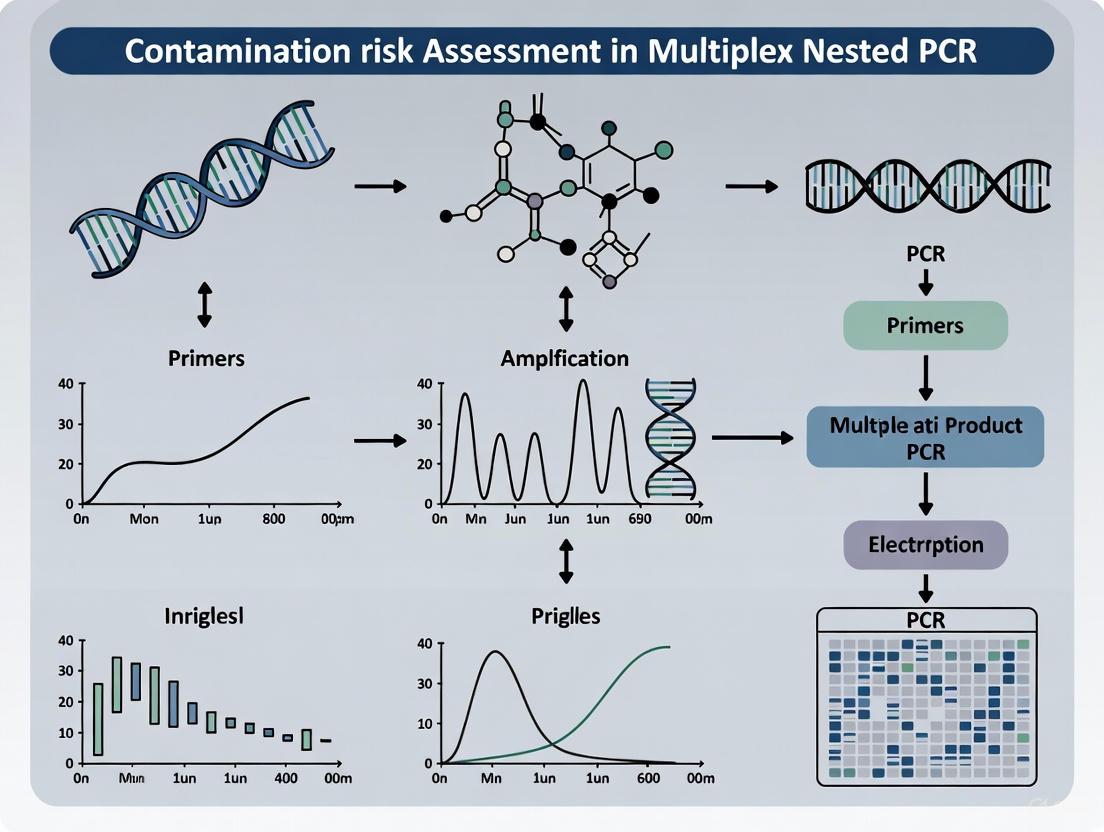
Mitigating Contamination in Multiplex Nested PCR: Strategies for Robust Assay Design and Validation in Biomedical Research
Multiplex nested PCR is a powerful molecular technique that offers exceptional sensitivity and specificity for detecting multiple targets, such as respiratory viruses, malaria parasites, and fungal pathogens.
Nested PCR Contamination Control: A Cost-Benefit Analysis for Robust Molecular Diagnostics
This article provides a comprehensive cost-benefit analysis of contamination control methods for nested PCR, a powerful but contamination-prone molecular technique.
Contamination Control in Nested PCR: Frequency, Sources, and Advanced Mitigation Strategies for Reliable Results
Nested PCR is a powerful molecular technique lauded for its exceptional sensitivity and specificity, but its multi-step nature inherently increases the risk of contamination, potentially compromising experimental integrity and diagnostic...
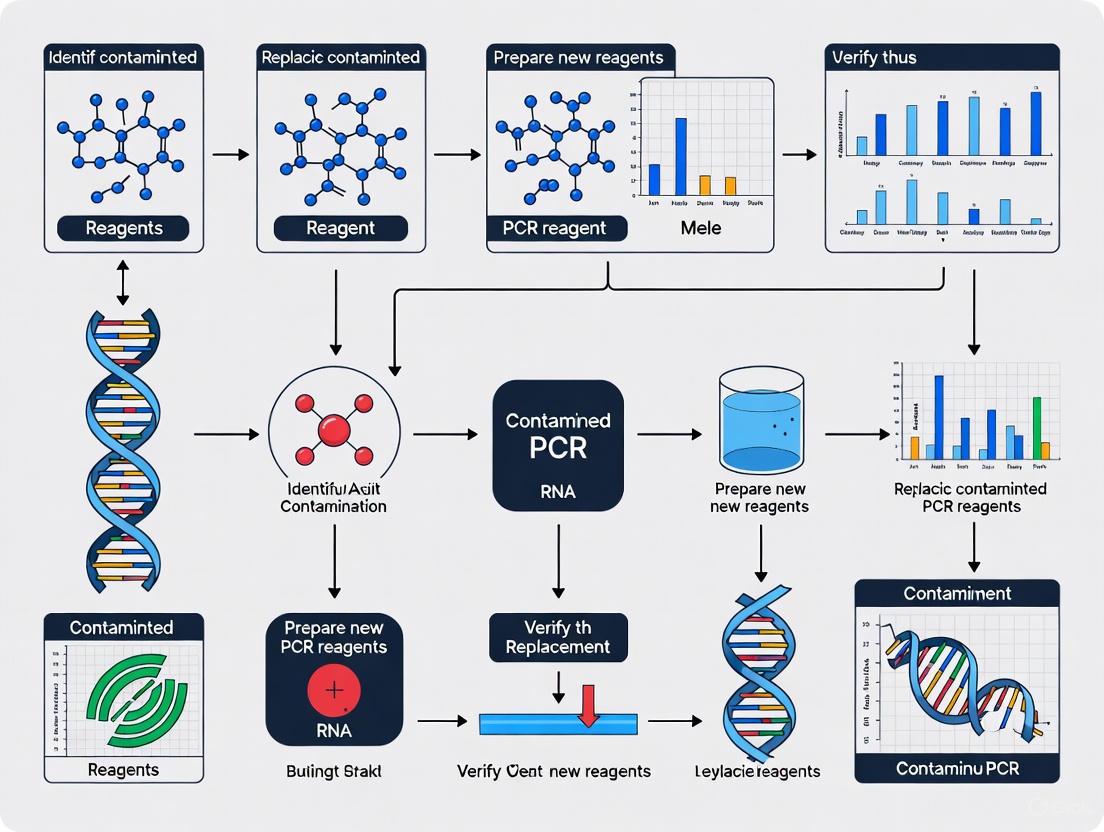
Definitive Protocol for Replacing Contaminated PCR Reagents: A Step-by-Step Guide for Researchers
This article provides a comprehensive, evidence-based protocol for identifying, replacing, and preventing contaminated PCR reagents, a critical issue that can compromise experimental integrity and lead to false results.
The Lab Coat Protocol: A Systematic Guide to PCR Contamination Control for Reliable Results
This article provides a comprehensive guide for researchers, scientists, and drug development professionals on implementing rigorous laboratory coat practices to control PCR contamination.
Single-Tube vs. Conventional Nested PCR: A Comparative Analysis of Contamination Rates and Workflow Efficiency
Nested PCR is renowned for its high sensitivity and specificity but is historically plagued by high contamination rates due to its multi-tube, multi-step nature.
Aerosol-Free PCR: Essential Strategies to Minimize Contamination When Opening Tubes
This article provides a comprehensive guide for researchers and drug development professionals on minimizing aerosol formation during PCR tube handling, a critical step in preventing false-positive results and data integrity...
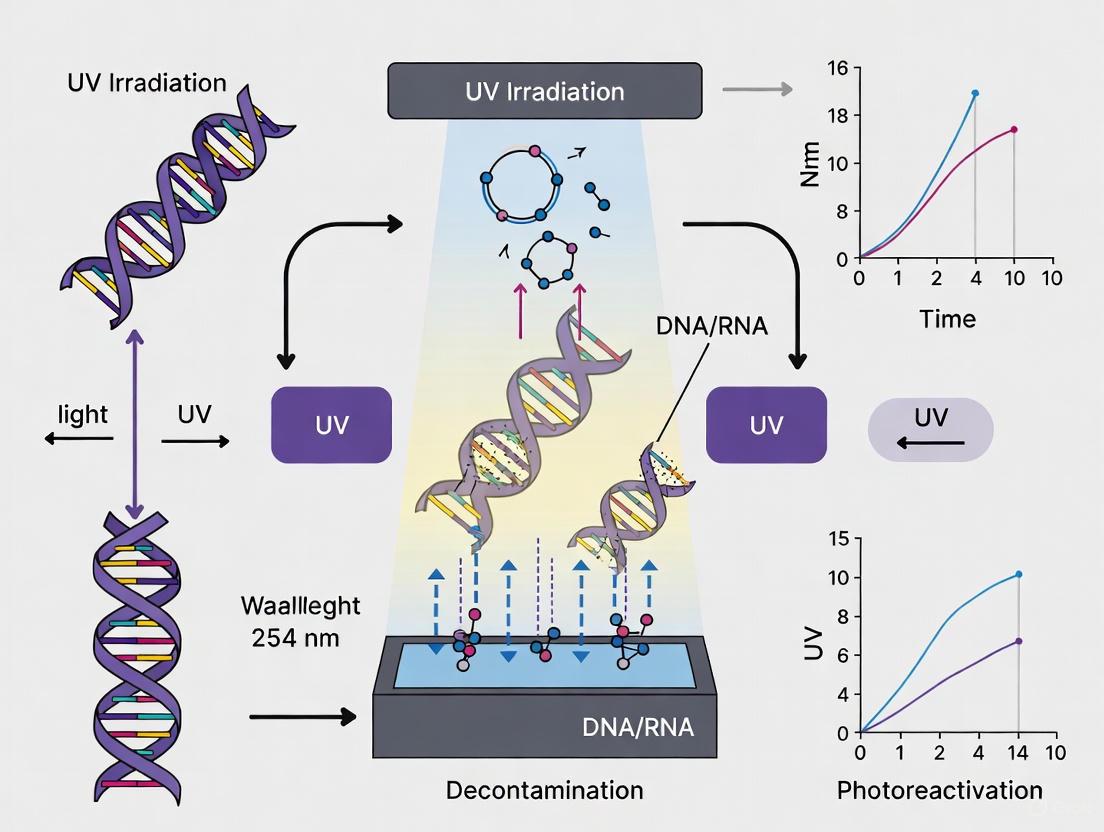
UV Irradiation for PCR Workstation Decontamination: A Scientist's Guide to Contamination Control
This article provides a comprehensive guide for researchers and drug development professionals on utilizing UV irradiation to eliminate PCR contamination.
A Systematic Approach to Identifying Contaminated Reagents: From Detection to Prevention in Biomedical Research
Contaminated reagents pose a significant threat to the integrity of biomedical research and drug development, leading to misleading results, wasted resources, and compromised patient safety.
PCR Contamination Control: Complete Strategies for Decontaminating Laboratory Surfaces and Ensuring Assay Accuracy
This comprehensive guide addresses the critical challenge of PCR contamination in biomedical research and drug development.