Research Articles
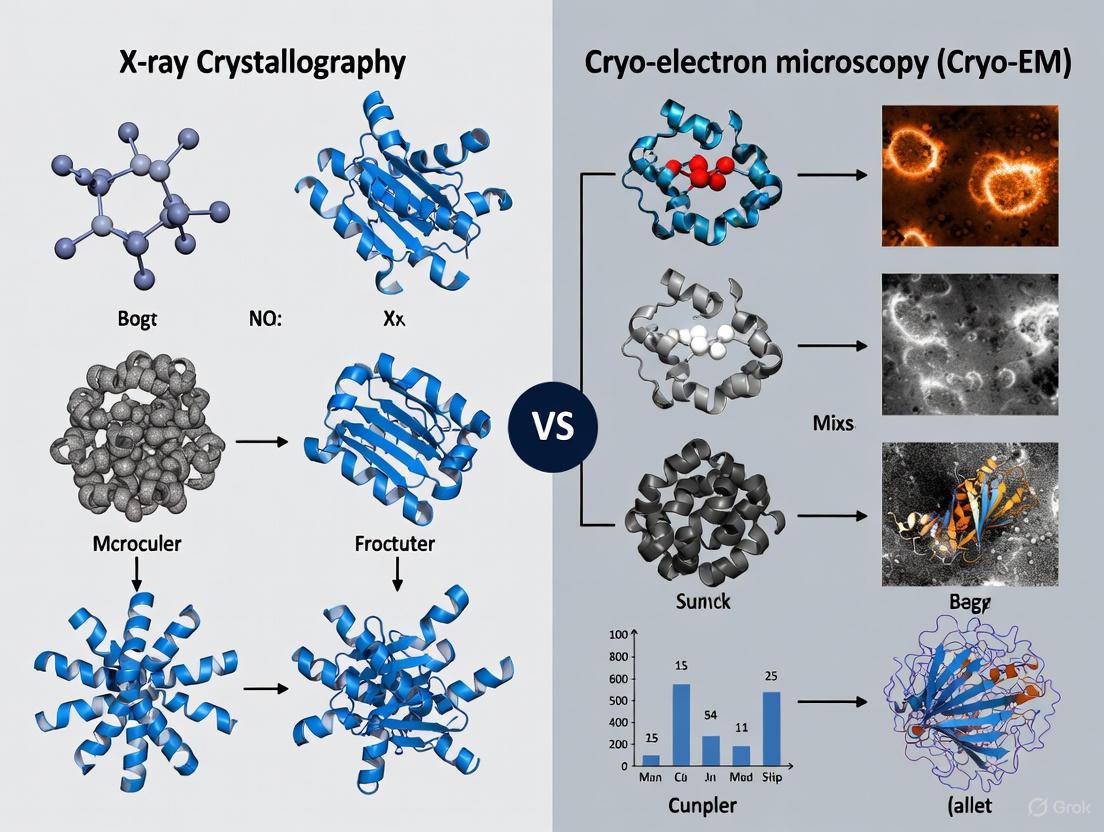
X-ray Crystallography vs. Cryo-EM: A Strategic Guide for Complex Structure Analysis
This article provides a comprehensive comparison of X-ray crystallography and cryo-electron microscopy (cryo-EM) for determining the structures of complex biological macromolecules.
Advancing Binding Pose Prediction: Current Methods, Challenges, and Future Directions in Computational Drug Discovery
Accurate prediction of protein-ligand binding poses is crucial for structure-based drug design but remains challenging due to limitations in sampling algorithms, scoring functions, and data biases.
Optimizing Weak Protein-Small Molecule Interactions: Strategies for Challenges, Methods, and Clinical Translation
Weak protein-small molecule interactions (KD > 10⁻⁴ M) are increasingly recognized as crucial regulators of biochemical pathways, allosteric regulation, and signaling cascades, yet they present significant challenges for characterization and...
Strategies for Augmenting Limited Binding Pockets in Protein Interfaces: From AI Prediction to De Novo Design
Targeting protein-protein interactions (PPIs) and designing novel protein functions often requires addressing the challenge of limited binding pockets.
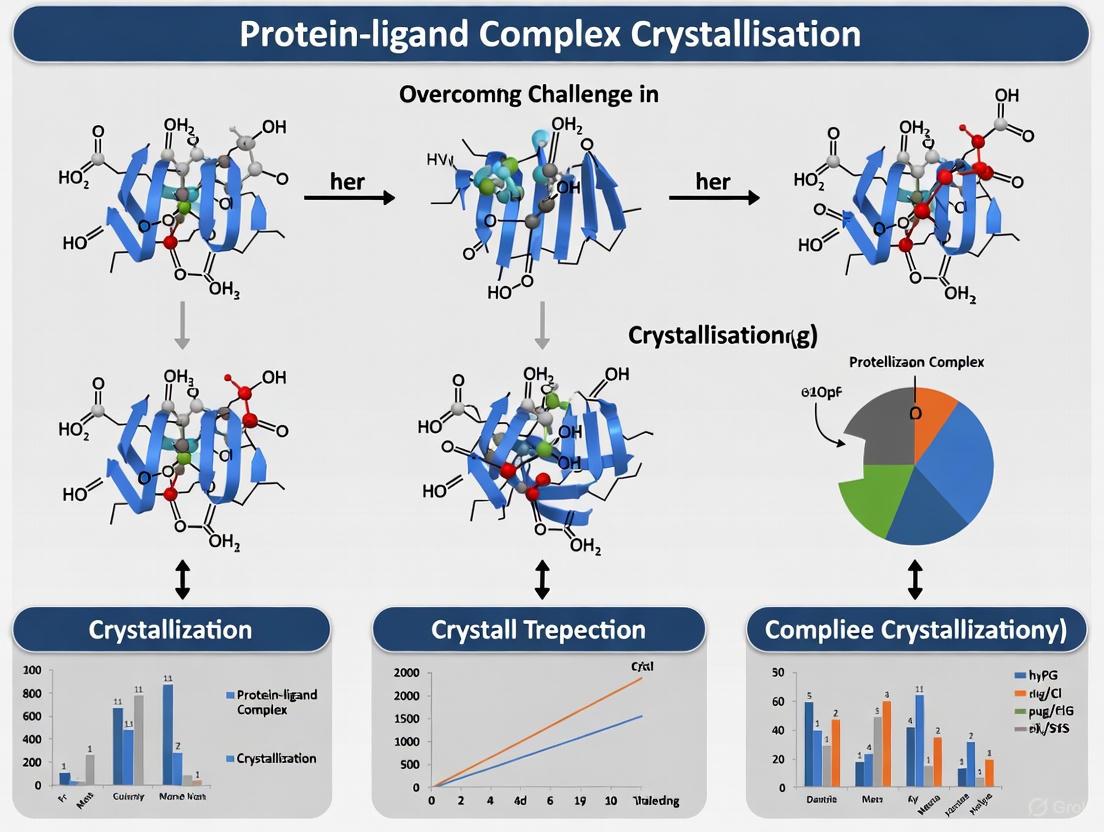
Overcoming Protein-Ligand Crystallization Challenges: A Strategic Guide for Structure-Based Drug Discovery
Obtaining high-quality crystals of protein-ligand complexes is a critical yet often limiting step in structural biology and rational drug design.
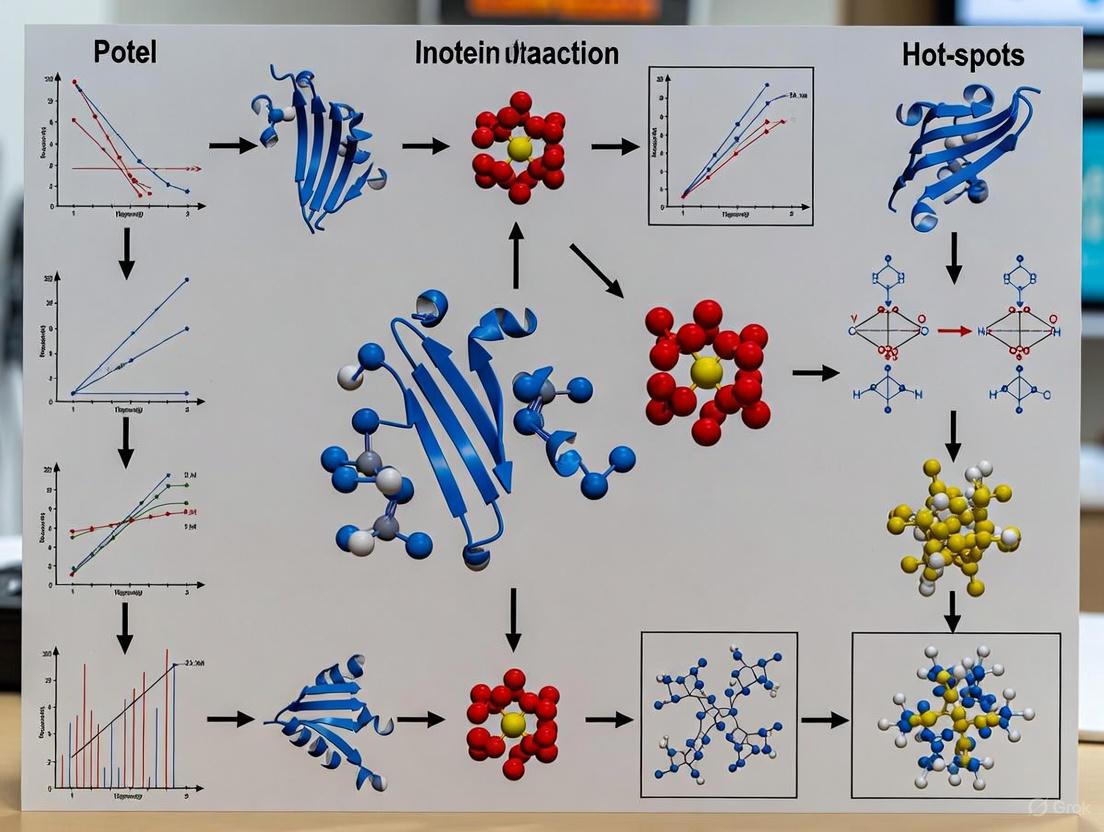
Improving Specificity for Protein Interaction Hotspots: Computational and Experimental Strategies for Drug Discovery
This article provides a comprehensive resource for researchers and drug development professionals aiming to improve the specificity of protein-protein interaction (PPI) hotspot prediction.
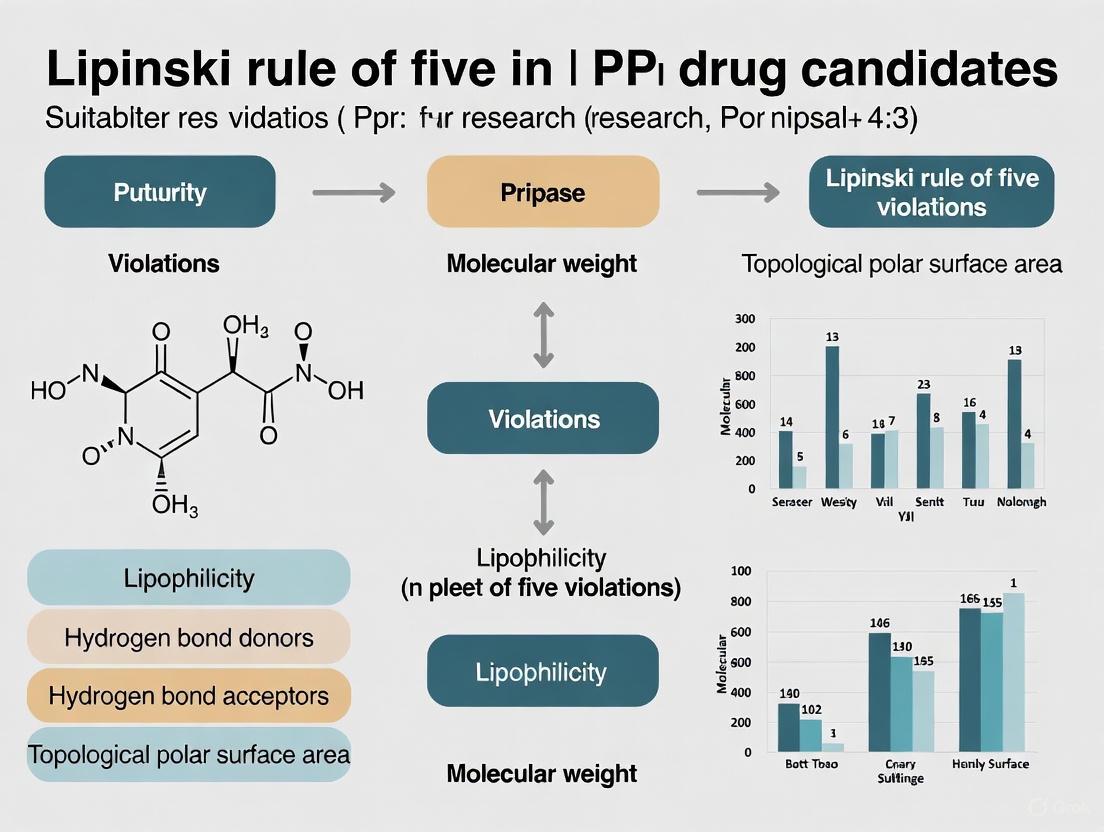
Beyond the Rule: Strategies for Addressing Lipinski Violations in PPI-Targeted Drug Candidates
This article provides a comprehensive analysis for drug development professionals on navigating Lipinski's Rule of Five violations in Protein-Protein Interaction (PPI) modulator candidates.
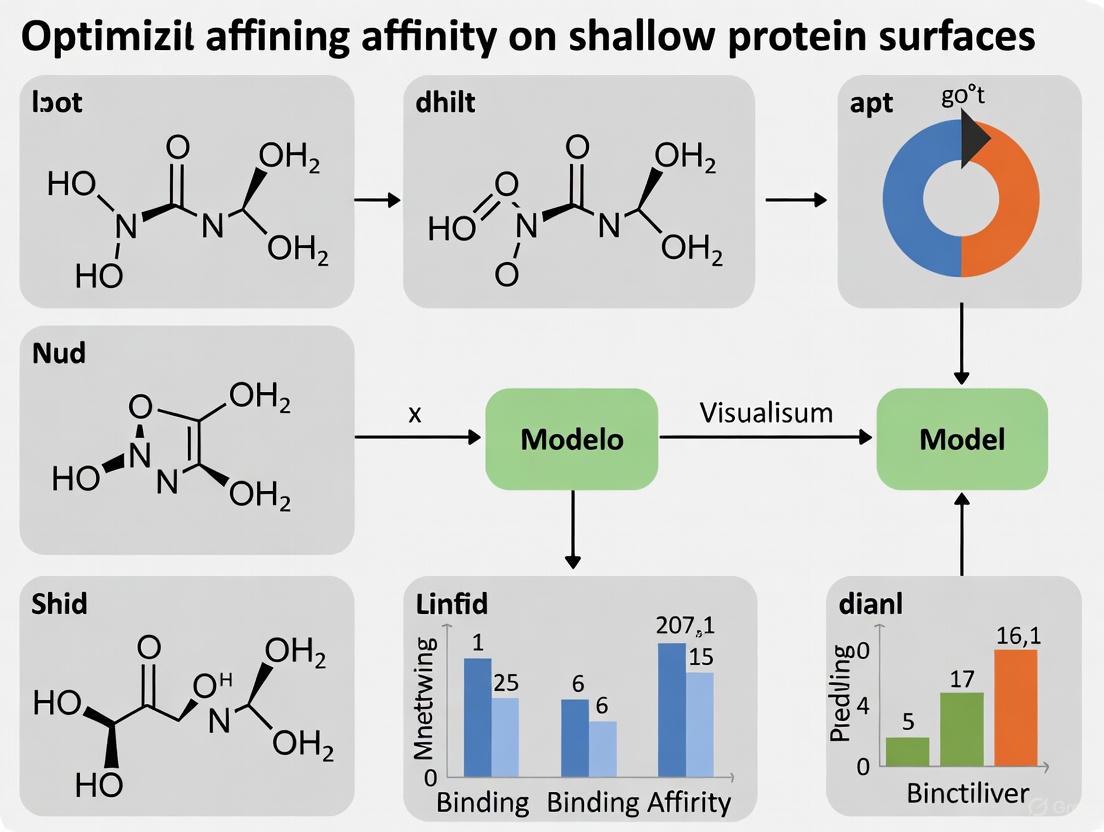
Beyond the Pocket: Modern Strategies for High-Affinity Targeting of Shallow Protein Surfaces
Targeting shallow protein surfaces represents a major frontier in drug discovery, crucial for addressing historically 'undruggable' targets like those involved in protein-protein interactions.
From Undruggable to Actionable: Strategic Approaches for Targeting Flat PPI Interfaces in Small Molecule Design
Protein-protein interactions (PPIs), once dismissed as 'undruggable' due to their large, flat, and hydrophobic interfaces, are now being successfully targeted thanks to a paradigm shift in drug discovery.
HDX-MS: Mapping Protein-Ligand Interactions for Advanced Drug Discovery
Hydrogen/deuterium exchange mass spectrometry (HDX-MS) has emerged as a powerful biophysical technique for studying protein structure and dynamics, providing critical insights into protein-ligand interactions that drive modern drug discovery.