Research Articles
Re-evaluating PICADAR: Performance Limitations in Genetically Confirmed Primary Ciliary Dyskinesia Diagnosis
This article critically examines the diagnostic performance of the PICADAR (PrImary CiliARy DyskinesiA Rule) prediction tool in cohorts with genetically confirmed Primary Ciliary Dyskinesia (PCD).
PICADAR in PCD Diagnosis: A Critical Appraisal for Researchers and Drug Developers
This article provides a comprehensive analysis of the PICADAR (PrImary CiliARy DyskinesiA Rule) tool within the modern Primary Ciliary Dyskinesia (PCD) diagnostic workflow.
Long-Term Safety of CRISPR Systems: A Comprehensive 2025 Review of Genomic Risks, Clinical Progress, and Safety Mitigation
This article provides a critical analysis of the long-term safety profiles of major CRISPR-Cas systems, including nucleases, base editors, and prime editors, for a professional audience of researchers and drug...
Viral vs. Non-Viral Vectors for CRISPR Delivery: A 2025 Analysis of Efficiency, Safety, and Clinical Translation
This article provides a comprehensive analysis of viral and non-viral delivery vectors for CRISPR-Cas9 therapeutics, tailored for researchers and drug development professionals.
Solving the Knock-In Challenge: A Comprehensive Guide to Boosting CRISPR Efficiency in Primary Cell Cultures
Achieving high-efficiency CRISPR-mediated knock-in in primary cells remains a significant bottleneck in biomedical research and therapeutic development.
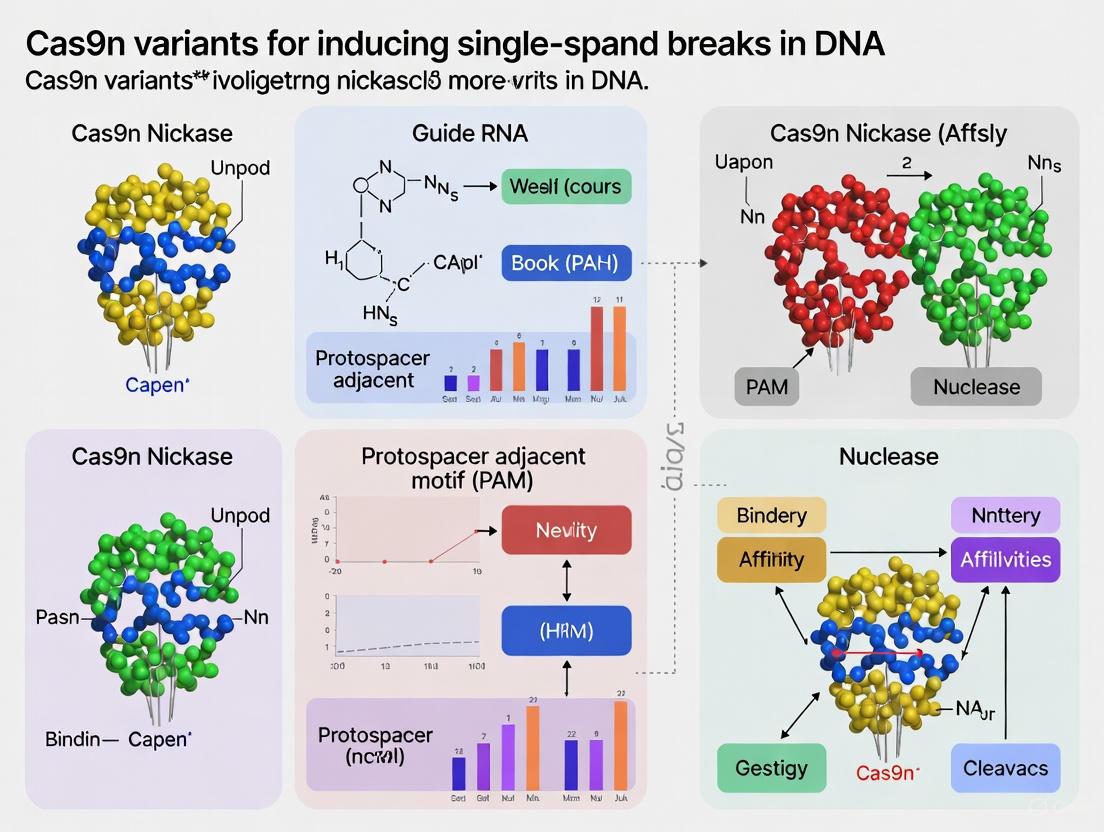
Cas9 Nickase Variants: Engineering Single-Strand Breaks for Precision Genome Editing
This article provides a comprehensive resource for researchers and drug development professionals on the application of Cas9 nickase (Cas9n) variants for precision genome engineering.
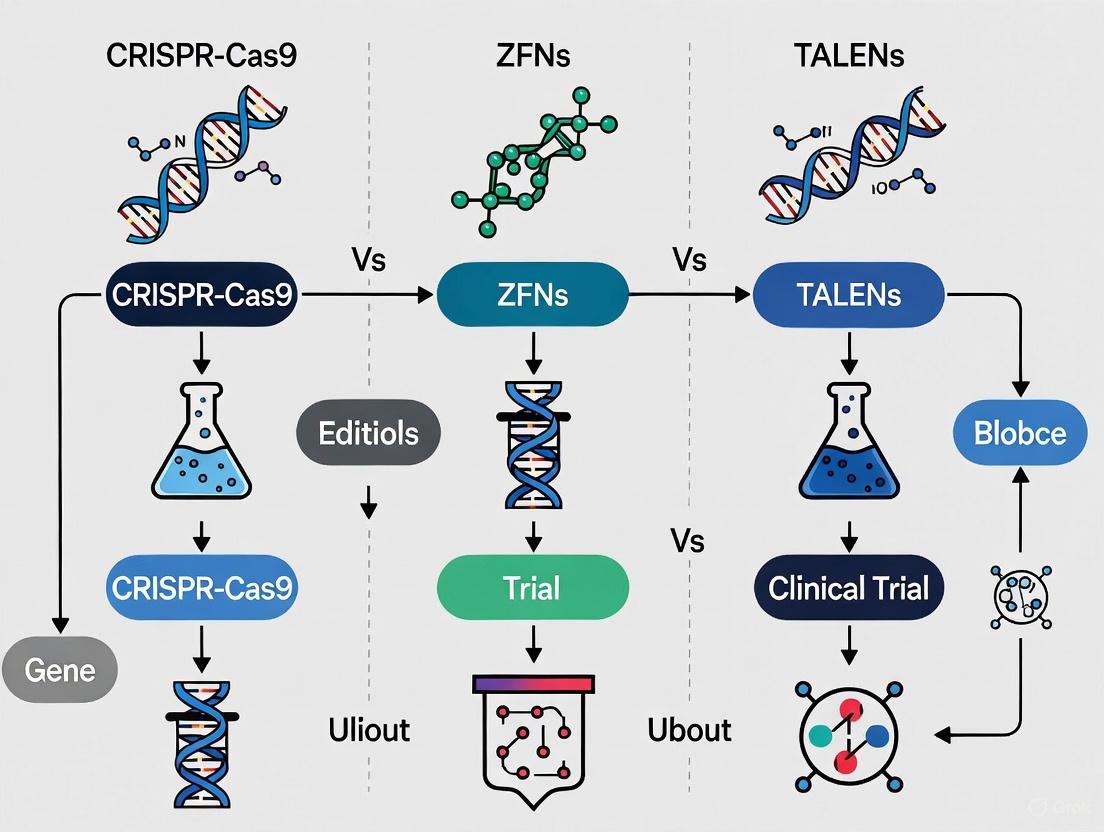
CRISPR-Cas9 vs. ZFNs and TALENs: A Comprehensive Analysis of Efficiency and Clinical Trial Applications
This article provides a systematic comparison of three major genome-editing technologies—CRISPR-Cas9, ZFNs, and TALENs—focusing on their efficiency, specificity, and clinical trial performance.
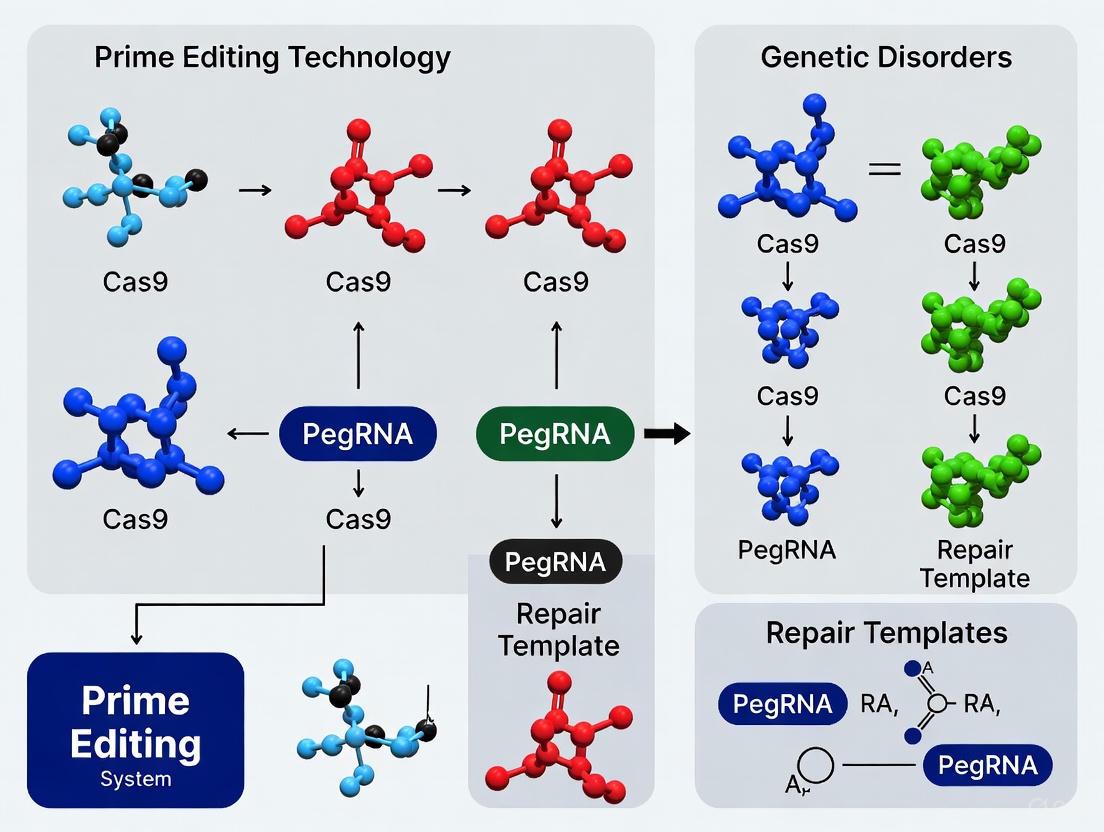
Prime Editing: A Guide to Precise Genetic Repair Without Double-Strand Breaks
This article provides a comprehensive overview of prime editing, a revolutionary genome-editing technology that enables precise correction of genetic mutations without introducing double-strand DNA breaks.
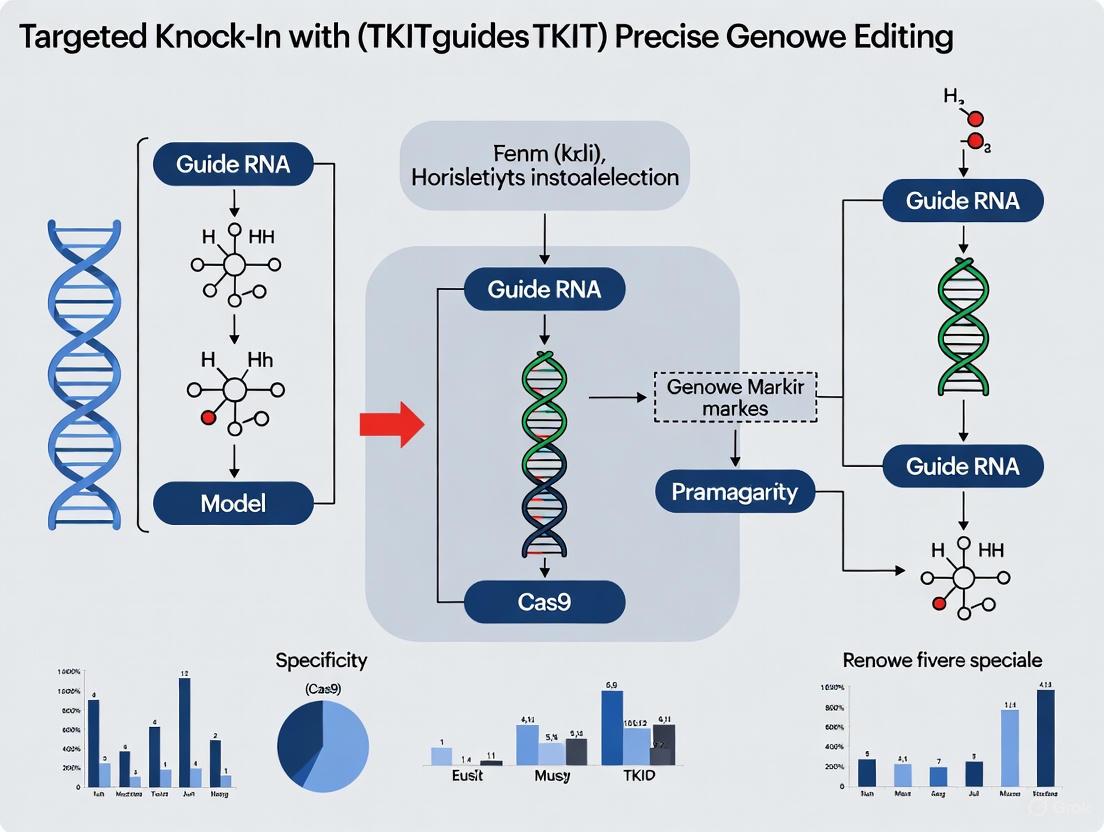
TKIT Guides: A Precision CRISPR Strategy for Endogenous Protein Tagging and Knock-In
Targeted Knock-In with Two (TKIT) guides represents a significant advance in CRISPR/Cas9-based genome editing, specifically designed to overcome the challenges of precise DNA integration in hard-to-edit cells like neurons.
Optimizing Homology-Directed Repair Template Design for Precise Gene Correction: A Strategic Guide for Researchers
This article provides a comprehensive guide for researchers and drug development professionals on designing effective homology-directed repair (HDR) templates for precise gene editing.